



If you are dreaming of walking the historic stone paths of the Incas but are short on time, the 1-Day Inca Trail Trek is the ultimate compromise. This express itinerary lets you lace up your boots, hike the most scenic final section of the classic trail, and walk directly through the legendary Sun Gate (Inti Punku) to look down on Machu Picchu, all without spending a single night in a tent.
You will step off the train at Kilometer 104, trek past sweeping mountain vistas, explore exclusive archaeological sites, and arrive at the citadel just as the midday crowds begin to thin.
High-Value Highlights of the Express Route
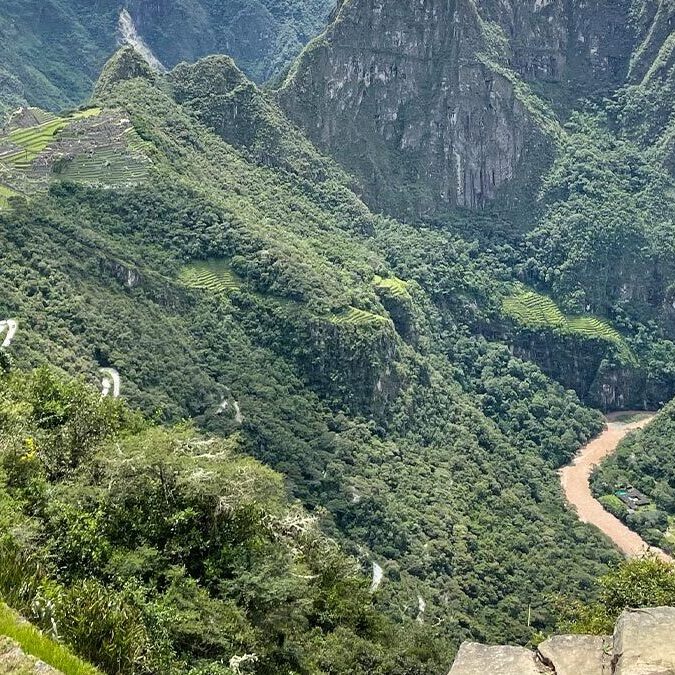
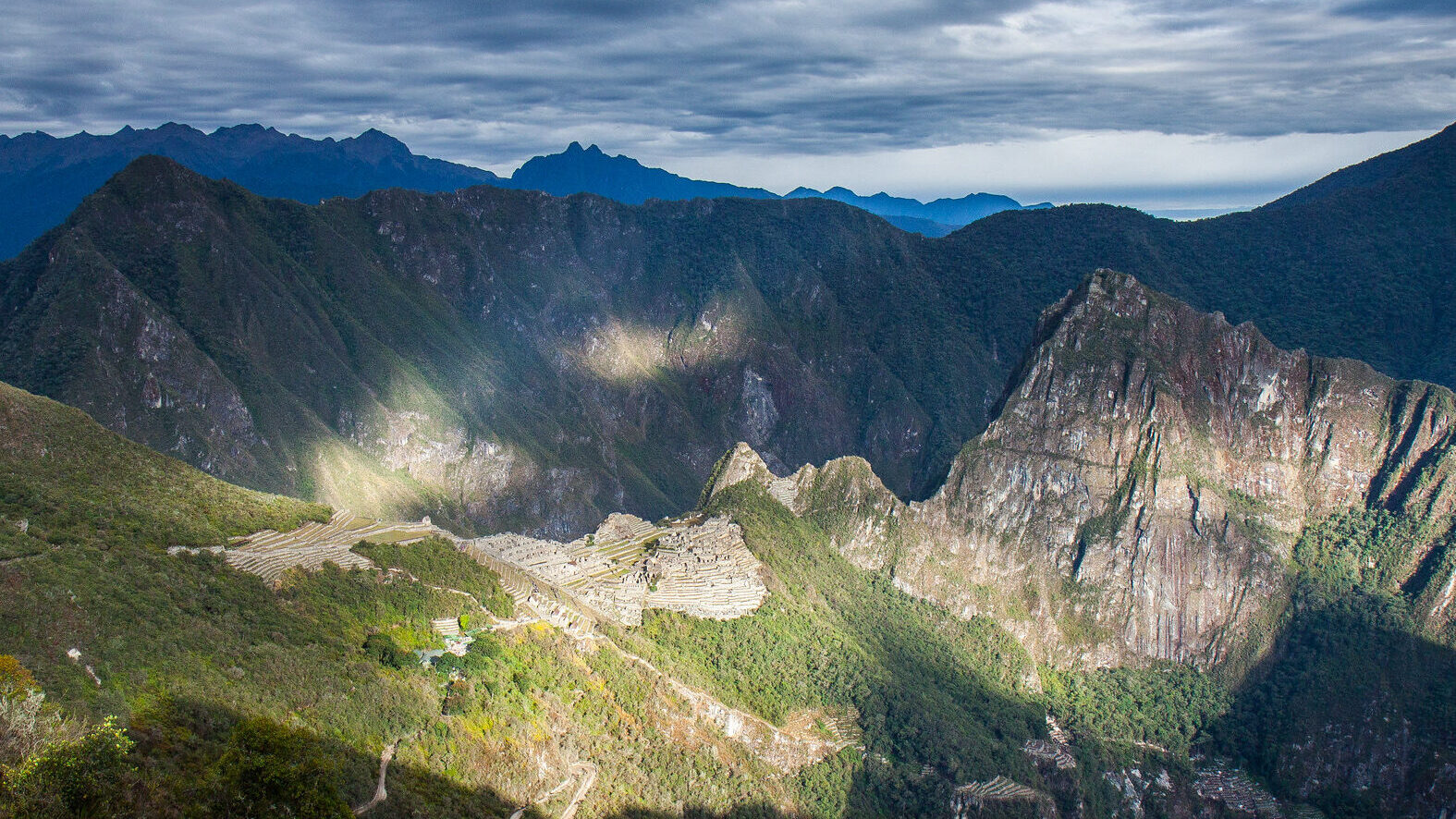
- The Sun Gate Entry: This is the only single-day tour that allows you to enter Machu Picchu on foot through the historic Sun Gate, offering a panoramic view unavailable to standard train travelers.
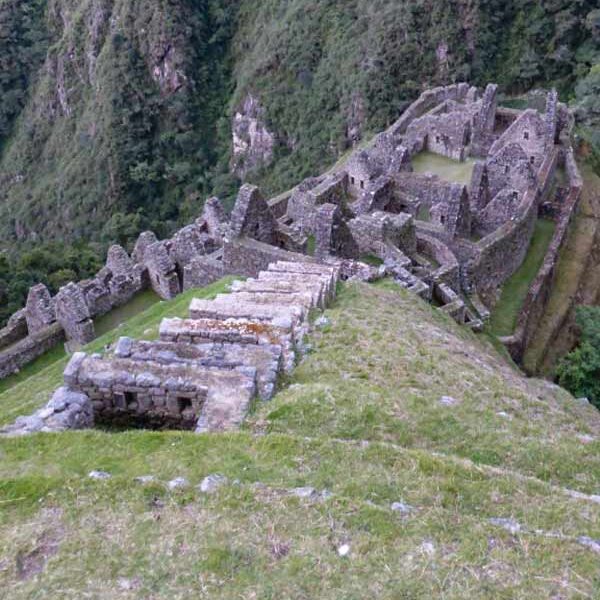
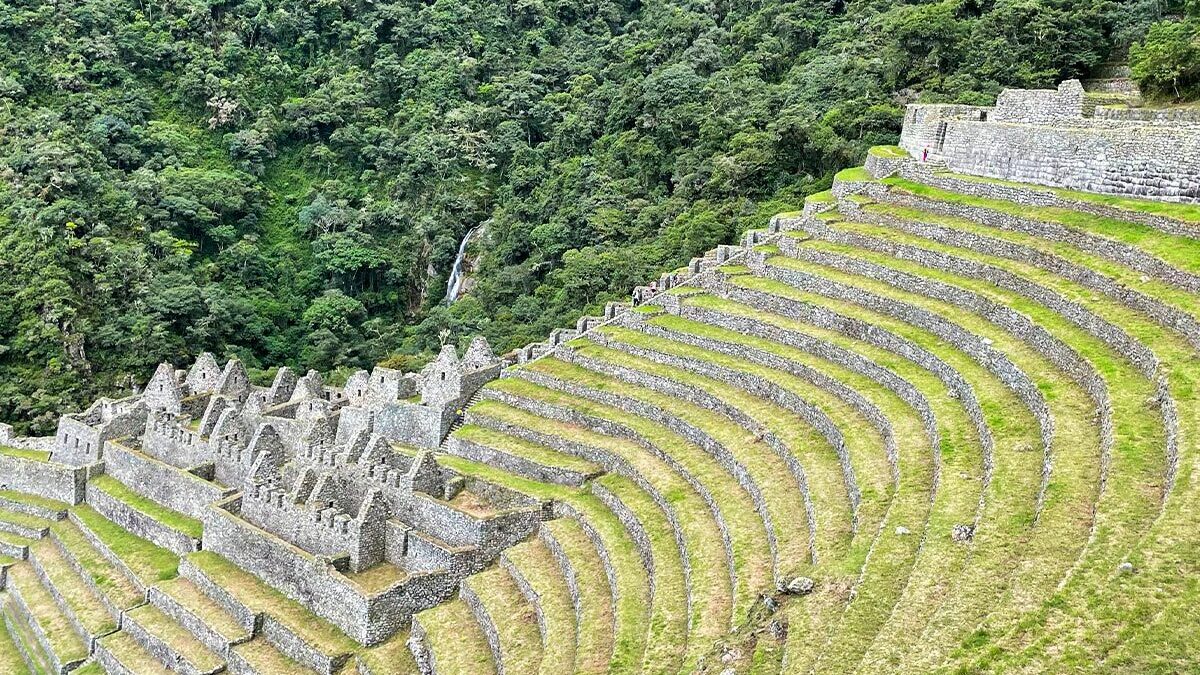
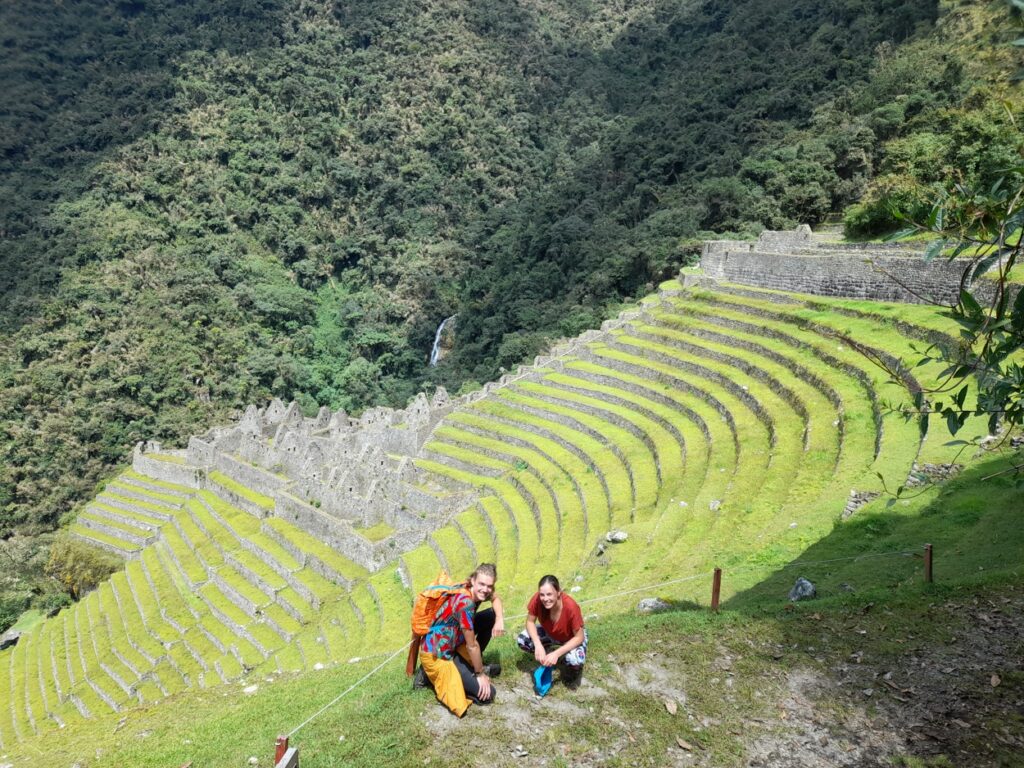
- The Crown Jewel Ruins: You get exclusive access to Wiñay Wayna, widely considered the most spectacular and intricate archaeological site on the entire Inca Trail network.
- The Footsteps of Pilgrims: Walk along the exact hand-cut stone paths engineered by the Inca Empire more than 600 years ago.
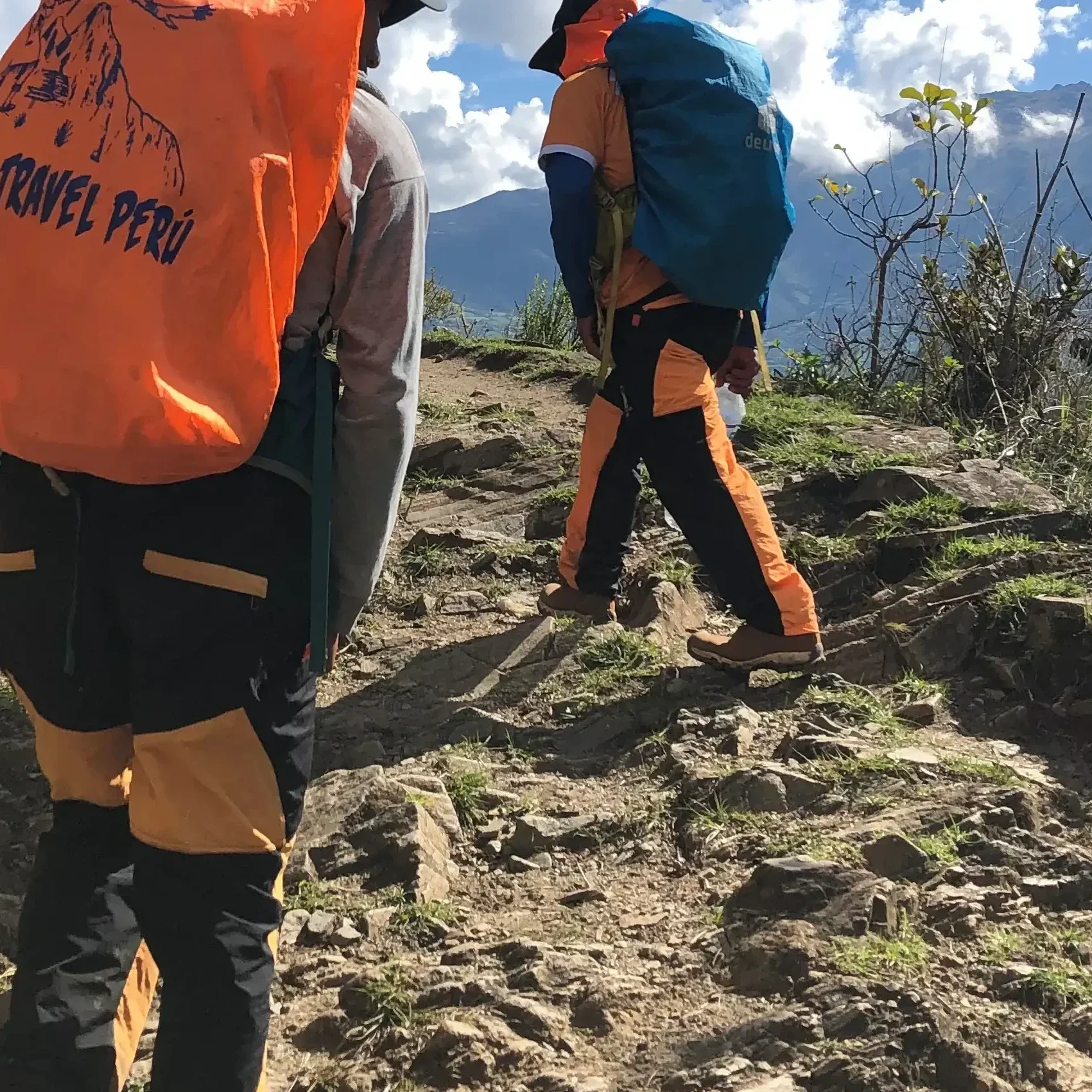
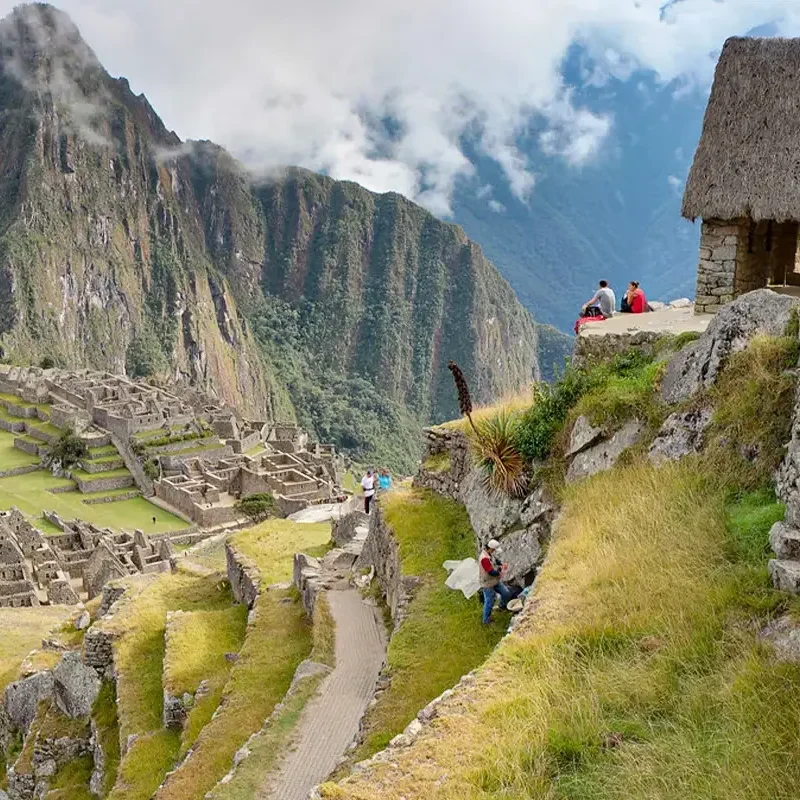
- Late-Afternoon Serenity: Arrive at the Guard House for your postcard-perfect photos in the late afternoon, exactly when the massive morning tour groups have already left for the day.
Why Hike from Kilometer 104 to Machu Picchu?
For travelers who want the challenge and beauty of the Andes without a multi-day camping commitment, this express route delivers an unmatched experience.
- The Exclusive Sun Gate Entrance: This is the only single-day itinerary that allows you to approach Machu Picchu on foot through the historic Sun Gate (Inti Punku), revealing a breathtaking panoramic view of the citadel.
- A Bucket-List Achievement: You will hike the final, most stunning section of the world-famous Classic Inca Trail, checking off a premier global adventure in just one day.
- Access to Wiñay Wayna: Explore the spectacular ruins of Wiñay Wayna, an intricate archaeological site of terraces and fountains that many experts consider more beautiful than Machu Picchu itself.
- Walk a Sacred Pilgrimage: Step directly onto the original, 600-year-old stone pathways engineered by the Incas for their royal and spiritual journeys.
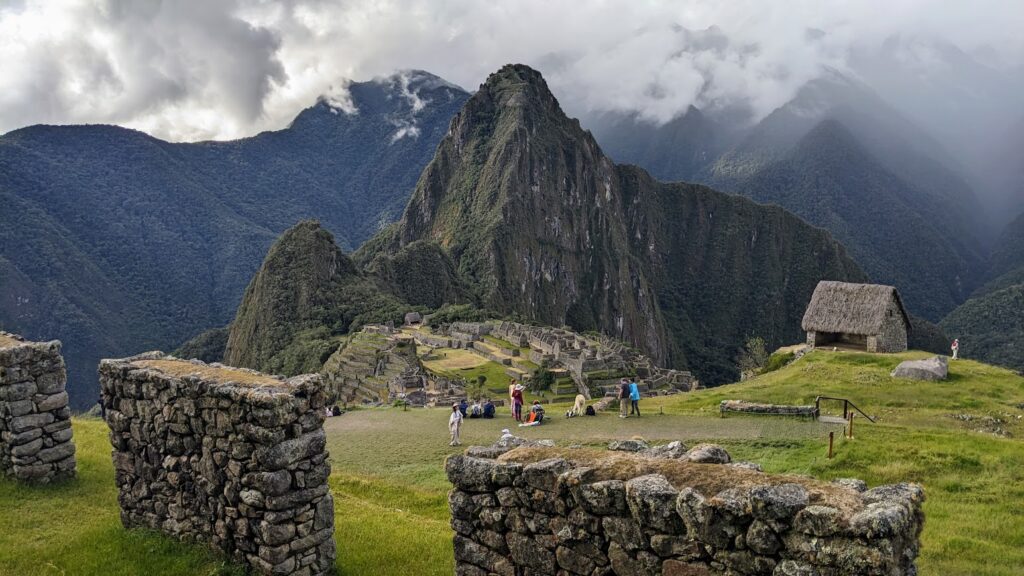
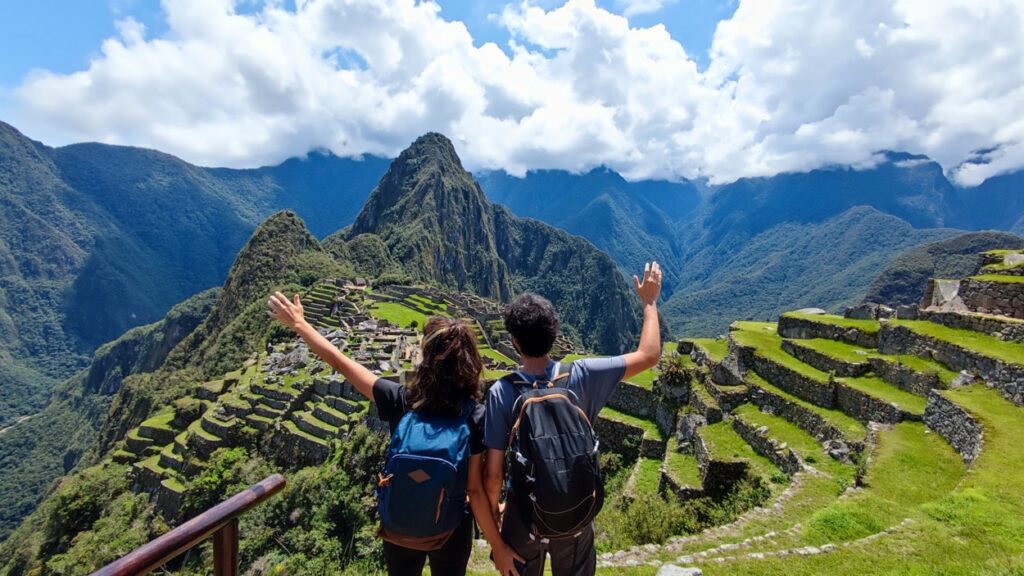
- The Iconic Guard House Photo: Arrive at the classic overlook just in time to capture your postcard-perfect photos of the citadel with the peaks framing the background.
- Late-Afternoon Tranquility: Experience the ancient citadel during the quietest hours of the day, long after the morning train crowds have departed.
Important Route and Fitness Reality
It is vital to understand that the 1-Day Inca Trail covers the exact same terrain as the 2-Day itinerary, it is simply completed at a much faster pace. Trekkers must be in moderate to excellent physical condition to manage the steep ascents and arrive at the citadel gate on time. If you feel this rapid pace might be too strenuous, we highly recommend booking the 2-Day Inca Trail, which covers the same beautiful path at a slower, more relaxed pace.
One Day Inca Trail to Machu Picchu Map
The visual layout below illustrates your entire transit and trekking route, tracing the journey from your morning pickup in Cusco, along the Urubamba River railway to Kilometer 104, up through the mountain ruins, and finally down into Aguas Calientes.
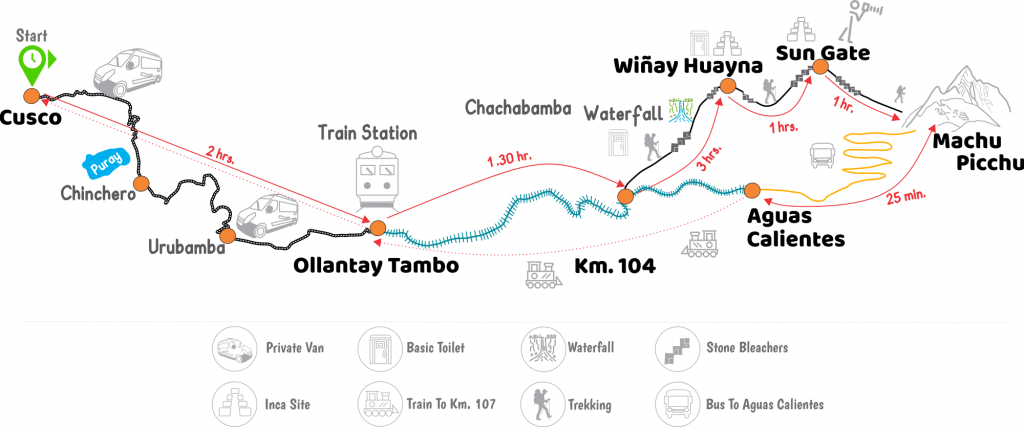
1-Day Inca Trail to Machu Picchu Itinerary
Day 1: Cusco – Ollantaytambo – KM104 – Winay Wayna – Sun Gate – Machu Picchu – Aguas Calientes – Cusco
Please note that all schedule times are approximate and depend entirely on the overall fitness level of the trekking group.
The journey begins with an early morning hotel pickup at approximately 04:00 AM for guests staying in Cusco. From there, you will embark on a 1-hour and 45-minute drive through the Sacred Valley of the Incas. Because this transit happens before dawn, the roads are completely dark, making it the perfect opportunity to catch up on rest and save your energy for the physical effort on the trail.
If your accommodation is located in Ollantaytambo, your driver will pick you up at approximately 05:20 AM for a very short drive to the railway. Please ensure you clearly communicate your exact overnight location to your tour operator in advance so logistics run smoothly.
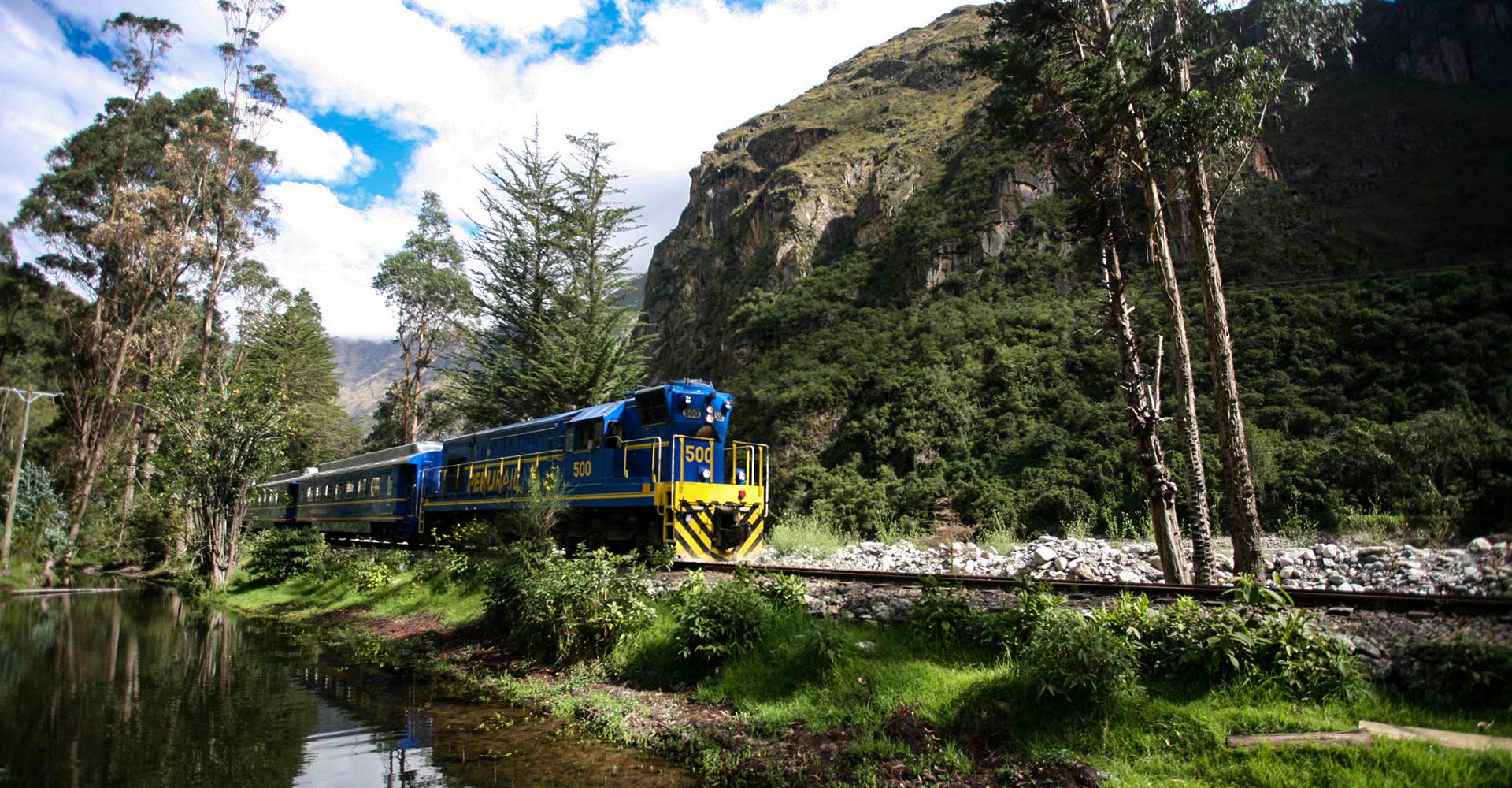
You will arrive at the Ollantaytambo station just as the sky begins to brighten. Take a moment to enjoy the peaceful morning air and prepare yourself for the adventure ahead. At 06:10 AM, you will board the Expedition Train. If you have not eaten yet, this train ride is the ideal time to enjoy a packed breakfast box or catch up on a final hour of sleep.
As the train advances, the mountain scenery outside becomes spectacular. To your left, the Urubamba River curves gently alongside the tracks, acting as a natural highway deeper into the canyon. To your right, the landscape transitions into thick forest slopes and rugged, snow-capped Andean peaks.
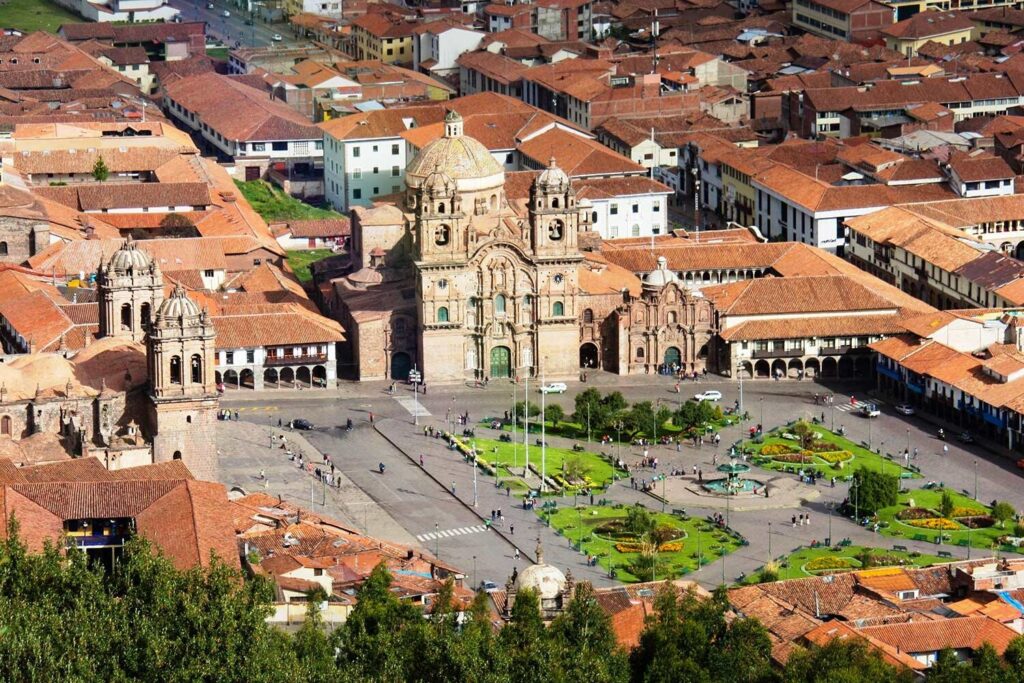
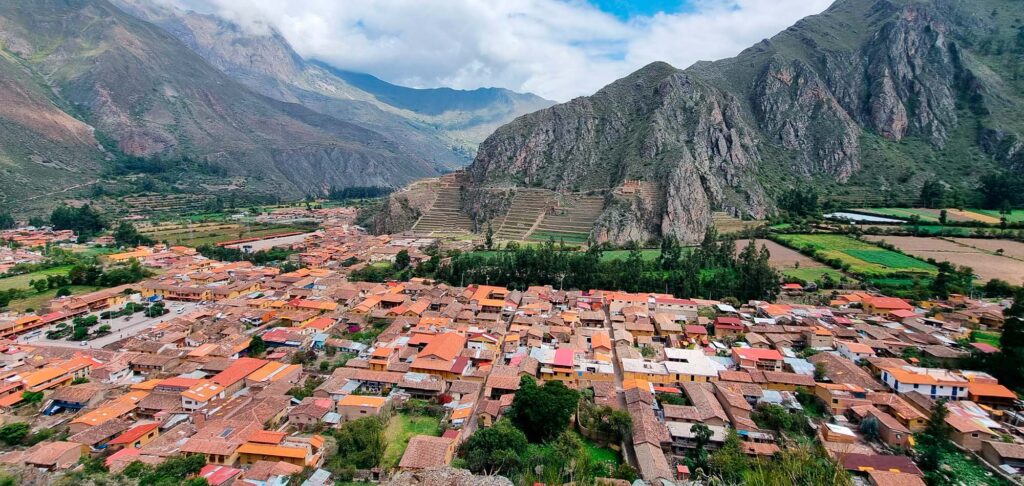
An analytical, comprehensive breakdown of the express route from Kilometer 104 to the Inca citadel.
Express Inca Trail to Machu Picchu Breakdown
Because this trek condenses a multi-day alpine journey into a single, high-energy day, the schedule runs like clockwork. The pace of this hike is significantly faster than the classic multi-day options. Arriving at the Machu Picchu checkpoints on time is critical to ensuring you have sufficient daylight to fully explore the citadel.
04:00 AM: The Early Wake-Up Call
Your private driver collects you directly from your hotel in Cusco for a smooth, 1-hour and 45-minute drive through the dark Sacred Valley. If you choose to stay in Ollantaytambo instead, your pickup will be at approximately 05:20 AM. Please ensure you clarify your pickup location with your tour operator in advance. Because the morning mountain roads are peaceful and dark, this transit is the perfect opportunity to catch up on sleep.
06:10 AM: The Urubamba River Train
Board the morning Expedition Train at the Ollantaytambo station just as the sky begins to brighten. Listen to the early morning birds, enjoy the quiet dawn, and prepare for the trek ahead. As the train moves deeper into the canyon, the landscape transforms outside your windows. To your left, the Urubamba River curves like a highway through the mountains; to your right, thick forests give way to rugged, snow-capped Andean peaks. Use this time to eat the packed breakfast box provided by your hotel.
07:40 AM: Checkpoint at Kilometer 104
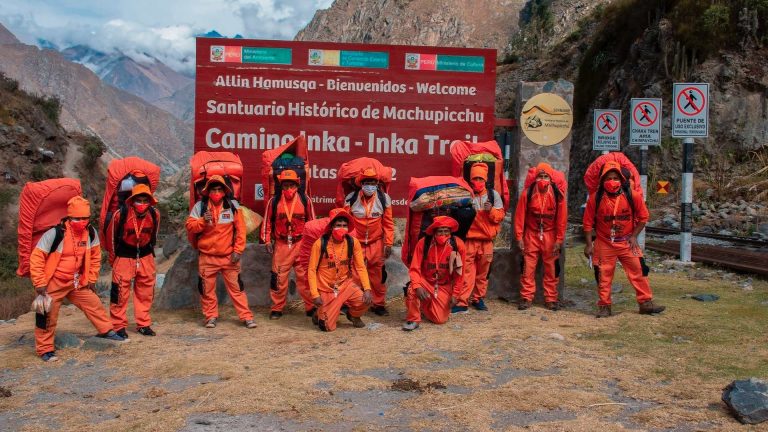
The train makes a brief, dedicated stop in the cloud forest at Kilometer 104 (Elevation: 2,100 meters / 6,927 feet), which serves as the official trailhead. After stepping off the train, you cross a suspension bridge to reach the government checkpoint. You must present your original, physical passport here to gain entry. This checkpoint is your final opportunity to use a standard restroom, apply sunscreen and insect repellent, purchase emergency snacks, and fill your water bottles.
07:45 AM: Exploring Chachabamba
Located just one minute past the checkpoint gate sits your first archaeological site: Chachabamba. Your expert guide will introduce you to the history of this beautifully preserved stone complex, which served as an administrative and religious preparation post before travelers headed up to the high citadel. From here, your three-hour upward climb begins.
11:00 AM: Hidden Waterfalls and Wiñay Wayna
After a steady climb through lush cloud forest flora, you will pass a refreshing, crystal-clear mountain waterfall cascading into a shallow rock pool below. This scenic spot is an excellent place to cool off, splash your face, and take photos.
Right around the bend sits the jaw-dropping site of Wiñay Wayna (Elevation: 2,650 meters / 8,694 feet). Meaning Forever Young, this spectacular site is named after the native Wiñay Wayna orchids that blanket the mountainside. Local legends suggest that natural extracts from this flower preserve youth and vitality. Take a moment to celebrate your achievement and enjoy the incredible views. Once you reach the nearby Wiñay Wayna campsite area, you can relax, converse with fellow hikers, and enjoy a well-deserved box lunch.
12:00 PM: The Final Push to the Sun Gate
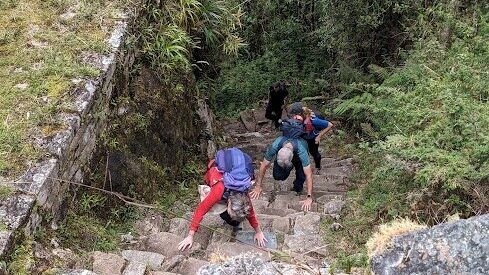
The remaining trail flattens out slightly as it winds through dense jungle canopy, until you hit the famous “Monkey Steps.” This is a nearly vertical flight of 50 stone stairs carved directly into the bedrock by the Incas. You will naturally need to lean forward and use both your hands and feet to climb them safely. The physical effort pays off instantly at the top.
01:00 PM: Arrival at the Sun Gate (Inti Punku)
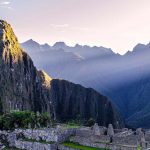
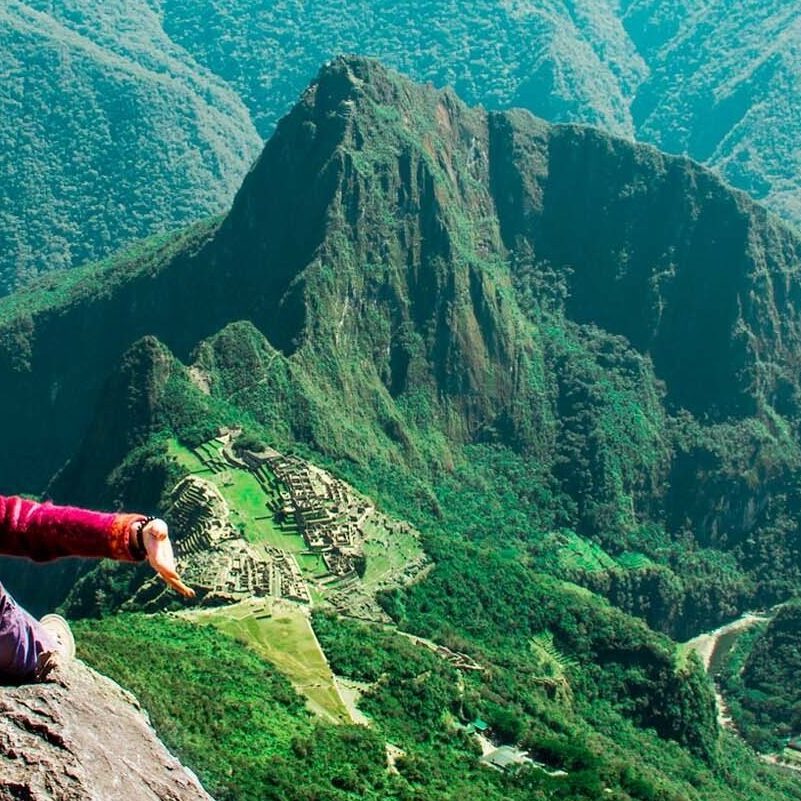
Step through the stone arches of the Sun Gate (Elevation: 2,730 meters / 8,956 feet) for your very first glimpse of Machu Picchu resting peacefully in the valley below. The sheer size and majesty of the view from this angle is indescribable. Take your time to capture photographs and explore the smaller ruins nestled between the Sun Gate and the citadel, making sure to ask your guide about the unique history of these passing structures.
02:00 PM: The Empty Citadel Tour
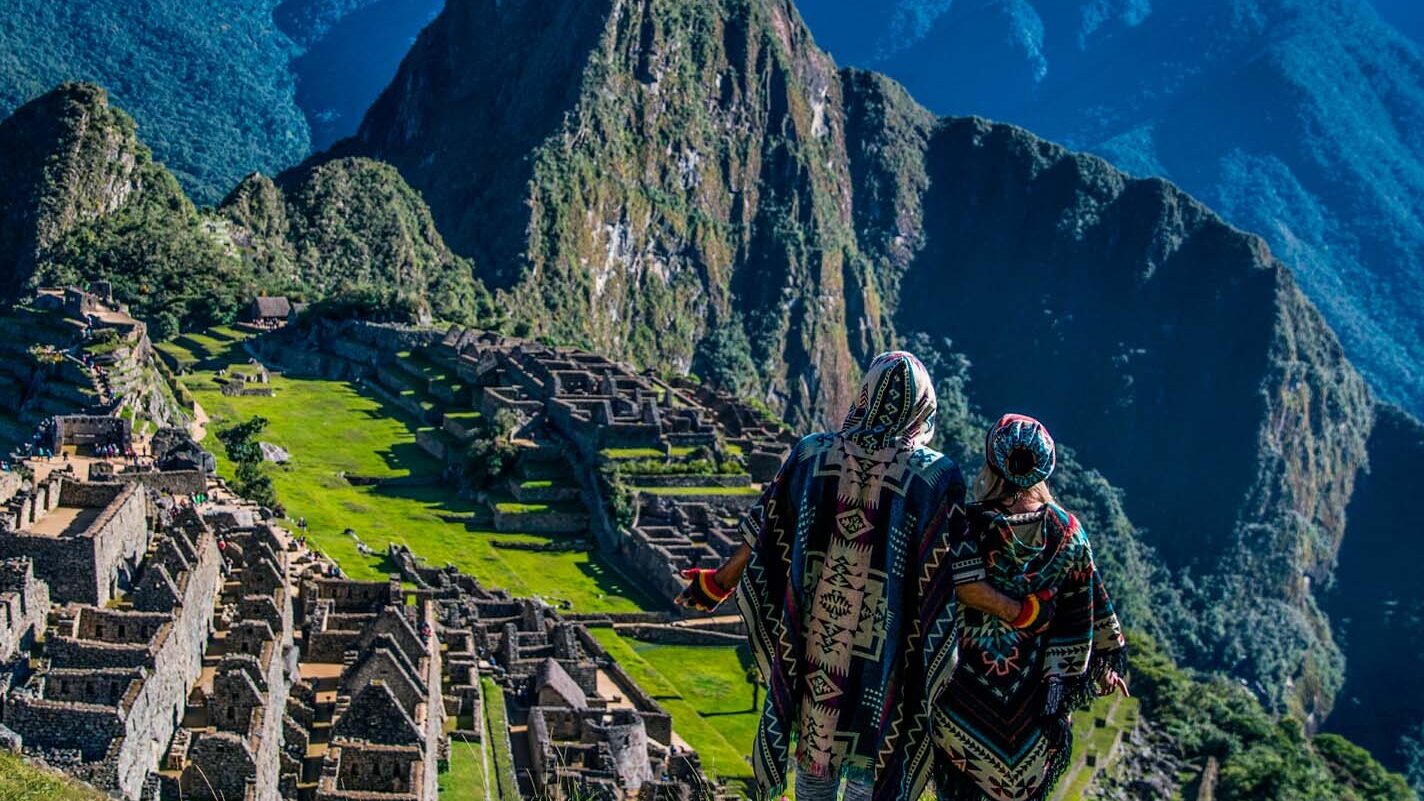
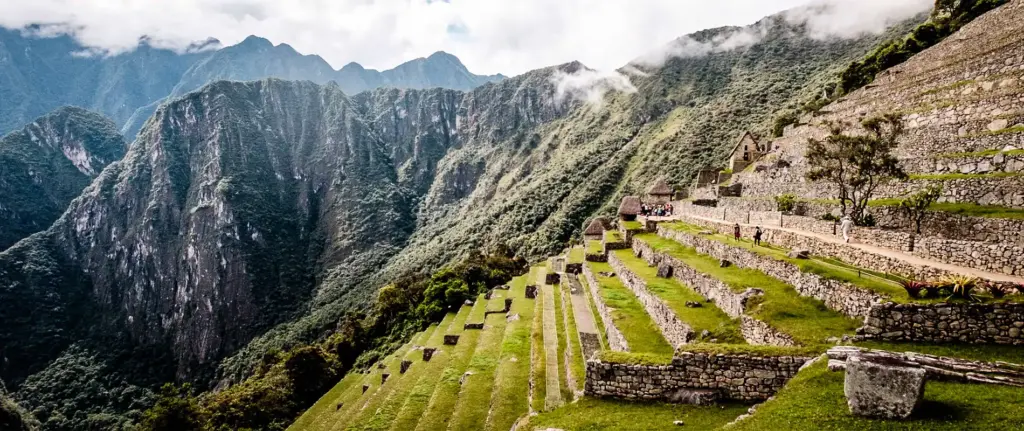
Conclude your descent at the famous Guard House to capture your classic, postcard-perfect photos with the peak of Huayna Picchu framing the background. Because you are entering the grounds in the late afternoon, the heavy morning crowds have already departed, leaving the site remarkably serene. Your guide will lead you on a comprehensive, 2-hour tour of the residential, agricultural, and religious sectors of the complex.
Marvel at the brilliance of Inca engineering and the structural integrity of their Ashlar masonry technique, which joined massive stones perfectly without the use of mortar, despite the incredibly unforgiving mountain terrain.
04:30 PM: Descent to Aguas Calientes
Board the 25-minute shuttle bus down the winding switchback roads to the valley town of Aguas Calientes. You will have time to walk the cobblestone streets, browse the vibrant local artisan markets, and enjoy a delicious dinner at a local restaurant.
06:30 PM: The Journey Back to Cusco
Board the return Expedition Train from Aguas Calientes back to Ollantaytambo. Upon arrival at the platform, your tour operator’s private transportation will be waiting to transfer you directly back to your hotel room in Cusco. Your estimated arrival time is 10:00 PM.
- Included Meals: Dependent on your specific tour package.
- Difficulty Rating: Moderate to challenging.
The Daypack Checklist
Because you carry your own personal belongings on this single-day trek, you must organize your daypack efficiently. Keep your pack size between 25L and 30L and include these essentials:
- Essential Documentation: Your original, physical passport is strictly required to pass the Kilometer 104 checkpoint. If you booked your tour with a student discount, you must also present your original, valid Student ID card alongside your passport.
- Footwear and Socks: Broken-in running shoes or sturdy hiking boots with deep tread for traction on slick stone steps. Pair them with high-quality hiking socks to prevent blisters and manage moisture.
- Layered Clothing: Lightweight, quick-dry, and moisture-wicking clothes are recommended for the trail. Pack warm layers, such as a fleece or down jacket, as temperatures drop rapidly after sunset.
- Rain Protection: Weather in the cloud forest is unpredictable; always carry a waterproof jacket and pants, or a durable rain poncho.
- Sun and Bug Protection: High-SPF sunscreen, polarized sunglasses, a wide-brimmed hat, and heavy-duty insect repellent. The forest midges near the river are notoriously aggressive.
- Hydration and Nutrition: A reusable water bottle or hydration bladder. Bring high-energy snacks like nuts, dried fruit, or energy bars to sustain your stamina between meals.
- Personal Health and Electronics: Any required personal medications, and a camera or smartphone to document the landscape.
Weather and Seasonal Realities
The Inca Trail cuts directly through the high-altitude Andean Cloud Forest, an environment where weather conditions can pivot in an instant. This region is governed by two distinct seasons:
- The Dry Season (May to October): This period offers your highest probability of clear skies, bright sunshine, and unobstructed panoramic photos from the Sun Gate.
- The Rainy Season (November to April): Rain showers occur frequently and can last for extended periods. Because the trail is comprised primarily of ancient stone steps, conditions become considerably more hazardous during a downpour as the stones grow incredibly slippery.
Altitude Note: The 1-Day Inca Trail takes place at an elevation roughly 1,000 meters (3,000 feet) lower than the city of Cusco. This lower altitude ensures the trail environment remains noticeably warmer than Cusco during both the day and night. However, do not let the dry season fool you; rain can still fall unexpectedly at any time of year in the cloud forest.
One-Day Inca Trail Safety Tips
- Mind the Terrain: The majority of this hike is a steep, uphill climb containing hundreds of stone steps. The trail hugs deep valleys, meaning there are numerous precipices, steep cliffs, and far drops along the path. Pay close attention to your footing at all times.
- Mandatory Guide Regulations: The Peruvian government strictly prohibits independent hiking on any portion of the Inca Trail network. You must be accompanied by a licensed guide and book exclusively through an authorized tour operator.
- Distance and Pacing: The total trekking distance is 12 kilometers (7.5 miles), which is typically covered in 5 to 6 hours of active walking. Maintain a steady, sustainable pace to avoid exhaustion before reaching the citadel entrance.
Frequently Asked Questions
What is the true difficulty of the 1-day Inca Trail?
The most crucial detail to understand is that the 1-Day Inca Trail covers the exact same path and distance as the 2-Day itinerary, you are simply completing the hike in half the time. Due to this strict time constraint, hikers must maintain a brisk pace and be in moderate to exceptional physical shape.
If you are an experienced backpacker accustomed to mountain ascents, this route will be a rewarding experience. If you are concerned about the physical demands or prefer to hike at a relaxed pace, you should consider booking the 2-Day Inca Trail instead, which splits the journey over two days and visits the citadel on the second morning.
Where is the starting point of the hike?
The trailhead sits at a remote railway siding known as Kilometer 104. From this point, it is a 12-kilometer (7.5-mile) trek through the mountains to reach Machu Picchu.
Do I need permits for this hike?
Yes. Permits for all versions of the Inca Trail are strictly regulated by the government and can only be secured through a licensed local tour operator.
The government caps entries at 250 permits per day for the short Inca Trail. This daily quota includes all visitors as well as essential trail staff such as guides, porters, and cooks. Permits sell out rapidly, particularly during the peak dry season, so booking several months in advance is highly recommended.
Where do I store my main luggage during the trek?
You do not need to carry your large suitcases on the trail. Passenger trains to Aguas Calientes enforce strict weight and size limits that permit only small daypacks in the cabins.
Fortunately, virtually all hotels and hostels in Cusco and the Sacred Valley provide secure, complimentary luggage storage rooms for guests who are out trekking. You can safely leave your large suitcases at your front desk on the morning of your trek and retrieve them when you check back into the city that evening.
You can also safely leave your large suitcases at our office or with your hotel front desk on the morning of your trek and retrieve them when you return to the city that evening.
Compare train upgrades: Expedition vs. Vistadome
The return rail journey from Aguas Calientes to Ollantaytambo is typically operated by PeruRail, which offers two distinct service classes:
- The Expedition Train: This is the highly comfortable, standard base tier. It features overhead luggage storage, large viewing windows, comfortable seating, and a small complimentary snack. It is clean, efficient, and perfect for relaxing after a long day of hiking.
- The Vistadome Train: This is a popular premium upgrade. The carriages feature wrap-around panoramic side and ceiling windows for dramatic views of the towering canyon walls. The experience also includes an interactive onboard cultural show featuring a live Saqra (Andean devil) dance performance and a brief alpaca fashion show down the aisle.
Explore tipping guidelines for guides and drivers
Tipping is a customary and deeply appreciated practice within the Peruvian tourism sector, serving as a reflection of excellent service. While completely voluntary, standard community benchmarks for a short trek include:
- Your Tour Guide: A standard tip ranges from $10 USD to $20 USD total per person in your group, depending on the quality of their leadership and historical insights.
- The Drivers: For the early morning hotel pickup and late-night return transfers, a collective tip of $5 USD to $10 USD total from your entire group is customary for the driver.
- Currency Preference: It is best to tip using fresh, crisp Peruvian Soles (%PEN%) rather than US dollars, as local workers find it difficult to exchange torn or wrinkled foreign currency outside of major banking hubs.
What about the altitude?
The Machu Picchu citadel sits at 2,430 meters (7,972 feet) above sea level, which is significantly lower than the city of Cusco at 3,400 meters (11,152 feet). If you have already spent 24 to 48 hours acclimatizing in Cusco or the Sacred Valley, you are highly unlikely to experience altitude sickness at the ruins.
The highest point reached during the hike is at the Sun Gate, which sits at roughly 2,730 meters (8,956 feet). If you feel winded while on the move, simply maintain a slow, steady pace, drink plenty of water, or utilize local remedies such as sipping coca tea or chewing coca leaves.
What is the best time to visit Machu Picchu?
The dry season months from May to October offer the premier conditions for visiting the site. During this window, the mountain views are rarely obstructed by heavy fog, providing optimal conditions for photography. However, keep in mind that this peak season brings the highest tourist numbers, and accommodation and transit bookings should be secured well in advance.
When was Machu Picchu discovered?
Machu Picchu was never truly lost; local agricultural communities living along the valley slopes were always aware of its existence. The first person from outside the region to rediscover the ruins was a Peruvian explorer and farmer named Agustín Lizárraga. He left his signature carved on a stone wall inside the Temple of the Three Windows dated 1902, nine years before any foreign expeditions arrived.
When American explorer Hiram Bingham was guided to the site by a local resident in 1911, he explicitly noted Lizárraga’s signature in his private field journals, acknowledging him as the original discoverer. However, when Bingham made his findings public, he omitted Lizárraga’s name entirely and popularized the site under the historically inaccurate title of The Lost City of the Incas.