



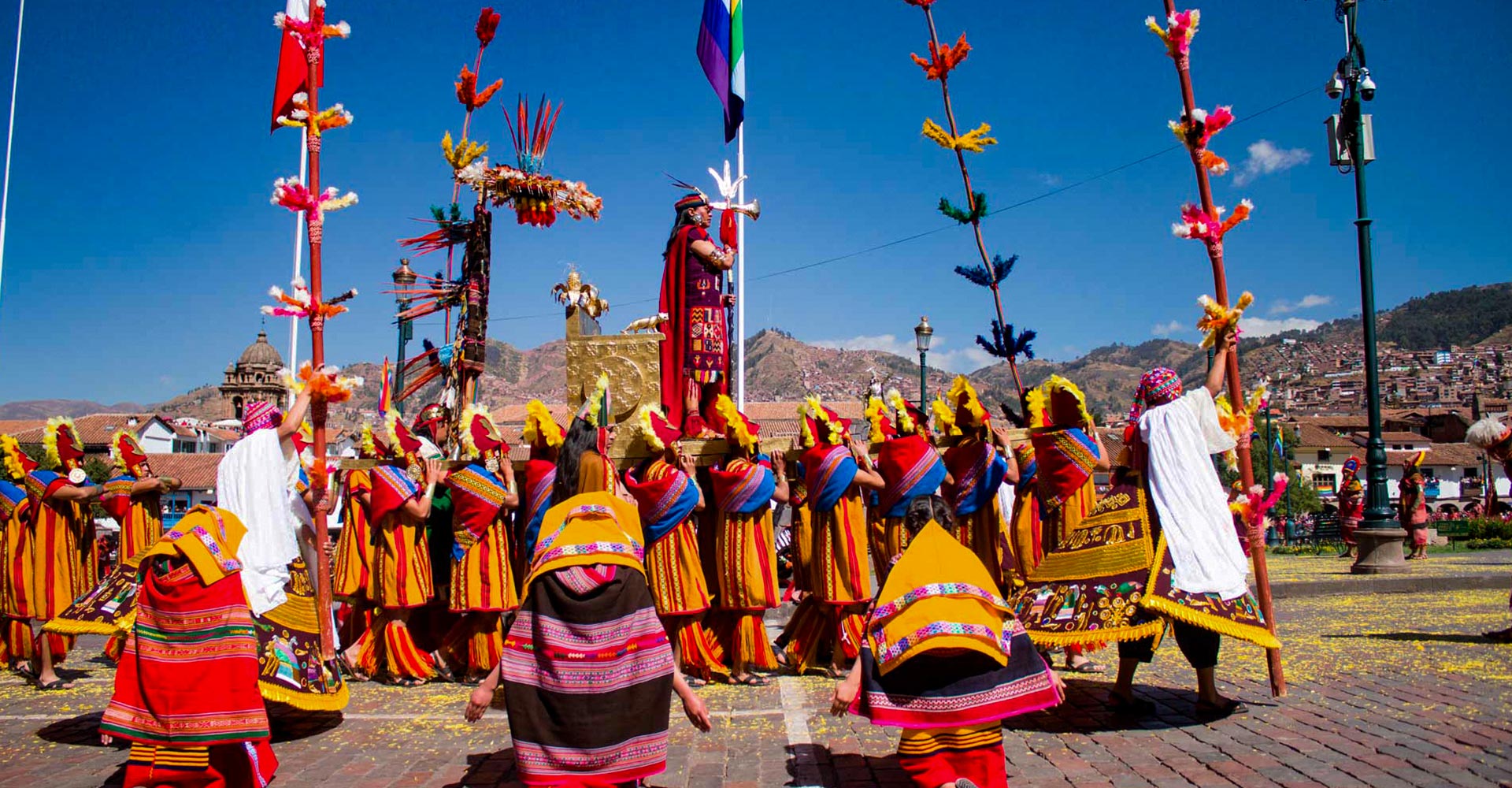
If you are planning a trip to Peru in June, you are about to witness the ultimate crown jewel of Andean culture: the legendary Inti Raymi festival. Held every year on June 24, this spectacular celebration transforms the entire city of Cusco into a living, breathing stage of ancient Inca majesty.
The History Behind the Festival of the Sun
Inti Raymi, which translates to Festival of the Sun in Quechua, was the most sacred event in the Inca Empire. Established around 1430 by the visionary Emperor Pachacútec (the same ruler who ordered the construction of Machu Picchu), the festival marked the winter solstice and the start of the Inca New Year. It was a vital time to secure the Sun God’s blessing for prosperous crops and protection for the empire.
Following the Spanish conquest, the festival was banned by Viceroy Francisco de Toledo, who viewed it as a pagan ritual. For centuries, the spectacular traditions lay dormant. However, in 1944, a brilliant Cusco artist named Faustino Espinoza Navarro used the historical writings of chronicler Inca Garcilaso de la Vega to painstakingly reconstruct, direct, and revive the ceremony.
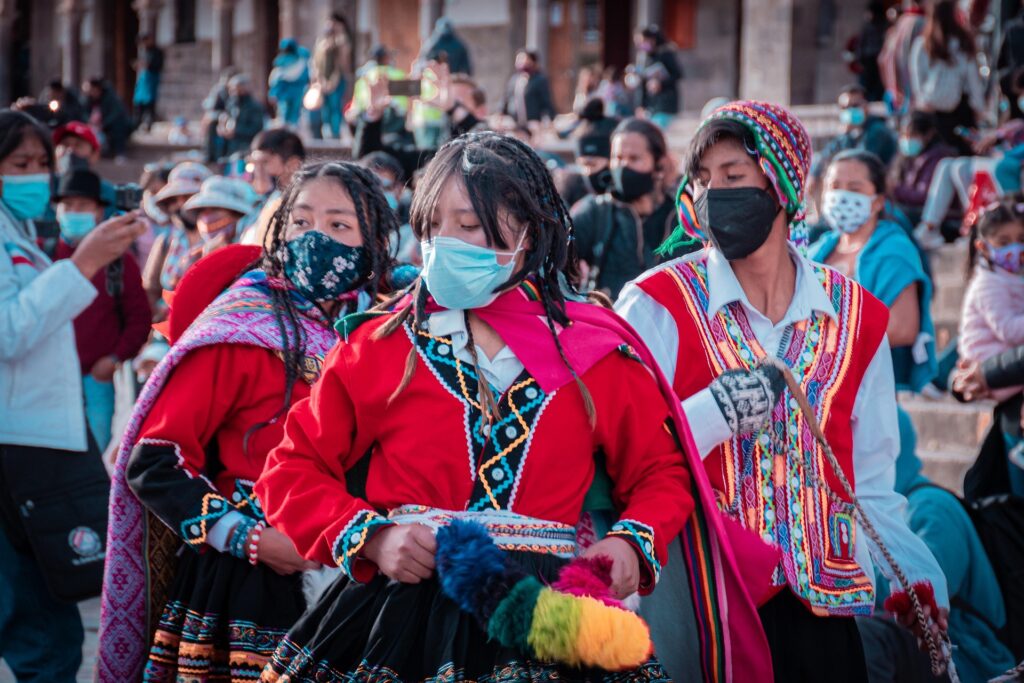
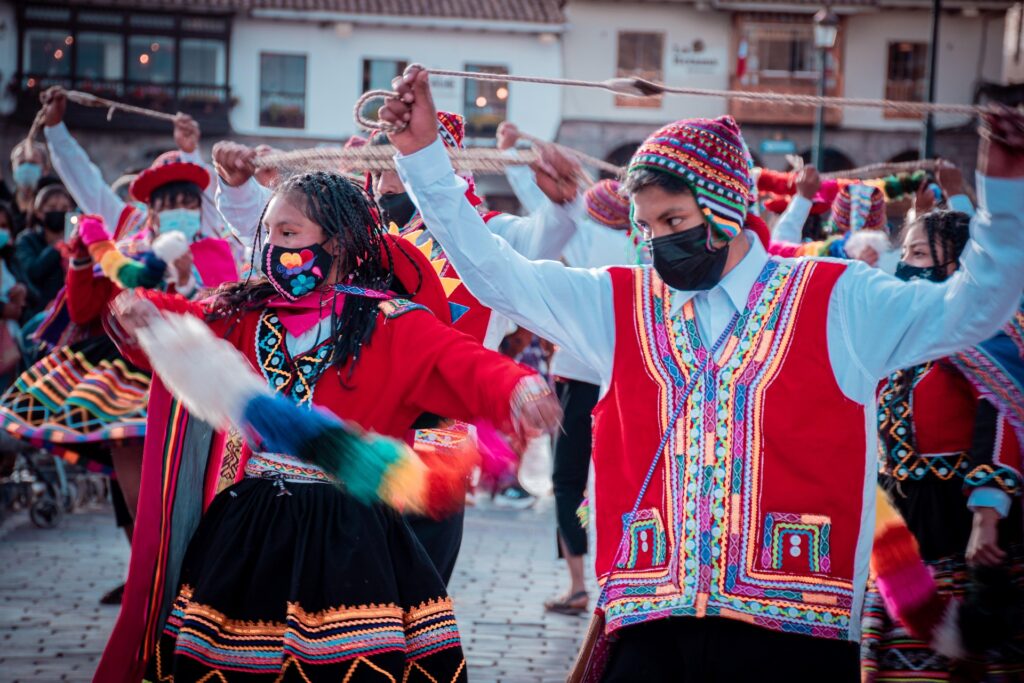
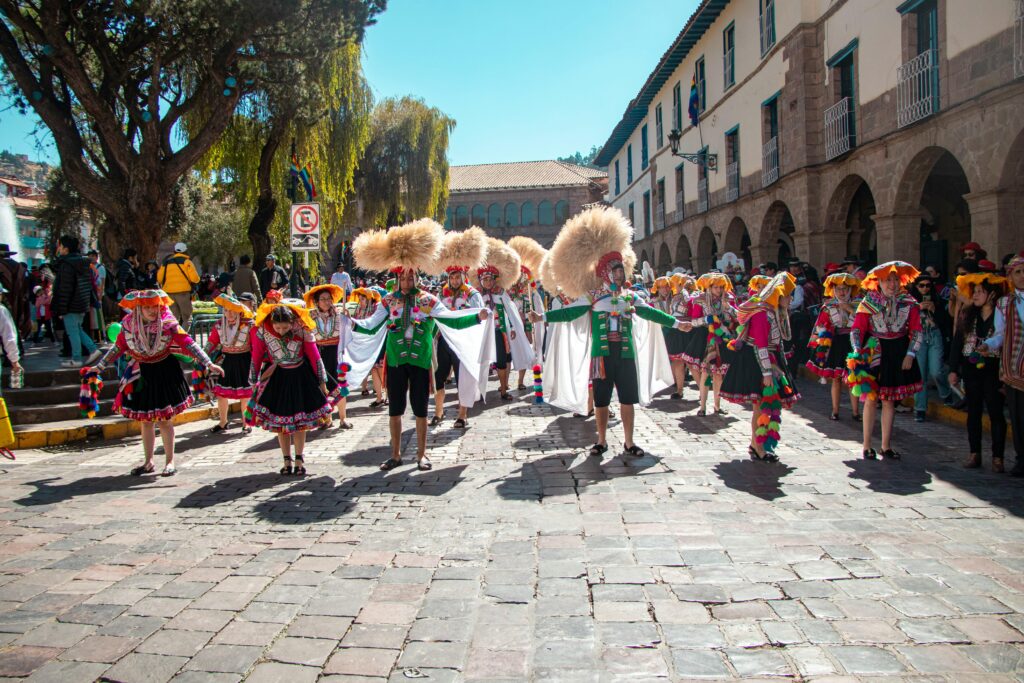
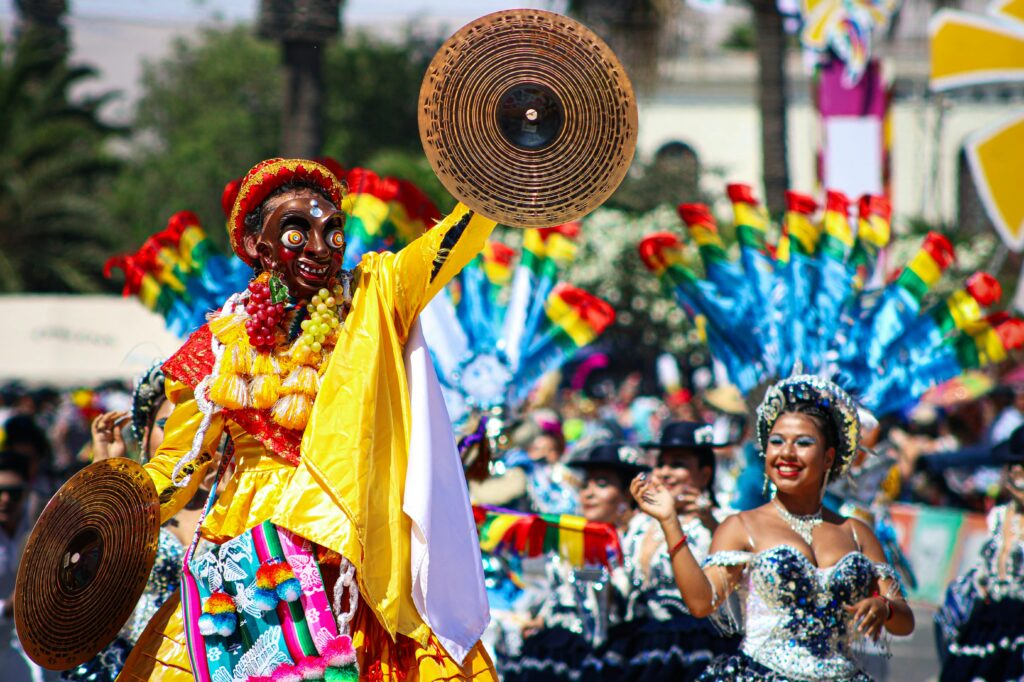
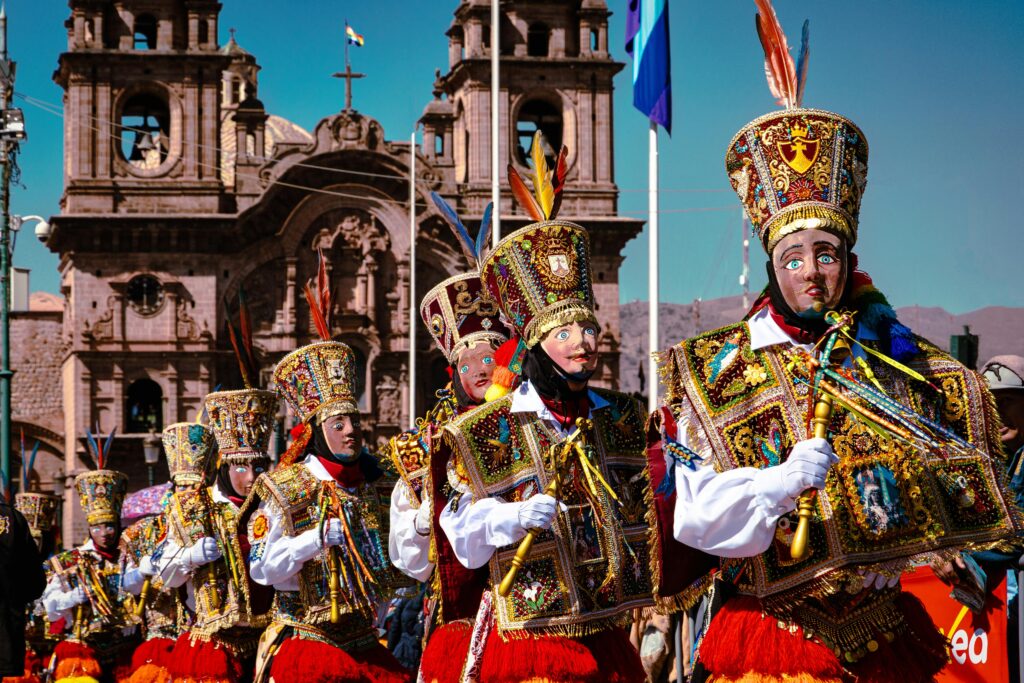
Today, Inti Raymi lives on as a massive cultural triumph. Over 500 actors, dancers, and musicians dressed in stunning, historically accurate royal attire gather to reenact this breathtaking theatrical masterpiece across the historic heart of Cusco.
Who Was Inti and Why Is He the Heart of Inca Culture?
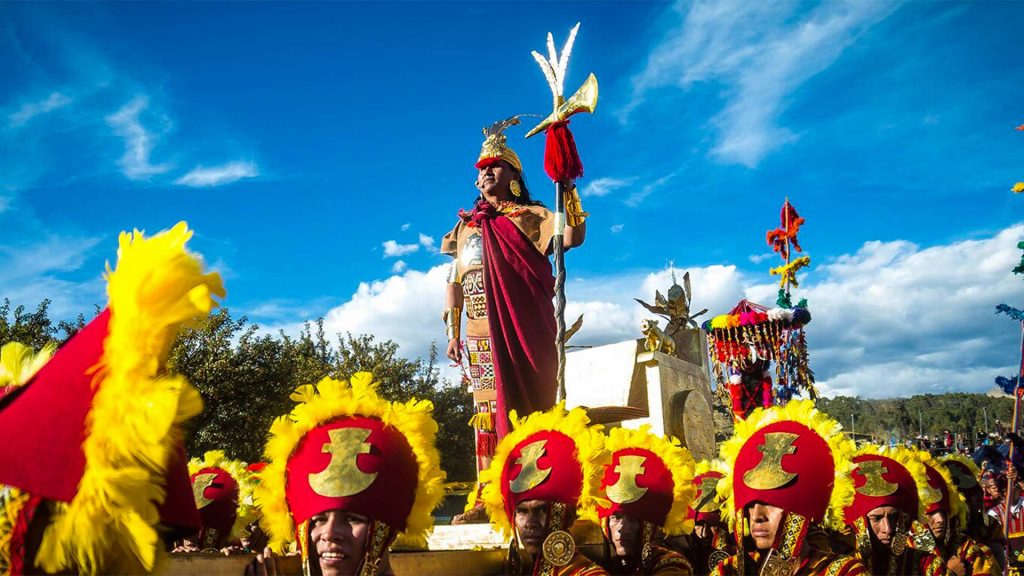
To truly appreciate the festival, it helps to understand the sacred world of the Incas. Inti is the ultimate deity in the Inca pantheon. Representing the sun, he is the supreme giver of light, warmth, and life. Inca emperors believed they were the direct, living descendants of Inti, which gave them their divine right to rule.
The Incas deeply revered the natural world, constructing a complex spiritual universe around several key deities:
- Mama Quilla: The Moon Goddess and wife of Inti, who regulated the calendar and sat as the protector of women.
- Pachamama: Mother Earth, the sacred provider who demanded deep respect to guarantee fertile soil and bountiful harvests.
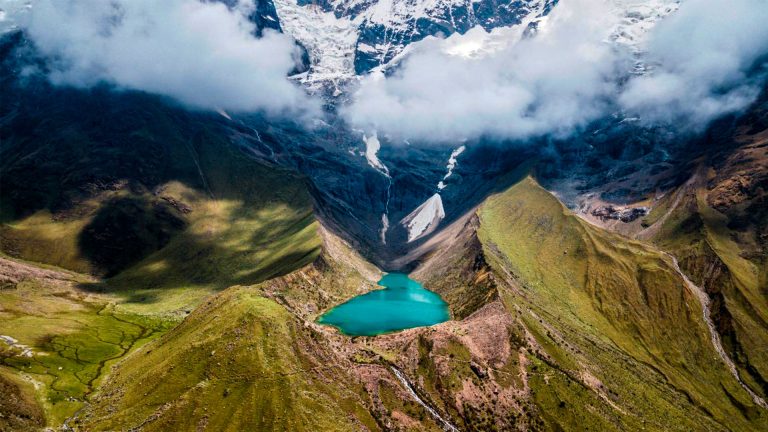
- The Apus: The powerful spirits residing inside the towering mountain peaks surrounding Cusco, acting as guardians over the valleys below.
The Power of Sacred Offerings
Keeping these powerful spiritual forces happy was absolutely essential for survival. To show gratitude and request safe passage, the Incas made sacred offerings. The most enduring of these traditions is the k’intu, which consists of three perfect coca leaves fanned out between your fingers.
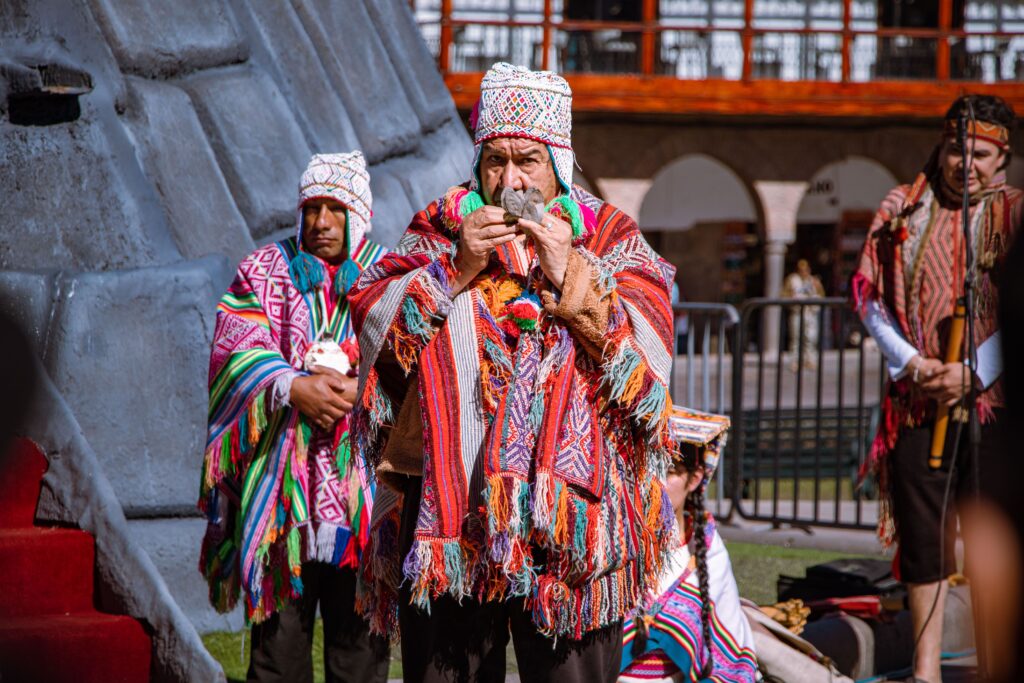
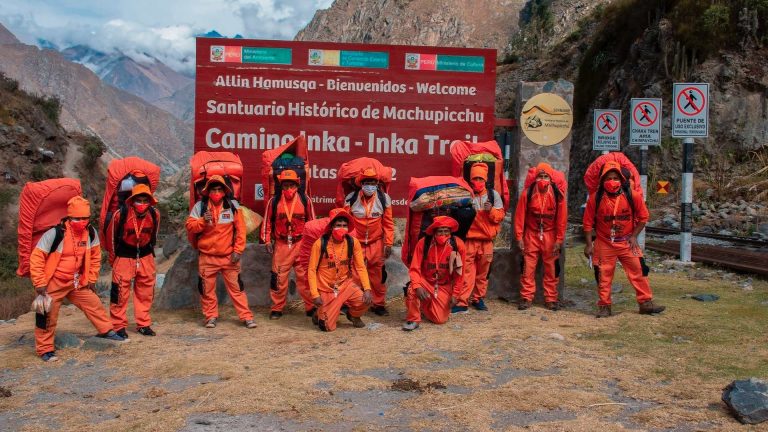
Even today, when you go trekking through the Andes, it is customary to present a k’intu to the local Apus or build a small, intentional stack of sacred trail stones (apachetas) to show respect and ensure a safe, prosperous journey. Inti Raymi is simply this beautiful spirit of gratitude, amplified on a grand, imperial scale!
The Three Sacred Stages of the Celebration
The Inti Raymi festival is not confined to a single theater. Instead, it plays out as an epic, chronological journey across three of Cusco’s most architecturally significant archaeological venues.
An amazing piece of local history is that the Incas originally designed the city of Cusco in the literal shape of a sacred Puma. The layout of the modern festival traces this ancient anatomy, moving directly from the puma’s heart and belly button up to its mighty stone head.
Act 1: The Golden Temple of Qoricancha (The Belly Button)
- Time: 09:00 AM (Lasts roughly 45 minutes)
- The Experience: The festival kicks off at the grand Temple of the Sun, known as Qoricancha. The Sapa Inca (Inca Emperor) makes a dramatic appearance in the golden gardens to deliver his opening address, offering greetings to the sun and invoking sacred blessings.
- How to Watch: This stage is completely free to the public! Crowds gather along Avenida El Sol early in the morning to secure a clear view of the temple walls.
Act 2: The Plaza de Armas (The Heart of Cusco)
- Time: 11:00 AM (Lasts roughly one hour)
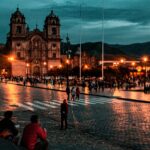
- The Experience: Next, the colorful royal procession marches into Cusco’s main square, known in ancient times as Haukaypata. The square is cordoned off as the Emperor is carried high on an ornate golden litter by his loyal subjects. Here, he conducts the traditional Coca Leaf Ceremony and meets with the modern Mayor of Cusco, metaphorically uniting the glorious past with the present day.
- How to Watch: Watching from the plaza floor is free but incredibly tightly packed. Many smart travelers opt to reserve restaurant or cafe balconies overlooking the square weeks in advance for a relaxed, bird’s-eye view of the performance.
Act 3: The Fortress of Sacsayhuamán (The Head of the Puma)
- Time: 1:30 PM (Lasts roughly two hours)
- The Experience: The grand finale takes place on the vast Chuquipampa esplanade within the colossal, megalithic complex of Sacsayhuamán. Representing the fierce head of the puma, this massive fortress hosts the central dramatic rituals. Amidst resonant ancestral music, booming drums, and vibrant traditional choreography from the four corners of the empire (Suyu), the Emperor receives reports from his generals and conducts a symbolic sacrifice to secure a prosperous new year.
- How to Watch: This is the main ticketed event of the festival, featuring large, comfortable grandstands erected around the main field.
How to Buy Tickets and Plan Your Inti Raymi Experience
Because June is peak travel season in Peru, planning your itinerary around Inti Raymi requires a bit of strategy.
While the morning events at Qoricancha and the Plaza de Armas are entirely open and free to the public, entering the main festival grounds at Sacsayhuamán requires an official grandstand entry ticket.
Grandstand Seating Choices at Sacsayhuamán
There are three main premium seating zones constructed on the esplanade:
- The Orange Stand (Central): Offers the absolute best direct views of the Emperor’s central stage and primary performances. This is the premium option.
- The Red and Blue Stands (Sides): Positioned on either side of the field, these grandstands offer fantastic vantage points and an equally immersive audio-visual experience.
Depending on the specific zone you select, official tickets generally range from $180 to $240 USD. Children under the age of 12 receive special discounted rates.