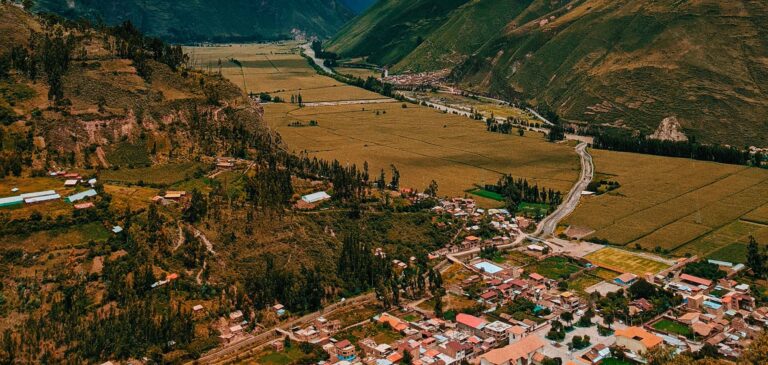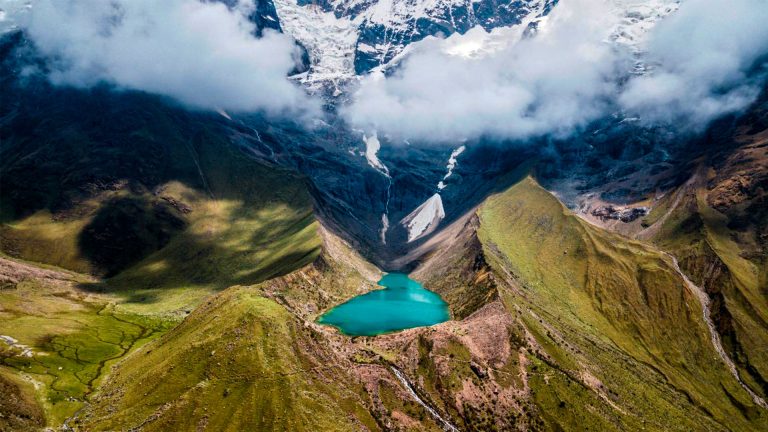




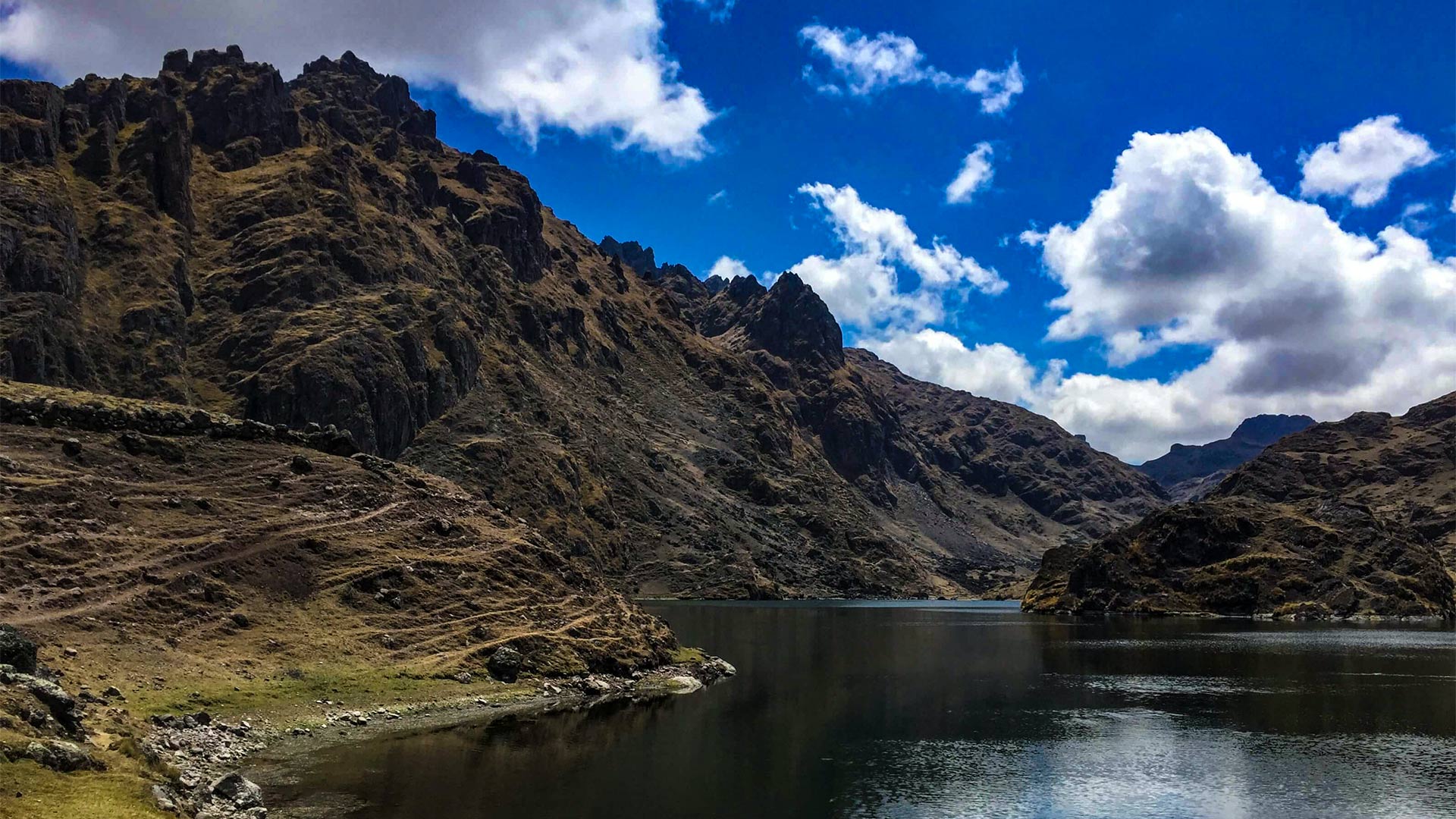
Discover one of the finest off-the-beaten-path day hikes in the Sacred Valley. Located a mere 45 minutes from Pisac, this hidden gem features a peaceful 5.8-kilometer round-trip trail where you can experience the stunning scenery of the high Andes in near-total solitude. If you want to bypass the typical tourist crowds around Cusco, Kinsa Cocha offers the perfect independent wilderness retreat.
Understanding the Three Lakes
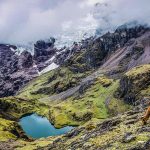
The name Kinsa Cocha means “Three Lakes” in the native Quechua language. The trail introduces you to a trio of distinct, high-altitude bodies of water nestled deep within the mountain landscape. The first two lakes sit close together, connected by a scenic walking path that loops gracefully around their banks. For the best experience, take the path to the left to tour these initial lakes. The trail to the third and most dramatic lake, Laguna Azul, splits off smoothly near the edge of the first lake.
Local Insight This quiet valley serves as an active alpine pasture. You will share your walk with large herds of alpacas and llamas grazing freely along the wetlands, offering incredible close-up views of these iconic animals in their natural environment.
Solo Logistics from Cusco and Pisac
Because this remains an authentic, uncommercialized destination, standard group tours do not routinely run here. Most travelers choose to navigate the route independently. Reaching the remote trailhead is a straightforward journey requiring two quick steps.
Catching a Colectivo to Pisac
To start, make your way to Calle Puputi in Cusco and board a shared local bus bound for Pisac. These local colectivos depart frequently throughout the morning, costing roughly 5 soles per passenger. The drive down through the mountains into the Sacred Valley takes about one hour.
Securing a Private Driver from Pisac
Once you step off the bus in Pisac, you will need to hire a private taxi to reach the trailhead. A little basic Spanish goes a long way here. You must clearly explain your destination to the driver and explicitly request that they wait for you at the trailhead to bring you back down.
Taxis are easy to spot along the main street of Pisac. A standard round-trip fare usually runs around 150 soles depending on your negotiation. While it requires an investment, your driver will be waiting patiently at the mountain pass for 3 to 5 hours while you complete the loop, providing you with a hassle-free return ride. The steep drive up to the Kinsa Cocha valley takes about 45 minutes.
The Route to Laguna Azul
You can customize your journey to the final lake based on your personal fitness levels and timeline.
Reaching the Overlook on Foot
Choosing to hike to Laguna Azul adds a short but demanding uphill climb to your day. This section is easily the most physically intense part of the trek, so remember to pace your breathing and sip water frequently. Follow the clear fork at the first lake to head up the ridge. Once you conquer the crest, you will gain panoramic views of the entire valley and the pristine waters of the third lake below before descending directly to the shoreline.
Taking the Mountain Road by Vehicle
If you prefer an easier walk, your taxi driver can navigate a winding dirt road around the hillside to drop you off right next to Laguna Azul in about 10 minutes.
Important Transport Note If you prefer to drive to the final lake, you must negotiate this extra driving portion with your taxi chauffeur in Pisac before leaving the town. Bringing it up after you already arrive at the trailhead often results in steep price increases.
Choosing Between Private Guides and Solo Treks
While a handful of local operators promote guided excursions to Kinsa Cocha, they are relatively rare. The lack of standard industry pricing for this specific valley means independent travelers risk being overcharged by random street agencies. If you want to skip the logistics of negotiating with drivers yourself, arranging a private day trip through a trusted agency like Orange Nation guarantees smooth, reliable transport and an experienced local companion.
Local Community Fees
Travel reports regarding entry fees can vary. Some hikers encounter local indigenous landowners managing the territory who request a small conservation fee of 3 to 5 soles. Other travelers report walking through without seeing anyone. Always carry loose coins just in case, though your single major expense for the day remains the private transport from Pisac.
Expected Journey Timeline
This trip easily fills a rewarding full-day itinerary. You do not need to wake up before dawn like you would for major mountain expeditions, but setting off from Cusco between 7:00 AM and 8:00 AM ensures a relaxed pace.
- Cusco to Pisac via Colectivo 45 minutes
- Pisac to Kinsa Cocha via Taxi 45 minutes
- Exploring the Main Two Lakes 3 to 4 hours
- Side Trip to Laguna Azul 45 minutes round trip
- Trailhead Return to Pisac 45 minutes
- Pisac Return to Cusco 45 minutes
Travel Tip After your trek, ask your driver to drop you off near the famous Pisac Artisan Market. The lively afternoon atmosphere is perfect for wandering through rows of vibrant textiles and picking up authentic handmade souvenirs.
Altitude Safety and Trail Difficulty
The main lakeside loop is primarily flat and yields an easy walking experience. The optional extension up to Laguna Azul elevates the difficulty to a moderate rating due to the sudden incline.
Outside of that single hill climb, your main opponent is the thin air. Even though Kinsa Cocha is lower than extreme locations like Rainbow Mountain, you are still walking at a high altitude of 13,125 feet (well over 4,000 meters) above sea level. It is vital to spend at least two to three days adapting to the elevation in Cusco or the Sacred Valley before attempting this hike. Move with steady, measured steps and consider sipping hot coca tea to help your body adjust seamlessly.
Essential Gear for the High Andes
A well-prepared daypack ensures a comfortable mountain experience. We highly recommend carrying these items along the trail:
- Daypack A lightweight, secure backpack to hold your personal layers.
- Hydration A reusable bottle containing 1 to 2 liters of drinking water.
- Sun Defense Quality sunscreen, a wide-brimmed hat, and polarized sunglasses to combat the intense high-altitude UV rays.
- Warm Insulation A thick fleece or down jacket to stay warm when mountain winds pick up.
- Rain Protection A reliable waterproof jacket or sturdy poncho to handle unpredictable Andean weather changes.
- Trail Fuel Nutritious snacks or a light packed lunch to enjoy along the shoreline.
- Local Cash Small denominations of Peruvian Soles to seamlessly pay your colectivo, taxi driver, community fees, and market vendors.