



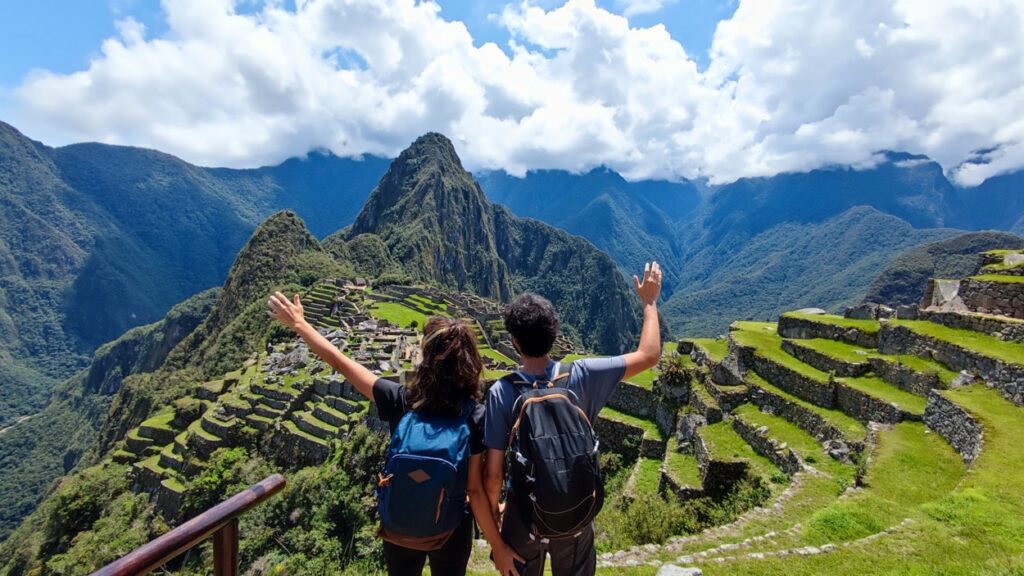
Official Inca Trail Permits & Availability 2027 Secure Your Trek to Machu Picchu
The classic Inca Trail to Machu Picchu is universally recognized as one of the world’s most spectacular trekking experiences. Because this ancient pathway crosses delicate high-altitude ecosystems and protected archaeological sites, the Peruvian government strictly regulates foot traffic to preserve its structural and natural integrity.
To protect this historic route, only 500 trekking permits are issued per day.
A common misconception among travelers is that these 500 spots are reserved entirely for tourists. In reality, every single person stepping onto the trail requires a permit, including licensed guides, professional camp chefs, and indigenous porters.
Because a standard trekking group requires a substantial support crew, roughly two-thirds of any given day’s permits are allocated to staff. That leaves only about 150 to 200 permits daily for travelers worldwide. Consequently, securing your spot requires strategic planning.
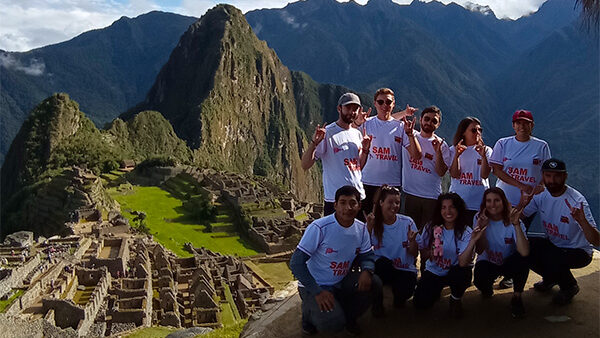

When is the Best Time to Hike the Inca Trail?
The Peruvian Andes experience two distinct seasons, dry and rainy so choosing the right window completely reshapes your trekking experience.
- The Dry Season (April–October): This is the peak window for trekking. Days are generally clear, crisp, and sunny, offering flawless panoramic views of the mountain peaks. However, demand skyrockets during these months. Permits for May, June, and July regularly sell out within hours of being released. If you plan to trek during this window, you must book at least 6 months in advance.
- The Rainy Season (November–March): The landscape transforms into a vibrant, lush green, and the trail is significantly less crowded. While you will encounter rain, the mystique of seeing Incan ruins emerging from swirling cloud forests is unmatched. You should aim to book 4 to 6 months ahead for this period.
Critical Maintenance Closure: The entire Inca Trail network, including the 1-day, 2-day, 4-day, 5-day, and 7-day itineraries, is completely closed for the entire month of February. During this time, conservation crews and responsible operators work together to restore stone paths, repair suspension bridges, and upgrade campsite facilities.
Step-by-Step: How to Secure Your Permit
Securing an Inca Trail permit is a legally binding process governed by the Peruvian Ministry of Culture. Because individuals cannot purchase permits directly from the government, you must navigate the booking process through a licensed agency.
Step 1. Verify Calendar Availability:
Review our live availability calendar below to find open dates that align with your travel window. Always keep a couple of backup dates in mind.
Step 2. Coordinate with Our Sales Team:
Reach out to our team via email, phone, or live chat to confirm real-time slot security for your chosen dates before submitting any formal payments.
Step 3. Submit Accurate Passport Details:
Provide the full names, passport numbers, nationalities, and birthdates for every traveler in your party. Every detail must perfectly match your physical passport.
Step 4. Place the Non-Refundable Deposit:
Secure your booking by submitting the mandatory, non-refundable deposit of $211 USD per person. This fee goes immediately toward purchasing your personal permit from the government.
Step 5. Receive Official Confirmation:
Once processed, your operator will purchase the permit directly under your passport number. You will receive an official confirmation voucher, your spot on the trail is now legally secured!
4 Day Classic Inca Trail Availability
Please utilize the official, real-time booking calendar below to check current openings for the iconic 4-day trek.
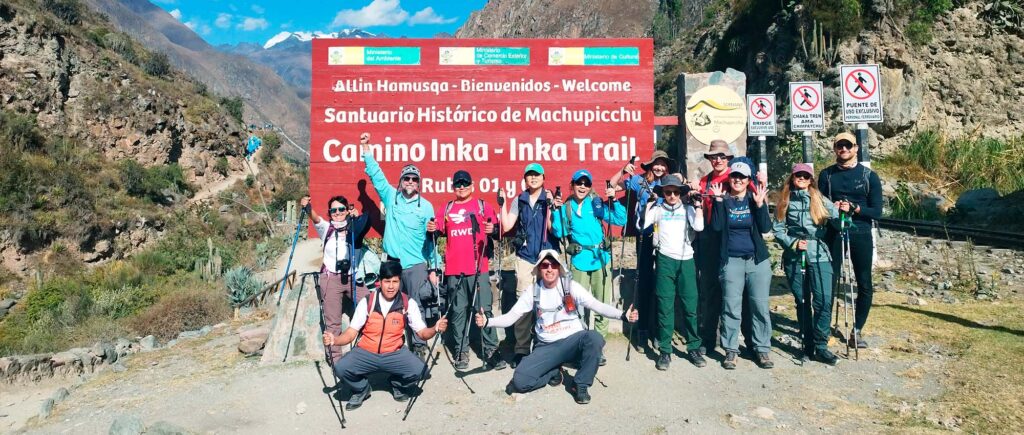
Essential Booking Rules to Remember:
- No Waitlists, No Transfers: Government permits are strictly tied to your passport number. If someone cancels, their permit is permanently voided—it does not return to the public pool, and there is no standby list.
- Passport Accuracy is Absolute: If the information on your permit has even a single digit deviation from the passport you present at the trail checkpoints, rangers will deny you entry. You will forfeit your trek without a refund. If you plan to renew your passport before your trip, book using your current passport and update the document info with your operator later.
Act quickly — spots sell out fast!
No Availability? Top 5 Alternative Treks to Machu Picchu
If your heart is set on a specific date but classic Inca Trail permits are entirely sold out, do not despair. The Cusco region offers world-class alpine and cultural alternatives that do not require restrictive government permits, yet still culminate in a spectacular tour of Machu Picchu.
1. The Short Inca Trail
(2-Day Option)
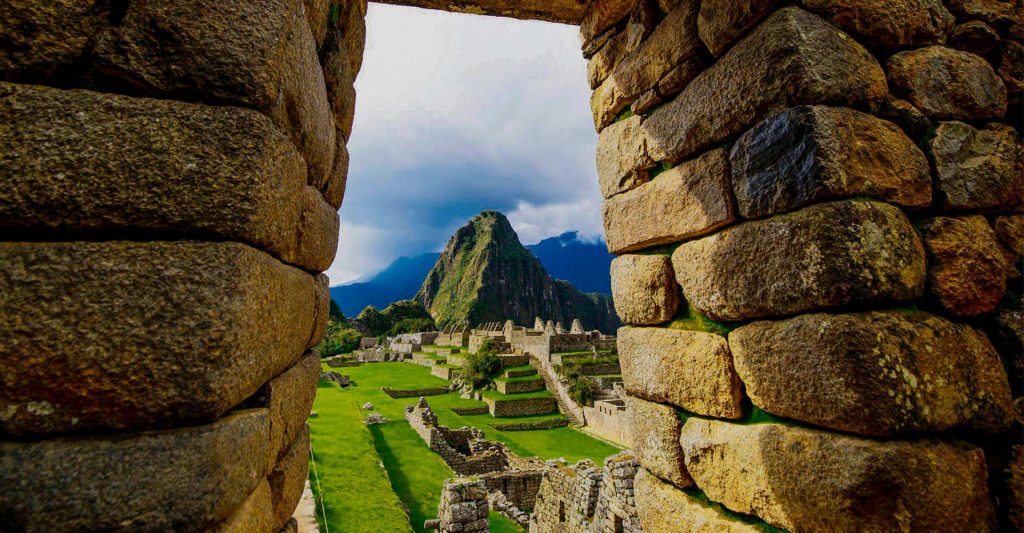
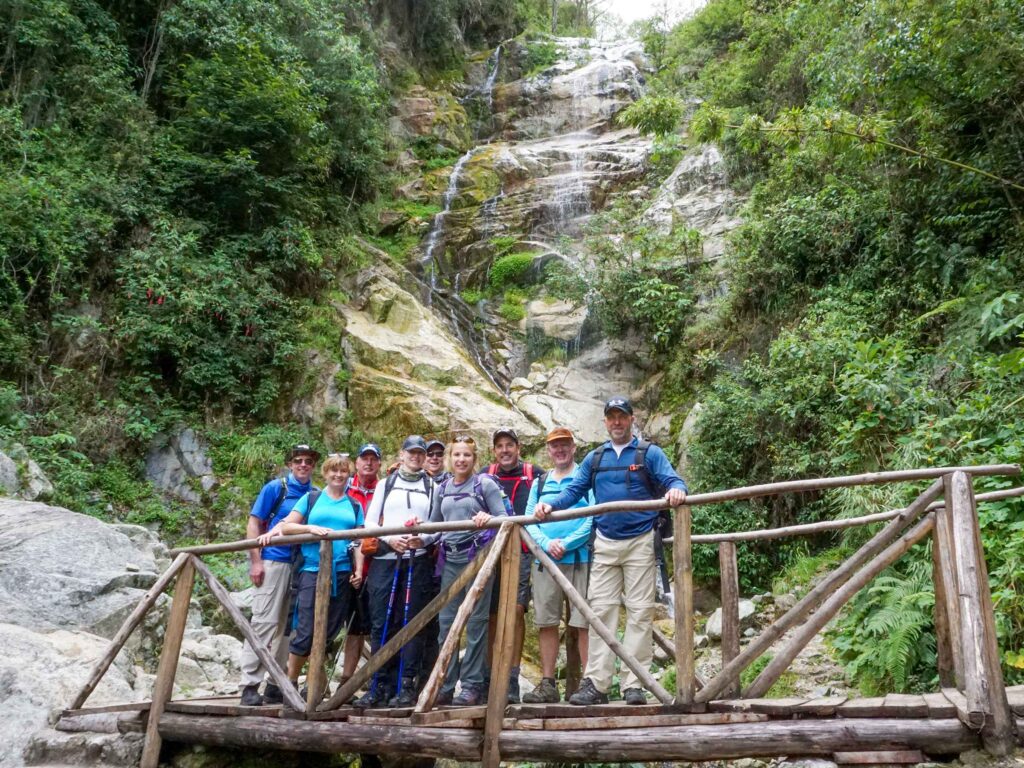
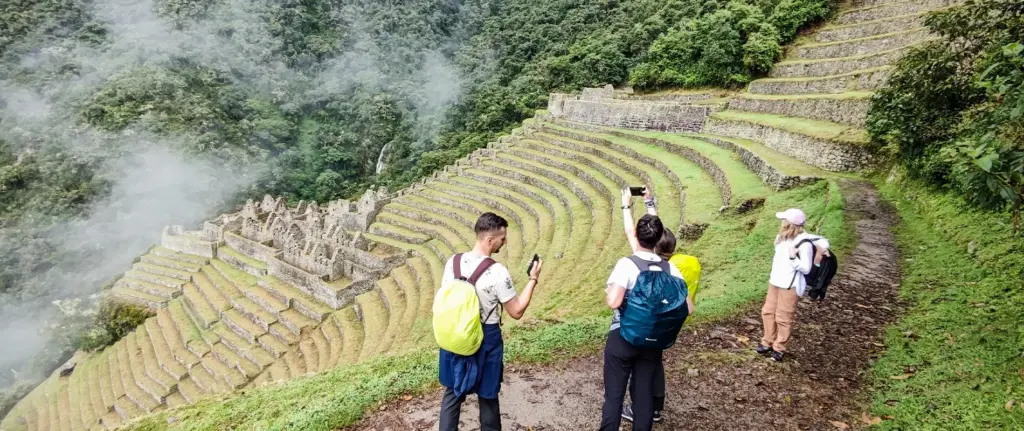
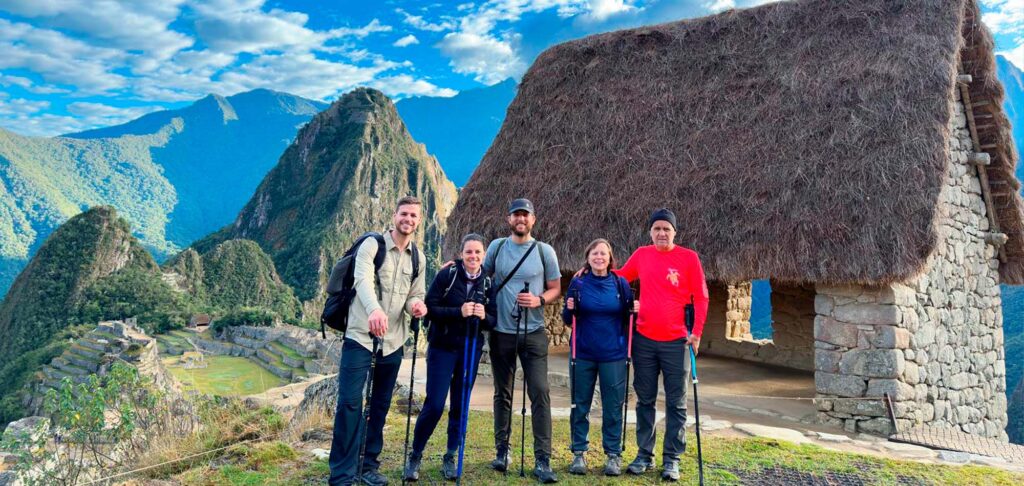
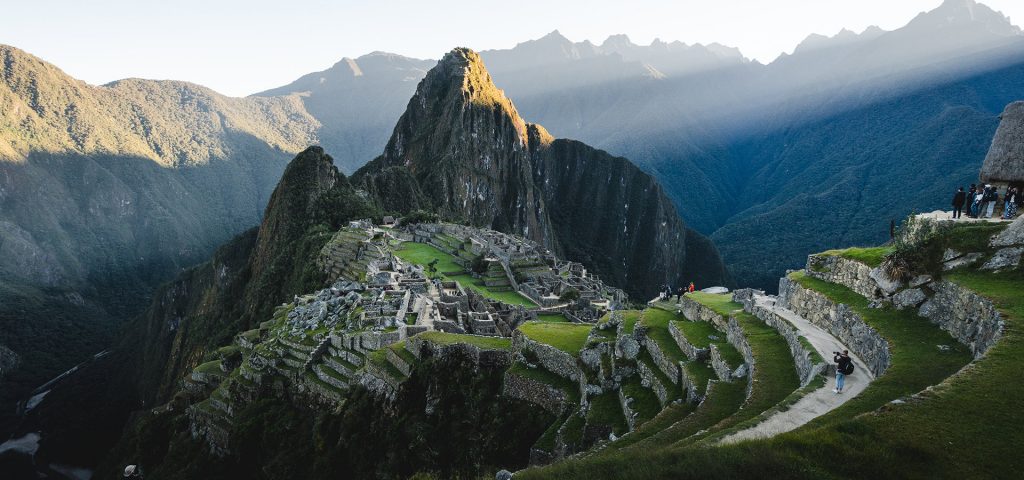
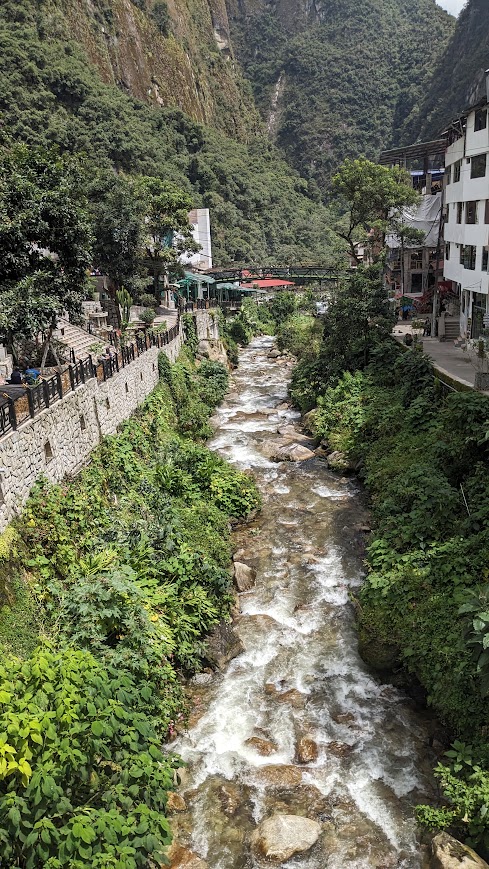
- The Vibe: The ultimate time-saver.
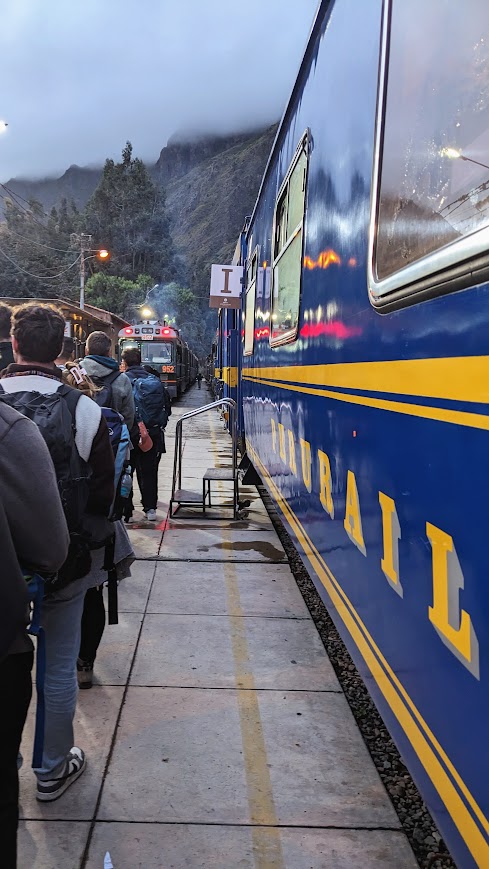
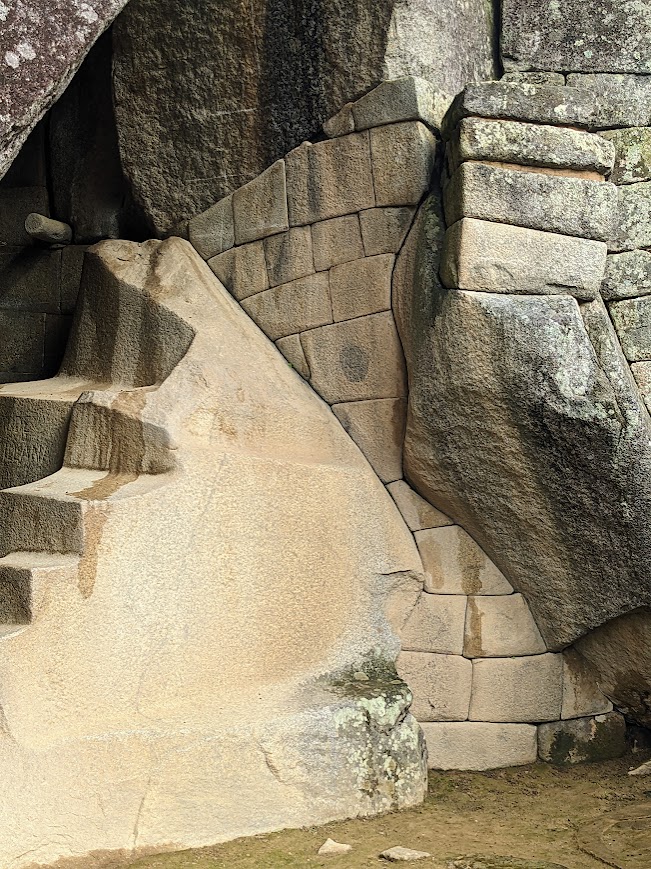
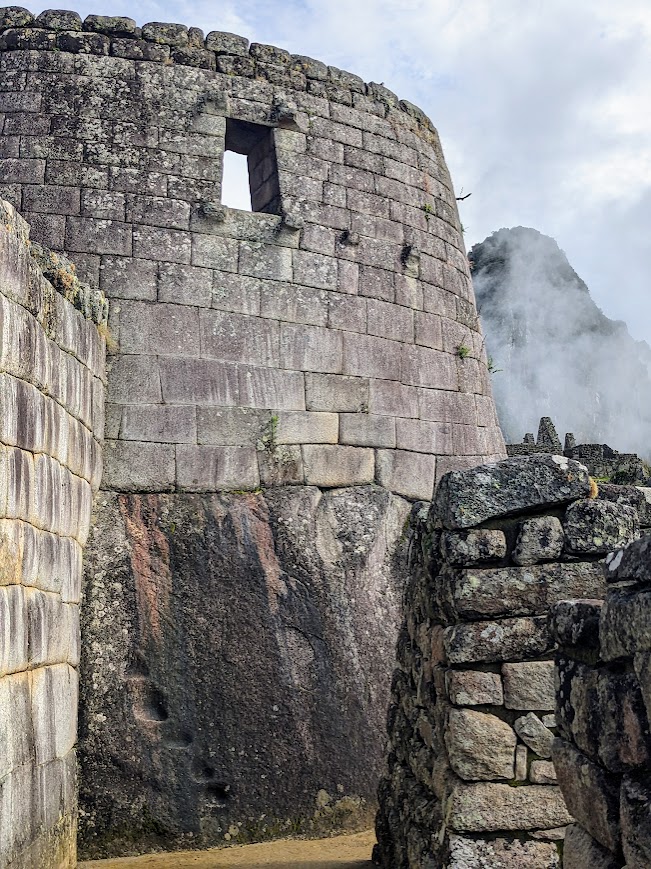
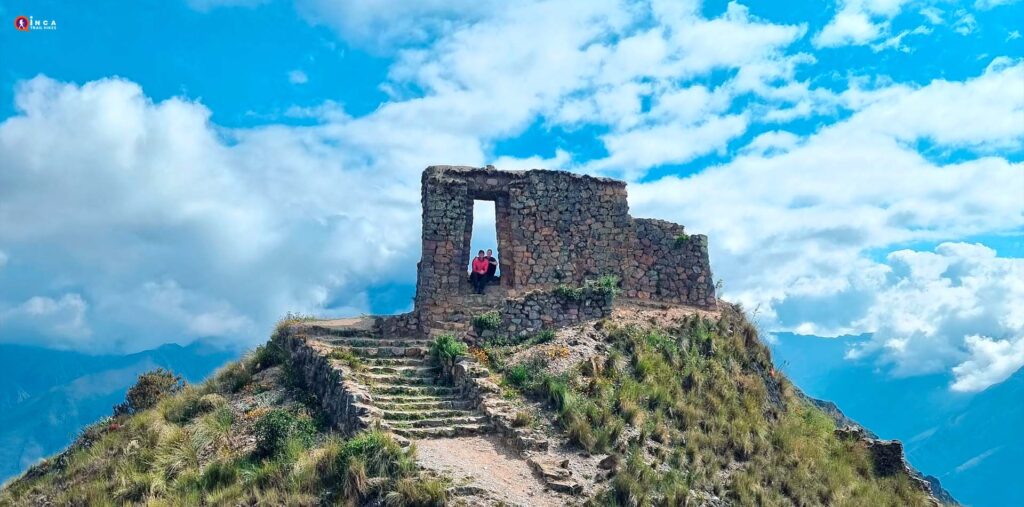
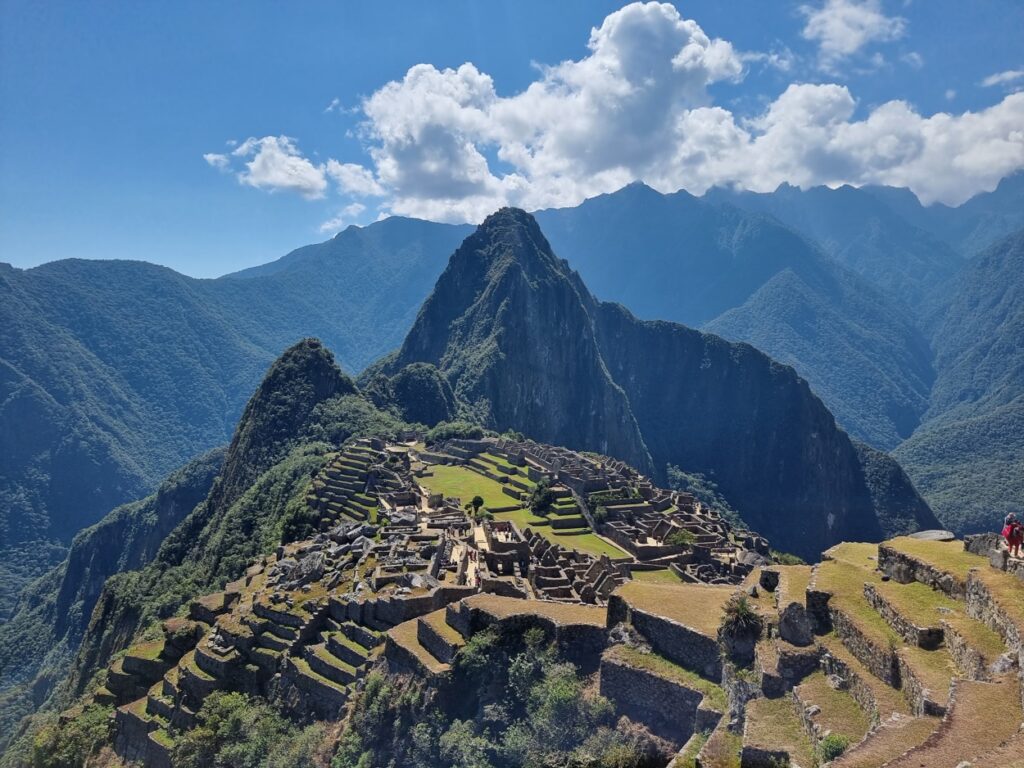
- The Journey: If you lack the time for a 4-day trek, or if classic permits are gone, this 12-kilometer (7.5-mile) hike cuts straight to the best parts. You will scale the beautiful Wiñay Wayna ruins and hike through the famous Sun Gate (Intipunku) to catch your first glimpse of Machu Picchu in the golden afternoon light—all on day one.
2. The Salkantay Trek
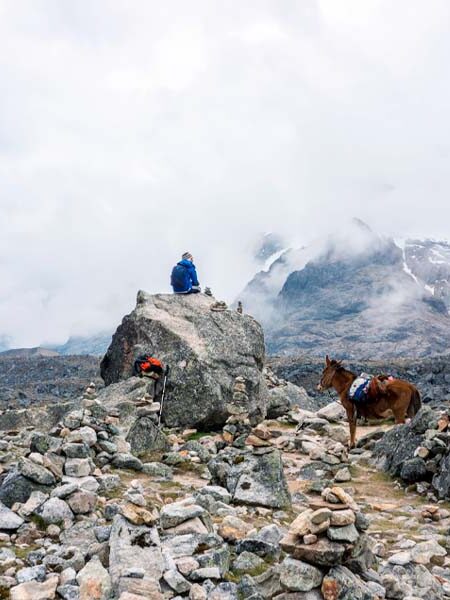
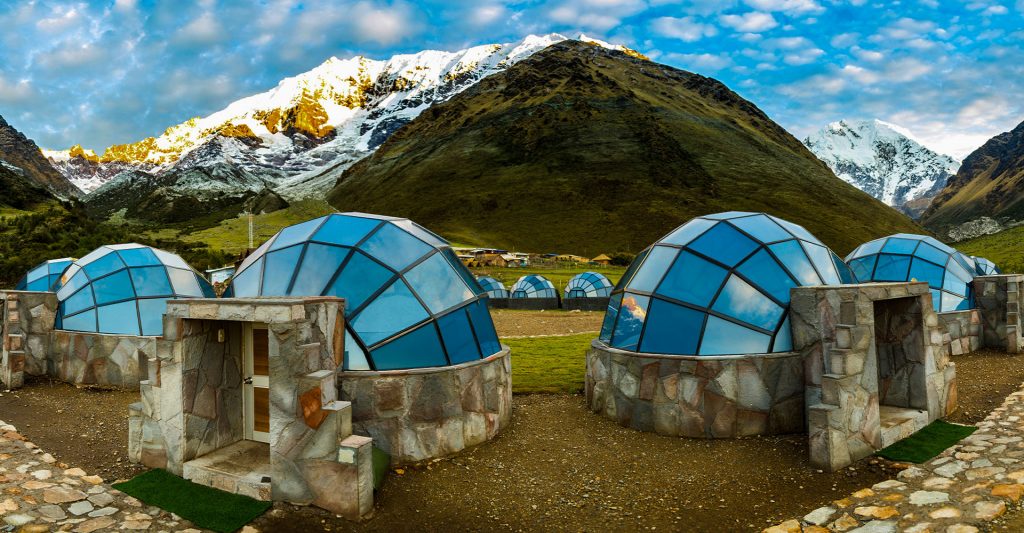
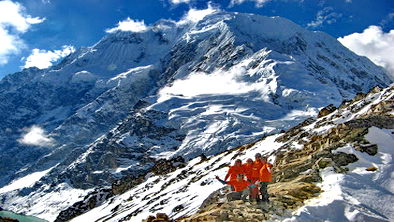
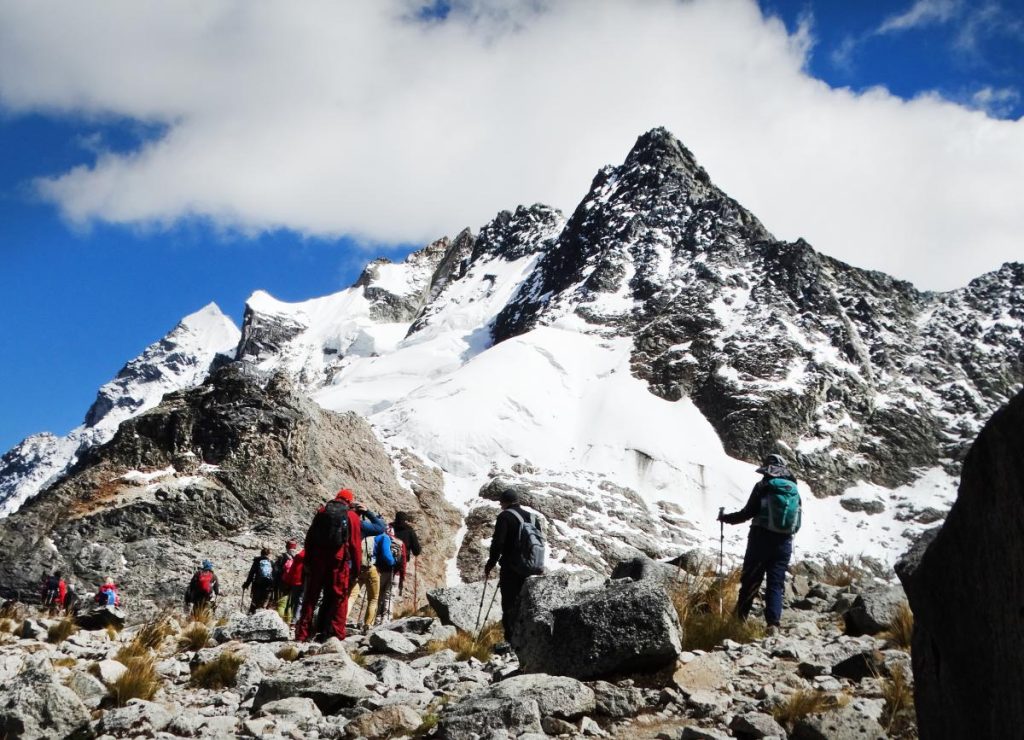

- The Vibe: High-altitude alpine drama.
- The Journey: Consistently ranked among the world’s premier treks by National Geographic, Salkantay is the ultimate alternative for adventure seekers. You will summit glacial passes over 4,600 meters (15,000 feet), trek past neon-blue alpine lakes, and descend into lush, subtropical coffee plantations.
3. The Lares Trek
(3 or 4-Day Option)
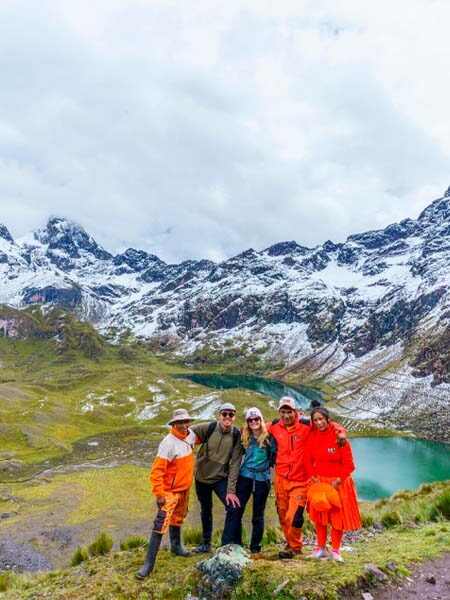
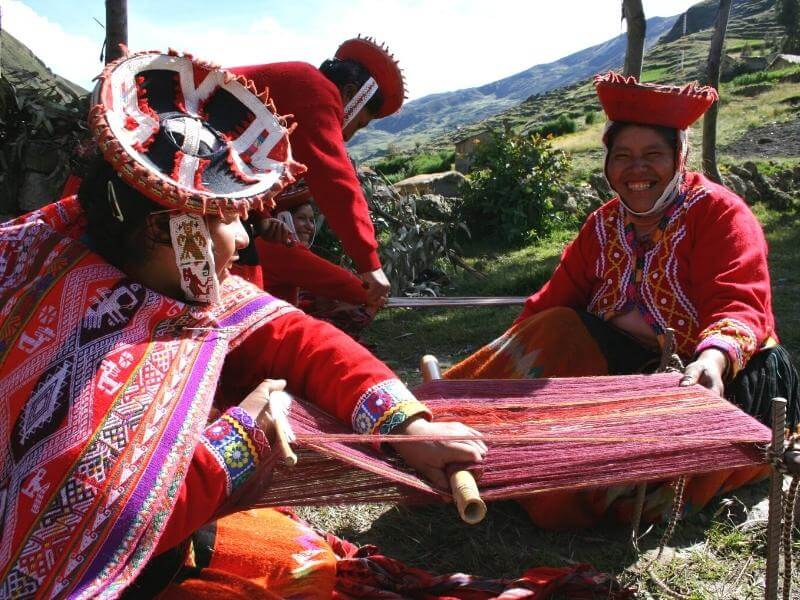
- The Vibe: Deep cultural immersion.
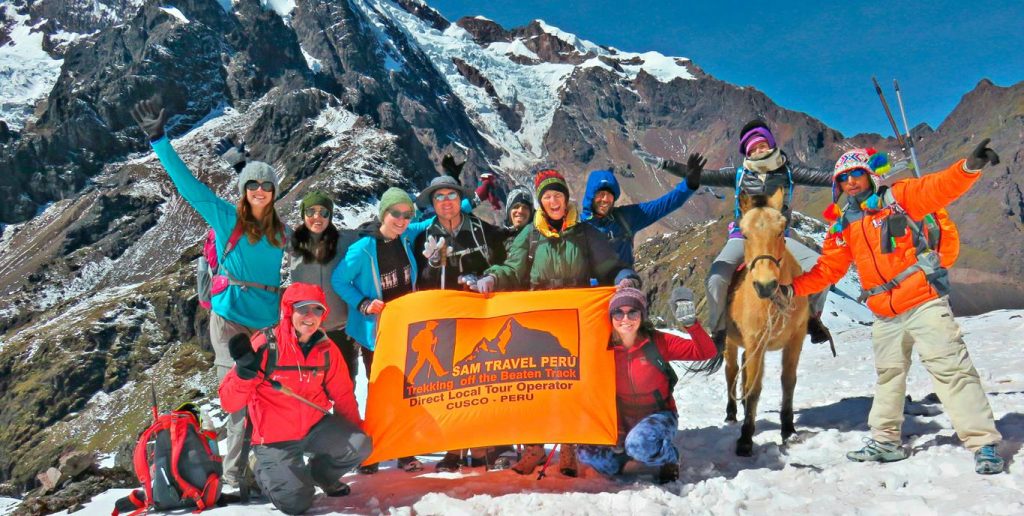
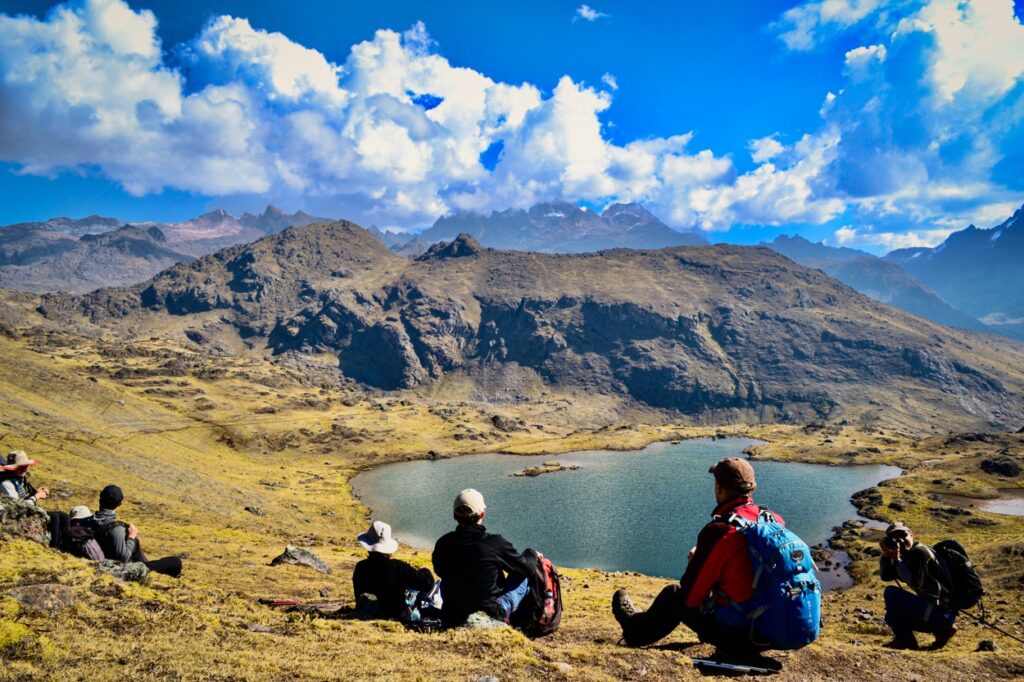
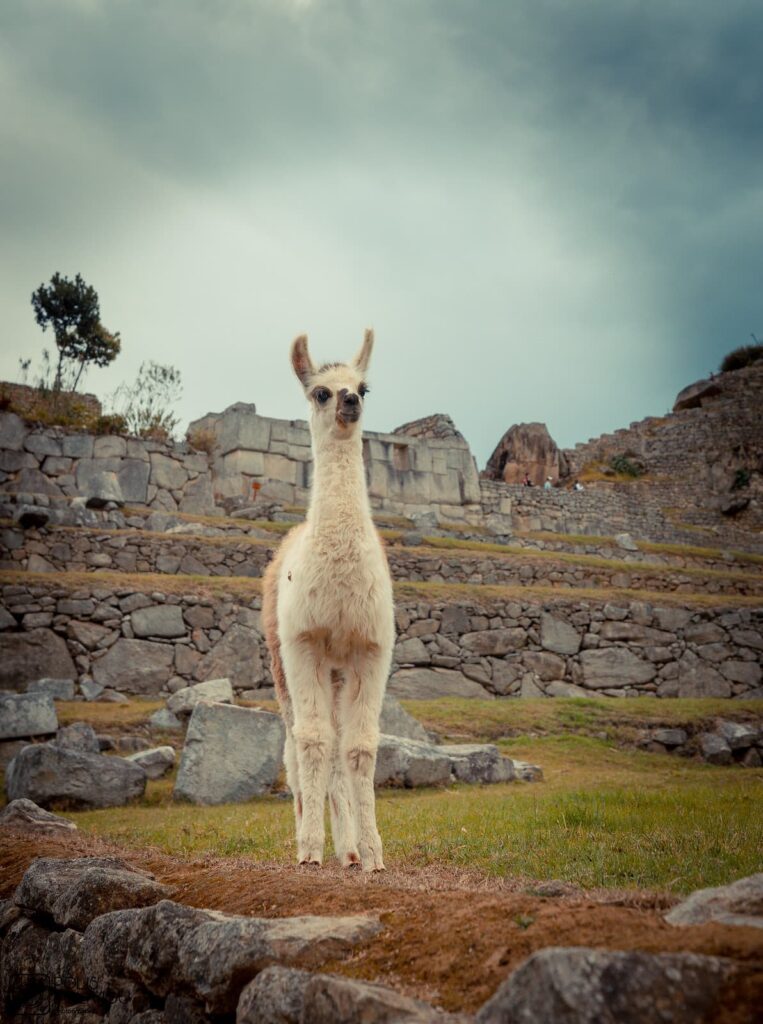
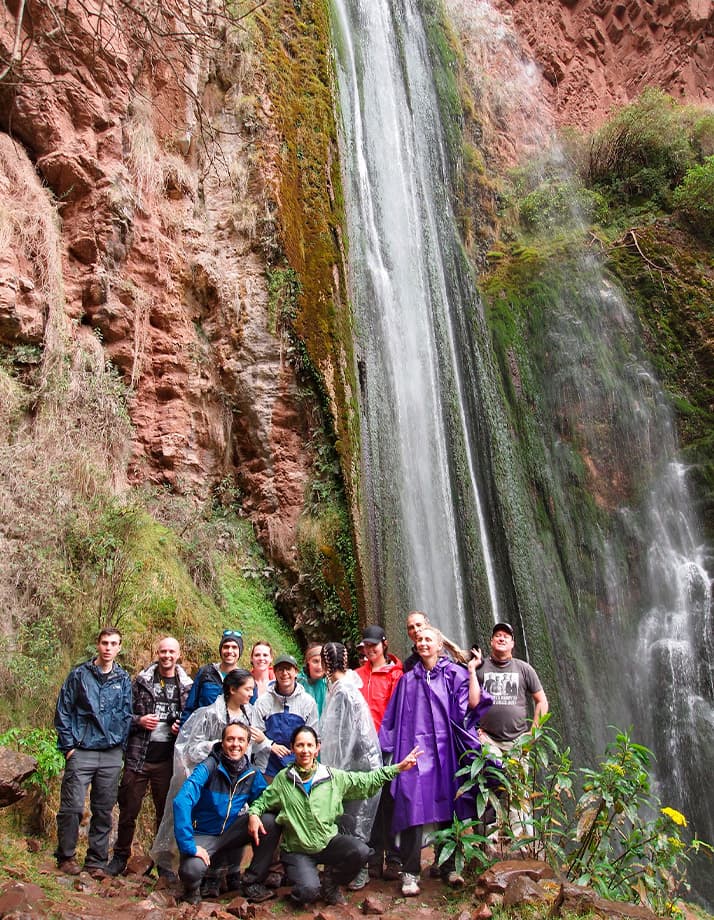
- The Journey: Known as the “Weaver’s Route,” Lares takes you far off the beaten path into remote Andean valleys where locals still dress in traditional crimson ponchos. It is an incredibly intimate peek into traditional farming life, set against a backdrop of pristine waterfalls, roaming alpaca herds, and thermal hot springs.
4. The Inca Quarry Trek
(3 or 4-Day Option)
- The Vibe: Untouched history and complete solitude.
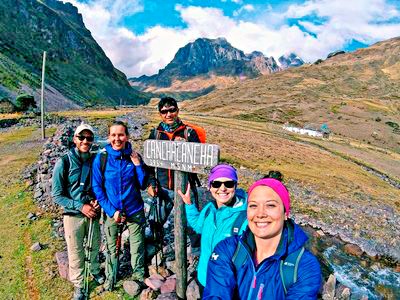
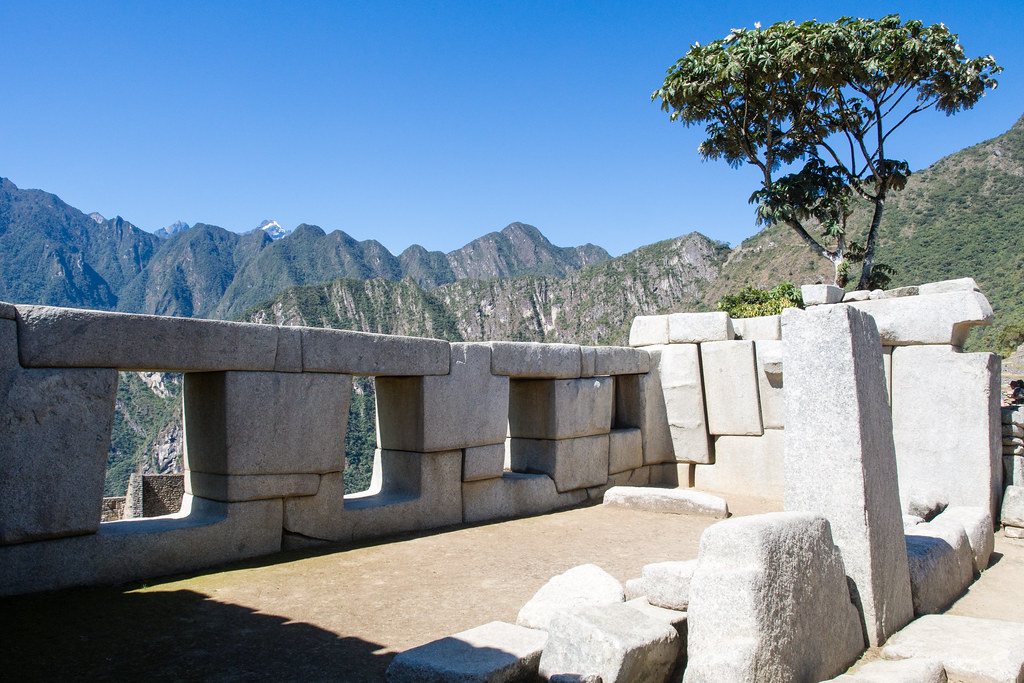
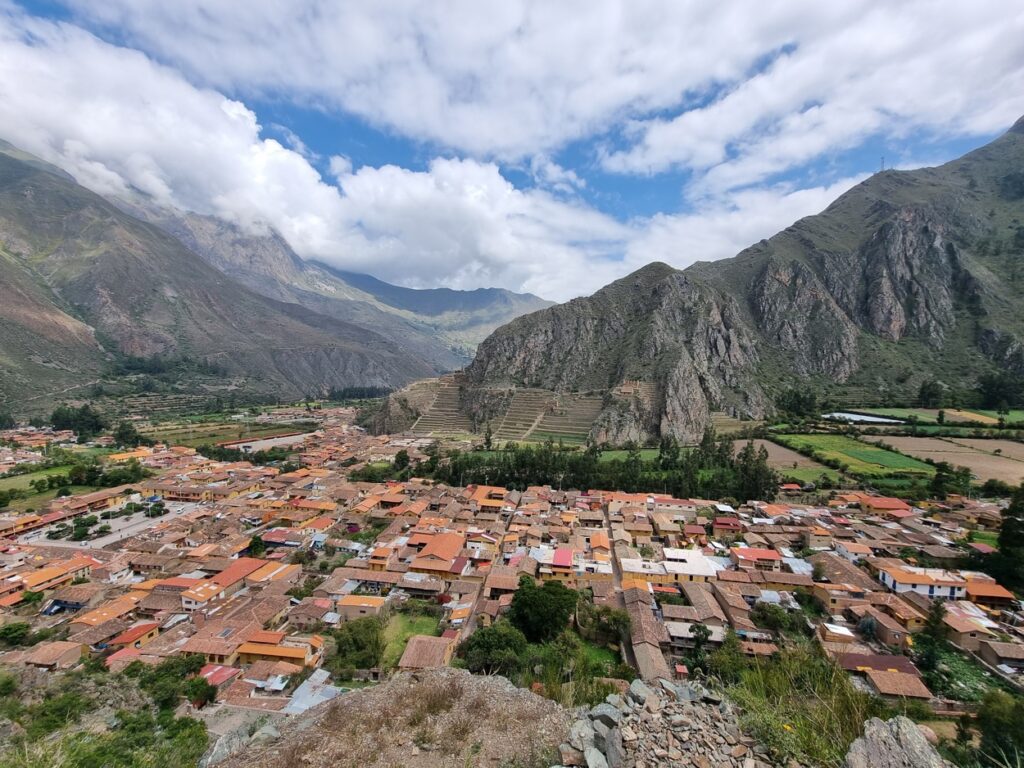
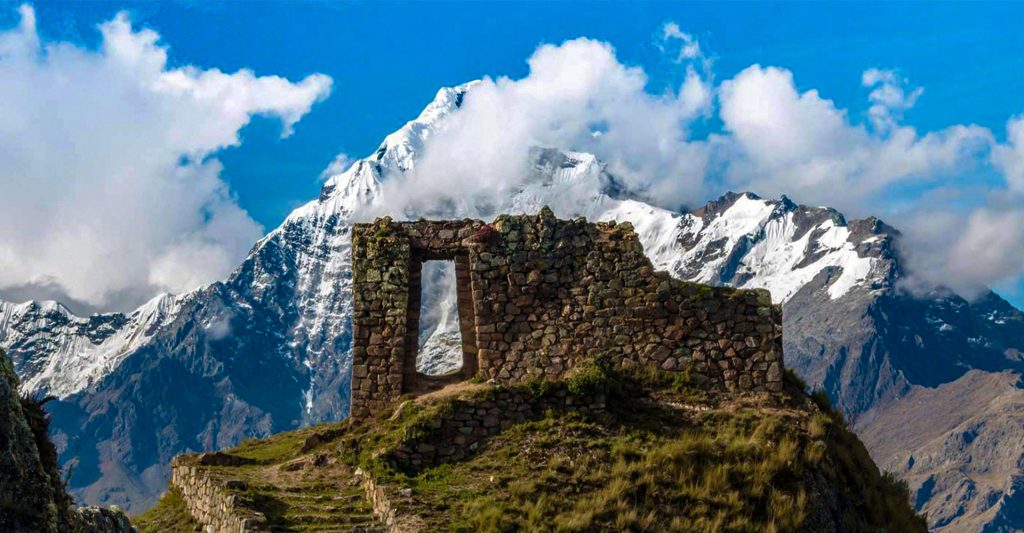
- The Journey: This rare, newly developed path explores the historic Cachiccata quarry, the massive archaeological site where the Incas cut and shaped the multi-ton boulders used to construct Ollantaytambo. It boasts almost zero tourist crowds, magnificent mountain vistas, and pristine ruins.
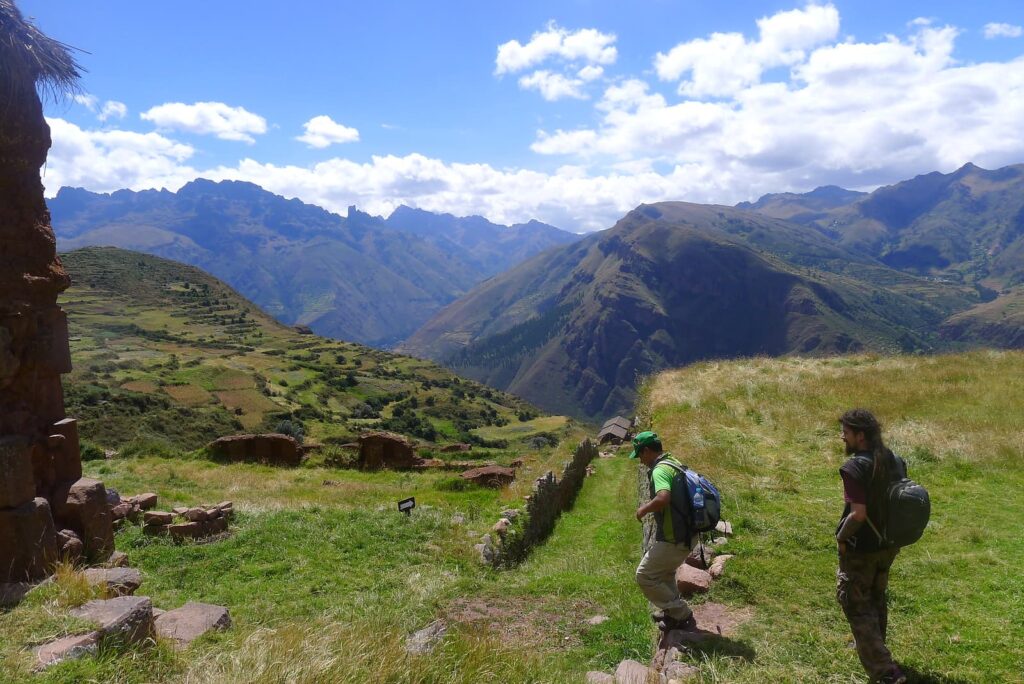
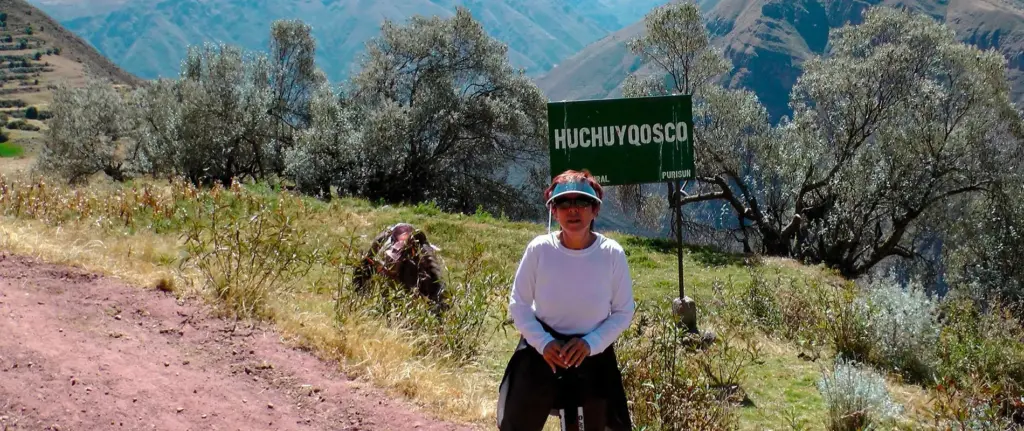
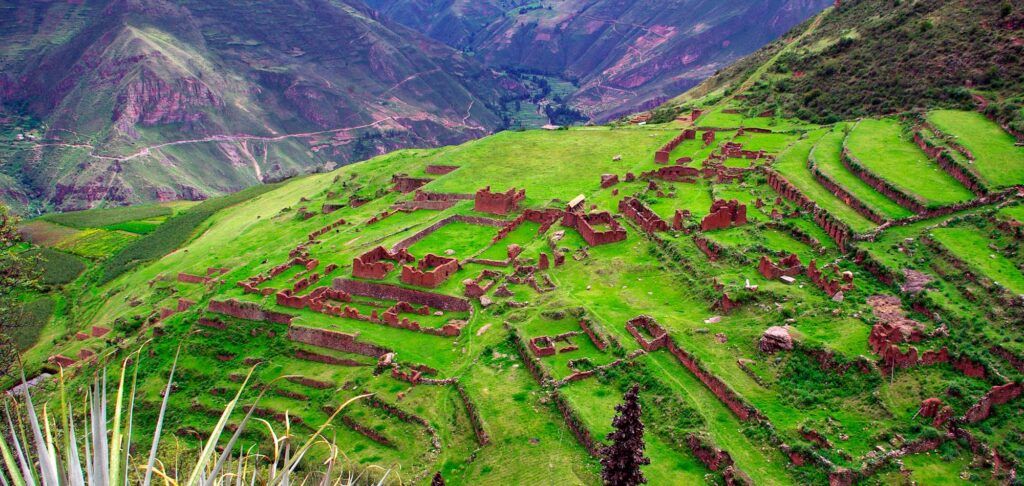
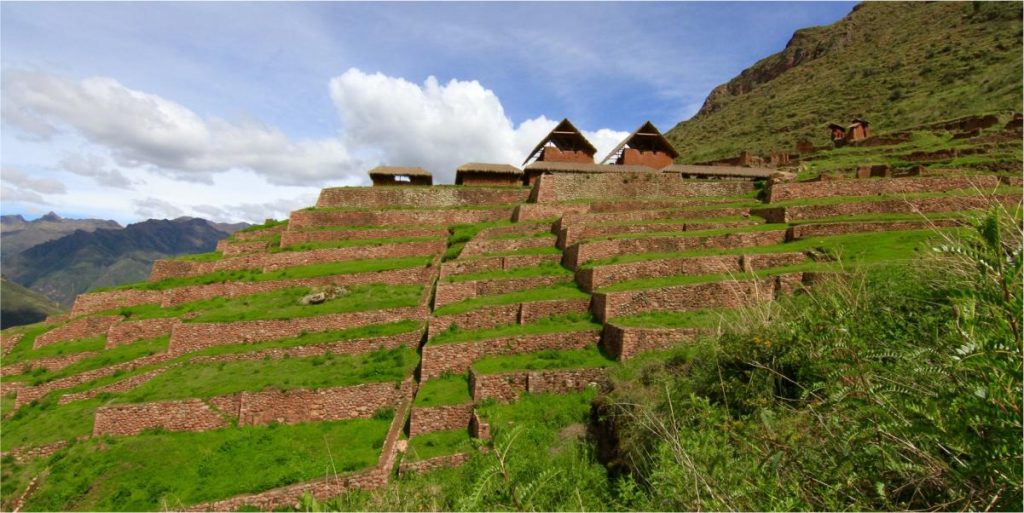
5. The Huchuy Qosqo Trek
(3-Day Option)
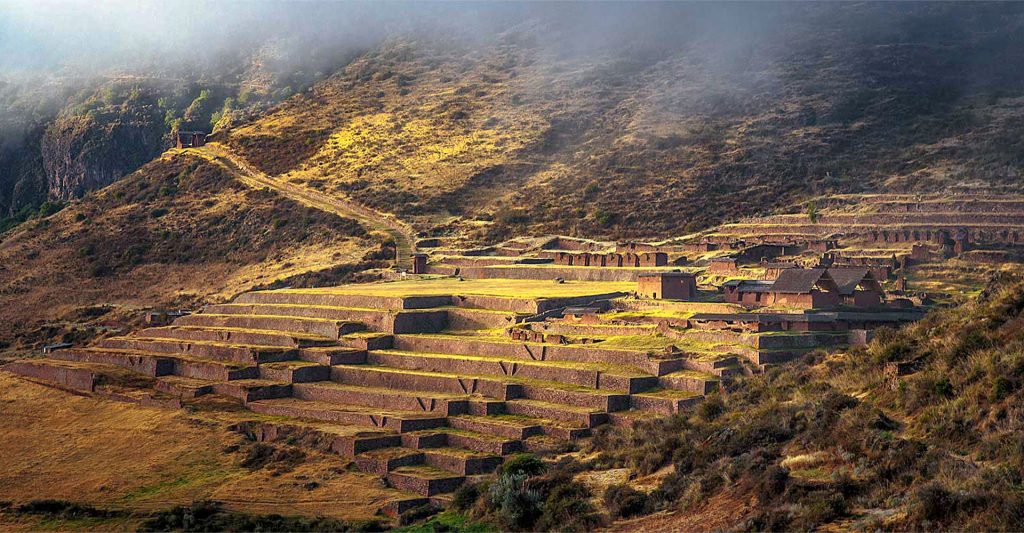
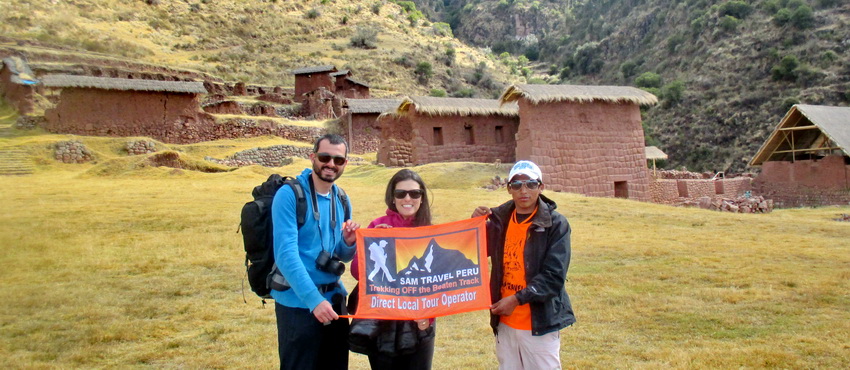
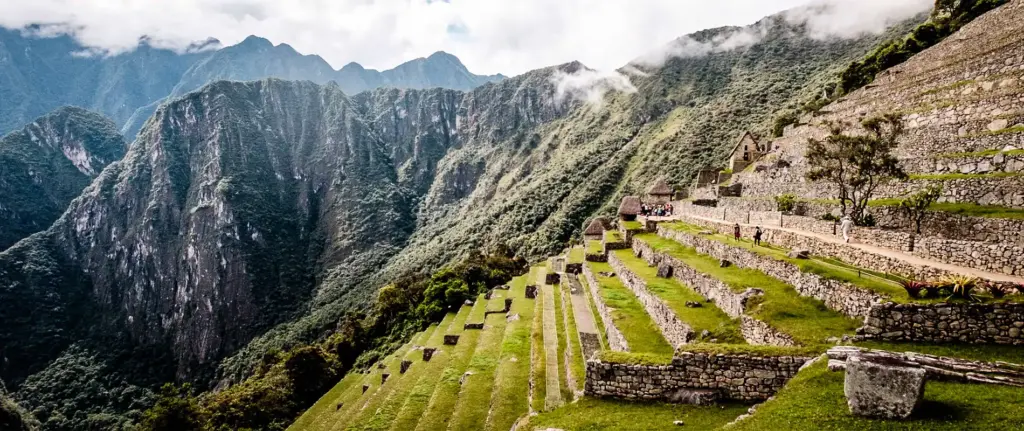
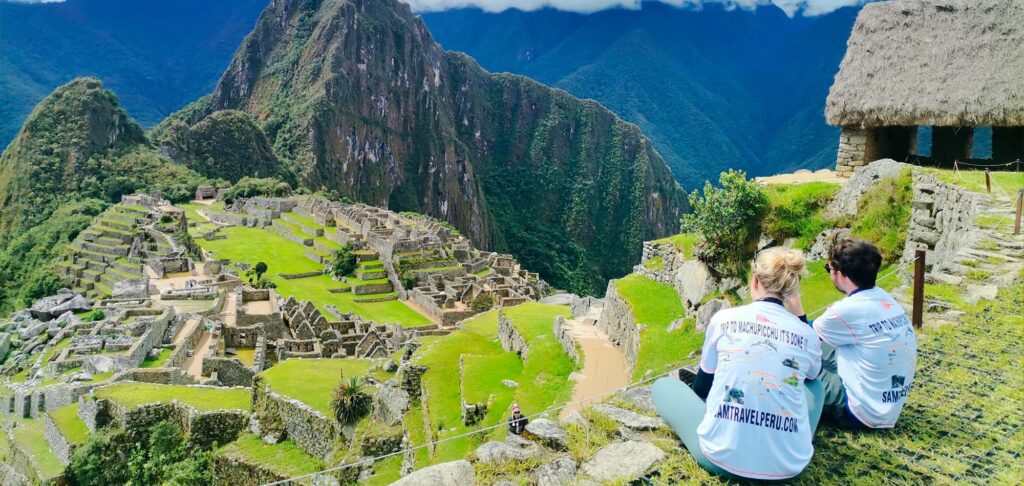
- The Vibe: Quick, scenic, and diverse history.
- The Journey: This route snakes through high mountain villages to the dramatic, isolated palace complex of Huchuy Qosqo (“Little Cusco”), perched high above the Sacred Valley. The journey winds past the spectacular concentric agricultural terraces of Moray and the ancient Maras Salt Mines before taking the scenic train to Machu Picchu.
Frequently Asked Questions (FAQ)
When Do 2027 Inca Trail Permits Go on Sale?
The Peruvian Ministry of Culture typically releases the entire block of permits for the upcoming year (January–December 2027) in October or November 2026.
Because peak months sell out within days, sometimes hours, of the official release, we operate a pre-booking system. By submitting your details and deposit during the summer or early autumn, you ensure your operator is logged into the government portal the exact second the payment gateway opens, guaranteeing your preferred dates.
What exactly is the Inca Trail?
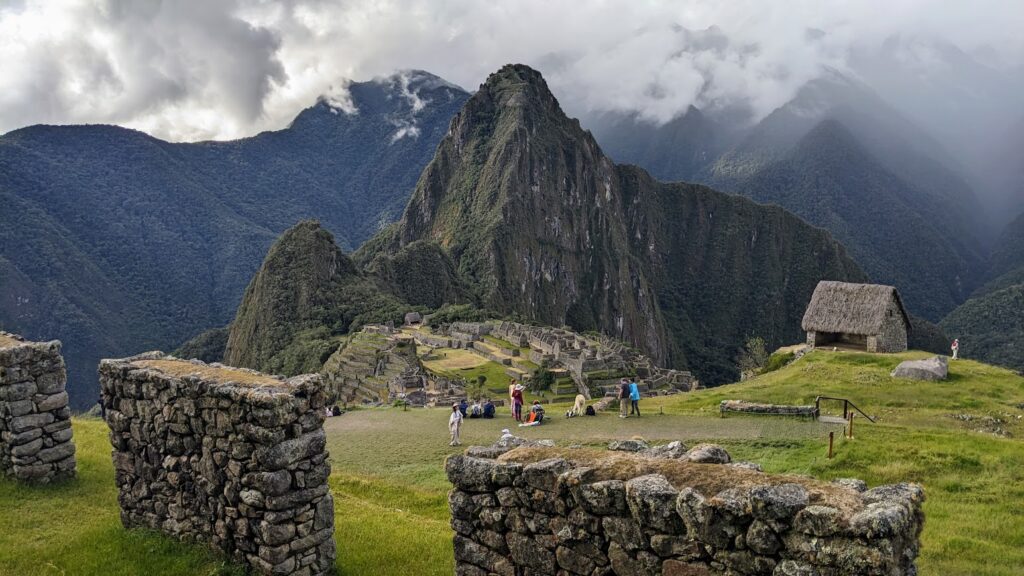
The Inca Trail is a highly preserved segment of the Qhapaq Ñan, the vast, ancient road network that once bound the entire Incan Empire together. The classic trek follows the exact stone highways traveled by Incan pilgrims centuries ago, winding through various microclimates and cloud forests straight into the citadel of Machu Picchu.
Where does the trail physically begin?
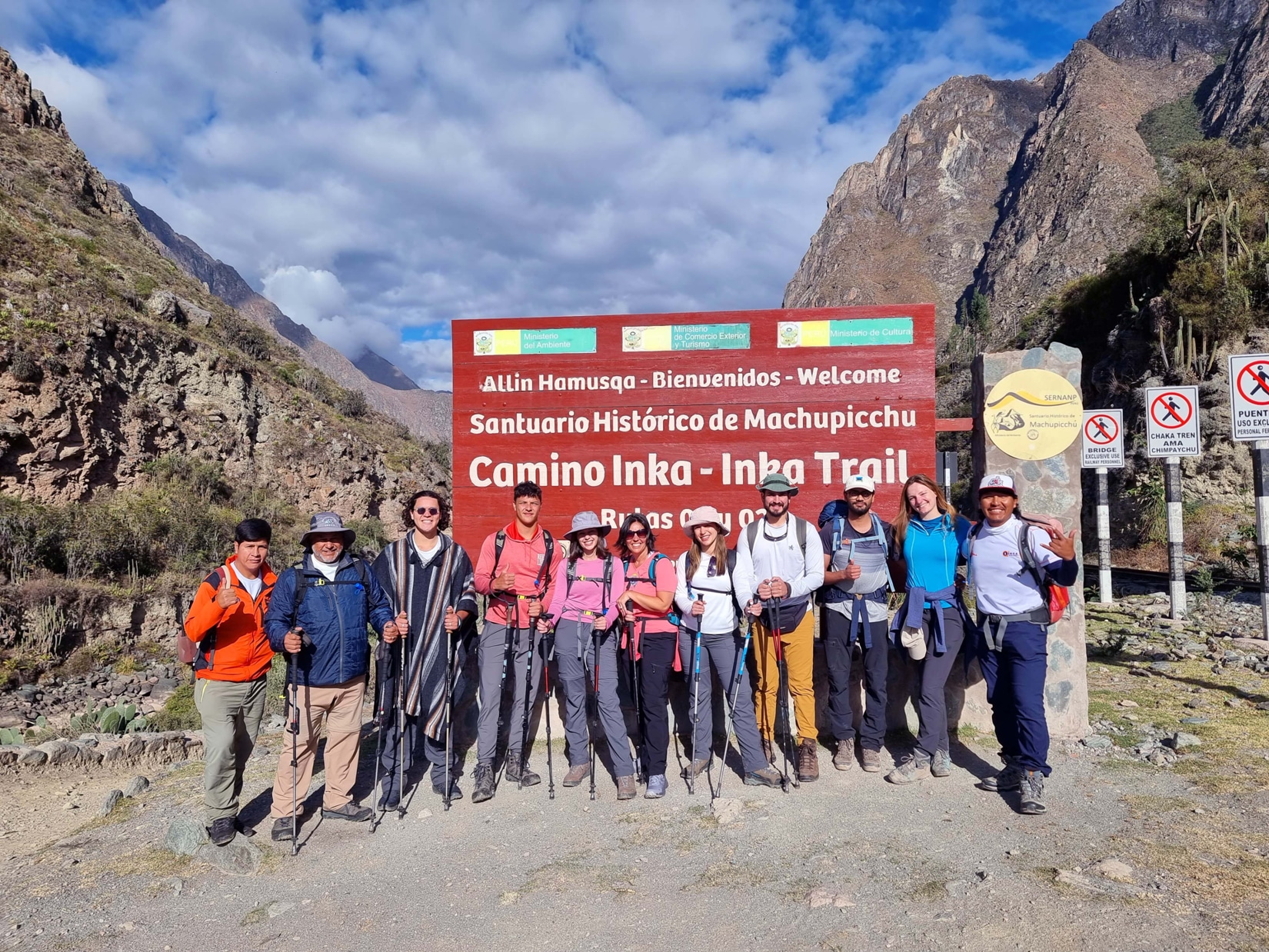
The classic 4-day route begins at a checkpoint known as Kilometer 82, located just outside the town of Ollantaytambo in the Sacred Valley, roughly a two-hour drive from the historic center of Cusco.
How do I pick a trustworthy tour operator?
Always look for locally owned, fully sustainable operators who hold a verified, government-issued Inca Trail agency license. Ethical operators differentiate themselves by providing top-tier camping equipment, professional bilingual guides, and, most importantly, fair wages, proper gear, and ethical working conditions for their mountain porter crews.
What is standardly included in a premium tour package?
While inclusions vary slightly by agency, a reputable tour package always bundles your official trail permits, personal Machu Picchu entry tickets, and return train transfers. On the trail, you are fully supported by bilingual historical guides, camp chefs cooking hot, nutrient-dense meals, and a porter team that carries your heavy camp gear (usually up to a 7-kilogram weight limit per passenger).
Can I Get a Student or Child Discount on My Permit?
Yes, the Peruvian government offers a standard discount on Inca Trail permits for eligible students and minors, but the documentation checks at the trail entry checkpoints are notoriously strict.
Undergraduate Students: To qualify for the discount, you must be under 25 years old at the time of your trek and hold a valid, physical university ID card. The card must feature your university’s name, your photo, and a clearly printed expiration date that covers the duration of your hike. Digital cards, ISIC cards, or simple confirmation letters are strictly rejected by park rangers.
Minors (Ages 3–17): Simply require a legible copy of a valid passport submitted at the time of booking to automatically secure the child rate.day.