



Tipping culture can be confusing and sometimes overwhelming when traveling abroad. In some countries, tipping is expected and encouraged, while in others it may even seem offensive.
In Peru, tipping is highly appreciated by anyone working in the service, hospitality, and outdoor adventure industries. While you are not expected to tip at a local street market (mercado), leaving around 10% at a nice sit-down restaurant in the city center is highly encouraged.
Mountain treks operate on a similar wavelength. If you received exceptional service and want to show your appreciation, tipping your hard-working team of porters, chefs, and guides is an excellent way to give back, though it is strictly voluntary and never legally mandatory.
The Logistical Engine of the Trail
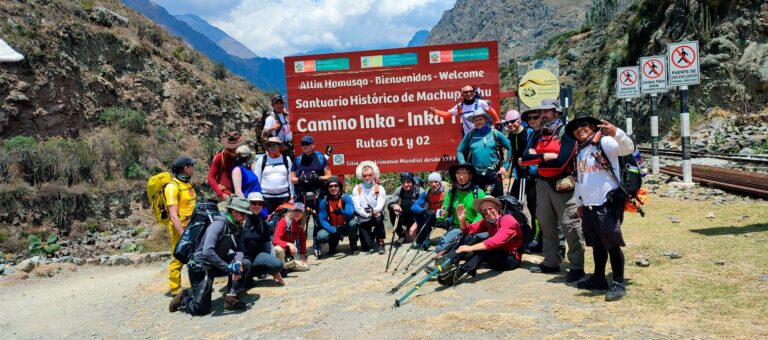
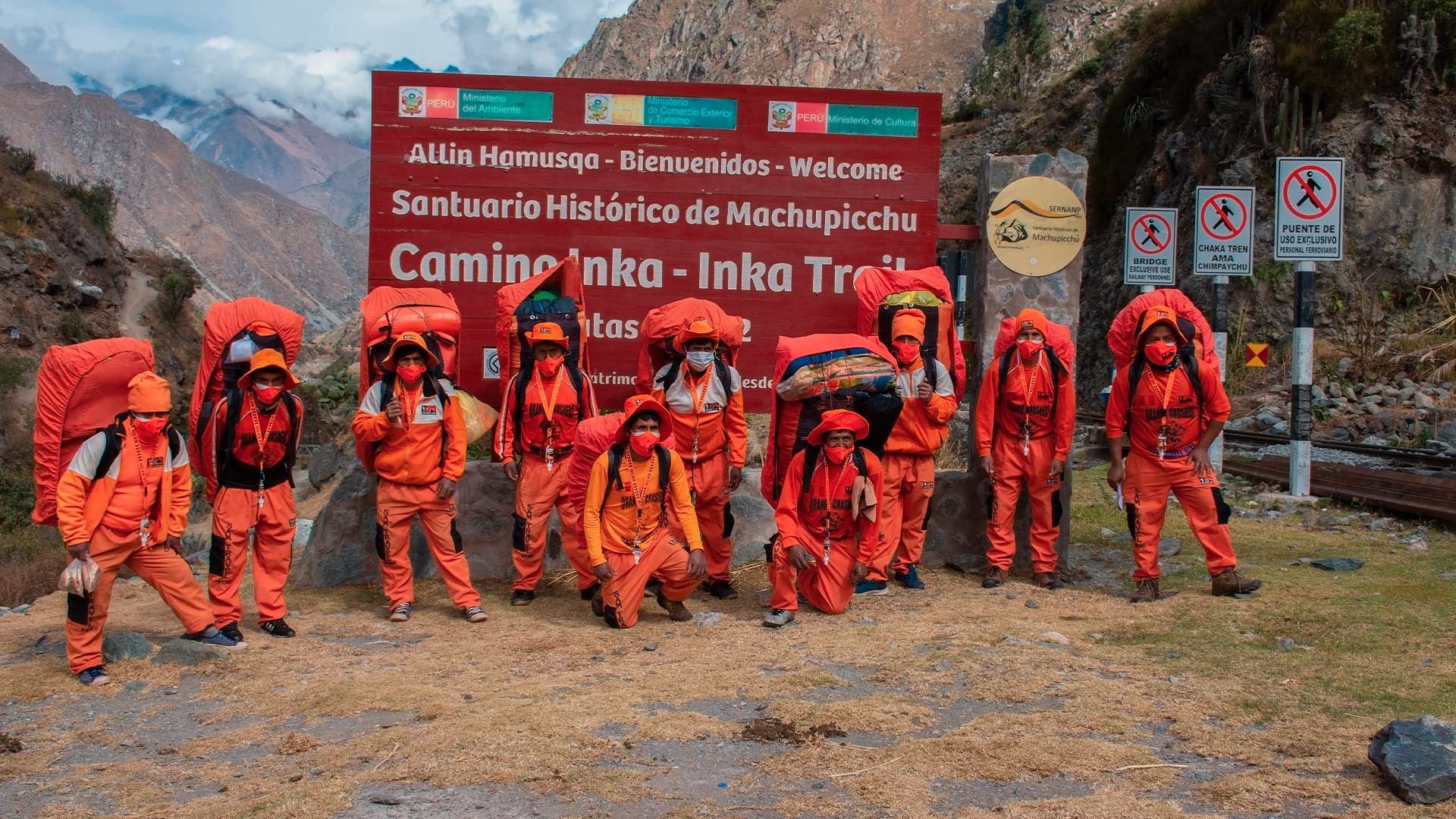
The classic 4-day and 5-day Inca Trail hikes are intense, high-altitude endurance adventures covering over 44 kilometers (28 miles) of rugged terrain. Every single day, approximately 150 hikers set off on the trail, supported by a dedicated network of roughly 350 field staff, including indigenous porters, mountain chefs, and licensed guides.
For these local communities, working the trail is far more than just a job. It is a critical source of income, a financial lifeline, and an invaluable extension of their cultural heritage. Understanding how tipping works ensures that your adventure remains both socially responsible and deeply rewarding.
What is an Appropriate Tip?
Knowing how much to give your trekking staff can feel like guesswork. To make it simple, we have broken down what some of the top-rated, licensed local tour operators recommend for a standard 4-day classic trek.
Pro-Tip: Always prepare your tipping cash before leaving Cusco. There are no ATMs on the mountain trail, and cash machines in Aguas Calientes frequently run out of money. Always tip using Peruvian Soles (PEN) in clean, low-denomination bills, as torn currency or large foreign bills are incredibly difficult for local staff to exchange.
Tipping the Support Crew (Porters & Cooks)

Most operators recommend tipping the support crew collectively using a “group pot.” On the final evening of camp, travelers in the trekking group pool their money together into a single envelope to be distributed among the cooks, assistants, and porters.
Industry recommendations for individual contributions to the pool include:
- SAM Travel Peru: Recommends each hiker contribute 150 to 225 Soles ($40 to $60 USD) to the shared support staff pot.
- 69 Explorer & Orange Nation: Suggest a standard baseline of roughly $60 USD per traveler to split among the support crew.
- The Golden Standard: Across the region’s top responsible agencies, a total individual contribution of 120 to 160 Soles ($35 to $45 USD) to the general crew pot is considered an excellent, respectful tip for a 4-day trek.
Tipping the Guiding Team
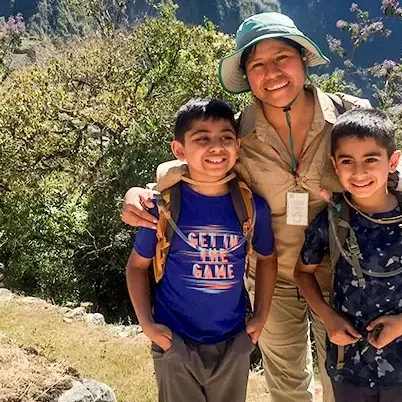
Because your guides stay with you all the way through the Machu Picchu citadel tour, they are tipped individually at the very end of the journey rather than via the camp pot.
- Lead Guides: A standard tip ranges from 60 to 80 Soles ($15 to $20 USD) per traveler for the duration of the trek.
- Assistant Guides: A standard tip ranges from 35 to 50 Soles ($9 to $13 USD) per traveler.
Multi-Day Tipping Comparison At A Glance
| Trail Role | Suggested Tip (Per Traveler / Per Trek) | How to Hand It Over |
| Porters | 50 – 70 Soles ($13 – $18 USD) each | Pooled into the Group Pot |
| Head Mountain Chef | 100 – 150 Soles ($26 – $40 USD) total | Pooled into the Group Pot |
| Assistant Guide | 35 – 50 Soles ($9 – $13 USD) | Handed over personally |
| Lead Tour Guide | 60 – 80 Soles ($15 – $20 USD) | Handed over personally |
Responsible Trekking & Porter Welfare
Historically, the indigenous porters of the Sacred Valley faced difficult conditions, including unfair wages and excessive cargo loads. Thankfully, grassroots labor movements pushed the Peruvian government to institute formal legal protections.
Today, all reputable operators are legally bound by Law No. 31614 (The Porter Worker Law), which formally integrates porters into Peru’s regulated private labor sector.
Modern Legal Guardrails Include:
- Strict Weight Caps: The legal maximum load a male porter can carry is strictly capped at 20 kg (44 lbs), which includes 5 kg allocated for their own personal gear. For female porters, the legal limit is 15 kg (33 lbs).
- Rigorous Checkpoints: Government park rangers weigh every single porter’s pack at multiple designated trail checkpoints. Agencies caught attempting to sneak traveler equipment into a porter’s personal 5 kg weight allowance face immediate, heavy legal fines and license suspensions.
- Fair Pay & Insurance: The law mandates formal minimum wage standards, structured rest periods, provided nutritional meals, and mandatory work-risk life insurance coverage.
Choosing a responsible, ethical agency that explicitly enforces these legal standards ensures your travel dollars directly protect the well-being of the people who make these expeditions possible.
Meaningful Ways to Give Back Beyond Cash
If you happen to have high-quality outdoor gear that you bought specifically for your vacation but likely won’t use again back home, consider donating it directly to your porter crew.
Items that are profoundly appreciated and highly useful in high-altitude mountain communities include:
- Dependable headlamps and fresh batteries.
- Warm, technical hiking socks.
- Thermal base layers, fleece jackets, and beanies.
- Durable, waterproof dry bags or backpacks.
A simple, thoughtful gift paired with a genuine expression of thanks, like saying “Sulpayki” (the traditional Quechua word for Thank You) goes an incredibly long way. Use your best judgment, tip for great service, and enjoy every single step of your historic journey to Machu Picchu!