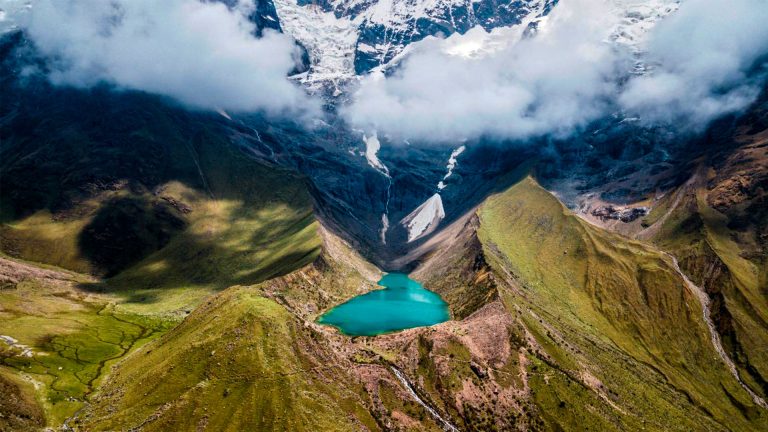




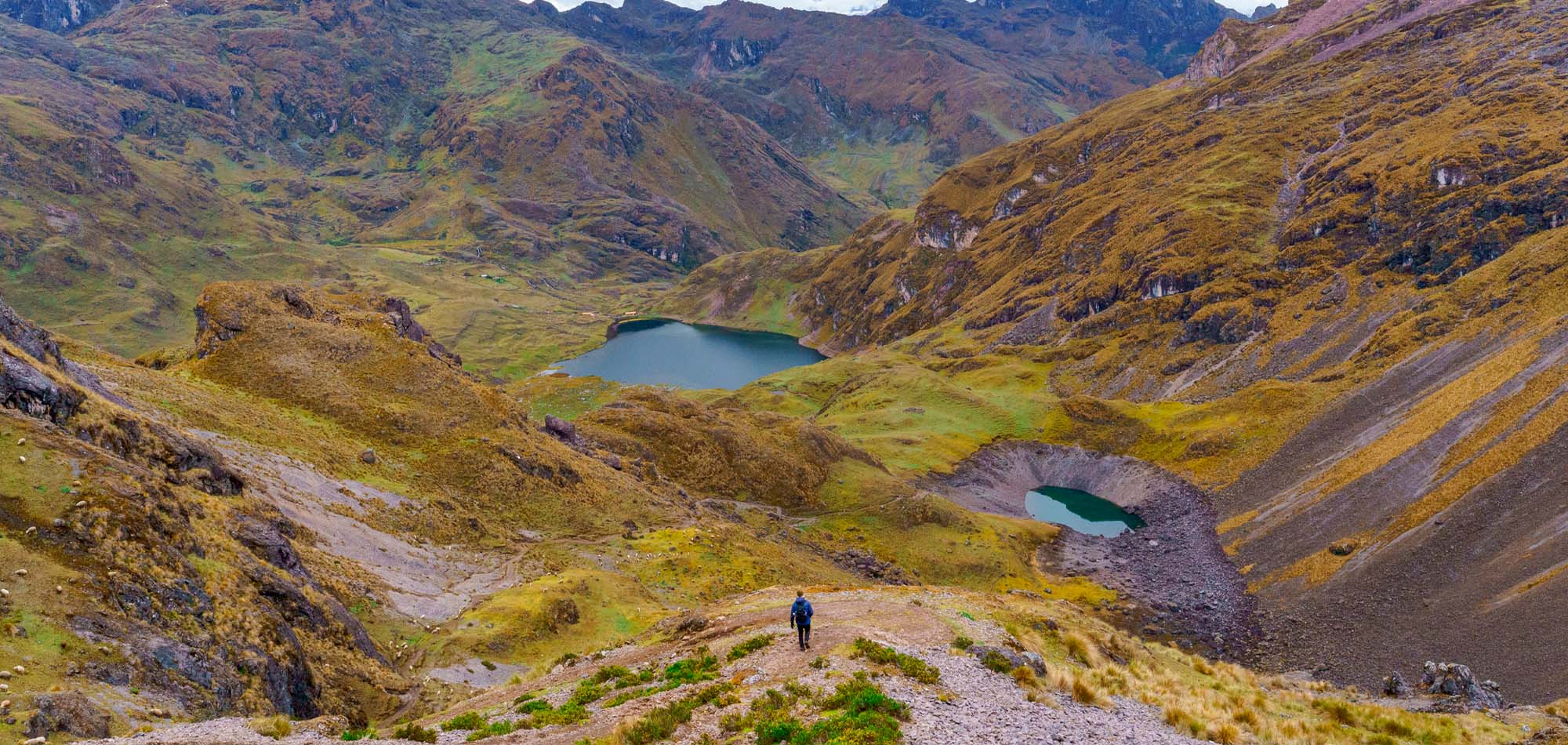
While the Inca Trail is a journey through history, the Lares Trek is a journey through the living culture of the Andes. Whether you are seeking a quick, efficient route or a comprehensive adventure that blends cultural immersion with the classic Inca Trail, this guide will help you find the right path for your 2027 trip.
Why Choose the Lares Region?
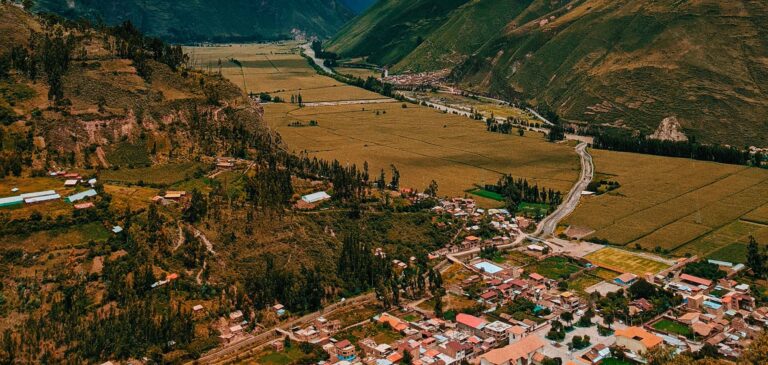
The Lares Valley remains one of the few places in Peru where life continues largely unchanged by the modern world. You aren’t just visitingyou are, a guest in high-altitude communities that have preserved Quechua traditions for centuries.
Choosing Your Path to Machu Picchu Lares vs. The Inca Trail
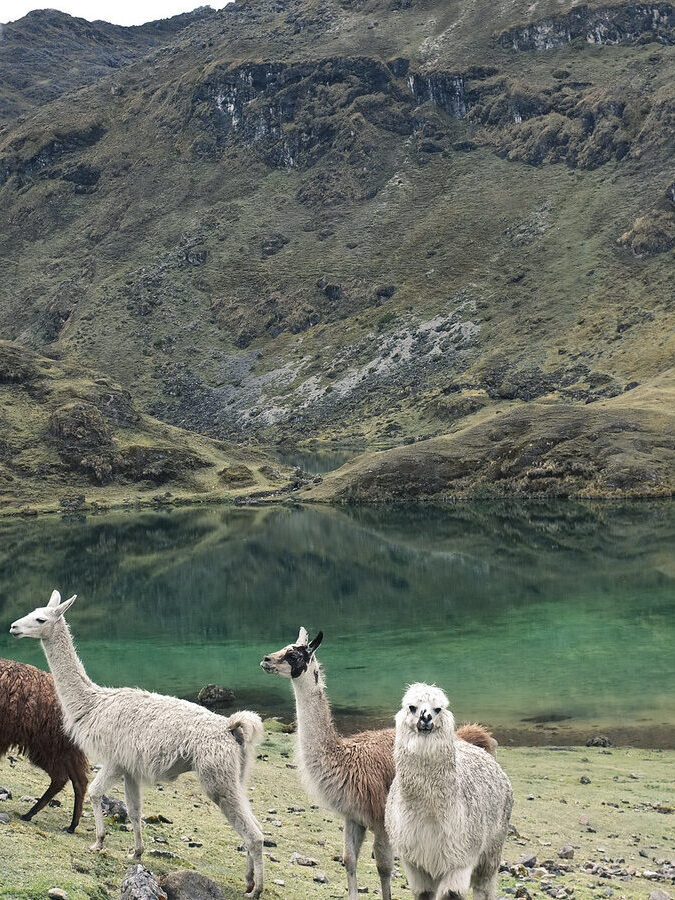
- The Atmosphere: The Inca Trail is an archaeological pilgrimage with busy, stone-paved paths. The Lares Trek is a pastoral landscape, where you share the trail with alpacas, llamas, and local weavers.
- The Permit Factor: Unlike the Classic Inca Trail, the Lares Trek does not require limited government permits months in advance, offering more flexibility for your travel plans.
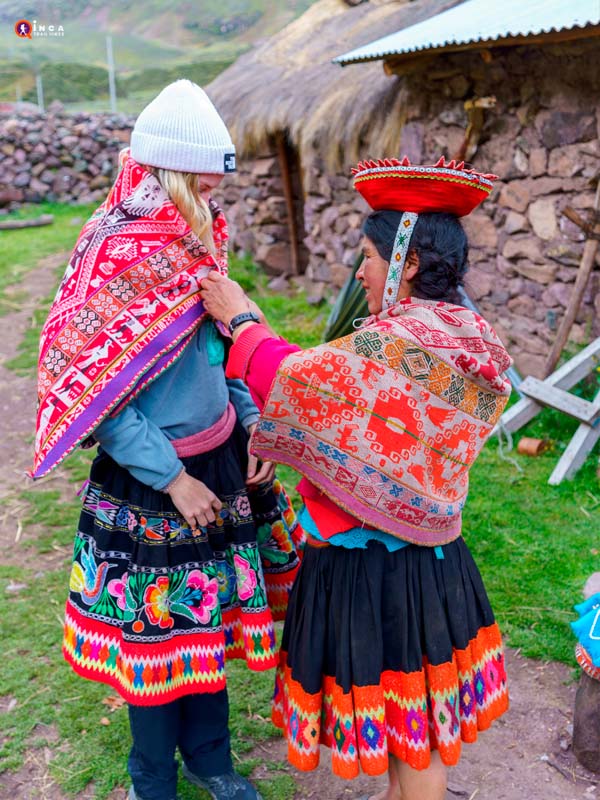
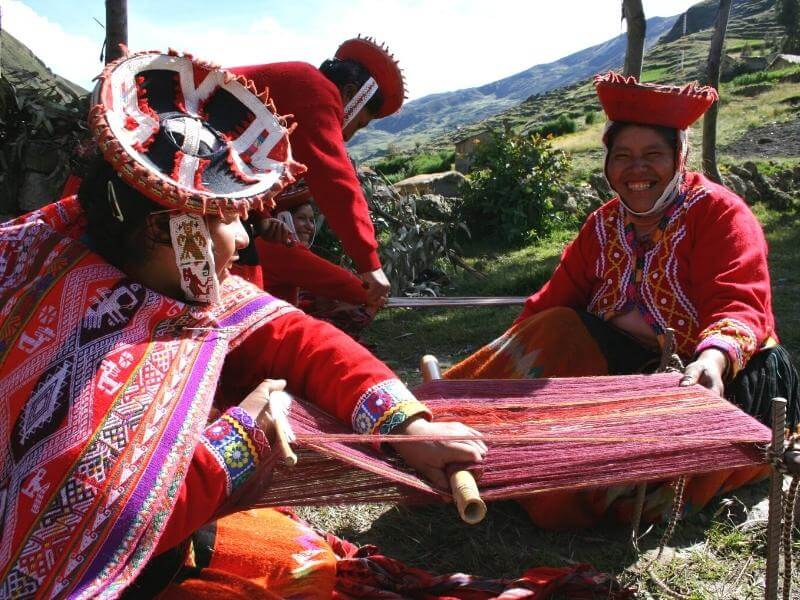
- The Cultural Connection: In Lares, you engage directly with the people. You will see firsthand how traditional textiles are crafted and how agricultural practices have sustained families for generations.
Choosing Your Adventure from 4 Unique Routes
We offer four distinct ways to experience the beauty of the Lares Valley. Select the one that matches your timeline and interest level.
- Best For: Travelers with limited time who want a punchy, cultural, and high-altitude experience.
- Highlights: Deep cultural immersion in the Lares valley with a direct transition to the wonders of Machu Picchu.
- Link: View 3-Day Itinerary
2. The Cultural Immersion (4 Days)
- Best For: Those who want to slow down and truly connect with the weavers and farming communities of the Lares region (Huaran, Patacancha, Yanawara).
- Highlights: Maximum time spent in remote communities, high-altitude pass crossings, and a scenic rail journey to Aguas Calientes.
- Link: View 4-Day Cultural Immersion Itinerary
3. The Lares & Short Inca Trail Combo (4 Days)
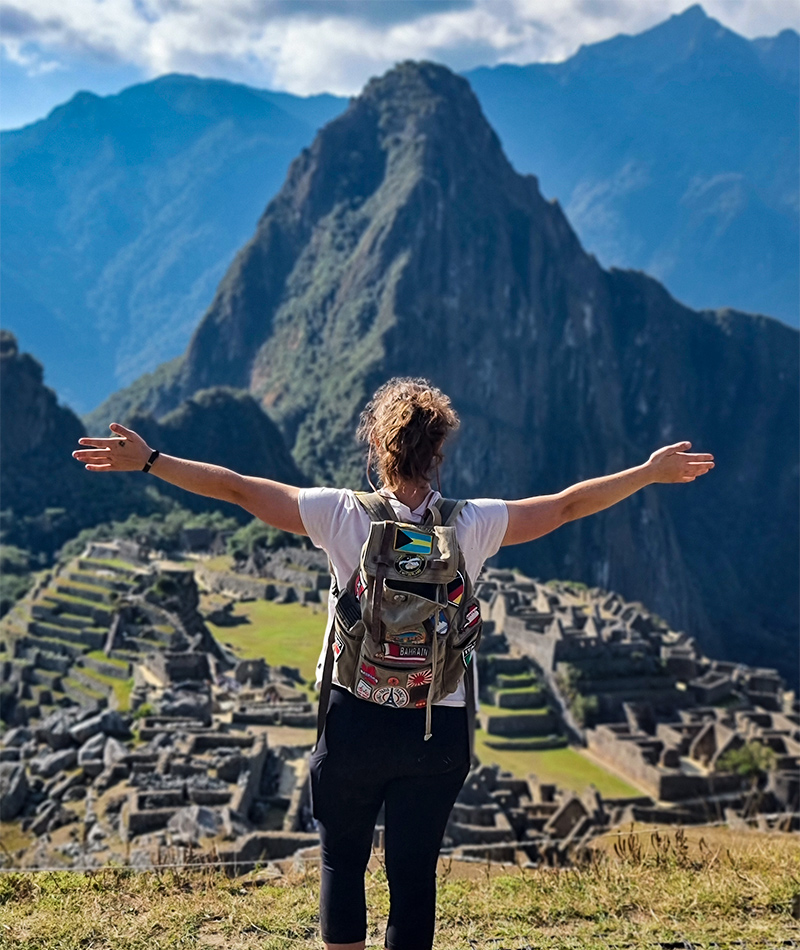
- Best For: Hikers who want to experience the best of both worlds: authentic Lares culture plus the iconic Sun Gate entry into Machu Picchu.
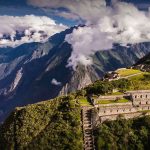
- Highlights: Experience the untouched Lares valley, then jump onto the final section of the classic Inca Trail to walk through the Intipunku (Sun Gate).
- Link: View 4-Day Combo Itinerary
4. The Ultimate Lares & Inca Trail Expedition (5 Days)
- Best For: Serious trekkers who want an extended, comprehensive Andean experience.
- Highlights: A deep-dive into the Lares Valley followed by a more leisurely pace on the Short Inca Trail. This is the most rewarding way to experience the diversity of the Cusco region.
- View 5-Day Comprehensive Itinerary
Frequently Asked Questions
Which trek is right for me?
If you want to focus entirely on culture and community, choose the 4-Day Cultural Immersion. If you are determined to enter Machu Picchu through the Sun Gate (the classic finish), choose the 4 or 5-Day Inca Trail Combo.
Do I need a permit for these treks?
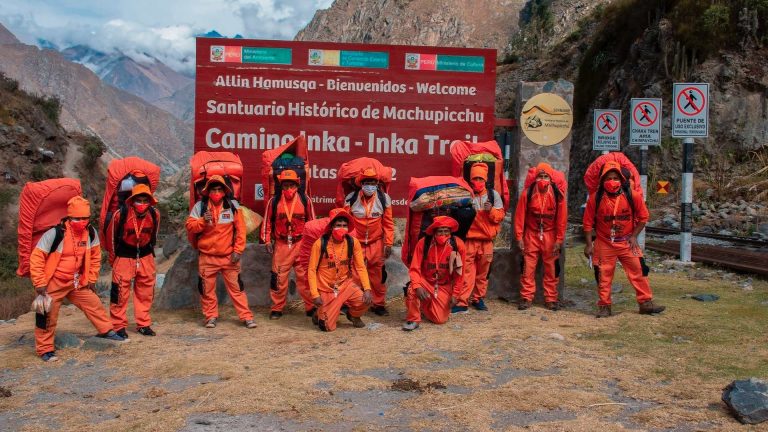
The Lares portion of these treks does not require government permits. However, the options that include the “Short Inca Trail” do require a permit. We handle all of this for you—our team secures the permits as part of your booking.
What is the altitude like on these treks?
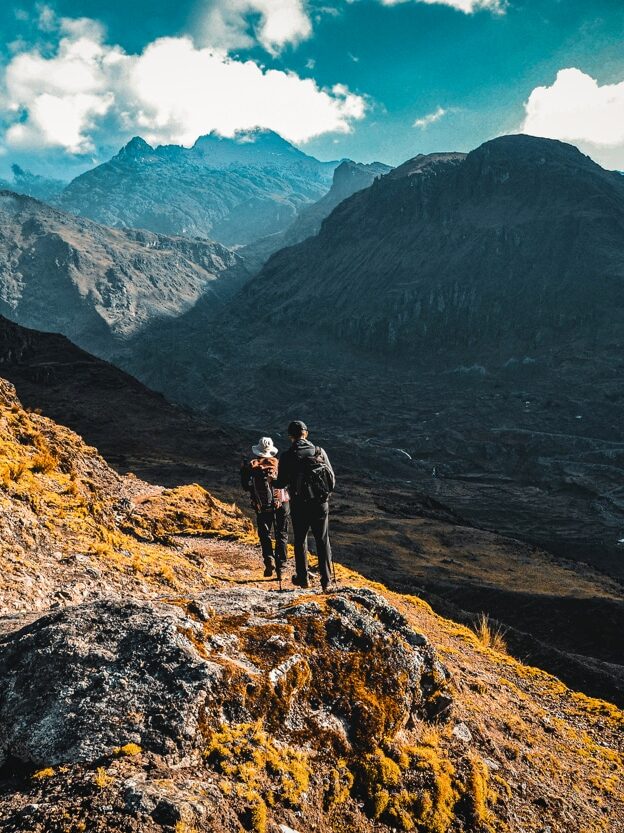
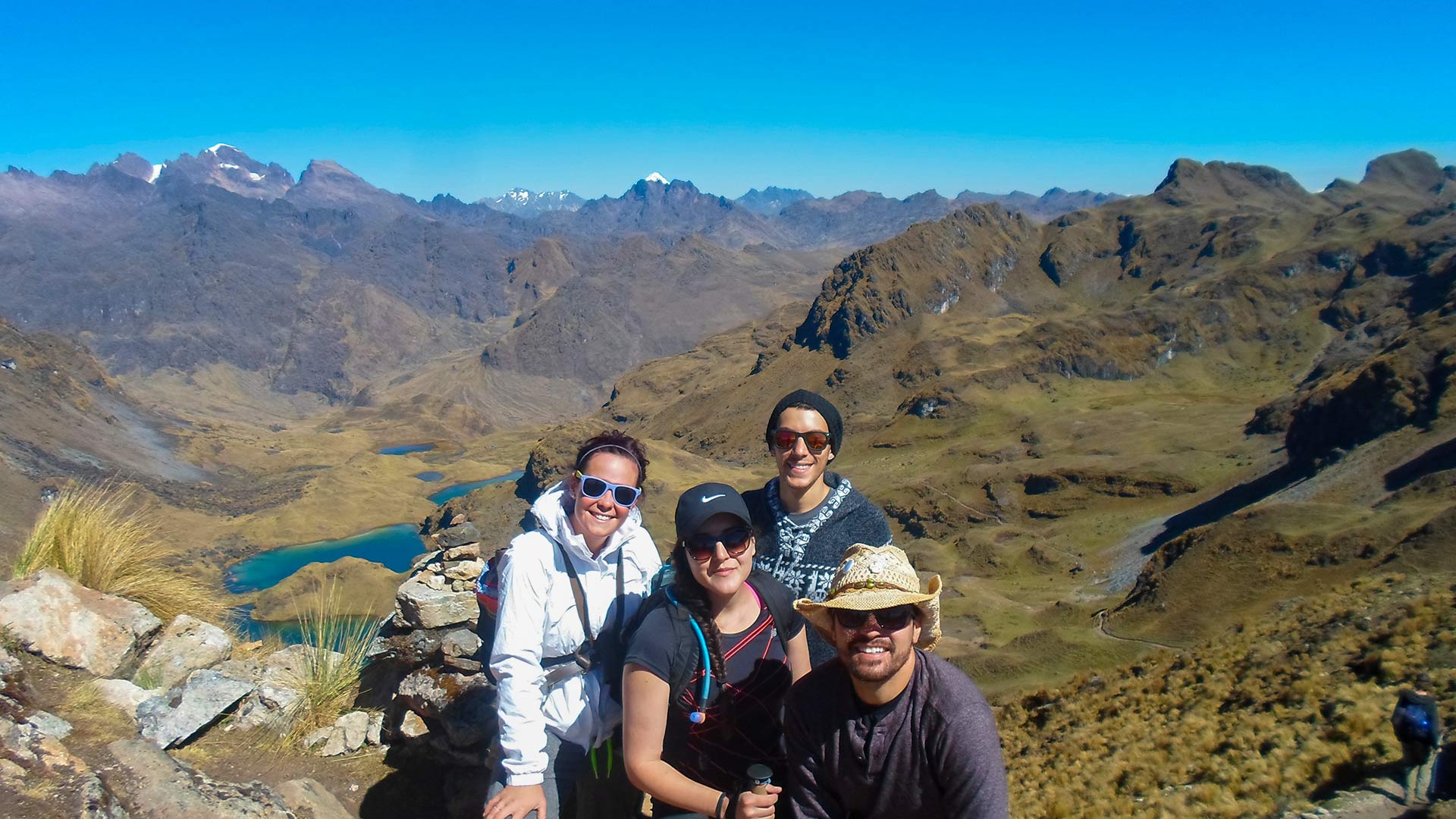
The Lares region is high. Passes can reach 4,500m to 4,700m. We always recommend arriving in Cusco 2–3 days before your trek starts to allow for natural acclimatization.
What are the camping conditions?
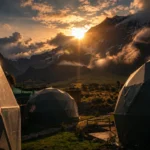
We prioritize comfort and sustainability. Our treks use high-quality tents and, depending on the route, we partner with community-based lodges or established campsites that minimize our footprint while maximizing your comfort.
Expert Planning Tips
- Acclimatization: Spend your first 24 hours in Cusco walking slowly, eating light, and drinking mate de coca. Do not schedule heavy tours for the day you arrive.
- Pack for Layers: Andean weather is volatile. In one day, you may experience brilliant sunshine and a sudden, chilly rain. A high-quality rain poncho and a warm down jacket are non-negotiable.
- Support Local: When purchasing textiles, do so directly from the weavers in the villages. You are supporting the preservation of a 2,000-year-old craft.
Packing Checklist
- Documents: Original Physical Passport (Required for Machu Picchu entry).
- Trekking Gear: Reliable hiking boots (broken in!), trekking poles, and a 30-40L daypack.
- Apparel: Moisture-wicking base layers, fleece/down jacket, rain gear, and a comfortable change of clothes for the final night in Aguas Calientes.
- Personal: High-SPF sunscreen, polarized sunglasses, and small denomination Soles for tips and souvenirs.