

Choquequirao Trek Guide: Peru’s Real Lost City
The Trek At A Glance: Key Metrics
Before diving into the history and routes, here is the essential data you need to know for this legendary expedition:
- Total Distance (Classic Route): 43 kilometers (26.7 miles).
- Highest Elevation Point: 3,150 meters (10,397 feet) at the ruins, reaching up to 4,000 meters (13,123 feet) on extended routes.
- Average Daily Foot Traffic: Approximately 25 visitors per day, compared to more than 2,500 daily visitors at Machu Picchu.
- Physical Difficulty: Extreme. The route requires continuous steep descents and intense switchback ascents with minimal shade.
- Best Time to Visit: May to October during the Andean dry season.
What is Choquequirao? (And Why It’s Not Just Another Machu Picchu)
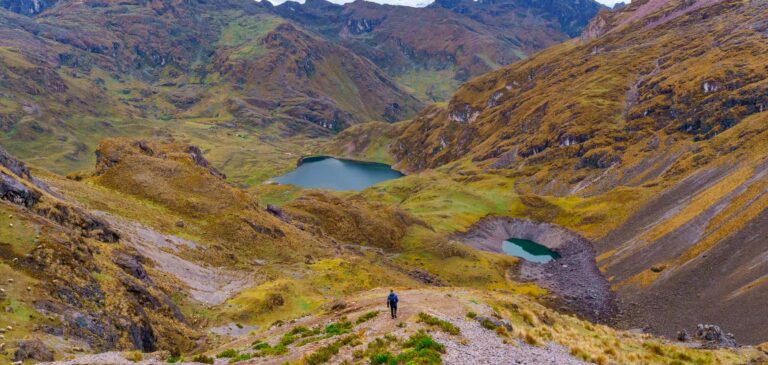
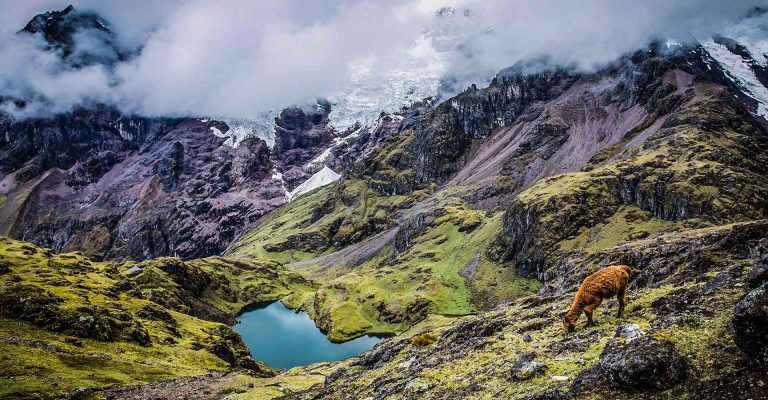
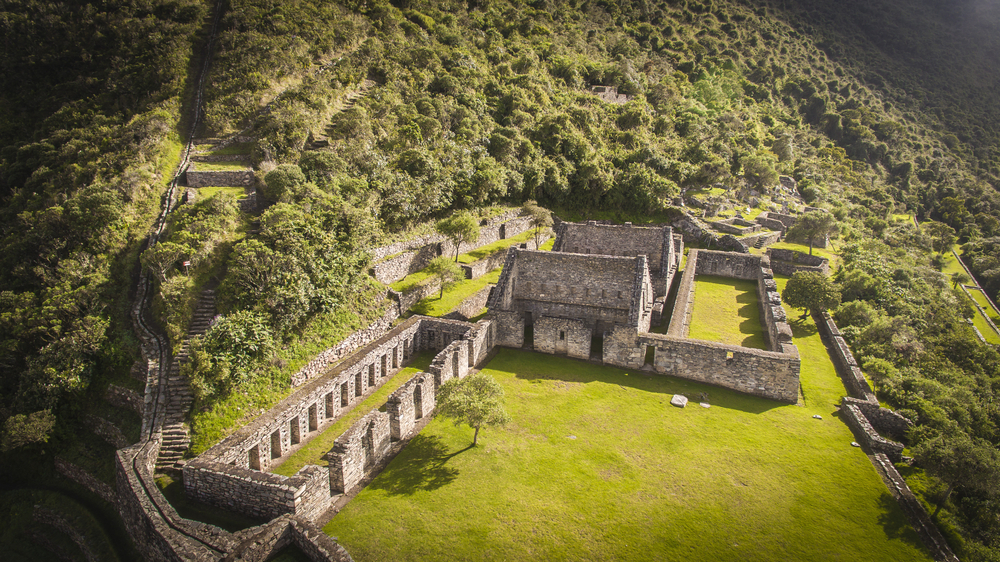
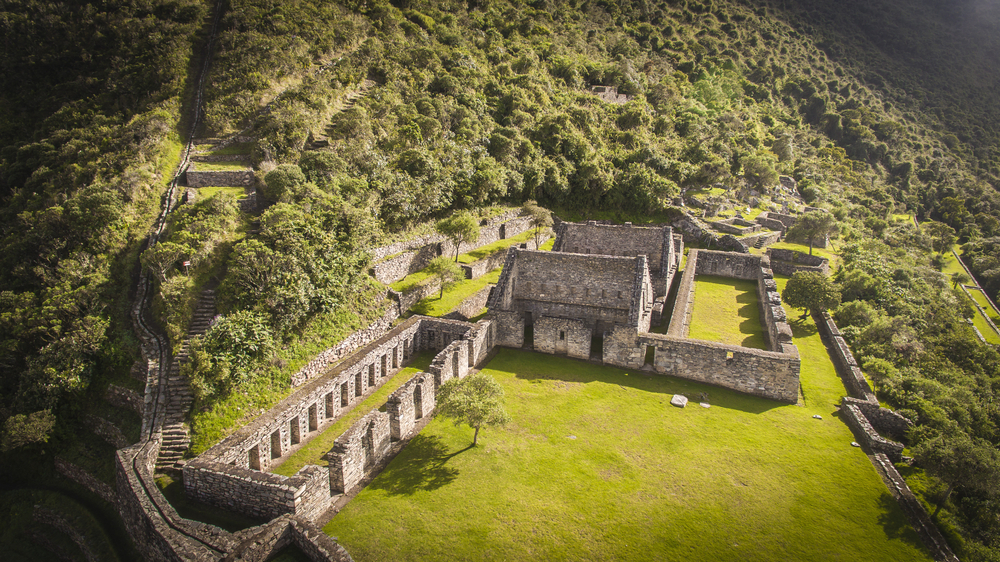
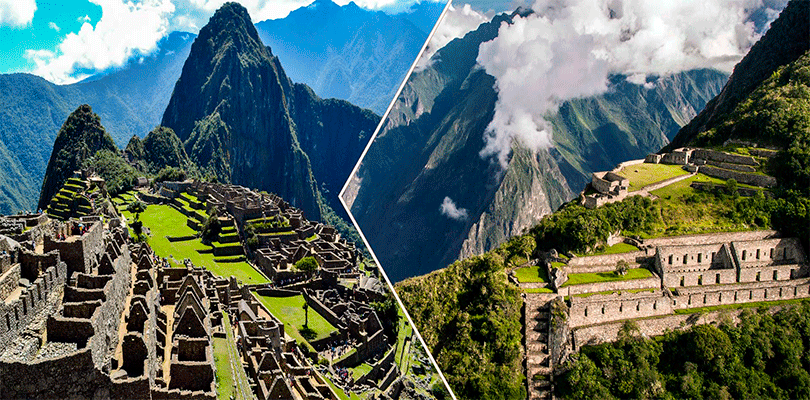
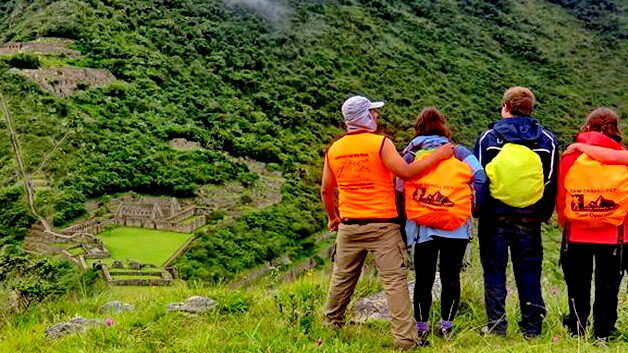
Hidden deep within the Vilcabamba mountain range and perched dramatically 1,500 meters above the roaring Apurímac River, Choquequirao is one of the most remote and massive Inca sites in South America.
Its name translates to “Cradle of Gold” in Quechua. Built in the 15th century by the Inca Emperor Pachacutec and significantly expanded by his son, Tupac Inca Yupanqui, Choquequirao served as a critical administrative center, a royal estate, and a strategic agricultural hub for cultivating sacred crops.
The Historical Path to the High Jungle
To understand why Choquequirao exists, it helps to look at the timeline of the final days of the Incan resistance against the Spanish conquistadors:
Cusco
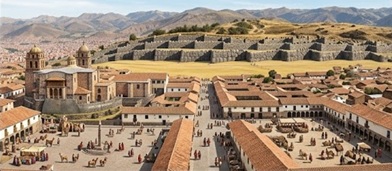
The Imperial Heart
Serving as the original capital of the Inca Empire, Cusco was the center of governance, spirituality, and wealth before the arrival of Spanish forces.
Ollantaytambo
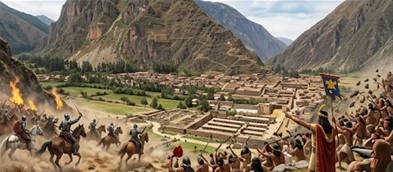
1536
Following the Spanish occupation of Cusco, the Inca resistance retreated to the fortress of Ollantaytambo, where Manco Inca won a brilliant but short-lived victory against the conquistadors.
Choquequirao Stronghold
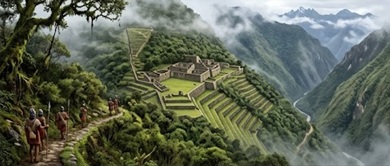
1539
Recognizing that Ollantaytambo was too exposed, the Inca forces retreated deep into the rugged cloud forests. Choquequirao was fortified as an unassailable mountain checkpoint and military stronghold.
Vilcabamba
1539–1572
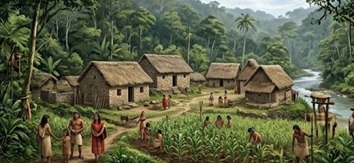
Deep in the Amazonian fringe, the Incas established Vilcabamba, the final “Lost Capital” of the Neo-Inca Empire, holding out against Spanish rule for over three decades.
Did You Know?
Because of its extraordinary geographic isolation, Choquequirao was never discovered by the Spanish invaders. Today, only about 40% of Choquequirao’s 1,800 hectares have been excavated. The remaining palaces, temples, and sweeping agricultural terraces still sleep beneath a dense canopy of cloud forest.
Why Choose the Choquequirao Trek?
If your dream Peruvian adventure involves sitting on luxury trains, walking along paved paths, and navigating dense crowds of tourists, this is not the trek for you. Choquequirao is reserved exclusively for wilderness lovers, history purists, and determined adventurers.
- Absolute Solitude: With an average of just 25 visitors per day, you will frequently experience the surreal privilege of exploring massive royal Inca plazas entirely on your own.
- Primal Wildlife Encounters: Because human foot traffic is minimal, the surrounding national park is a thriving sanctuary. Keep your eyes on the skies for the sacred Andean Condor and the Caracara Falcon, and watch the cloud forest brush for the endangered Spectacled Bear and the rabbit-like Viscacha.
- The Reward of True Adventure: There is a profound psychological satisfaction in earning a view. When you finally step onto the terraces of Choquequirao, you know you reached them entirely through your own physical grit and determination.
How Difficult is the Trek? (The Brutal Truth)
Being completely honest: This is widely considered the most physically demanding trek in the Cusco region.
Unlike the Classic Inca Trail, which features thousands of stone steps, the challenge at Choquequirao lies within its punishing elevation profile. Over the course of four days, your legs will endure a relentless roller-coaster of ascents and descents:
The Elevation Breakdown
- The Drop: You begin at the Capuliyoc trailhead (2,900 meters) and plunge 1,400 vertical meters straight down into the blistering heat of the Apurímac Canyon.
- The River Crossing: You cross the suspension bridge at the canyon floor (Playa Rosalinas at 1,500 meters), where the climate is hot, dry, and insect-heavy.
- The Climb: You immediately begin a brutal, direct 1,600-vertical-meter climb up the opposite side of the canyon wall through Santa Rosa and Maranpata to reach the ruins at 3,150 meters.
Choquequirao vs. The Classic Inca Trail: Head-to-Head
| Feature | The Classic Inca Trail | Choquequirao Trek |
| Daily Foot Traffic | 500 strictly regulated permits | ~25 hikers (No permits required) |
| Pacing & Terrain | Structured stone steps, stone paths | Rugged dirt switchbacks, extreme steep slopes |
| Pack Animals | Banned (Porters carry all gear) | Fully permitted (Horses/Mules handle your gear) |
| Main Challenge | High Altitude (Passes up to 4,215m) | Steep Elevation Changes & Canyon Heat |
| Fitness Level | Moderate | Advanced / Seasoned Hikers |
Solo Adventure vs. Guided Tour: Which is Right for You?
Going Solo (The Ultimate Challenge)
It is entirely possible to hike to Choquequirao independently. There are basic, family-run campsites along the route where you can pitch a tent for a small fee. However, you must be prepared to haul your own tent, sleeping pad, cold-weather sleeping bag, stove, fuel, and four days of food down and up a 1,500-meter canyon. For most hikers, this extreme weight turns a difficult trek into a dangerous one.
Booking a Guided Tour (The Smarter Expedition)
Joining a reputable local tour operator transforms a grueling survival expedition into a safely managed mountain journey.
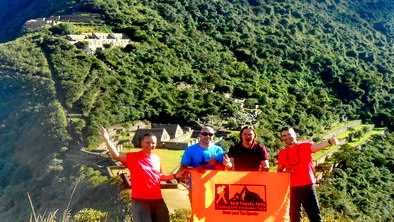
- Horse & Mule Support: All heavy equipment, camp kitchens, and up to 7 kilograms of your personal duffel contents are carried by pack animals. You only hike with a light daypack.
- Chef-Prepared Nutrition: High-protein, multi-course hot meals are prepared fresh in dedicated dining tents to fuel your recovery.
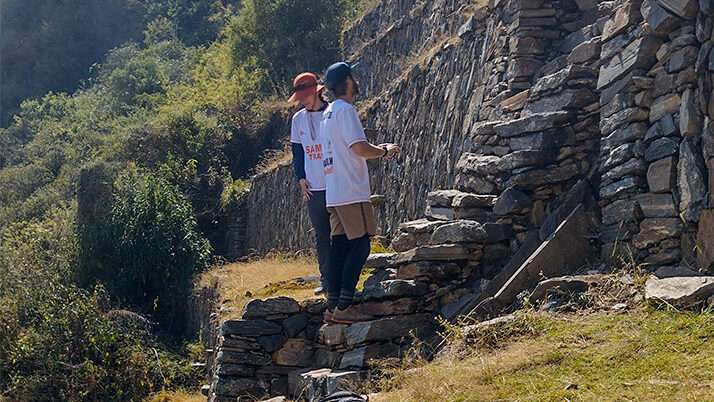
- Safety & Cultural Context: Expert local guides carry emergency satellite communication and oxygen tanks, while unlocking the hidden history of the ruins that you would completely miss on your own.
- Average Cost: A professional, fully supported guided tour averages between $450 and $800 USD depending on group sizes and comfort tiers.
The Definitive 4-Day Choquequirao Itinerary
Day 1: Cusco to Capuliyoc, Playa Rosalinas, and Santa Rosa:
12 km (7.5 miles) | Difficulty: High.
An early 4:00 AM pickup from your Cusco hotel brings you on a scenic drive to the trailhead at Mirador de Capuliyoc. After meeting your horsemen, you begin a dramatic descent deep into the Apurímac Canyon until reaching Playa Rosalinas for a fresh lunch. In the afternoon, cross the bridge and tackle the start of the uphill switchbacks to the Santa Rosa campsite. Enjoy a hearty dinner under a pristine canopy of southern stars.
Day 2: Santa Rosa to Maranpata and the Choquequirao Complex:
8 km (5 miles) | Difficulty: Strenuous.
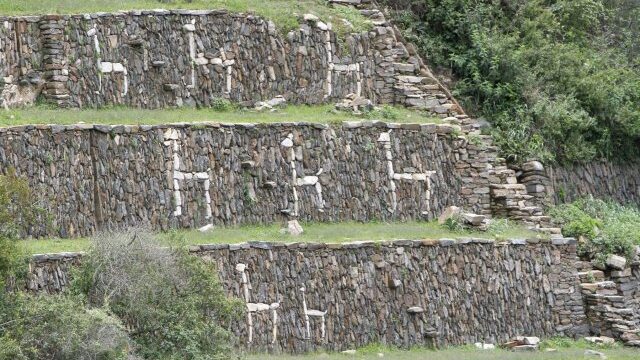
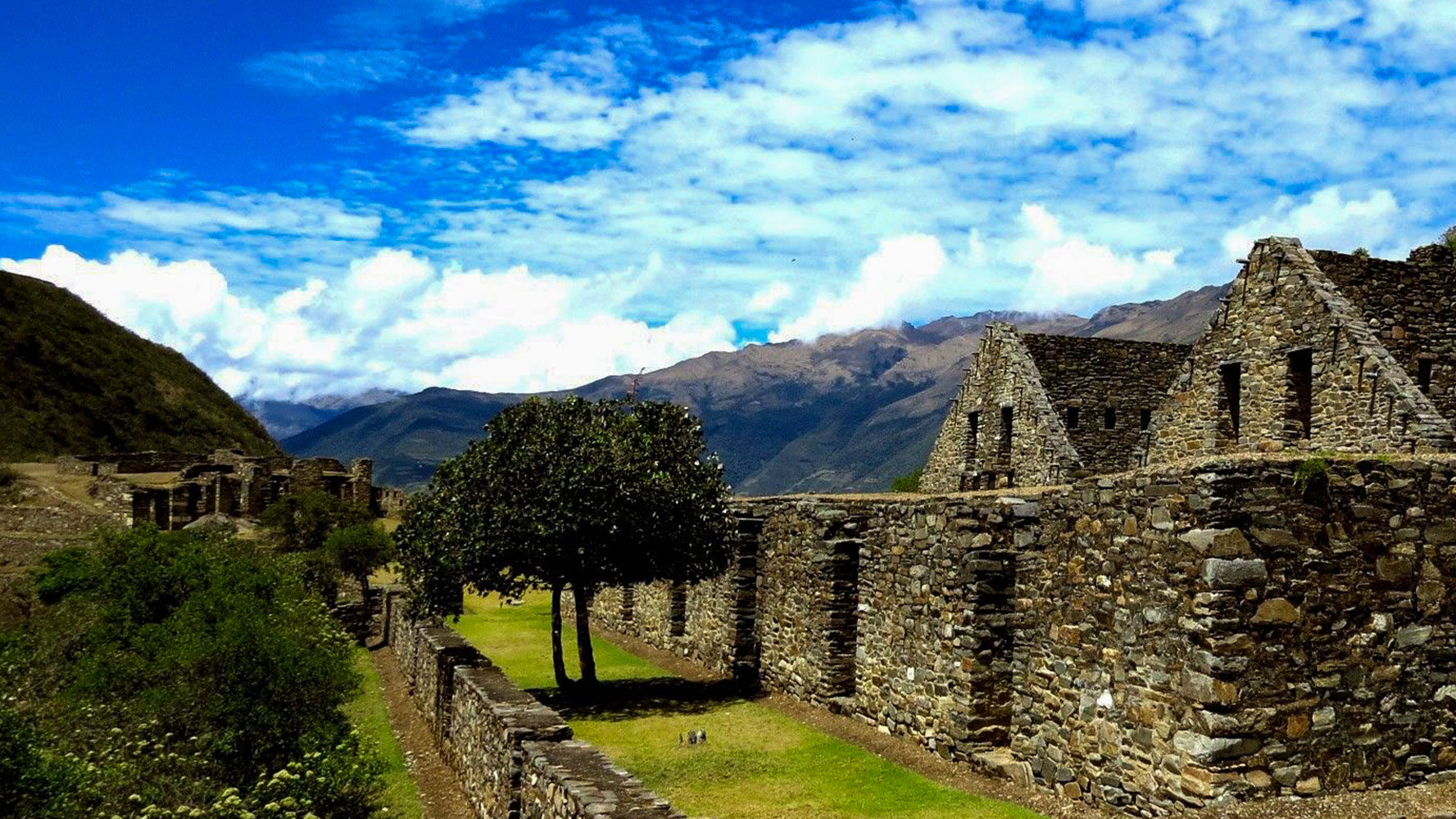
Wake up at first light for a steep two-hour morning climb through changing ecosystems to the isolated ridgetop village of Maranpata. After a brief rest to admire the canyon views, press forward on an undulating trail to the spectacular ruins of Choquequirao. Your expert guide will lead you on an immersive tour of the grand urban plazas, the sacred temples, the agricultural terraces, and the famous Llama Section, where white stone llamas are inlaid directly into the dark slate terrace walls. Sleep at the nearby archaeological campsite.
Day 3: Choquequirao to Maranpata and Chiquisca:
12 km (7.5 miles) | Difficulty: High.
Enjoy a quiet sunrise over the ruins before beginning the return journey. Retrace your steps back through Maranpata for lunch. From there, begin the long, controlled descent back down into the warm depths of the Apurímac Canyon. After crossing the river, complete a short, final uphill push to the lush oasis campsite of Chiquisca.
Day 4: Chiquisca to the Saywite Monolith and Cusco:
8 km (5 miles) | Difficulty: Moderate to High.
Your final trail challenge is the morning climb out of the canyon back to the Capuliyoc viewpoint. Say goodbye to your trekking crew and board your private transport. On the drive back to Cusco, stop at the fascinating, off-the-beaten-path archaeological site of Saywite to marvel at the Saywite Monolith, a mysterious Inca stone featuring over 200 intricate carvings of geometric channels, animals, and terraces. Arrive at your Cusco hotel by approximately 6:00 PM.
Expert Practical Planning Notes
Managing Altitude Sickness (Soroche)
While Choquequirao sits lower than Cusco (3,000 meters versus 3,400 meters), the extreme physical exertion maximizes altitude strain.
- Acclimatize First: Spend at least 48 to 72 hours resting and hydrating in Cusco or the Sacred Valley before starting your trek.
- Hydration Metrics: Drink between 3 and 4 liters of water daily. The canyon is exceptionally hot and dry; dehydration mimics and amplifies altitude sickness.
- The Andean Secret: Drink organic coca tea or gently chew raw coca leaves throughout the morning climbs, an ancient remedy used for millennia to boost oxygen absorption.
Comprehensive Expedition Packing Checklist
In Your Daypack (Carried by You)
- Original Passport: Must match your booking documentation exactly.
- Hydration System: Reusable 3-liter bladder (Camelbak) or heavy-duty aluminum water bottles.
- Sun Protection: Reef-safe SPF 50+ sunscreen, polarized sunglasses, and a wide-brimmed sun hat.
- High-Strength Insect Repellent: The biting gnats (manta blanca) in the Apurímac Canyon are relentless. Bring a high-DEET or Picaridin formula.
- Illumination: A reliable 200+ lumen headlamp with extra charging cables for nightly camp navigation.
- Electronics: A 10,000mAh or 20,000mAh external power bank (there are zero charging outlets on this trail).
In Your Provided Duffel Bag (Carried by Horses)
- Footwear: Broken-in, waterproof hiking boots with deep lug soles, alongside a pair of lightweight sandals or camp shoes.
- Thermal Layering: Moisture-wicking merino wool base layers, a heavy fleece mid-layer, and a high-loft down jacket for freezing high-altitude mountain nights.
- Waterproof Outer Shell: A high-quality Gore-Tex or technical rain jacket and rain pants.
- Hygiene Kits: Biodegradable wet wipes, hand sanitizer, personal medications, and a compact quick-dry travel towel.
Choose Your Trusted Local Operator
Choosing an ethical, sustainable, and licensed tour operator ensures your money goes directly toward supporting native Quechua communities and preserving these trails. Here are the top-rated operators specializing in the Vilcabamba region:
1. Sam Travel Peru
Service Level: Premium / Top-Tier Regional Expert
- Group Size: Small, intimate groups (2 to 8 people max)
- Best For: Off-the-beaten-path routes and sustainable trekking
SAM Travel Peru is a highly professional, family-owned operator renowned for its unique, customized trekking itineraries. They specialize in taking alternative routes that avoid the heavy crowds, using secluded campsites with stunning alpine views. Their guides are deeply knowledgeable about Andean culture, and the company is celebrated for its fair treatment and excellent pay for its team of native Quechua porters.
Explore website
2. Orange Nation Peru
Service Level: Reliable Standard Comfort
- Group Size: 2 to 8 people max
- Best For: Personalized service and enthusiastic local guides
100% Peruvian-owned, Orange Nation has spent years perfecting the trek from the high Andes to the Sun Gate of Machu Picchu. They are famous for their energetic, fluent English-speaking guides and top-notch camping gear. If you want a perfectly balanced, stress-free trek that focuses heavily on local history and great mountain food, they are a fantastic choice.
Explore website
3. Spider Travel Peru
Service Level: Standard / Adventure-Focused
- Group Size: 2 to 8 people max
- Best For: Budget-conscious adventurers wanting custom flexibility
Spider Travel Peru is an innovative, fast-growing local agency that excels at catering to personal preferences and budget needs without compromising on safety. They offer fantastic, highly competitive packages for the Classic 4-Day trail as well as alternative routes like the Lares and Choquequirao treks.
Explore website
4. Glamping Peru Treks
Service Level: Ultra-Luxury
- Group Size: 2 to 4 people average (8 max)
- Best For: High-end comfort, private configurations, and boutique camping
If you want to experience the rugged wilderness of the Andes without sacrificing five-star luxury, this is your premier option. Glamping Peru Treks elevates mountain camping with walk-in tents, comfortable raised beds, gourmet chefs preparing multi-course meals, and private massage tents. It is perfect for couples, families, or solo travelers looking for an upscale, highly private journey.
Explore website
5. 69 Explorer Peru
Service Level: Authentic / Essential Value
- Group Size: 2 to 8 people max
- Best For: Genuine cultural immersion and great value
Born and nurtured in the lap of the Andes, 69 Explorer Peru provides highly authentic travel experiences. They keep their prices competitive while offering excellent, professional service. Their deep-rooted connection to local highland communities shines through in their itineraries, giving you a beautiful look into modern Andean life along the way.
Explore websiteReady to Conquer the Cradle of Gold?
The gates of Choquequirao are waiting, but you don’t have to tackle the grueling switchbacks alone. Choose the perfect expedition pace for your fitness level and travel goals, and let our expert local crew handle the heavy lifting.
1. Choquequirao Trek 4 Days | The Classic Expedition
The definitive, fast-paced journey for seasoned hikers. This route takes you straight down into the heart of the Apurímac Canyon and directly up to the royal plazas of the Lost City, returning via the classic Capuliyoc route.
- Best For: Hikers with limited time who want a pure, intense physical challenge.
- Highlights: Full immersive tour of Choquequirao, camping under the southern stars, and the Saywite Monolith.
[ Book the Choquequirao Trek 4 Days – Classic Trek to Choquequirao ]
2. Choquequirao Trek 5 Days | The Archeological Deep Dive
The identical geographic route as the 4-day trek, but with a crucial extra 24 hours built in. This pacing allows you to explore the furthest reaches of the ruins—including the lower terraces and hidden sectors—without rushing your recovery.
- Best For: History purists, photography enthusiasts, and those wanting a more manageable physical pace.
- Highlights: An entire extra afternoon wandering the ruins completely solo, plus a gentler canyon ascent.
[ Explore the Choquequirao Trek 5 Days | Inca Ruins | Adventure Trekking ]
3. Choquequirao to Machu Picchu 7 Days | The Ultimate Inca Odyssey
The ultimate trekking achievement in the Peruvian Andes. Instead of turning back on Day 3, you forge deep across the Vilcabamba mountain range, conquering high-alpine passes up to 4,600 meters, before cutting through the cloud forest to finish directly at Machu Picchu.
- Best For: Hardcore wilderness lovers looking to combine Peru’s two grandest Inca strongholds into one legendary lifetime achievement.
- Highlights: Crossing the Yanama Pass, total isolation in the high Andes, and a grand finale at the Sun Gate.
[ Reserve the Choquequirao Trek Machu Picchu 7 Days | Hiking to Machu Picchu ]