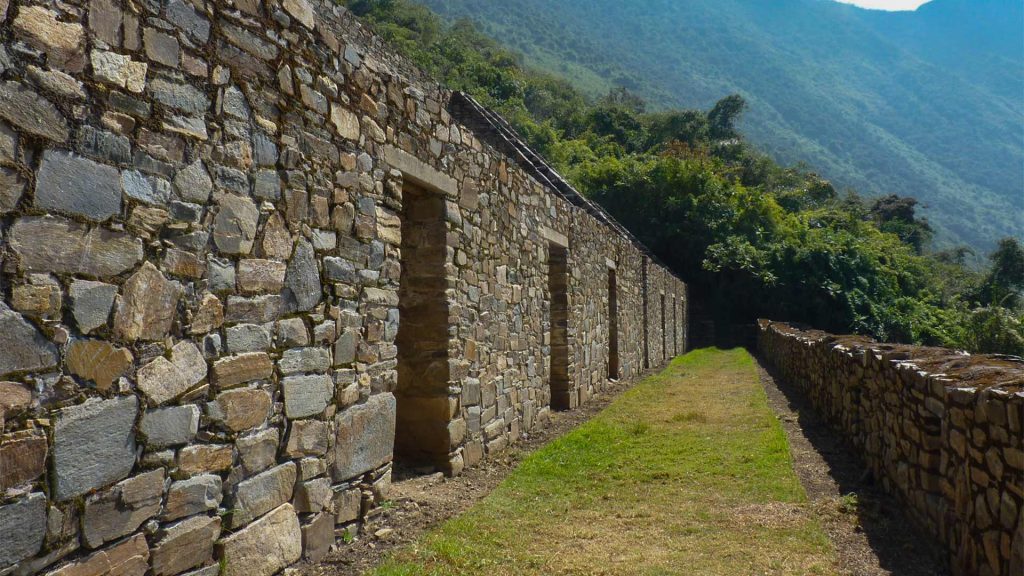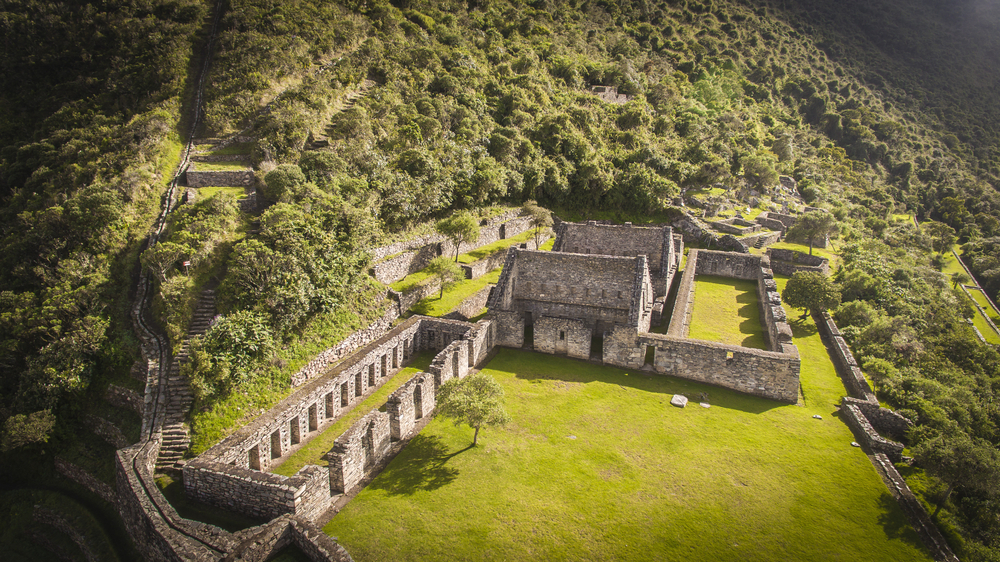
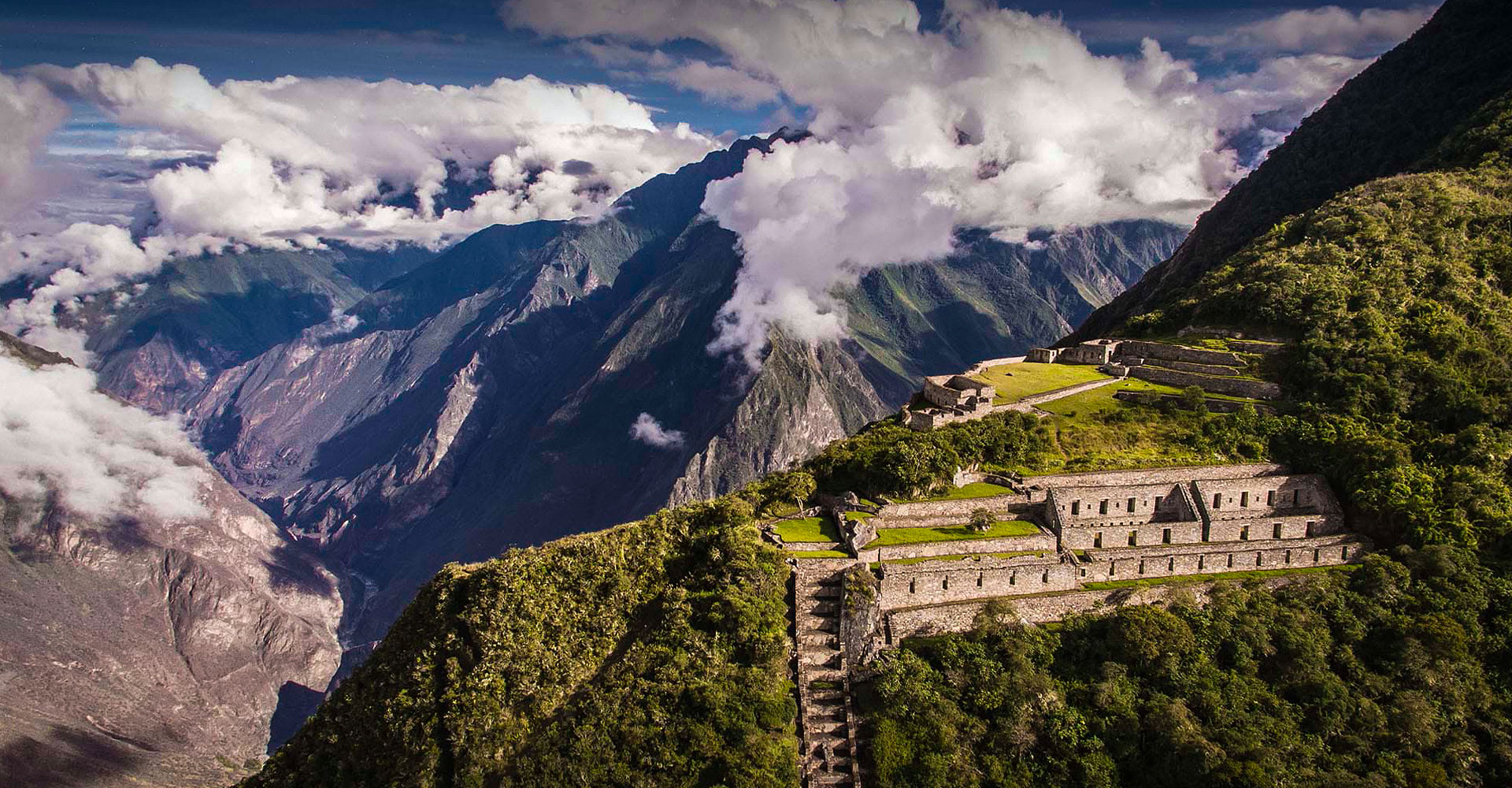
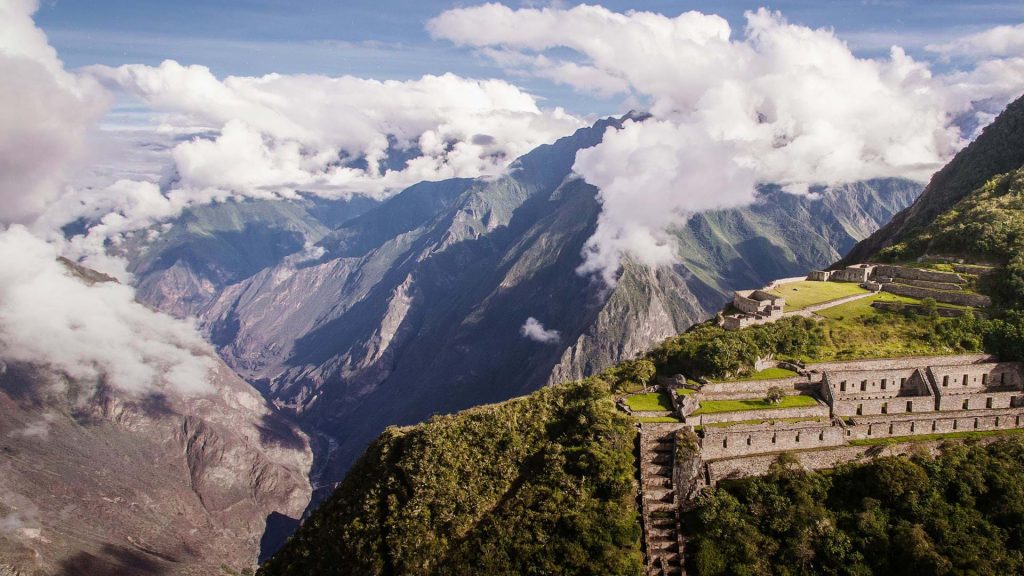
Leave the crowds behind and step into the silence of the Andes. Choquequirao, the Cradle of Gold, is the magnificent sister city to Machu Picchu. While it remains largely untouched by mass tourism, it is three times larger than its famous counterpart and arguably even more mysterious.
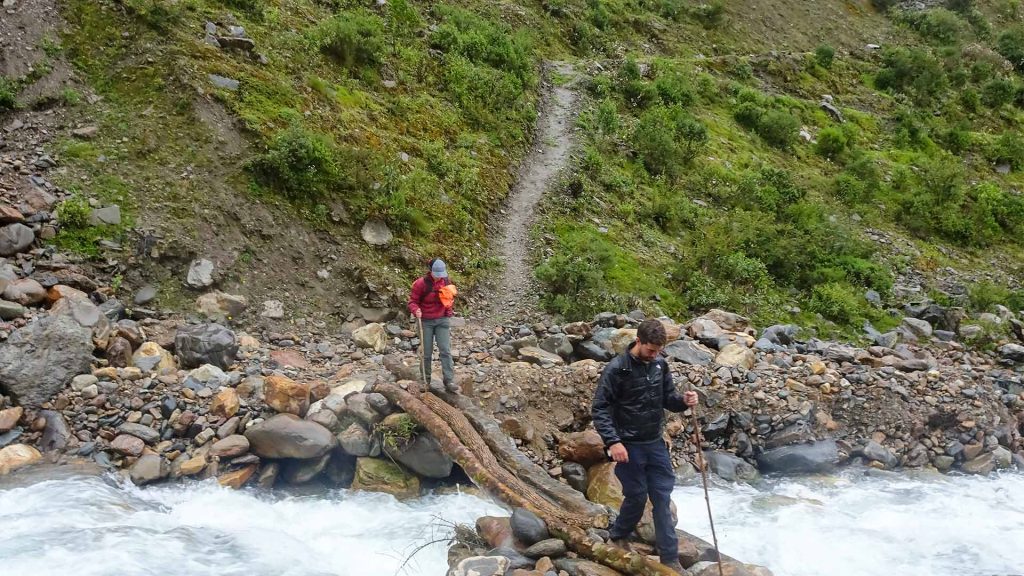
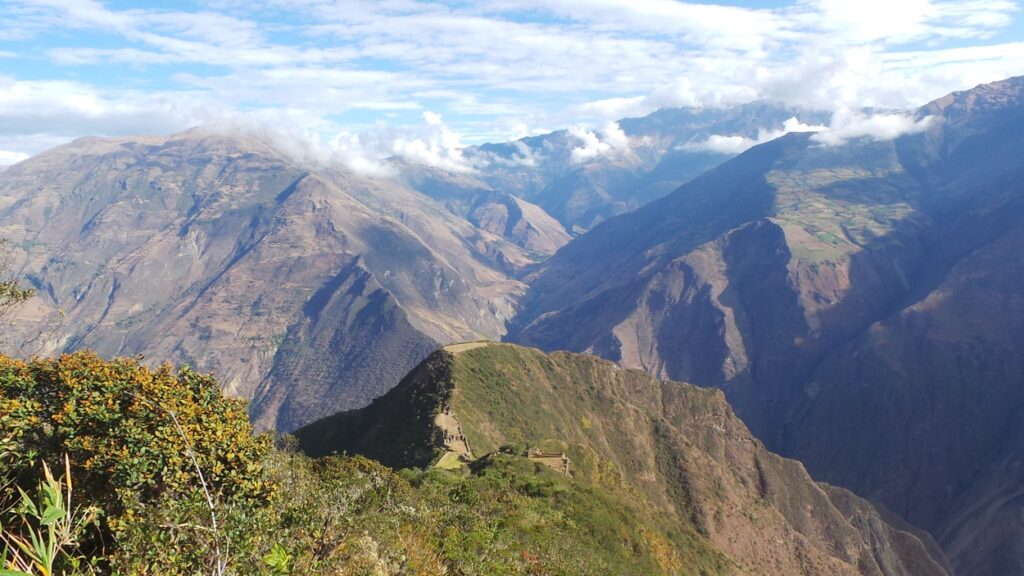
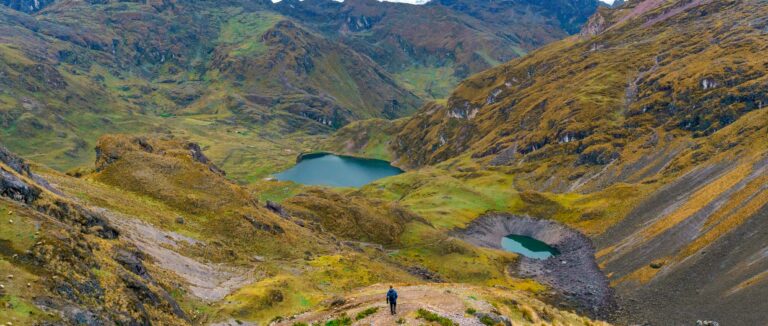
This is not a casual walk; this is a rugged, high-stakes adventure into the depths of the Apurimac Canyon. You will cross roaring rivers, navigate mountain switchbacks, and climb to the cloud-drenched summit where the Inca elite once retreated. This trek is designed for the adventurous spirit who craves solitude, pristine landscapes, and the raw beauty of a site that truly feels lost in time.
5571 m.s.n.m
Up to 8
Group or private
Trekking
Challenging
4 days / 3 nights
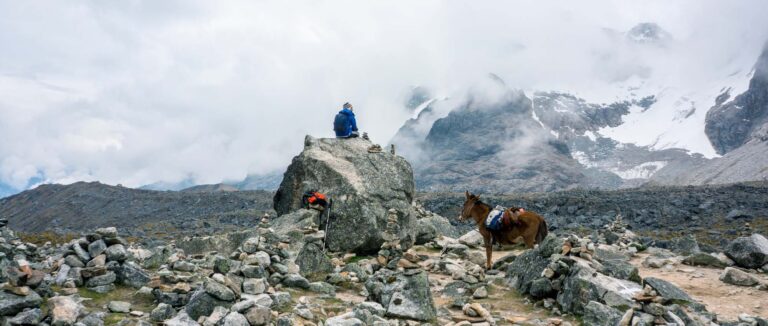
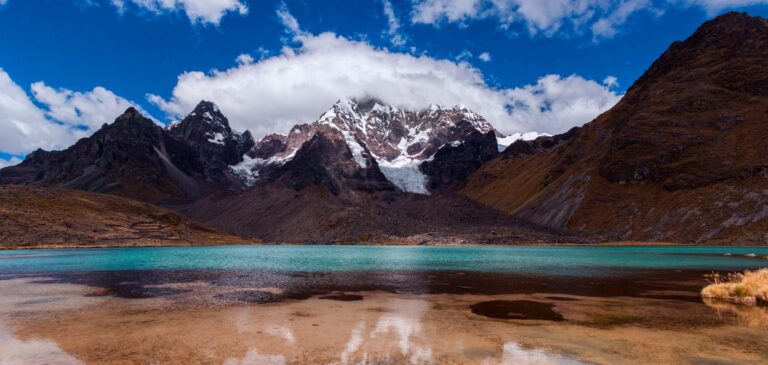
Your adventure begins as we depart Cusco, traveling toward the trailhead at Capuliyoc. As we descend into the mighty Apurimac Canyon, the landscape shifts from high-altitude scrub to lush, dramatic rock faces. The trail is steep and rewarding, offering incredible views of the snow-capped Padreyoc peak. We make our way down toward the river before a final push to reach our campsite in Santa Rosa.
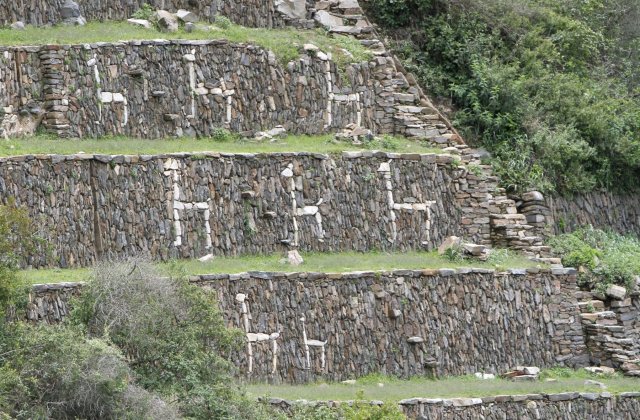
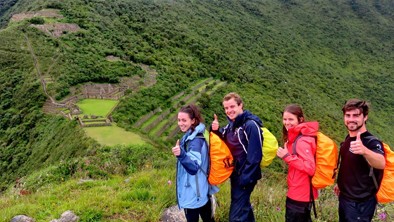
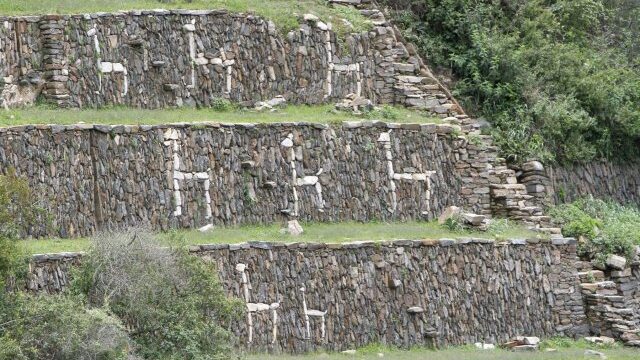
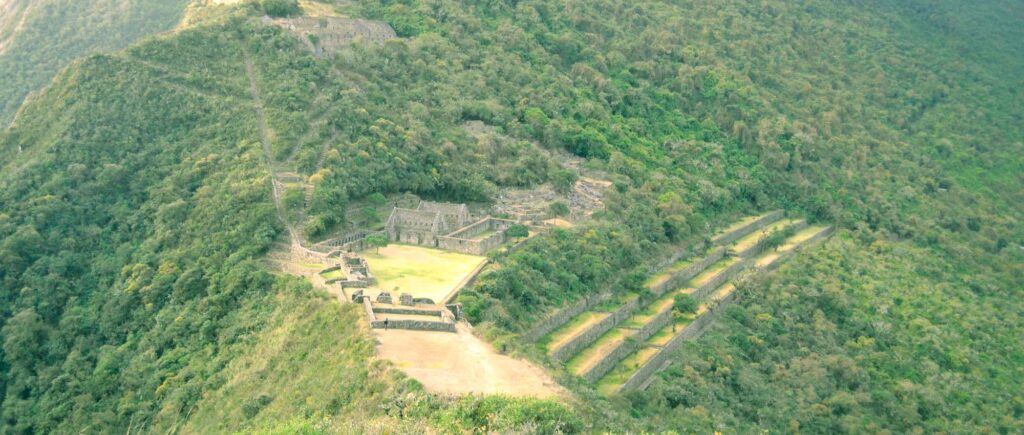
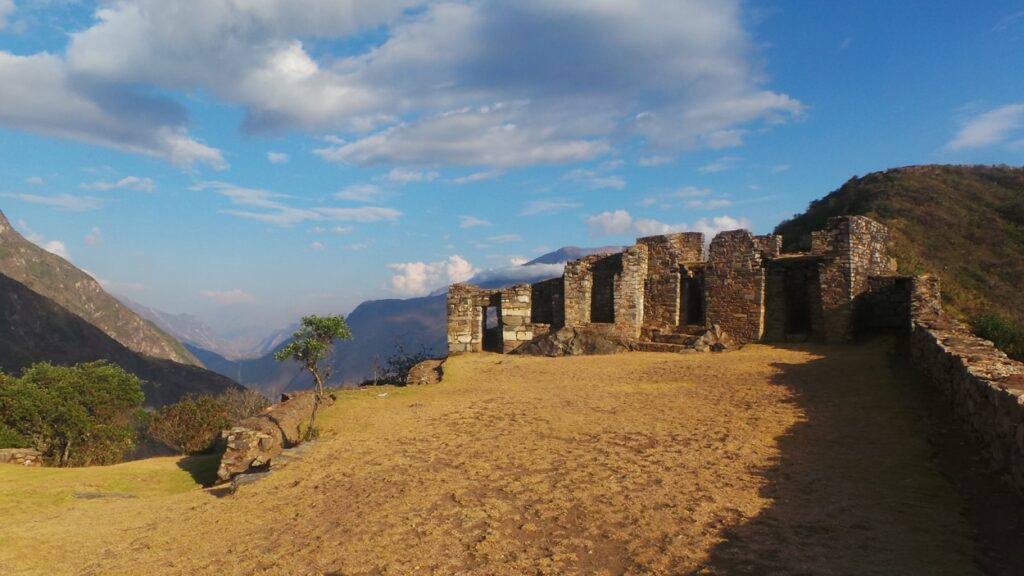
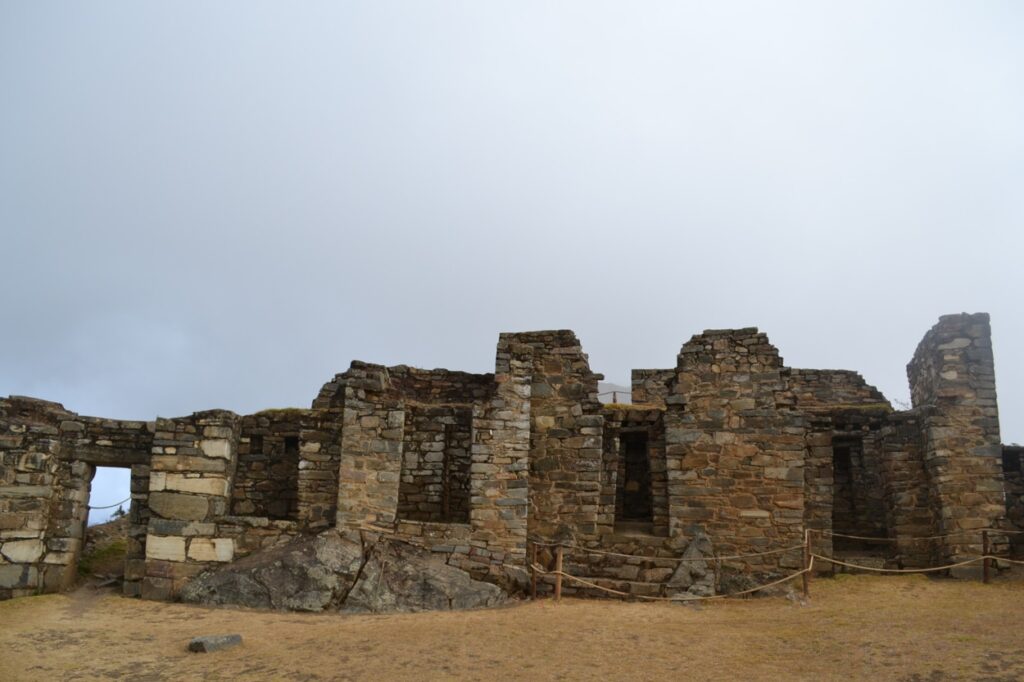
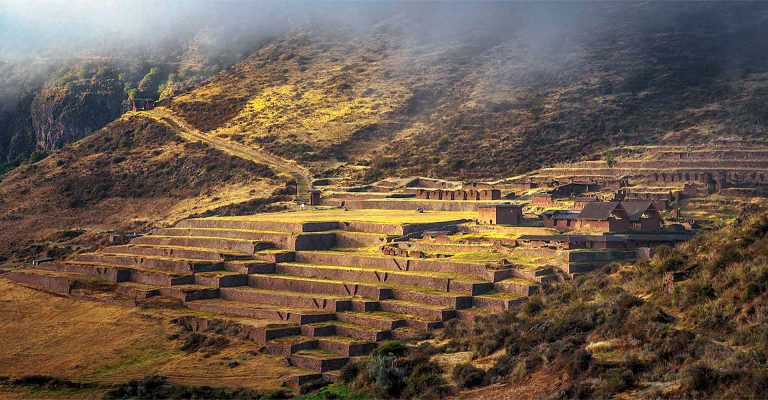
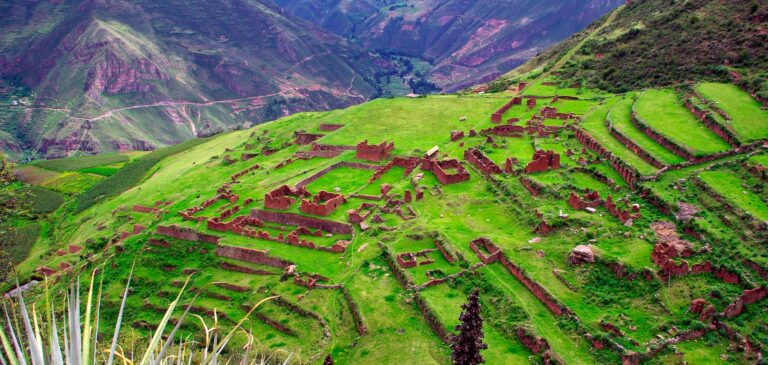
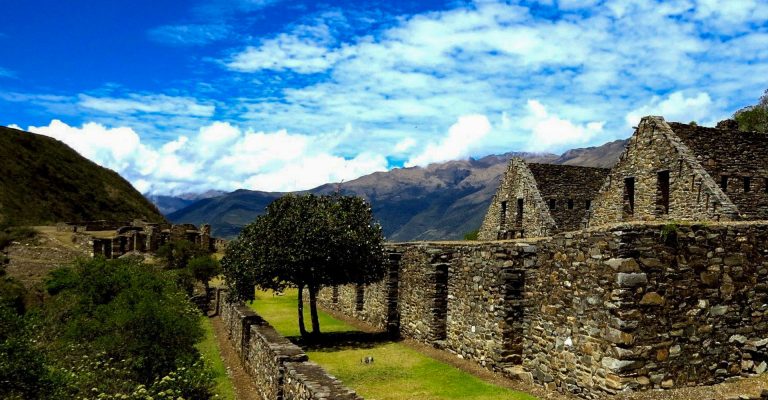
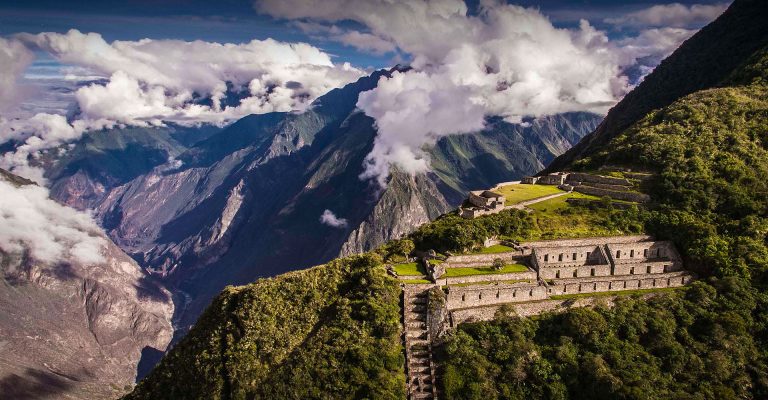
We start early to conquer the ascent to the village of Maranpata. From here, the terrain begins to flatten, and the first glimpses of the sprawling Choquequirao archaeological site appear in the clouds. After settling into camp, we dedicate the afternoon to an immersive, private guided tour of the Cradle of Gold. You will explore the main temples, the ceremonial Usnu, the water fountains, and the iconic terraces adorned with stone llama figures.
After a sunrise breakfast overlooking the ruins, we begin our descent back into the heart of the canyon. This is a day for soaking in the scale of the landscape as we drop toward the Apurimac River. After crossing the valley floor, we take on the moderate climb back up to our third evening’s campsite at Chiquisca. It is a day of reflection, allowing you to process the sheer scale of the ruins you just explored.
Our final day sees us tackling the steady ascent back toward the Capuliyoc pass. As we reach the top, the panoramic views of the canyon are a final, stunning reminder of what you have accomplished. Before we return to Cusco, we stop at the Saywite archaeological site to admire the mysterious carved monolith, before our private transport brings you back to your hotel in the evening.
Our trekking days flow through natural phases, designed to keep you energized and safe while maximizing your time in the mountains:
The Choquequirao Trek (4 days) is available on any date that suits your schedule, provided we have a minimum of 2 hikers.
Let’s be honest: it is challenging. You are crossing the Apurimac Canyon, which involves significant elevation loss and gain. We recommend this trek only for those who are physically active and comfortable with steep, sustained hiking.
While you don’t need to be a professional athlete, you do need to be in good physical shape. The days are long, and the trail can be strenuous. Our guides are trained to monitor your pace, and we include an emergency horse for those who may need a break.
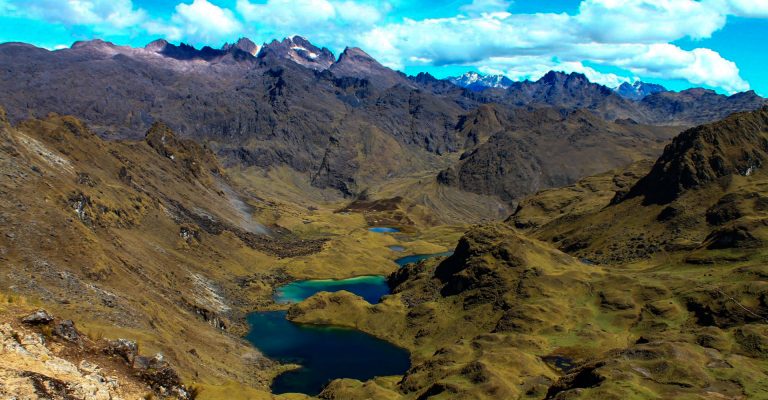
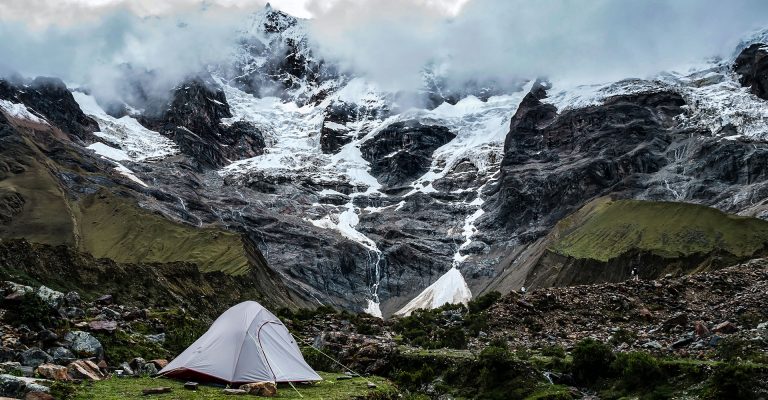
It varies wildly. You will be trekking in a deep, hot canyon and then camping near high-altitude peaks. Expect hot days and cold nights. Layers are your best friend.
It is different. If you want a crowded, paved trail with ruins every mile, do the Inca Trail. If you want a quiet, rugged, challenging expedition where you can explore a massive site in solitude, Choquequirao is the only choice.
May through September offers the driest conditions and the clearest views. During these months, the trail is safer and more stable.
The maximum group size is 8 people. Usually, our groups are between 2–6 people. We specialize in small, private groups and provide a personalized service.
You will have 1 cook per group. The number of porters depends on the size of the group: 2 trekkers have 4 porters, 4 trekkers have 6 porters, 6 trekkers have 9 porters, and 8 trekkers have 12 porters.
The evening before you start your trek, you will be given a small duffel bag to pack your clothes for the next four days. Your weight allowance is up to 7kg (15 lbs). Your team of porters will carry this bag, along with the food and camping gear. You will not have access to this bag until the end of each day, as the porters travel ahead. During the trek, you need a day backpack (30–50 liters is sufficient) to carry your daily essentials: a warm jacket, rain gear, camera, sunscreen, snacks, and water.
Yes. It is considered difficult. You need to be in good physical condition and well-accustomed to the altitude. Fitness is vital; the fitter you are, the more you will enjoy the trail and appreciate the scenery. If you do not exercise regularly, it is advisable to do extra walking, hiking, or aerobic activity in the months leading up to your trip.
In the scenario that you are unable to finish the trek due to a health issue, we will assist you to the nearest town for help with transportation. We carry oxygen on the trek for any respiratory problems. In extreme cases, a helicopter pickup can be arranged at your own expense (travel insurance is required). Please note there are no refunds if you are unable to finish the trek.
Absolutely! Included in the package, on the final day, we will drop you off at your hotel. If you have booked your accommodation in the Sacred Valley (Ollantaytambo or Urubamba), we will drop you there as well.
It depends on train availability (during high season, it can book out quickly). We aim to give you as much time as possible in the region, so we usually book the train around 4:22 PM to allow you to enjoy the views on the way back.
If you are happy with the service, a tip, though not compulsory ,is appropriate. It is of great significance to the team who takes care of you and inspires them to provide excellent service. It is an entrenched feature of the tourism industry across our destinations. You are free to tip as much as your budget allows, depending on the quality of service and the length of your trip.
Yes. We are a local, sustainable, and responsible tourism operator. We incorporate the universal principles of tourism: protecting the environment and benefiting local communities by respecting their culture and religion. Our local staff are trained to understand, know, and respect the places we visit and the people who live there.
As a professional direct local tour operator, we provide you with a duffle bag at your briefing and include an extra porter who will carry up to 7 kgs or 15 pounds, including your 2.5kg sleeping bag, mattress, and extra clothing.
What to put in your backpack
We highly recommend a small backpack 30 to 40 litres for hiking in the day. A big backpack will not be allowed into Machu Picchu. The remainder of your belongings will be in your duffel bag at camp.
Cusco
Cusco
We couldn't make this impact without our partners. Join us in changing lives.