



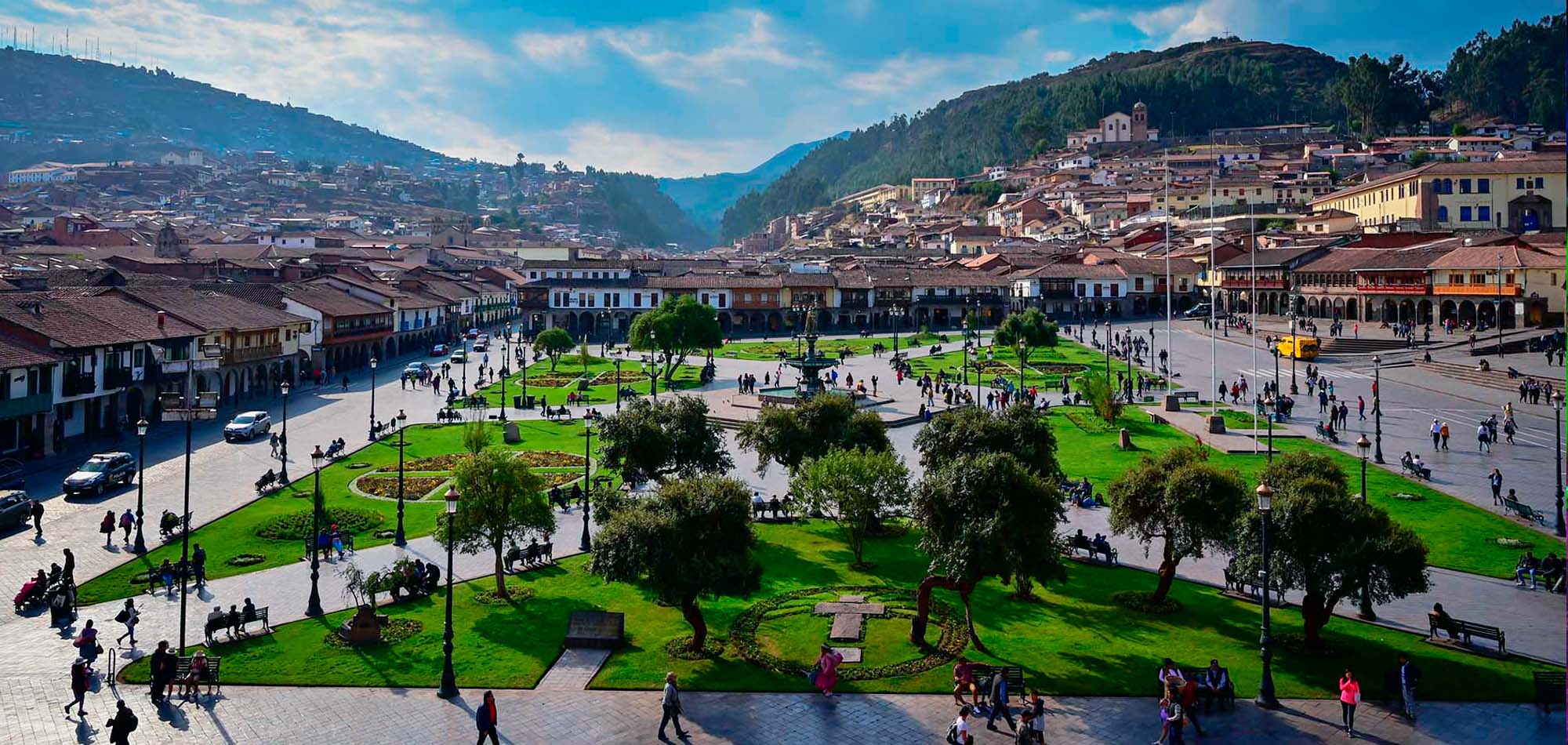
Cusco is the undisputed archaeological capital of the Americas. Perched high in the Peruvian Andes at 3,400 meters (11,152 feet), this vibrant city seamlessly blends majestic Incan stone foundations with elegant Spanish colonial architecture.
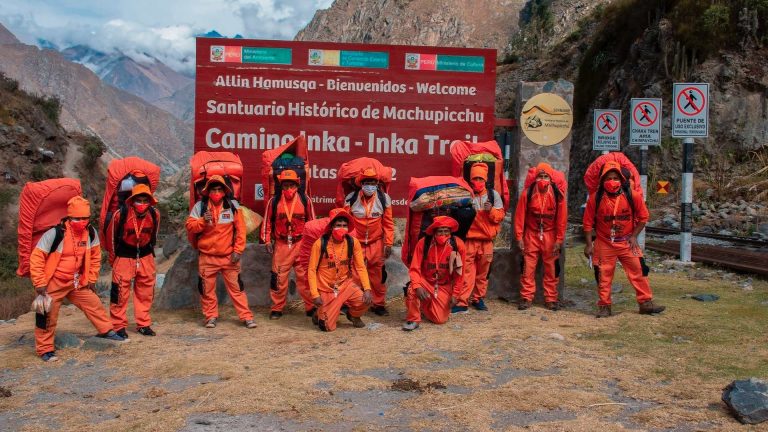
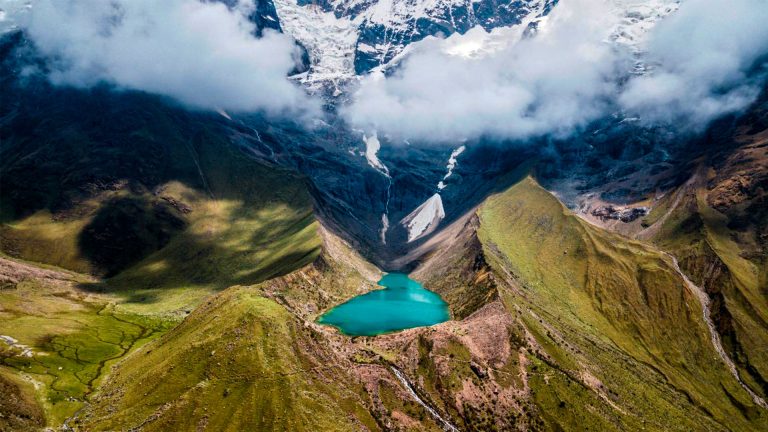
Whether you are acclimatizing before conquering the classic Inca Trail to Machu Picchu, setting off on the rugged Salkantay Trek, or exploring the dramatic depths of the Choquequirao Citadel, Cusco is far more than just a brief layover. From its world-class culinary fusion to ancient neighborhoods steeped in living history, here is the ultimate local blueprint to exploring the navel of the world.
A Brief History of the Imperial City
Long before the Spanish arrived in November 1533, Cusco was the nerve center of the vast Incan Empire (Tawantinsuyu), which spanned half of the South American continent and housed over 12 million people. The Incas originally mapped the city out in the intentional shape of a sacred, poised puma, with the fortress of Saqsayhuaman forming the head.
Designated a UNESCO World Heritage Site in 1983, modern Cusco is a bustling, metropolitan city of over 430,000 residents. It serves as a global hotspot where indigenous Quechua heritage effortlessly meets a thriving international expat community. With blazing fast internet, exceptional modern apartments, and a legendary nightlife scene, it has become a premium hub for hikers, digital nomads, and culture seekers alike.
Local Insight: The nearby Sacred Valley acts as Cusco’s natural greenhouse. This allows local kitchens to source native superfoods, heirloom corn, and thousands of varieties of organic potatoes grown using ancient agricultural terrace techniques.
1. Get Lost in the Sights and Scents of San Pedro Market
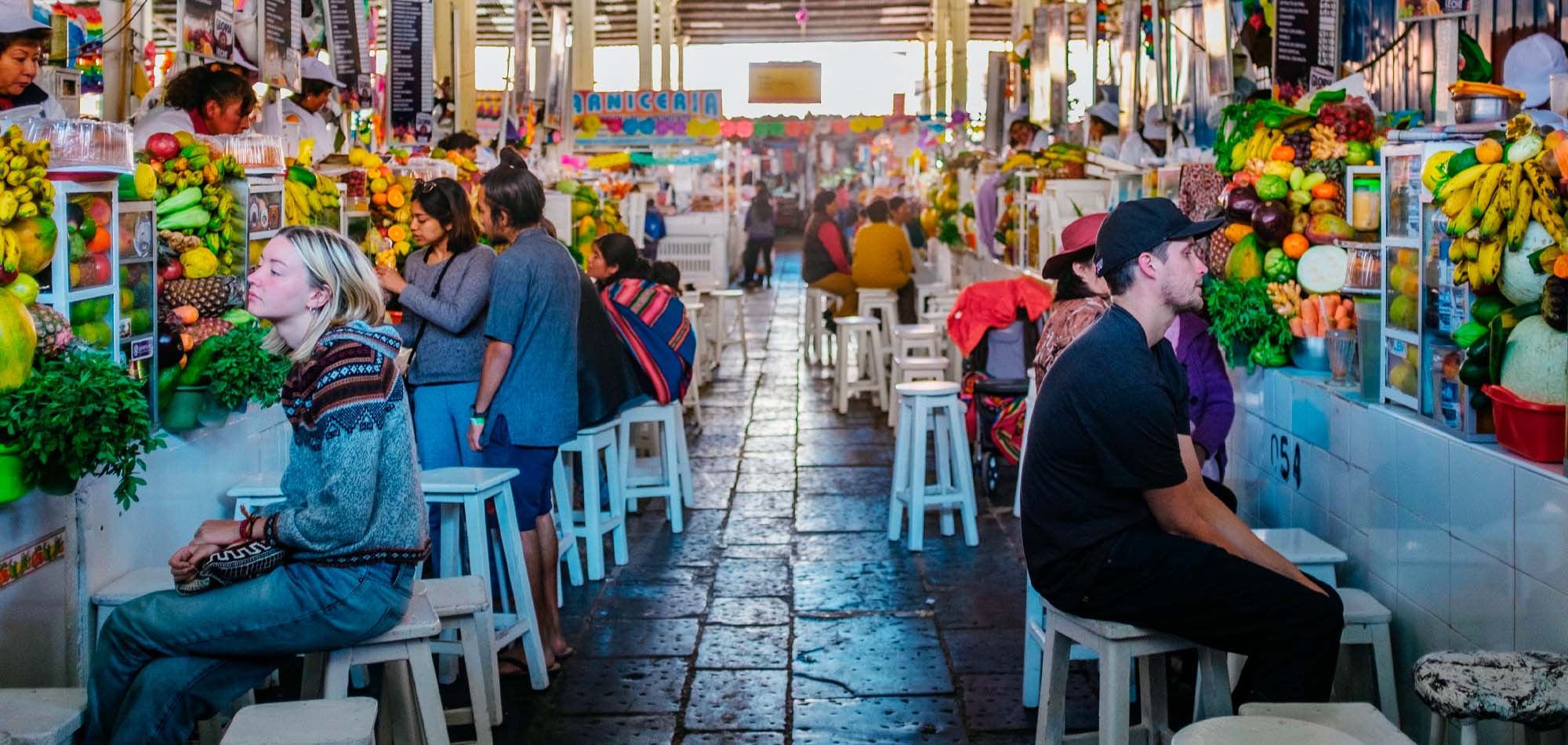
Stepping into the Mercado Central de San Pedro is a sensory jumpstart. This massive marketplace is the true beating heart of everyday life in Cusco. Here, goods from the Pacific coast, the dense Amazonian jungle, and the high Andean peaks converge daily.
As you wander down the organized aisles, you will pass vibrant displays of hand-woven alpaca clothing, mountain cheeses, and towers of native superfoods like quinoa, maca, and kiwicha at incredible local prices. Stop by the famous juice stalls for a freshly made fruit smoothie, or browse the traditional remedy stands. Take your time, wander slowly, and experience a fascinating glimpse into everyday Cusqueña life.
2. Craft Your Own Treats at the ChocoMuseo
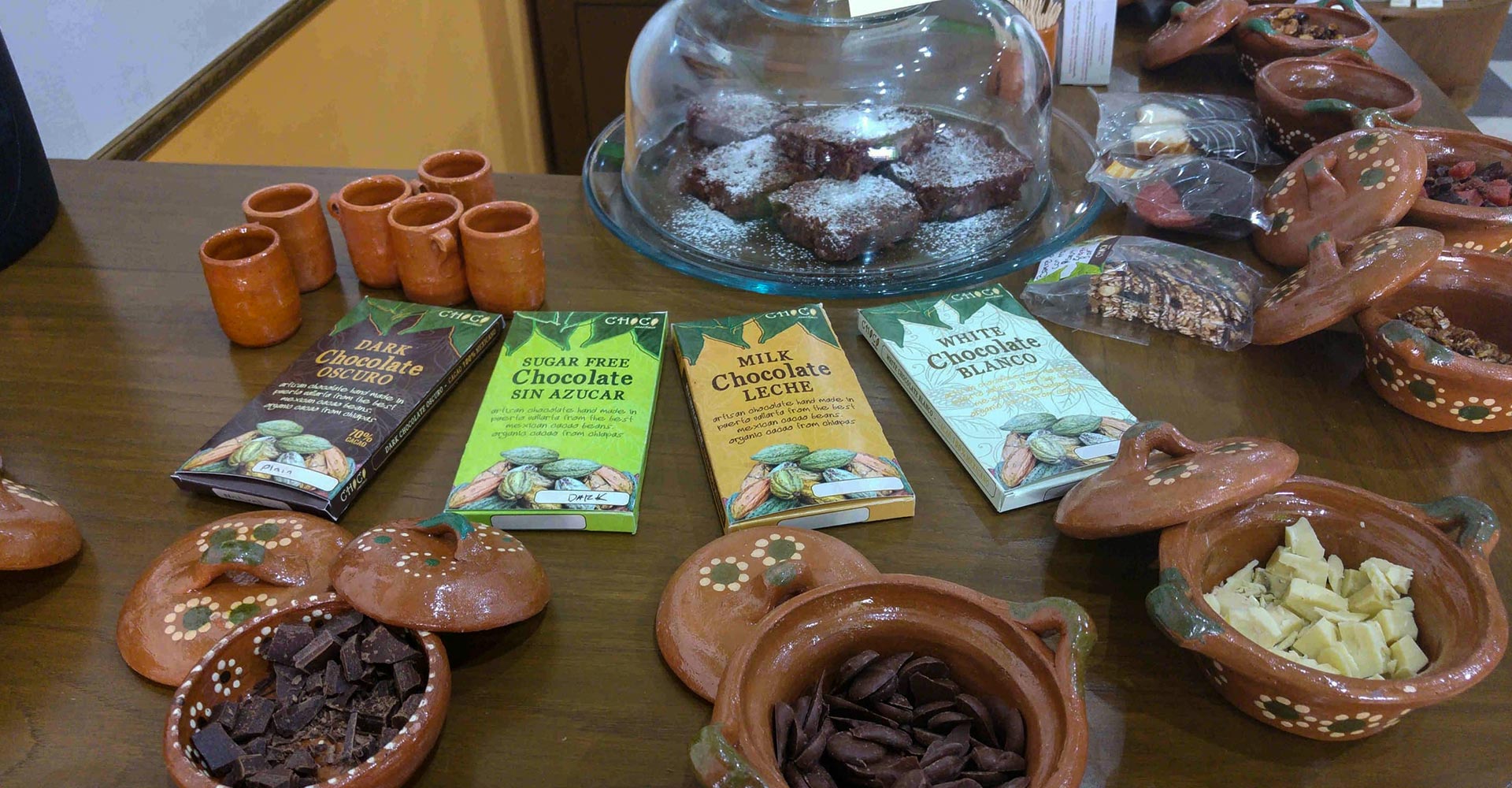
Peru is consistently ranked as one of the top ten cacao producers on the planet, harvesting some of the most aromatic beans in the world. For anyone with a sweet tooth, a stop at the ChocoMuseo is an absolute must.
Rather than simply browsing their unique flavors (like their signature dark chocolate infused with native coca leaves), you can book an interactive, hands-on workshop. In just two hours, local experts teach you how to roast raw cacao beans, grind them into a traditional paste, and pour your own custom chocolate bars to take home.
3. Dine on a Historic Balcony Overlooking the Plaza de Armas
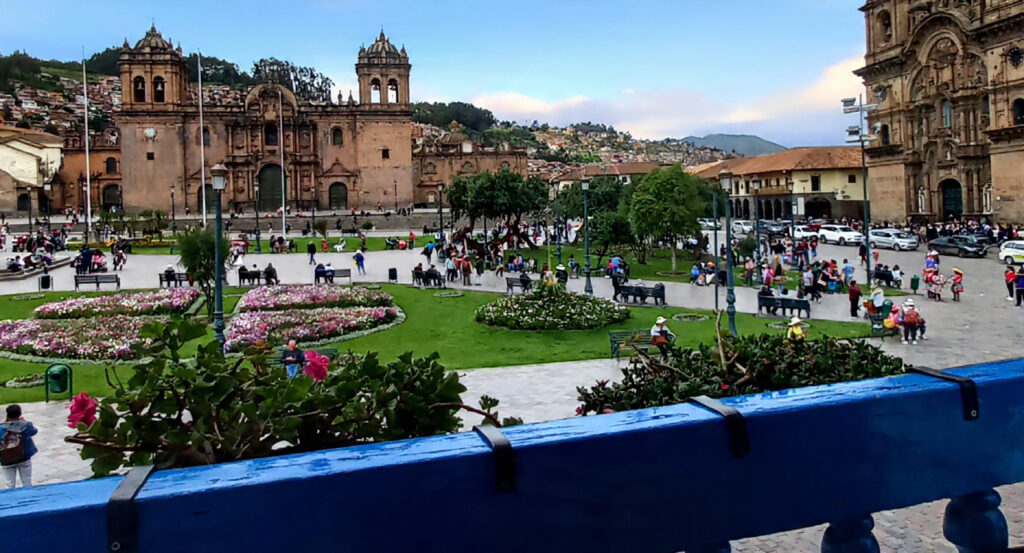
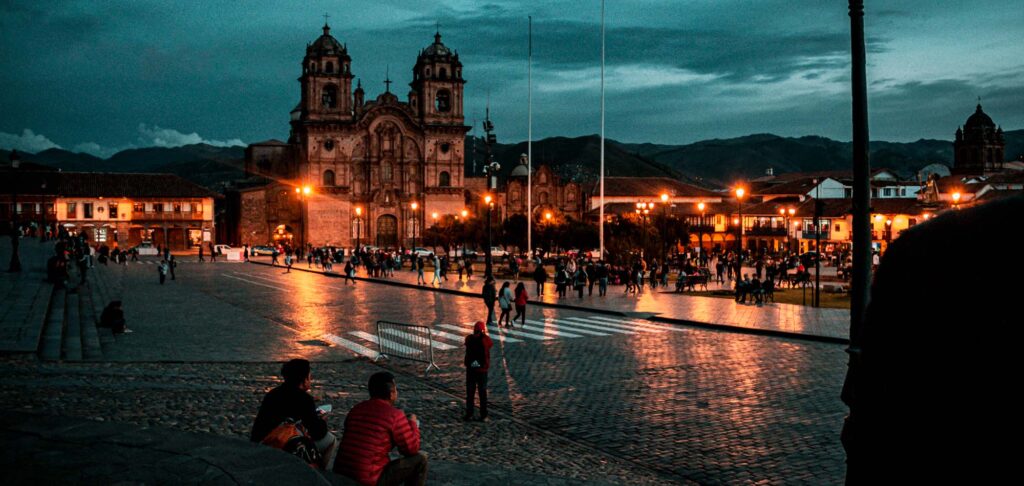
The Plaza de Armas is Cusco’s main social hub, anchored by its stunning colonial cathedral and beautifully manicured gardens. To experience it properly, secure a historic second-floor balcony seat at one of the many restaurants framing the square.
Whether you are sampling neo-Andean alpaca steaks, crisp wood-fired pizzas, or creative plant-based options, these elevated vantage points offer a front-row seat to the city. During the day, it is ideal for taking photos and spotting spontaneous folk dance parades. At twilight, the historic arches light up, creating an electric atmosphere.
4. Support Wildlife Recovery at Ccohahuasi Animal Sanctuary
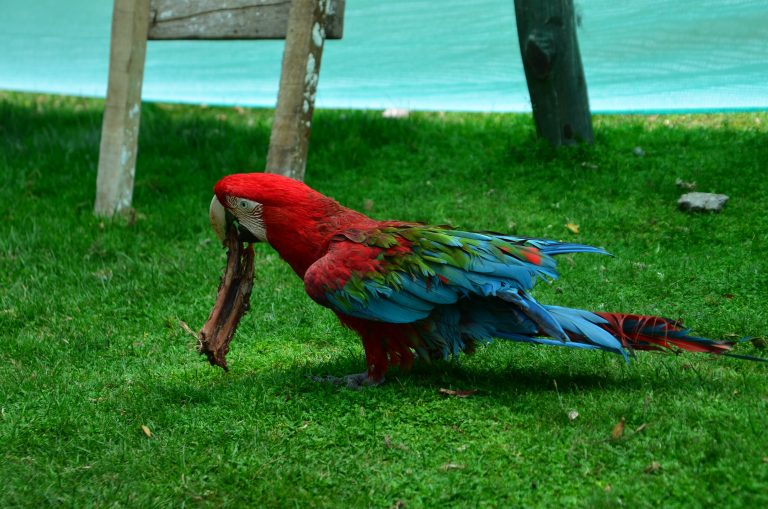
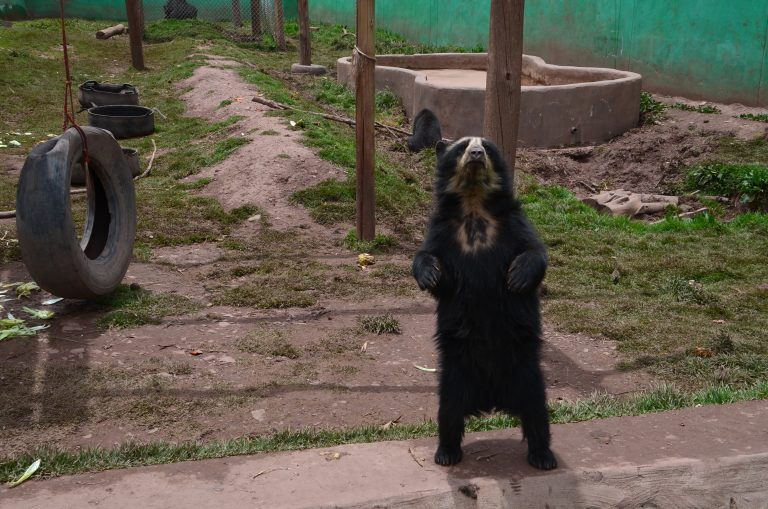
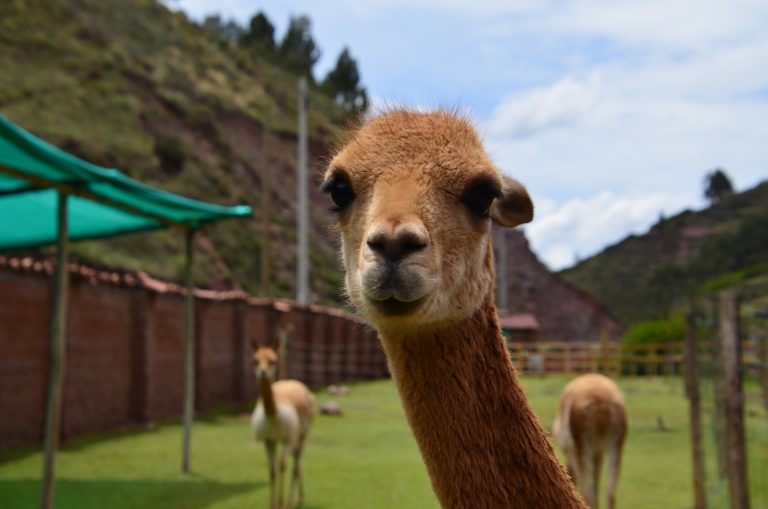
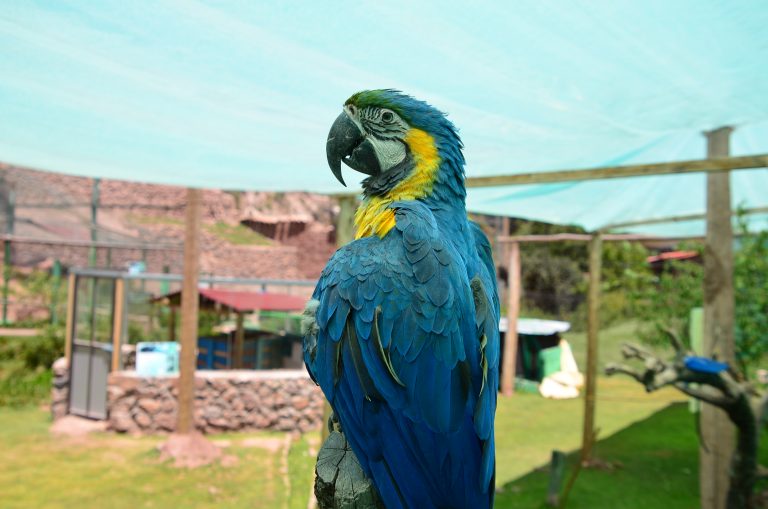
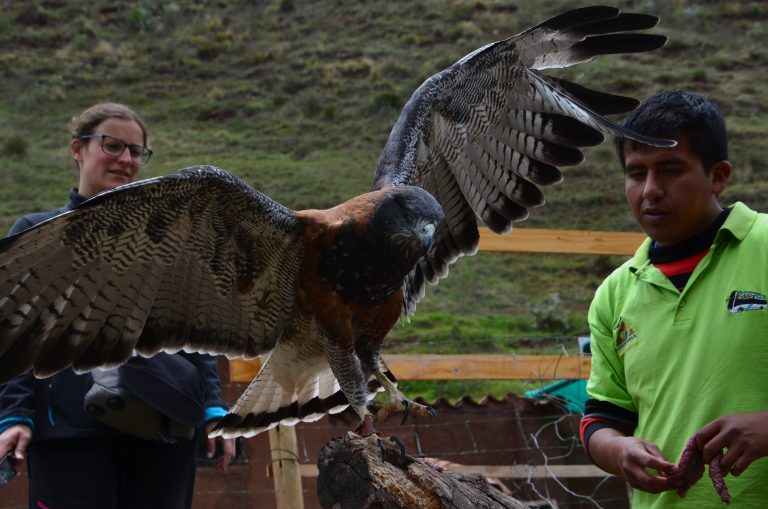
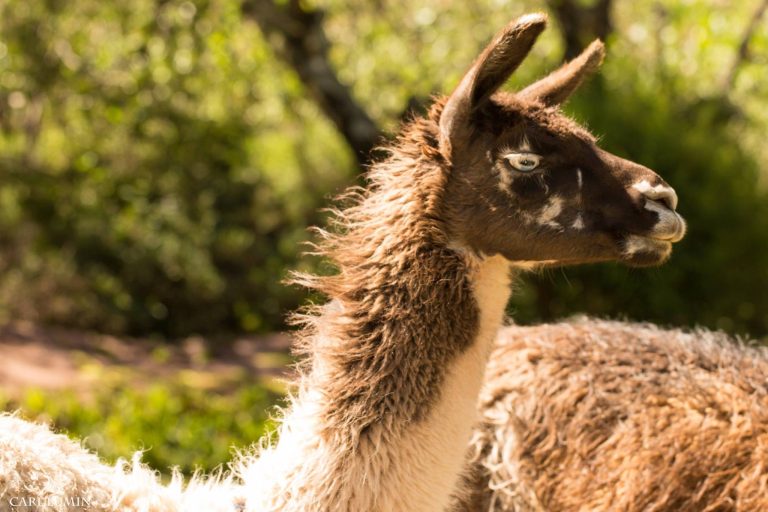
Located just 22 kilometers (about 30 minutes) outside the city along the scenic road to Pisac, the privately run Ccohahuasi Animal Sanctuary does vital conservation work. Founded in 2007, this sanctuary rescues animals that have been victims of illegal trafficking, poaching, or domestic mistreatment.
It provides a safe habitat for endangered species, including majestic wild Peruvian pumas, rare Andean foxes, and the legendary Andean Condor. Visiting the sanctuary directly helps fund their rescue and release operations while educating travelers on the importance of cruelty-free, ethical tourism.
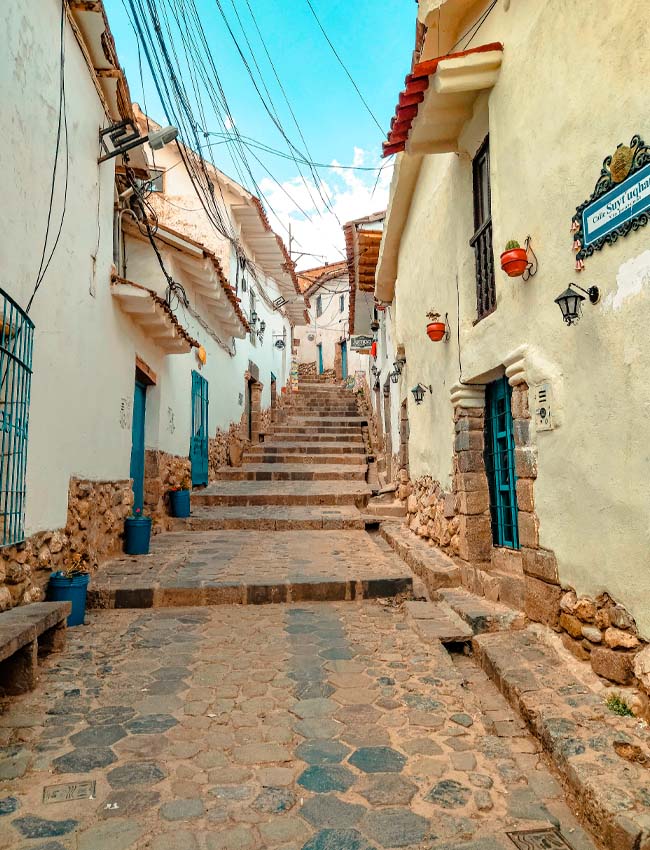
5. Stroll Through the Bohemian Streets of San Blas
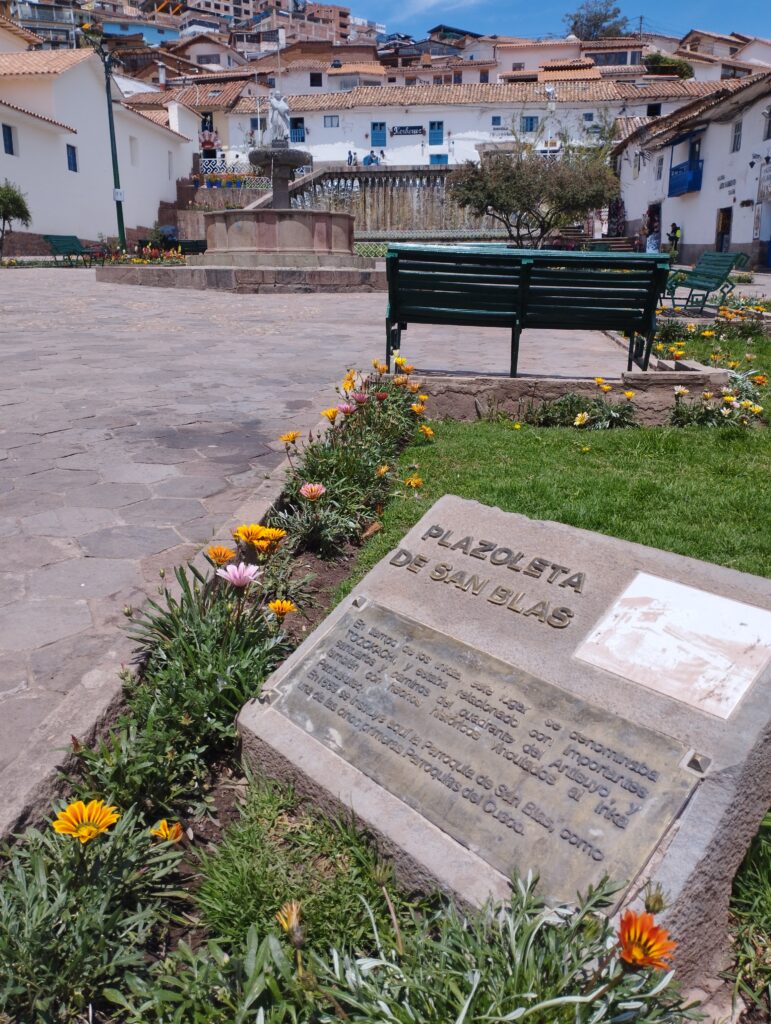
To get a feel for Cusco’s artistic side, head up the hill to the picturesque neighborhood of San Blas. This trendy enclave feels worlds apart from the busy commercial areas down below. It is filled with narrow, white-washed stone alleys, independent artisan workshops, hidden specialty coffee shops, and cozy restaurants.
During the afternoon, it is the perfect place to wander slowly, pop into small jewelry boutiques, and look out over the sweeping rooftops of the city center below. It is absolutely worth the short walk up the hill.
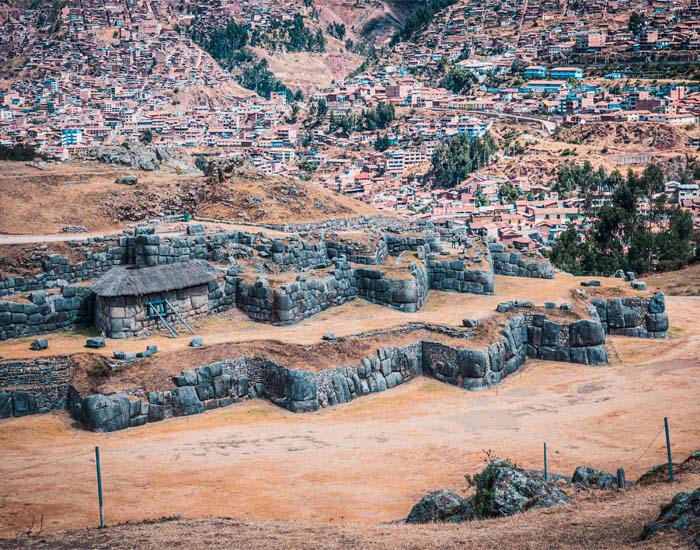
6. Marvel at the Megalithic Walls of Saqsayhuaman
You do not have to travel all the way to the Sacred Valley to see jaw-dropping Incan engineering. Sitting directly above the city is Saqsayhuaman (pronounced sack-sigh-wah-man). This massive complex features towering, multi-tiered zigzag walls constructed from megalithic limestone boulders. Some of these stones weigh well over 100 tons and fit together so perfectly that you cannot slide a sheet of paper between them.
Based on its strategic high-ground location, it served as a powerful military fortress protecting the imperial capital. To explore this site, you will need to purchase the Boleto Turístico (Cusco Tourist Ticket).
How to Get There: You can hail a registered local taxi from the center for about 10 PEN, or enjoy a steep but rewarding 30-minute uphill walk via the pedestrian staircases starting near Plaza Nazarenas.
7. Taste Local Flavors on an Expert Culinary Tour
Peruvian gastronomy is celebrated across the globe, and Cusco is a prime spot to explore it. Traditional Andean food features clear Spanish, African, and Asian culinary influences. Joining a local food tour is an excellent way to sample authentic local specialties.
Beyond sampling classic dishes, you will get to try unique traditional drinks, including chicha morada (a refreshing, non-alcoholic spiced purple corn beverage), frutillada (a foaming, artisanal strawberry chicha), and the classic Pisco Sour, shaken with lime and egg whites.
8. Catch a Magical Panoramic Sunset
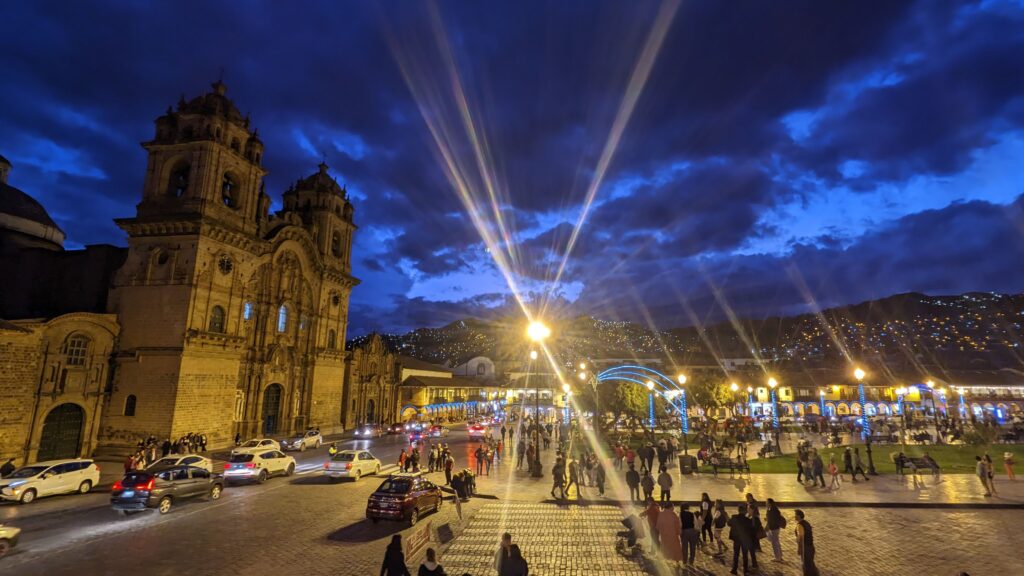
As night falls, the valley glows beautifully. There are three iconic vantage points around town to watch the sun go down, each offering a distinct view:
- Cristo Blanco: This towering white statue of Christ offers panoramic views of the entire valley. The uphill trek can be quite a workout at this altitude, so consider taking a quick 10 PEN taxi ride up and walking back down.
- Plaza San Cristóbal: Located just a steep, 10-minute walk from the main square, this majestic church terrace overlooks the historic center and makes a great pre-dinner viewpoint.
- Mirador de San Blas: A vibrant local gathering spot right next to the neighborhood’s popular cafes and bars.
9. Feast with Locals at the Plaza Túpac Amaru Food Fair
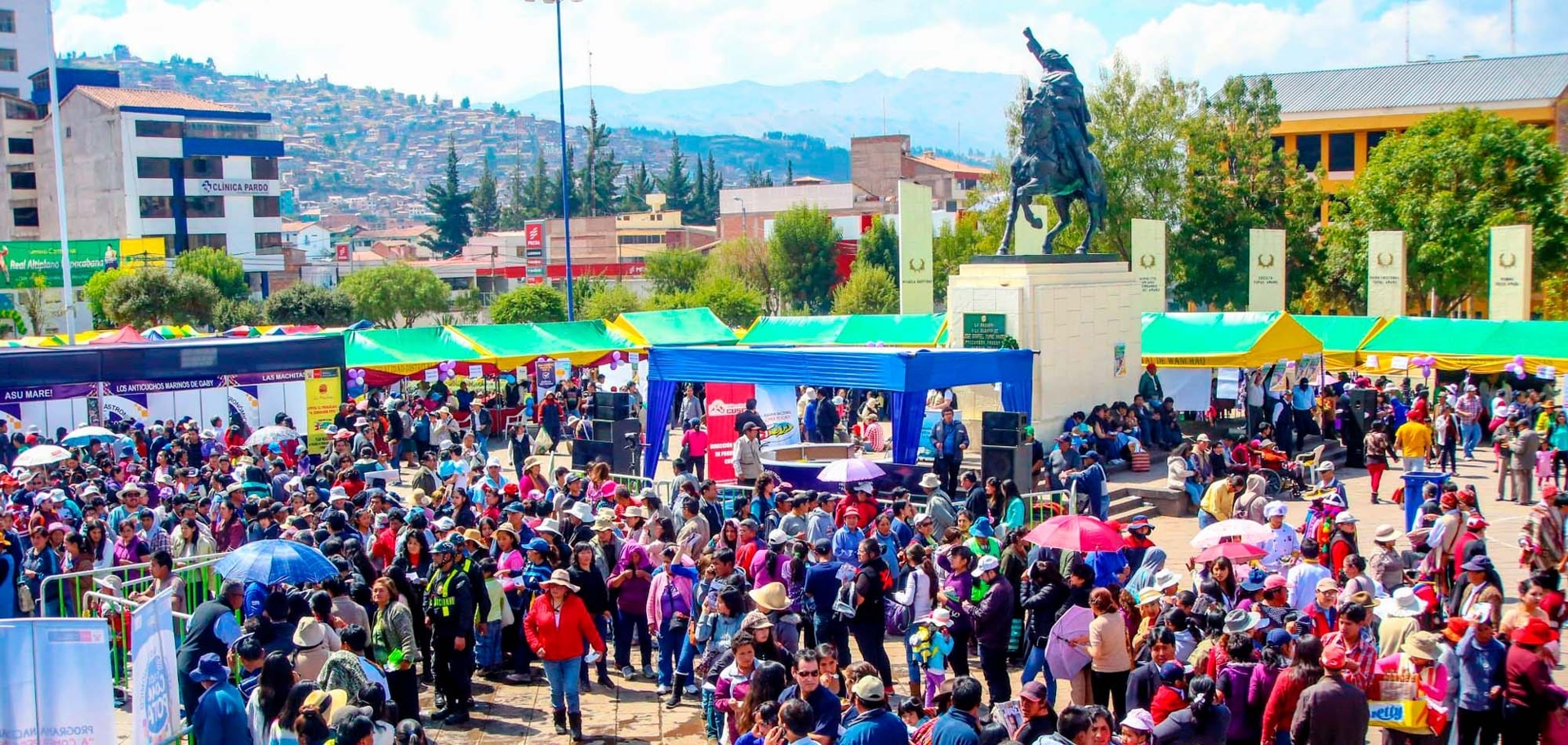
If your travel dates land on a weekend, skip the standard tourist venues and head over to the bustling Plaza Túpac Amaru. When the local food fairs open, this park transforms into a paradise for food lovers.
Smoke rises from rows of open-air grills serving anticuchos (marinated beef heart skewers), savory chicharrones (crispy pork belly), and classic local desserts like warm, sweet picarones (pumpkin and sweet potato donuts). It is a festive, family-friendly atmosphere complete with live street performances and authentic community vibes.
10. Pamper Yourself with an Andean Massage
Cusco is an incredibly walkable city, but exploring its steep hills, cobblestone plazas, and archaeological paths will put your leg muscles to the test.
Once you finish your walks along Avenida El Sol and Plaza San Francisco, treat yourself to a soothing deep-tissue massage. Many local wellness centers offer relaxing treatments utilizing traditional Andean essential oils made from local herbs like coca, eucalyptus, and muña (Andean mint). It is the ultimate reward for your feet after a long day of exploring.
More Unique Highlights and Cultural Experiences
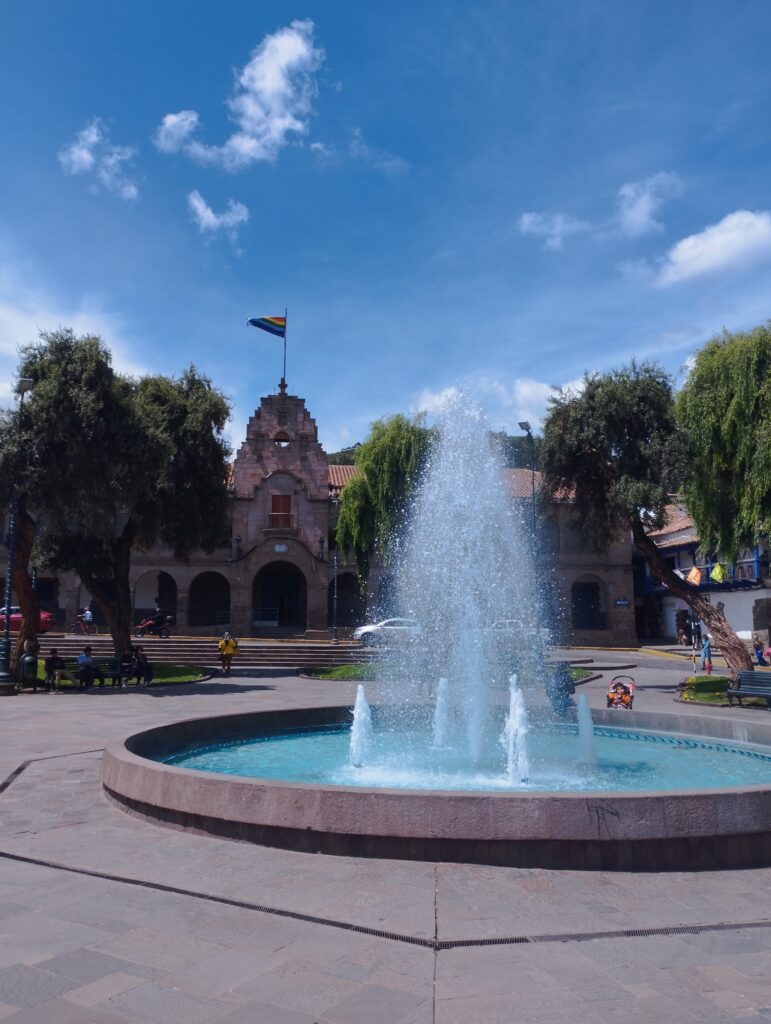
Visit the Underground Qorikancha (Temple of the Sun)
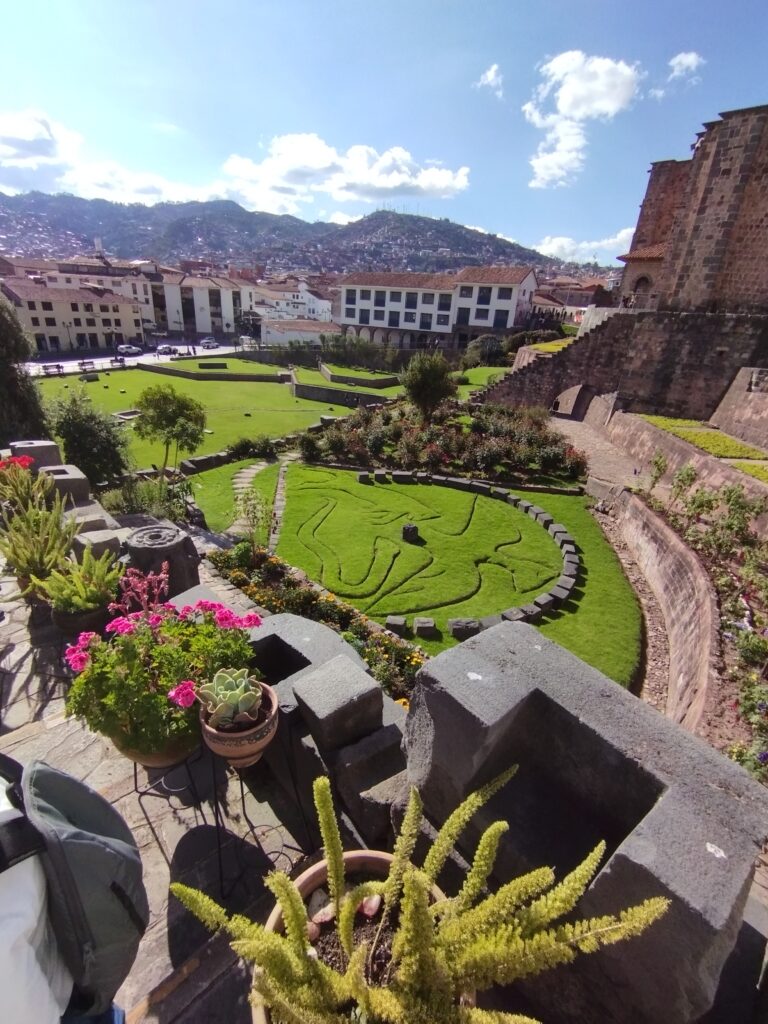
This site is arguably the most striking visual representation of the historic clash between Incan and Spanish civilizations. Qorikancha was once the most important temple in the Incan Empire, its interior walls entirely sheathed in thick sheets of solid gold. Following the Spanish conquest, the complex was looted, and the Church of Santo Domingo was built directly over its polished stone foundations.
Explore the Museo de Arte Precolombino (MAP)
Tucked away in the quiet Plazoleta de las Nazarenas, this world-class museum displays an extraordinary collection of ancient jewelry, pottery, and textiles dating from 1250 BC to AD 1532. It highlights artistic treasures from the Inca, Nazca, Moche, and Wari cultures, and features a spectacular dining courtyard right on site.
Demystify the Leaf at the Coca Museum
Long before its modern associations, the sacred coca leaf was cultivated by Andean cultures for thousands of years as a source of energy, nutrition, and spiritual connection. This intriguing museum explores its history, its traditional use in preventing altitude sickness (soroche), and its enduring role in modern Andean communities.
Take a Horseback Riding Tour Across the Andes
If you want to experience the dramatic mountain scenery from a fresh perspective, book a half-day horseback riding tour. These excursions quickly transport you away from the city streets into tranquil Andean valleys, offering rolling views of high mountain peaks and hidden archaeological sites.
Try a Pisco Sour.
Going out in Cusco is only feasible if you drink the city’s most famous cocktail. A barmaid in Lima, Peru, introduced the pisco sour, which is considered Peru’s national beverage, in the 1920s. It makes use of pisco, a grape brandy produced solely in Peru . Typically, the smell outweighs the flavor. If you have good pisco, it should be silky and taste almost like scorched wine.
Pisco, simple syrup, lime juice, egg white, and Angostura bitters are combined in the pisco sour. It has a citrus flavor due to the tartness of the lime juice and the fluffy egg white. It’s a tasty way to remember your time in Cusco.
Join a Free Cusco Walking Tour
If you have just arrived in Cusco, joining a local free walking tour is hands down the best way to get your bearings. These popular, tip-based excursions offer a brilliant crash course in Cusco’s layered history, guiding you past hidden Incan palaces and dramatic colonial squares that you might easily miss on your own.
It is the ultimate way to orient yourself, map out the landmarks you want to explore deeper later on, and score excellent insider restaurant recommendations from a local guide. Best of all, it is a fantastic social hub for solo travelers looking to connect and make new friends early in their trip.
- Local Etiquette: While the tours are technically free to join, the guides work entirely on tips. A standard, respectful gratuity is usually between 20 to 30 PEN ($5 to $8 USD) per person depending on how much you enjoyed the experience.
Browse the Artisan Markets (and Learn to Haggle Like a Pro)
Cusco is an absolute treasure trove for shoppers, packed with vibrant open-air markets selling everything from hand-woven alpaca sweaters to intricate sterling silver jewelry. Because many stalls sell similar items, the quality and initial asking prices can vary wildly, making it well worth your time to browse a bit before buying.
Friendly negotiation, known locally as regateo, is an expected and lighthearted part of the shopping culture. The golden rule is to keep it respectful: counter with a price that feels fair to both you and the artisan, rather than aggressively lowballing.
- Cash is King: Traditional market stalls rarely accept credit cards, preferring Peruvian Soles (though crisp, unripped US dollars are occasionally accepted).
- Break Your Big Bills: Always carry small coins and 10 or 20 Soles notes. Handing a vendor a 100 Soles bill for a cheap souvenir is a surefire way to stall the transaction, as change for large notes is notoriously hard to come by.
- Boutique Shopping: If you venture into the high-end textile and jewelry boutiques around the Plaza de Armas or San Blas, prices are strictly fixed, so save your bartering skills for the market stalls.
Essential Cusco Travel Tips and Things to Avoid
To ensure your journey through the high-altitude capital is seamless and safe, keep these practical tips in mind:
- Take Altitude Sickness Seriously: Avoid booking strenuous excursions on your very first day. Give your body at least 24 to 48 hours to adjust to the high elevation, drink plenty of water, sip local muña or coca tea, and opt for lighter meals during your first few days.
- Drink Bottled or Filtered Water Only: Tap water throughout Peru is not safe for drinking. Use bottled or filtered water for drinking and brushing your teeth to avoid unwanted stomach bugs.
- Keep Your Physical Passport Safe: Do not carry your original passport around during casual evening outings or crowded markets where pickpockets operate. Keep it locked in your hotel safe, and carry a clear paper photocopy or a digital photo on your phone for daily identification.
- Use Registered Taxis: Avoid hailing unmarked vehicles on the street late at night. Instead, use official taxi companies, request a ride directly through your hotel reception desk, or use reputable ride-hailing apps like Uber or Cabify. Standard fares within the city center generally run between 7 and 10 PEN.
Frequently Asked Questions About Visiting Cusco
How many days do you need in Cusco?
You should plan to spend at least 3 to 4 days in Cusco. Because the city sits at 3,400 meters (11,152 feet), you will need the first 24 to 48 hours to rest and acclimatize to the altitude before attempting any strenuous treks. Spending a few days here allows you to comfortably explore the historic center, visit Saqsayhuaman, browse the local markets, and take a day trip into the Sacred Valley.
What is the best month to visit Cusco?
The best time to visit Cusco is during the dry season, which runs from May to October.
- May and September offer excellent weather with fewer crowds.
- June is the busiest month of the year due to the massive Inti Raymi (Festival of the Sun) celebrations on June 24th. If you visit in June, book your accommodation months in advance.
- November to April is the rainy season, with January and February receiving the heaviest downpours (the Inca Trail is closed entirely in February for maintenance).
How do I avoid altitude sickness in Cusco?
Altitude sickness (soroche) is real, but highly manageable if you follow a few basic guidelines:
- Rest immediately: Avoid walking up steep hills or booking heavy tours on your arrival day.
- Hydrate frequently: Drink plenty of bottled water and traditional hot coca or muña (Andean mint) tea, which naturally alleviates symptoms.
- Eat light: Your digestion slows down at high altitudes. Stick to lighter meals and avoid heavy alcohol consumption during your first 48 hours.
- Consider medication: Speak with your doctor before traveling about taking Acetazolamide (Diamox), or pick up Sorojchi Pills at any local pharmacy in town.
What is the Cusco Tourist Ticket (Boleto Turístico), and do I need it?
Yes, if you want to see the major historical sites, you will need it. The Boleto Turístico is a mandatory ticket managed by the municipality that grants entry to 16 key archaeological and cultural sites in and around Cusco and the Sacred Valley (including Saqsayhuaman, Pisac, and Ollantaytambo).
Important Note: This ticket does not include entry to Machu Picchu or Qorikancha (Temple of the Sun), which require separate admission fees. You can purchase the full 10-day ticket (130 PEN) or smaller partial circuit tickets directly at the entrance of any site included on the list.
Is Cusco safe for solo travelers?
Cusco is generally very safe for tourists and solo travelers, even at night within the historical center (around Plaza de Armas and San Blas). However, petty theft does happen. Keep a close eye on your belongings in crowded environments like the San Pedro Market, avoid walking alone late at night outside the central tourist zones, and always use registered, radio-dispatched taxis or ride-hailing apps rather than jumping into unmarked street cars.