



Walking to Machu Picchu
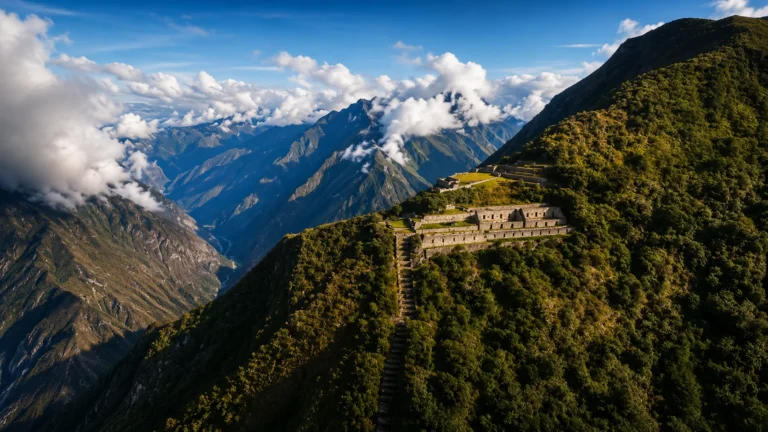
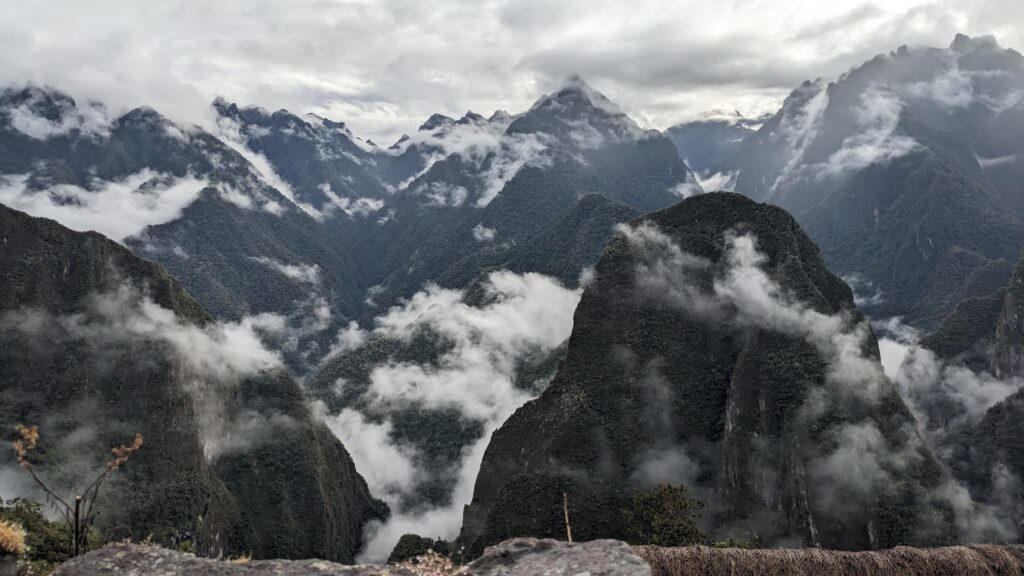
Four days. Forty-six kilometers. Thousands of stone steps. I hiked the Inca Trail. It’s an endurance trek, plain and simple. Yet moving through the Andes, believe me, the views are worth it. Watching fog lifting off the top of Dead Woman’s Pass. Stepping through the Sun Gate as the sun hits the historic Inca site. Those are the moments. But the trail makes you earn them, one step at a time.
If you are reading this, you are likely trying to figure out how to prepare for the reality of the trail, not the glossy version on a travel agency homepage. The altitude is real, the stairs are uneven, and the weather shifts from sun to rain in minutes. I wrote this guide which outlines exactly how the trail functions, how to manage the terrain, and what you actually need to know to get from Kilometer 82 to the Sun Gate overlooking the legendary ruins of Machu Picchu.
Training for the Descent
Everyone trains for the climb up Dead Woman’s Pass. I did too. It’s the obvious challenge.
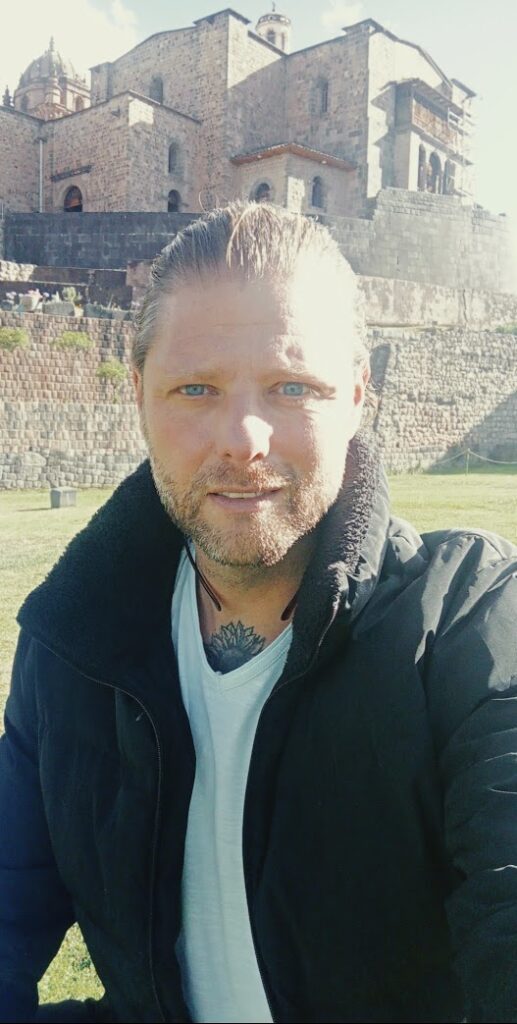
I’m 44, and I walk most weekends in the hills of Lancashire. I’m used to being on my feet. But the Inca Trail has its own rhythm. You climb a pass, then you spend hours working your way down again on old stone steps. They’re uneven and steep in places, and the views are incredible, but your legs notice every one of them.
The descents are where the trail asks the most from your quads and knees. On Day 3, coming down into the valley after the pass, I was grateful for the training I’d done. If your legs have only known flat ground, that first long downhill can be a surprise.
So I adjusted my training. I kept the cardio, because the air is thin up there. But I added time on real hills with my pack on. Every Sunday I’d head out in Bowland with 8 kg on my back. I focused on the downhill. Short, controlled steps. Poles out front, taking some of the load. Slow and steady, just like the Inca Pace.
It paid off. When we dropped into Pacaymayo and later down to Wiñay Wayna, my legs felt ready. I could look up and take in the cloud forest, the orchids in the walls, the sound of water in the old channels, instead of just watching my feet.
Train for the downhills as well as the climbs. Your knees will thank you, and you’ll enjoy a lot more of the trail.
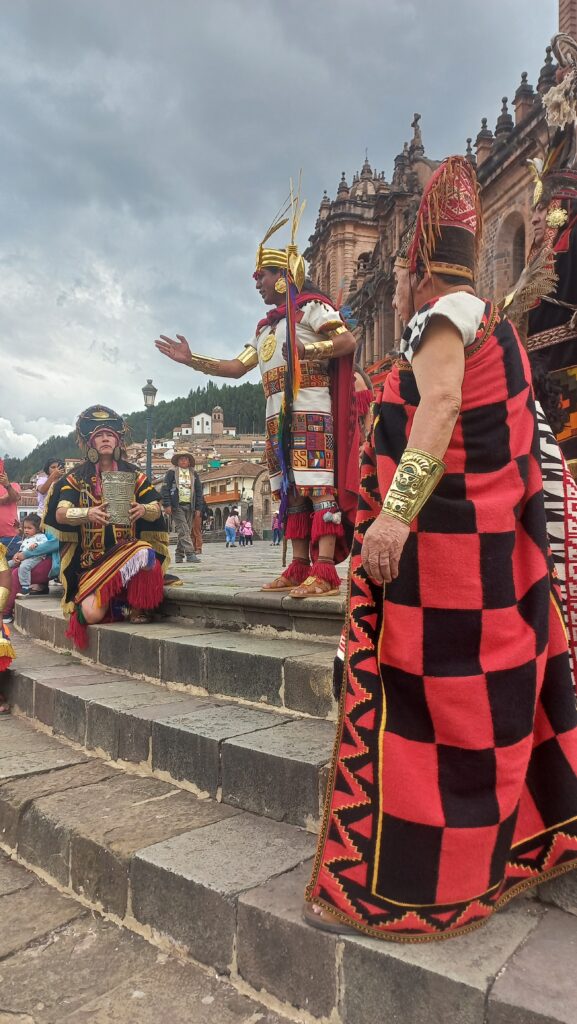
The First Lesson: Cusco and the Thin Air
Cusco teaches you humility fast. At 3,400 meters, or 11,150 feet, just walking from the taxi to your hotel lobby can leave you short of breath. Do not take it lightly. If you land one day and try to start the trail the next, you are in for a rough time with headaches and fatigue.
Give yourself at least three full days before the trek. Walk the cobblestone streets, drink coca tea, and let your body adjust. When I got ready for this hike, I spent my acclimatization days walking the hills around the city. I was not training. I was letting my red blood cells catch up. If you feel like you have a mild hangover when you arrive, that is the altitude. Do not fight it. Wait it out.
What It Feels Like on the Ground
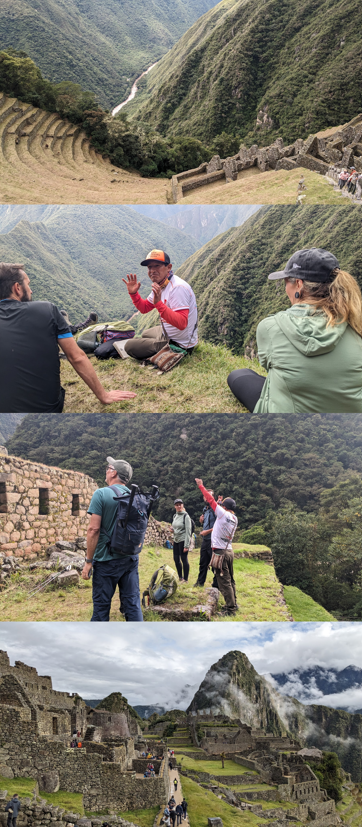
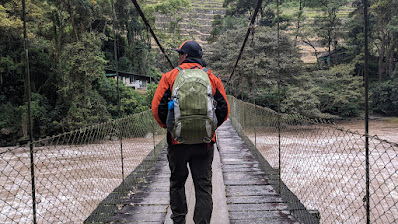
At Kilometer 82 I shouldered my pack and started walking. The road noise dropped away quick. Within ten minutes it was just my breathing, my steps on stone, and the guides up ahead talking quietly. No traffic, no notifications. I liked that part. Just the trail.
The ground changes fast out there. Day 1 morning was cool, yet sunny. Dust on my boots, sun on my neck, and that big open view down the river valley that made me stop and take it in. We passed the first ruins at Llactapata that afternoon. Terraces cut into the hillside, red granite against the green. I dropped my pack, walked the site, and thought about the people who built it without machines.
By Day 2 afternoon I was in cloud forest. Wet rock underfoot, orchids growing right out of the walls, mist moving through the trees. I was pulling my jacket on and off all afternoon. I loved how fast it shifted. We camped near Runkurakay, a small round ruin sitting alone on the ridge. I climbed up before dinner. Just stone and sky, and the whole valley opening up below.
Day 3 took us over Dead Woman’s Pass early, then down into the Pacaymayo valley. That descent is long, but it leads to the best part of the trail. I got to Sayacmarca by mid morning. It’s perched on a cliff edge, tight stone rooms and stairways with drops on both sides. I spent twenty minutes there alone while the group caught up. Later we hit Phuyupatamarca, “Town in the Clouds.” The baths were still running with mountain water. I rinsed my face and sat on the edge looking out.
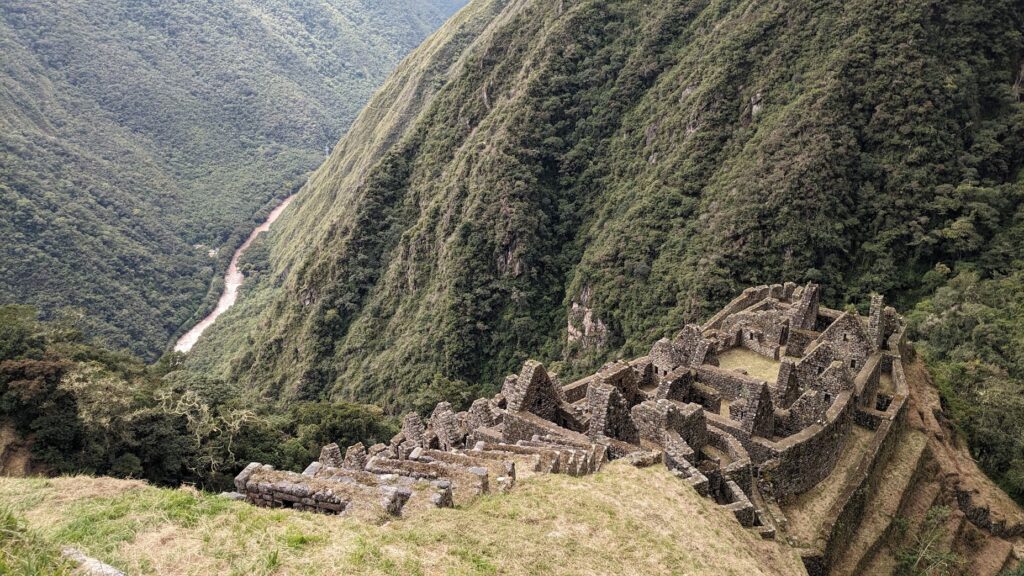
On Day 4 we were up at 3:30am. Headlamps through Wiñay Wayna in the dark. We got there as the sky was starting to turn blue. Terraces stacked like green staircases down the hillside, houses tucked into the rock, water channels still working after 500 years. It’s bigger than the photos show. From there it was an hour to the Sun Gate. I walked through, and Machu Picchu was right there in the morning light. I sat on a rock, drank some water, and looked. Four days of trail behind me, and it all made sense.
First sight and Guided Circuit Tour
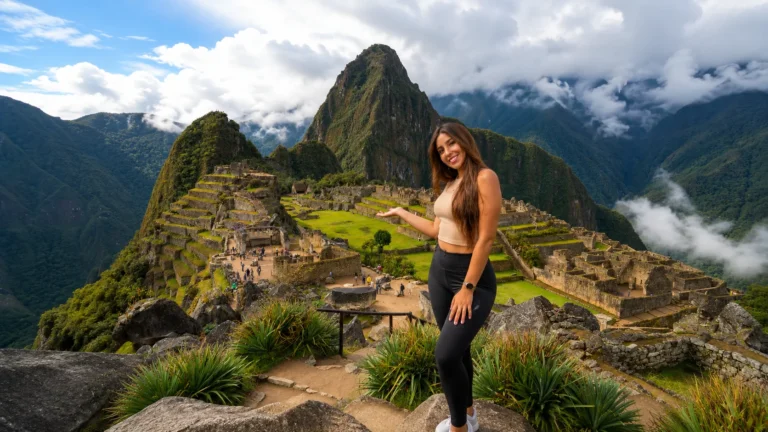
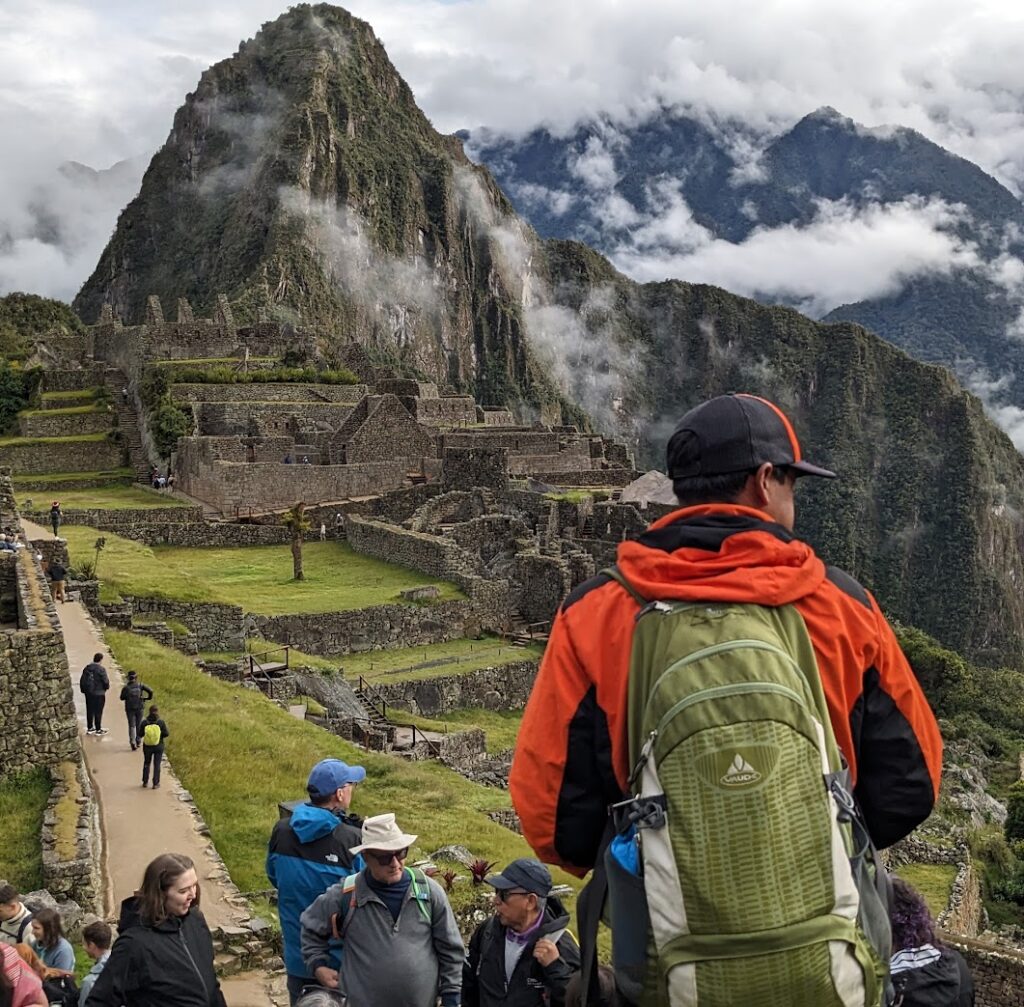
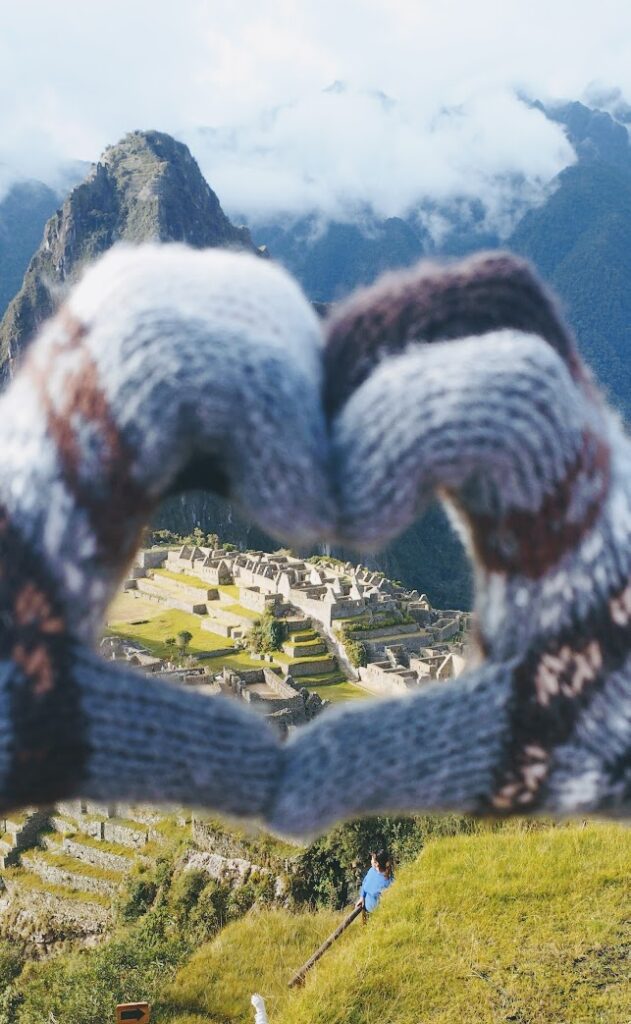
When I stepped through the Sun Gate, Machu Picchu was right there. I’d seen the photos for years, but this was different. It wasn’t the view that hit me first. It was the quiet. After four days of trail, my pack still on, legs still dusty, there it was, stone, grass, and sky, and no one talking. I didn’t cheer or take a selfie. I just stood for a minute and breathed. The work of the last four days sat right behind me, and the city sat in front. That was enough.
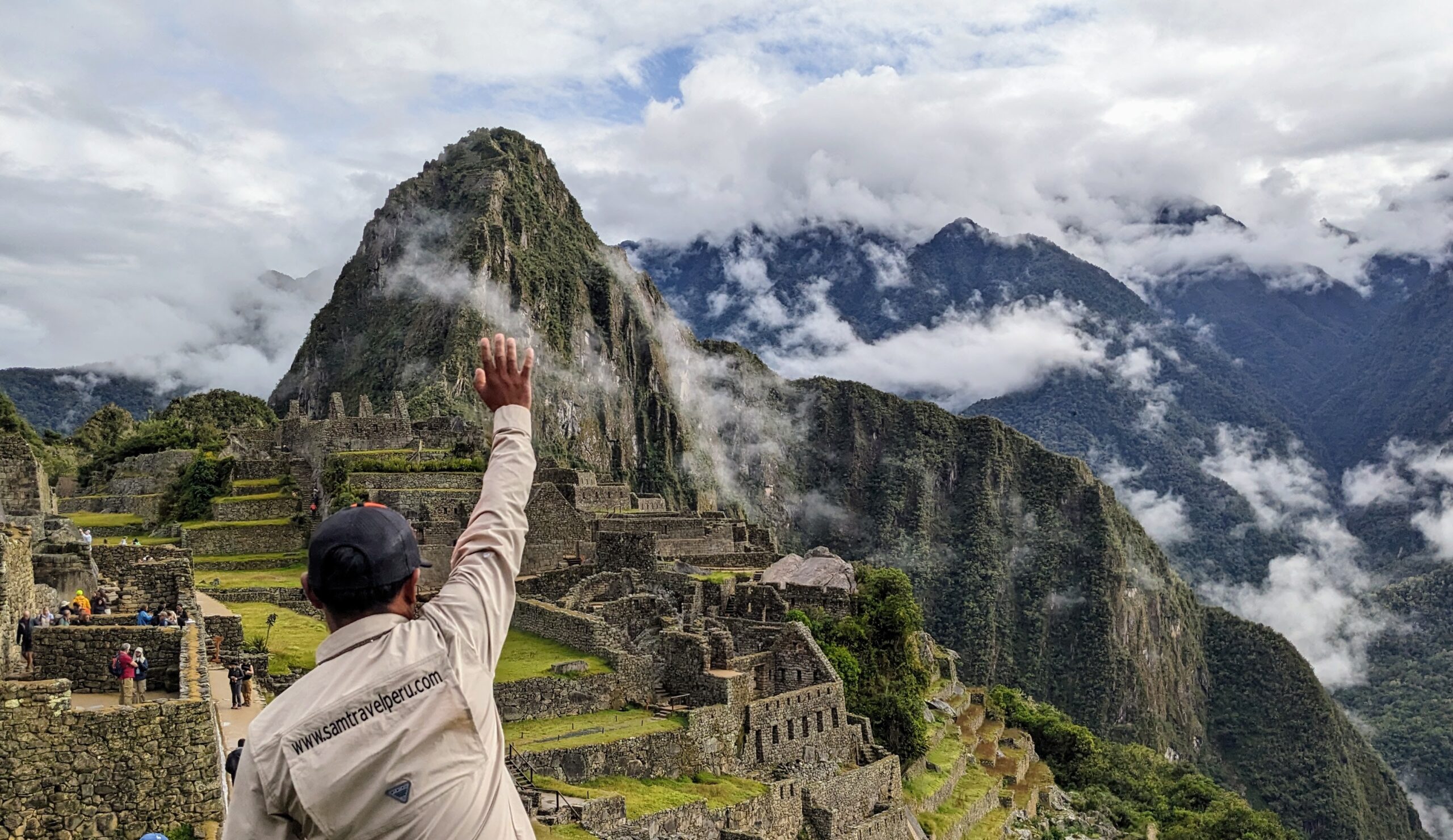
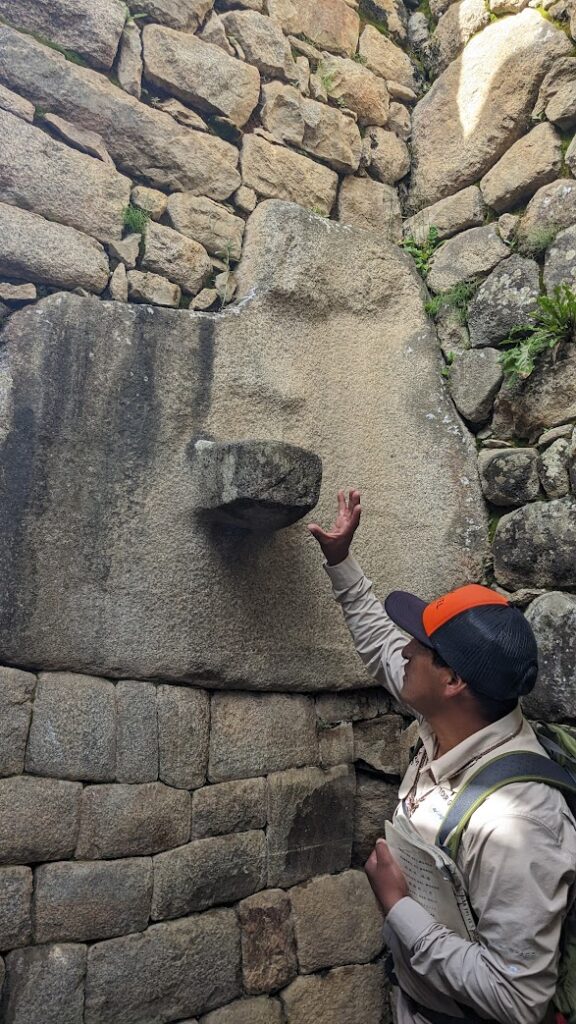
We dropped down to the main site with our guide, Josep. He’d been walking this trail for fifteen years and he knew every stone. He didn’t do a script. He just walked and pointed and let the place do the work.
Touching the Stone
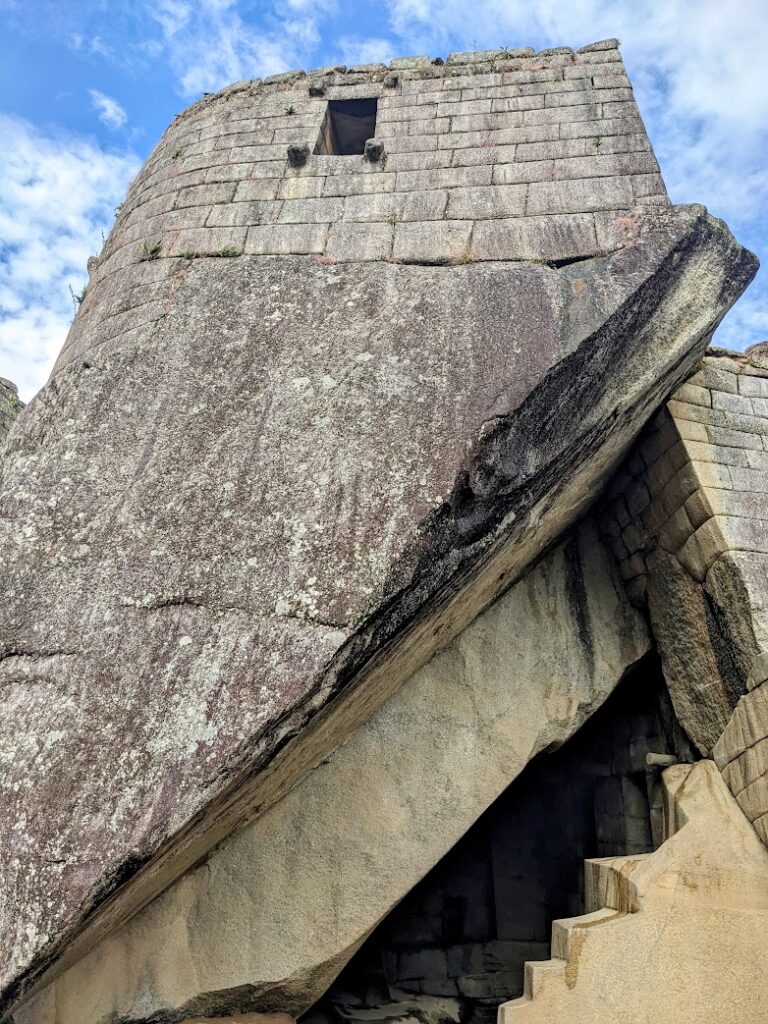
I ran my hand along the walls of the Temple of the Sun. The stonework is tight. You can’t fit a sheet of paper between the block, and that’s not an exaggeration. The granite was warm from the morning sun and smooth where a thousand hands had touched it before mine. Josep showed us how the corners are rounded to resist earthquakes. Five centuries and they haven’t moved.
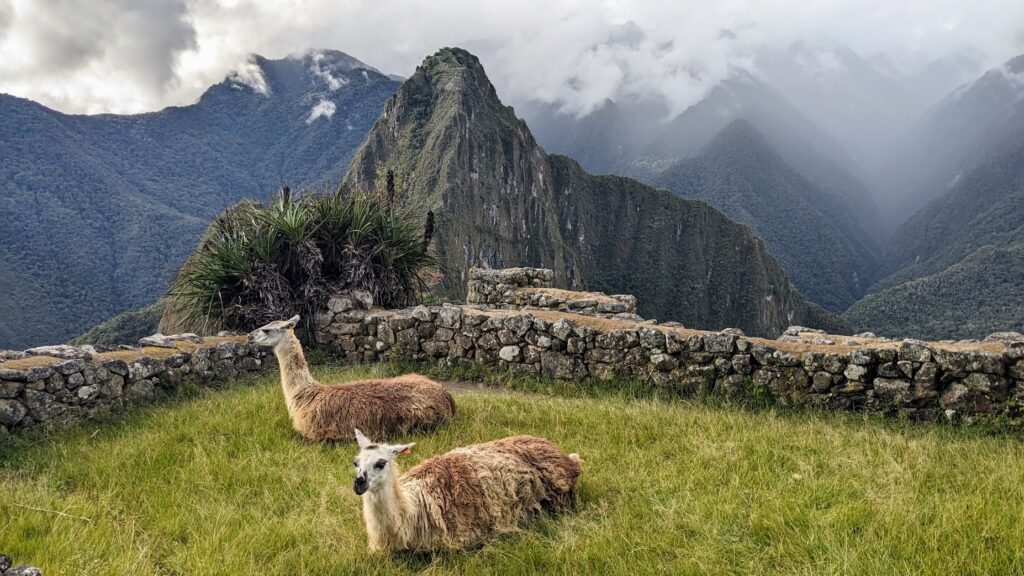
We walked the main plaza. Llamas were cutting the grass, same as they’ve done for hundreds of years. The grass was damp from the night. I could smell wet stone and earth. At the Intihuatana, Josep put his hand a few inches above it and said the Incas used it to track the sun. I didn’t touch it. Signs said not to, and it felt right to respect that.
Terraces in the Sky
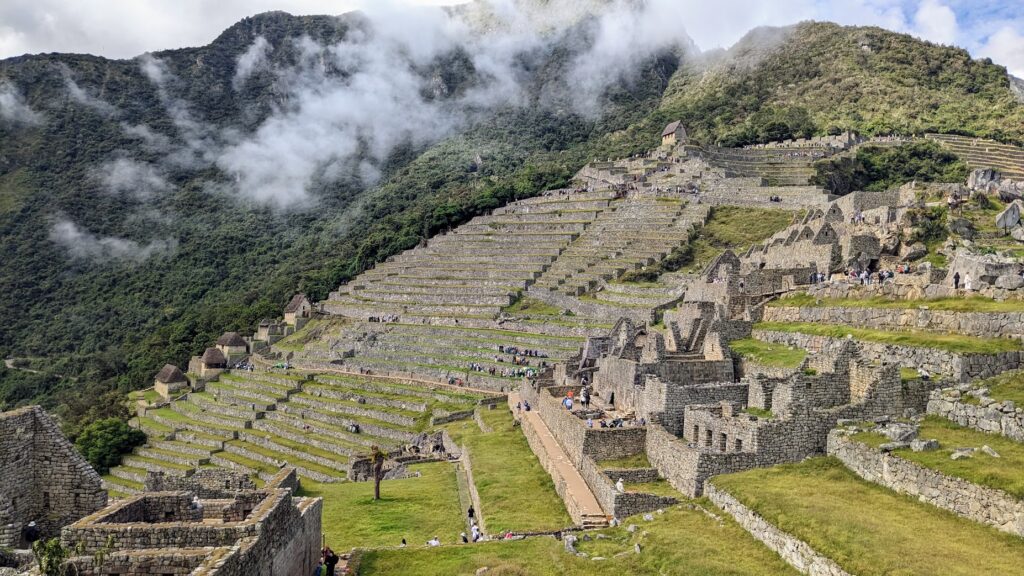
The terraces drop away from the city in big green steps. I walked down a few and looked back up. From there you see how the whole place is pinned into the mountain. No cement, no mortar. Just weight, angle, and time. We sat on the edge of one terrace and Josep told us about the water channels. He pulled moss from one and the water was still running, clear and cold. I cupped my hands and drank.
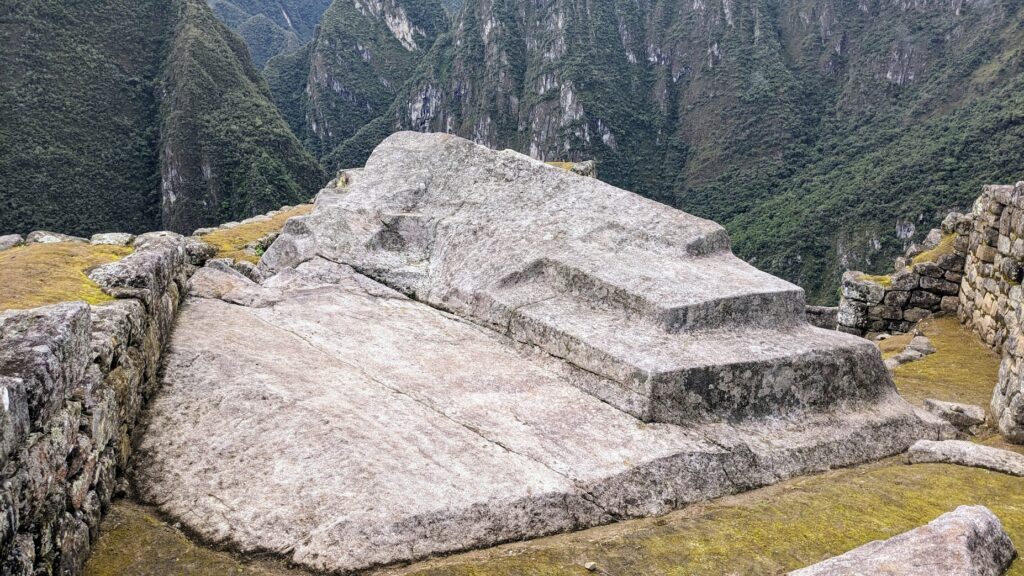
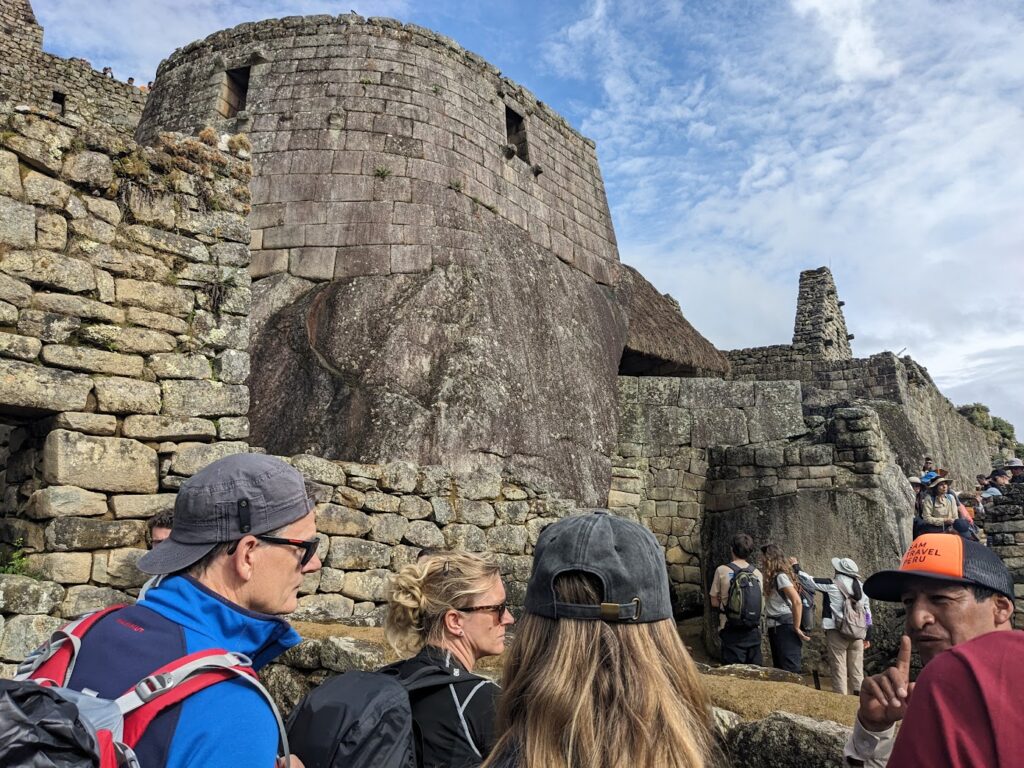
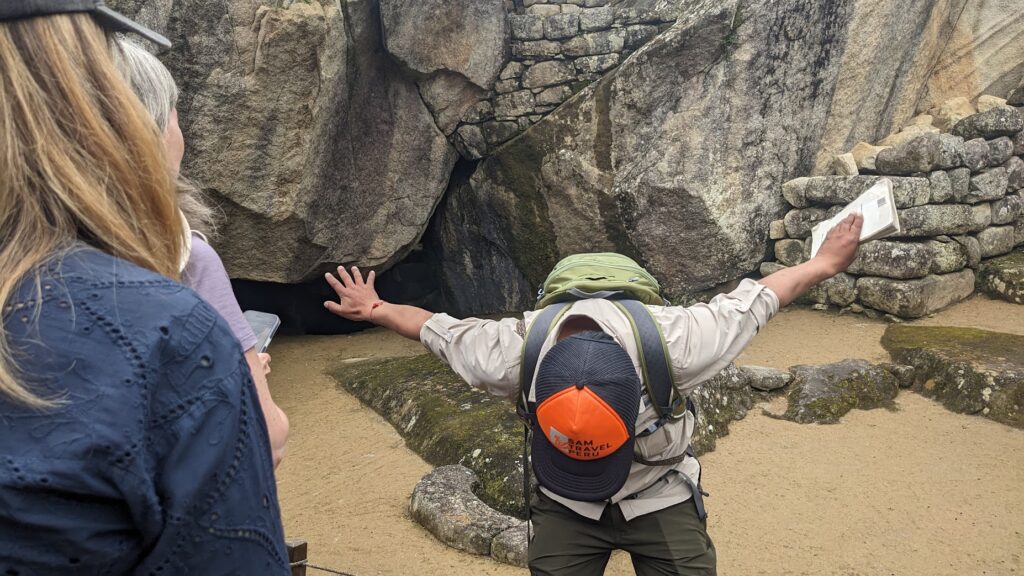
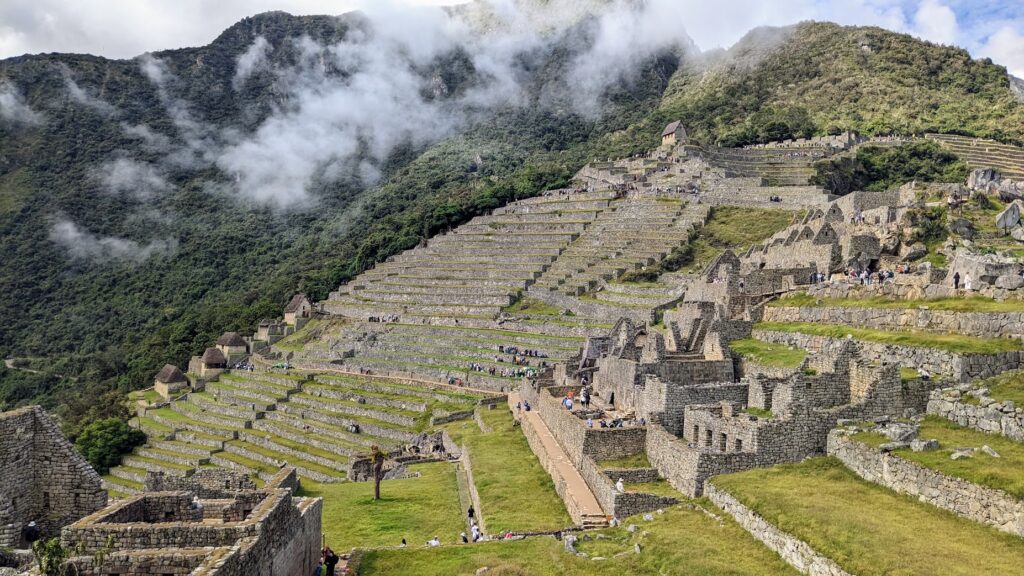
By the end of the circuit my legs were done, but I wasn’t ready to leave. Machu Picchu isn’t just a ruin. It’s a working piece of engineering that you can walk through. Our guide Josep had been leading trips here for 15 years. He pointed out details I would have walked past. How the Intihuatana lines up with the solstice. Why the doors are trapezoid-shaped. Where the water still runs. That’s what turned it from ruins into a real place for me
And so, I left with a sense of calm, peace and a real sense of how it was built and why it lasted.
Michael Thompson, July 2026
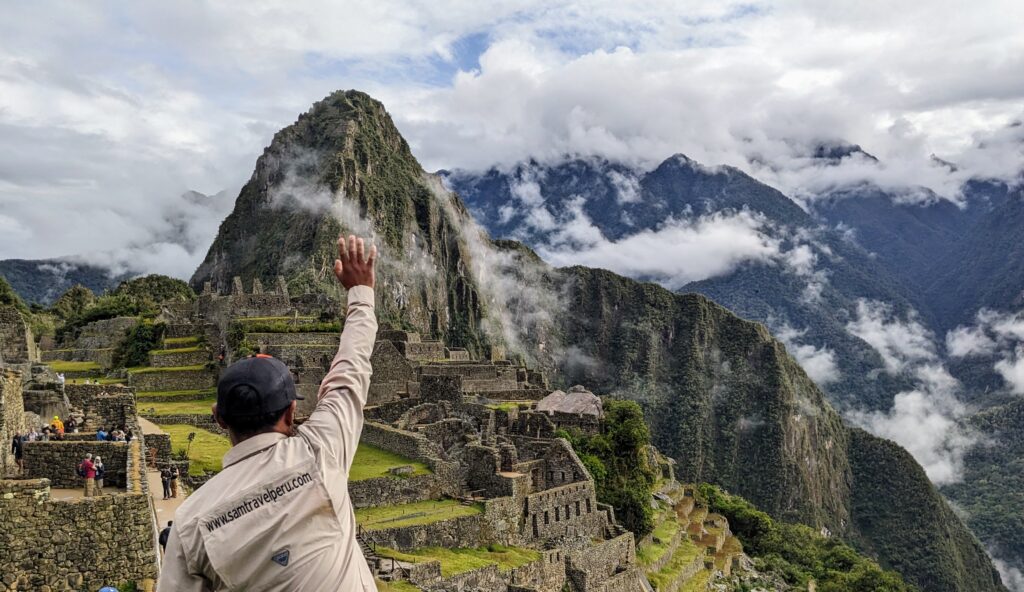
Why I Booked with a Local Tour Agency in Advance
The difference between a seamless trek and a logistical nightmare comes down to the team you choose. Looking back, I am so glad I committed to booking in advance with a trusted local operator like Sam Travel. I didn’t want to just be a booking number; I wanted an experience, and that starts with the people on the ground.
Their professionalism stood out from the start, but here is what really made the difference for me during my trek:
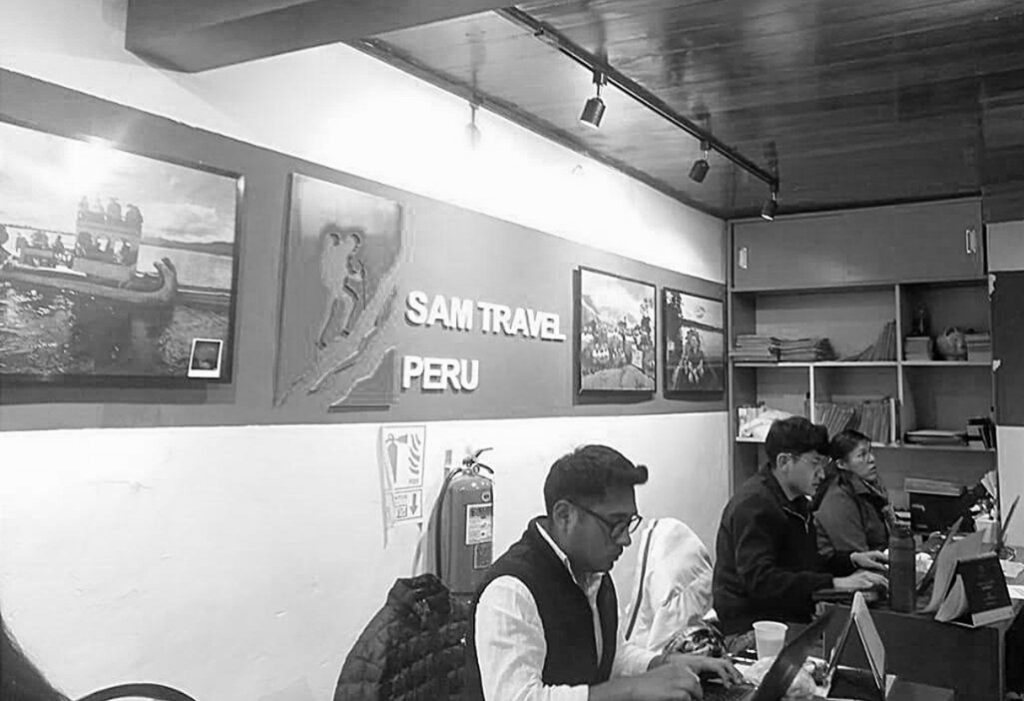
- The In-Person Connection: We headed straight to their office in the heart of Cusco to drop off our extra luggage and meet the team. Getting a professional, face-to-face briefing with our English-speaking guide put my nerves at ease before we even hit the trail.
- Peace of Mind: From the pre-trek check-in at our hotel the night before to having our guide’s WhatsApp number for real-time questions, I never felt left in the dark.
- More Than a Script: Our guide, Josep, didn’t just read from a guidebook; he had 15 years of experience and a deep, authentic understanding of every stone and valley we passed.
- Total Reliability: When you are thousands of meters up in the Andes, you don’t want to worry about logistics. They handled every permit, ticket, and meal flawlessly, allowing me to simply focus on the hike.
My advice: Don’t leave your trip to chance. I’ve heard too many stories of travelers arriving in Aguas Calientes only to find no tickets available for Machu Picchu, forcing them to waste precious days and money hoping for a miracle at the ticket window. When you book with a respected operator, you aren’t just buying a hike, you are buying the security that your journey is managed from start to finish. It is the only way to ensure that when you reach that Sun Gate, you are focused on the view, not the bureaucracy.
The Inca Trail: Hiker’s Essential Reference
The Inca Trail is a unique physical experience. Here is the essential breakdown of the terrain, logistics, and planning details to help you prepare for the route.
The Metrics
- Total Distance: 46 km (26 miles). You’ll experience a wide range of elevation, climbing from valley floors to high alpine passes and descending into the lush jungle.
- Maximum Elevation: 4,215 meters (13,828 ft) at the summit of Abra de Warmiwañusqa (Dead Woman’s Pass).
- The Terrain: The path includes approximately 3,000 original Inca stone steps. These are historic, irregular, and steep, prepare for uneven surfaces.
- Permit Logistics: The Classic Inca Trail is strictly regulated. You must book with a licensed operator well in advance, as permits are capped at 500 people per day (including porters and guides). Independent hiking is not permitted.
Physical Demands & Preparation
- The “Inca Pace”: This steady, rhythmic shuffle is the key to high-altitude trekking. By maintaining a consistent, moderate speed rather than sprinting, you keep your heart rate stable and your breathing even, making the steep climbs much more manageable.
- Joint Impact: The trek involves significant descents. Train for the trail by finding stairs or steep inclines to condition your quads and knees, and practice with your pack weight to prepare for the impact.
- Altitude Adaptation: Cusco sits at 3,400m (11,150 ft). Plan to arrive at least three full days before your trek starts to allow your body to adjust to the elevation.
Field Essentials
- Footing: Wear well-broken-in boots. The 500-year-old stone path can be slippery when wet, and broken-in footwear is your best defense against blisters on uneven surfaces.
- Trekking Poles: An excellent tool for stability, especially on the descents. Note that rubber tips are mandatory to protect the integrity of the ancient stone paths.
- The “Dead Woman’s Pass” Name: Warmiwañusqa is a topographic name, the ridgeline silhouette resembles a woman reclining. It is simply a description of the landscape.
- Facilities: Campsites feature basic, functional toilets. Bring your own toilet paper and hand sanitizer.
Best Window for the Trail
- May – September (Dry Season): Offers the most stable conditions with clear skies, though nights are cold.
- November – March (Rainy Season): Expect higher humidity and frequent mist. The paths are wetter and slicker, adding a layer of challenge to the trek.
The Final Descent & Heading Home
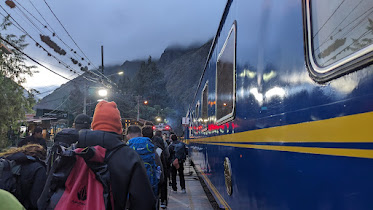
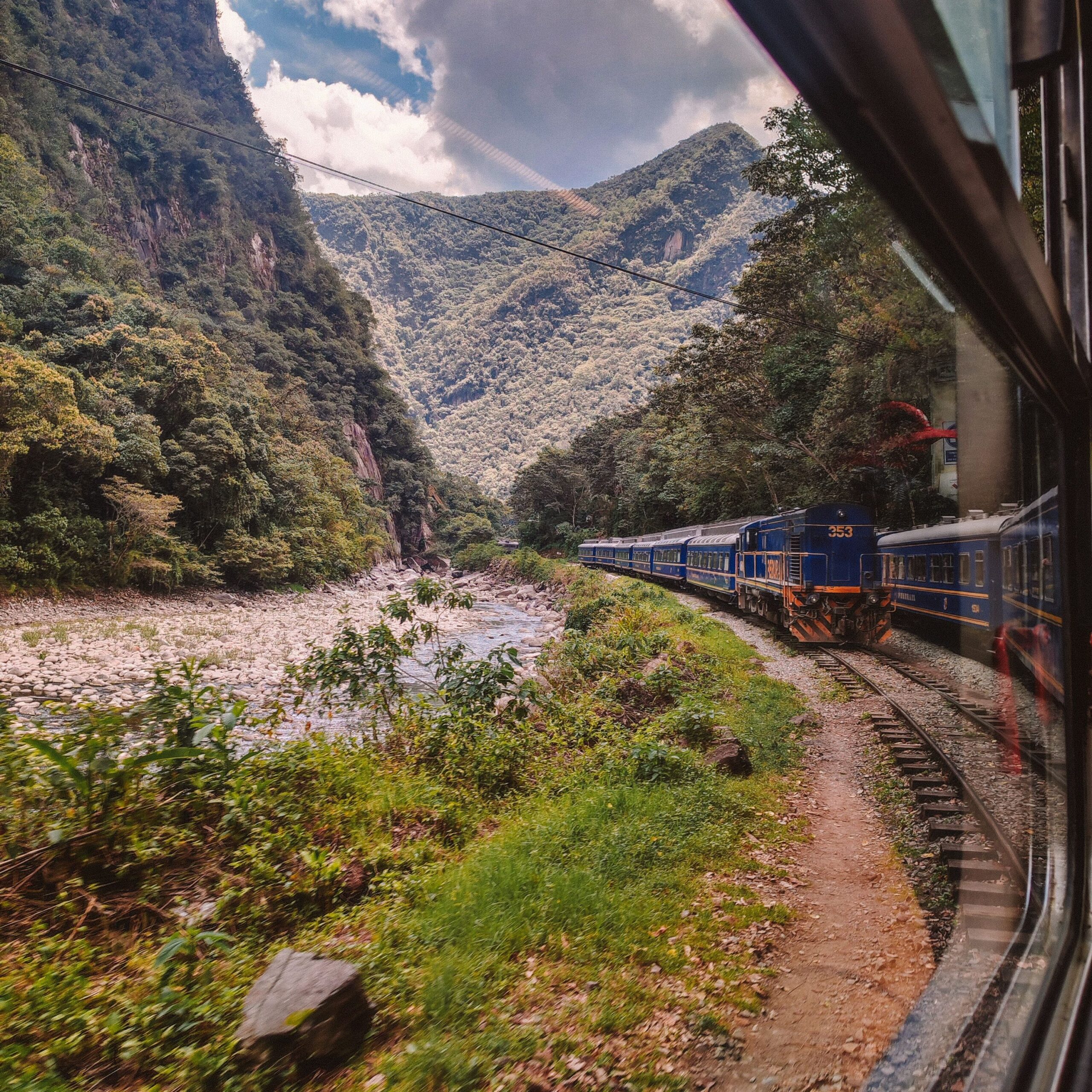
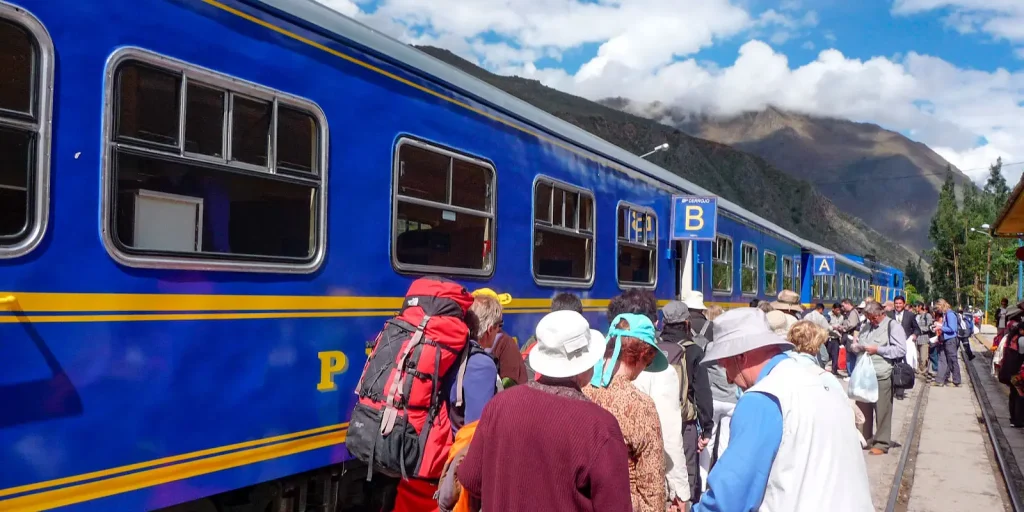
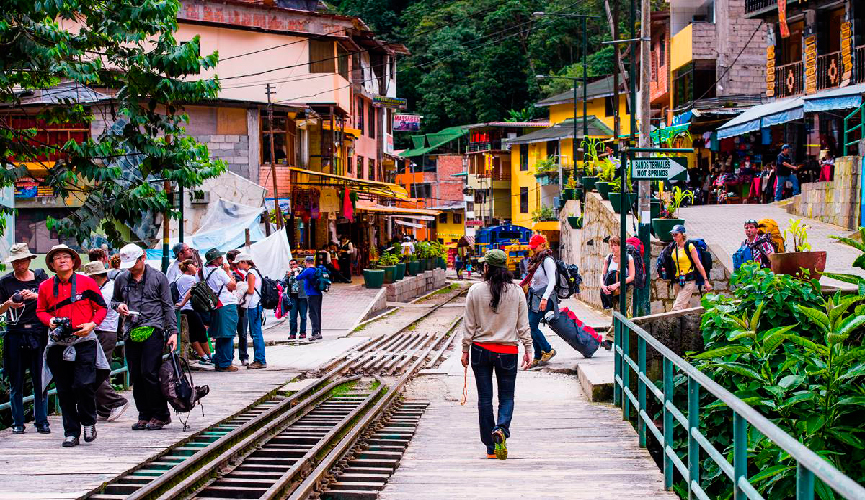
After soaking in the magic at the Sun Gate and Machu Picchu, you’ll catch a shuttle bus down to the lively town of Aguas Calientes for lunch. In the afternoon, board the scenic Expedition Train back to Ollantaytambo, tracing the winding Urubamba River. A private van will meet you at the station to drive you safely back to your Cusco hotel, arriving around 7:00 PM for a long-awaited shower and a celebratory bed.
2026 Inca Trail Regulations & Upgrades
- Machu Picchu Circuits: Your 4-day permit grants entry to Circuits 1 and 3 (lower and upper terraces). If you want to explore the central ruins (Circuit 2), you must purchase a specific entrance ticket in advance (approx. $55 USD).
- Hiking Poles: You can use them on the trail (rubber tips are mandatory), but they are strictly prohibited inside the Machu Picchu ruins to protect the stone floors.
- Vistadome Upgrade: For a more scenic return to Ollantaytambo, you can upgrade your train seat to the panoramic Vistadome car (approx. $67 USD).
The Hiker’s Packing List
Your daypack should be light, porters handle the heavy lifting. Only carry what you need for the day.
Clothing
- Base Layers: Moisture-wicking tees and convertible hiking pants.
- Outerwear: A warm fleece or down jacket and a quality rain poncho or shell (crucial for the cloud forest).
- Footwear: Broken-in hiking boots (mandatory) and moisture-wicking wool socks.
- Accessories: Sun hat, sunglasses, and lightweight gloves.
Gear
- Daypack: A 25-to-30-liter pack.
- Sleep: A sleeping bag rated for freezing temperatures (if not provided by your operator).
- Light: A headlamp with a fresh set of batteries.
- Hydration: A reusable water bottle or hydration bladder.
Personal Items
- The Essentials: Original Passport (non-negotiable for park entry).
- Care: High-strength insect repellent, sunscreen, wet wipes, hand sanitizer, and basic personal toiletries.
- Tech: A reliable power bank for your camera/phone.
Frequently Asked Questions (2026-2027 Edition)
How far in advance do I actually need to book?
Permits are strictly limited and highly competitive. For a trek in 2026 or 2027, you should aim to book 6 to 8 months in advance. If you are planning for the peak months (June, July, August), aiming for a 9-month window is safer to ensure you get your preferred dates.
What is the deal with the new Machu Picchu circuits?
Machu Picchu now operates on a strict, timed-entry circuit system. Your Inca Trail permit typically includes entry to specific sectors. The “classic postcard” viewpoint is often restricted to certain circuits. If your tour itinerary doesn’t include the specific circuit you want for photos, you will likely need to purchase an additional circuit entrance ticket well in advance. Check exactly which circuit your operator is including.
How much should I tip the porters and staff?
Tipping is not mandatory, but it is standard practice and greatly appreciated. A common guideline is to pool tips as a group at the end of the trek. Expect to budget roughly $60–$100 USD total per hiker for the entire support team (porters, cooks, and assistant guides), depending on the group size and the quality of service.
Can I drink the water on the trail?
Never drink directly from streams or taps. Your tour operator will provide boiled and filtered water each morning and at each campsite. Bring a reusable water bottle or a hydration bladder, and refill it at camp. Do not rely on plastic bottles; they create unnecessary waste on a fragile, protected trail.
What if I get altitude sickness?
It happens to the best of us. The most effective strategy is the three-day acclimatization in Cusco. If you struggle on the trail, the guides are trained to handle it. They carry oxygen and can assist you, but if symptoms become severe, the only “cure” is to descend. Stay hydrated, walk slowly, and listen to your body before the ascent to the pass.
Are there showers on the trail?
At the campsites? Generally, no. Some sites have basic, cold-water faucets. Expect to be “sponge bathing” with wet wipes for three days. It’s part of the experience. You will get that long-awaited hot shower once you reach your hotel in Cusco or Aguas Calientes at the very end of the trip.
Ready to experience the Classic Inca Trail yourself?
Check live permit availability and speak to one of our local experts before spaces sell out.