



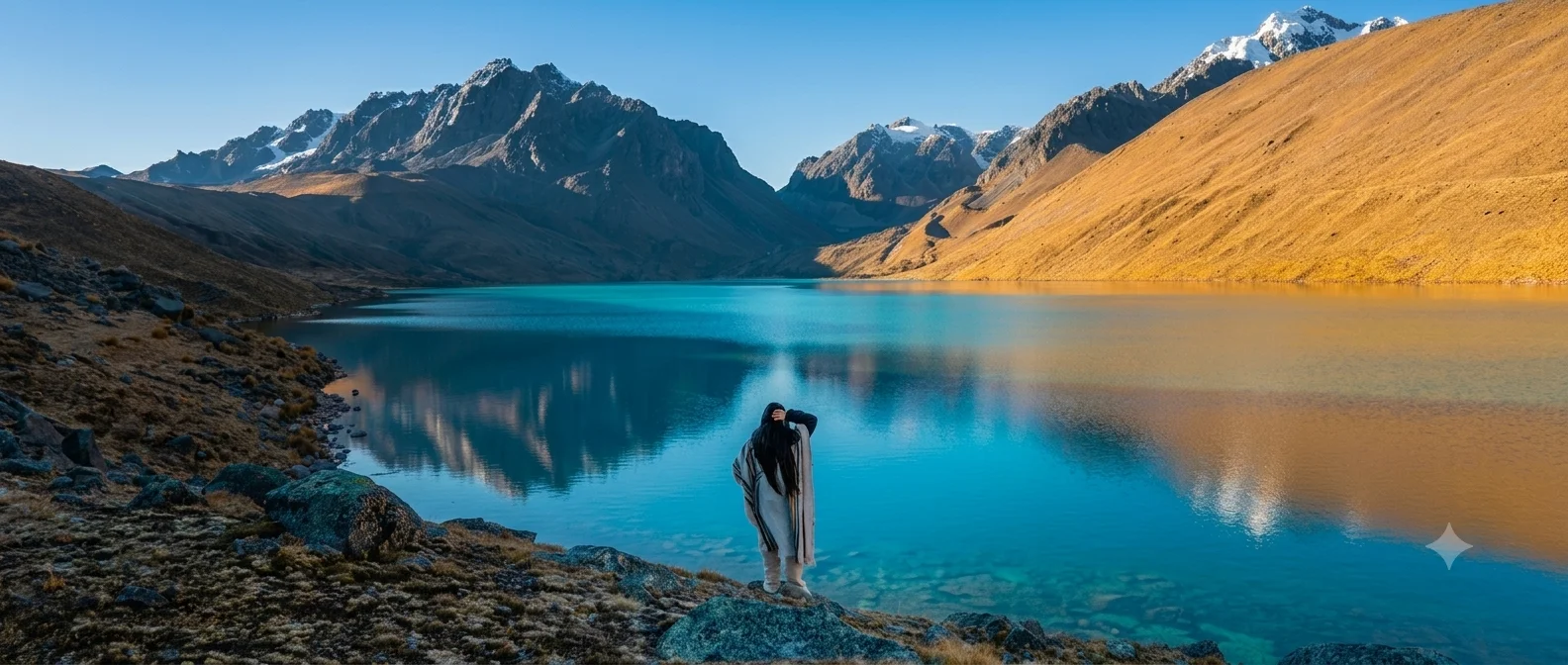
In Cusco, you can find many natural attractions that will surely take your breath away. There is no doubt about the beautiful landscapes that can be seen in every tourist place you visit in Cusco.
During your visits, you will find beautiful lakes, impressive mountains, and colorful valleys that will catch your attention. Many people know about Rainbow Mountain and Humantay Lake, but there are still many places to discover, such as Singrenacocha Lake.
Where is Singrenacocha Lake?
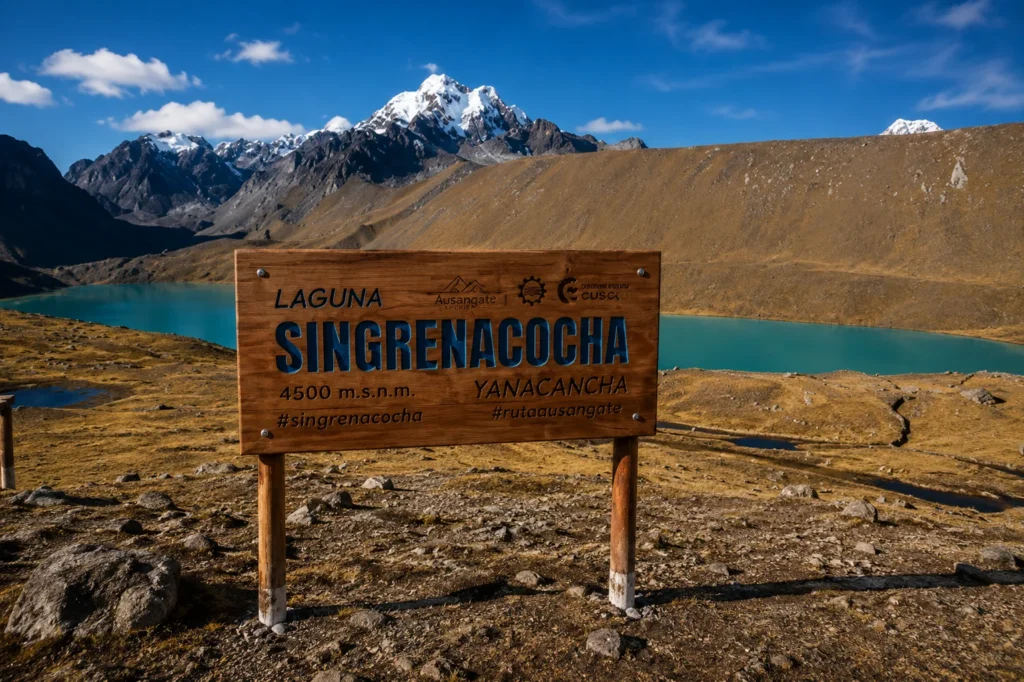
This beautiful natural attraction is located south of Cusco, very close to Ausangate Mountain, in the district of Ocongate, almost 3 hours from Cusco. It is hidden among the mountains in the Peruvian Andes
How can we get to Singrenacocha?
The easiest way to get to Singrenacocha Lake is by taking a vehicle south of Cusco toward Ocongate. Since this route is not very popular, there are not many local shared vehicles that go to the starting point of the hike. However, you can arrange local transportation in the area to reach the trailhead.
Why is the water turquoise?
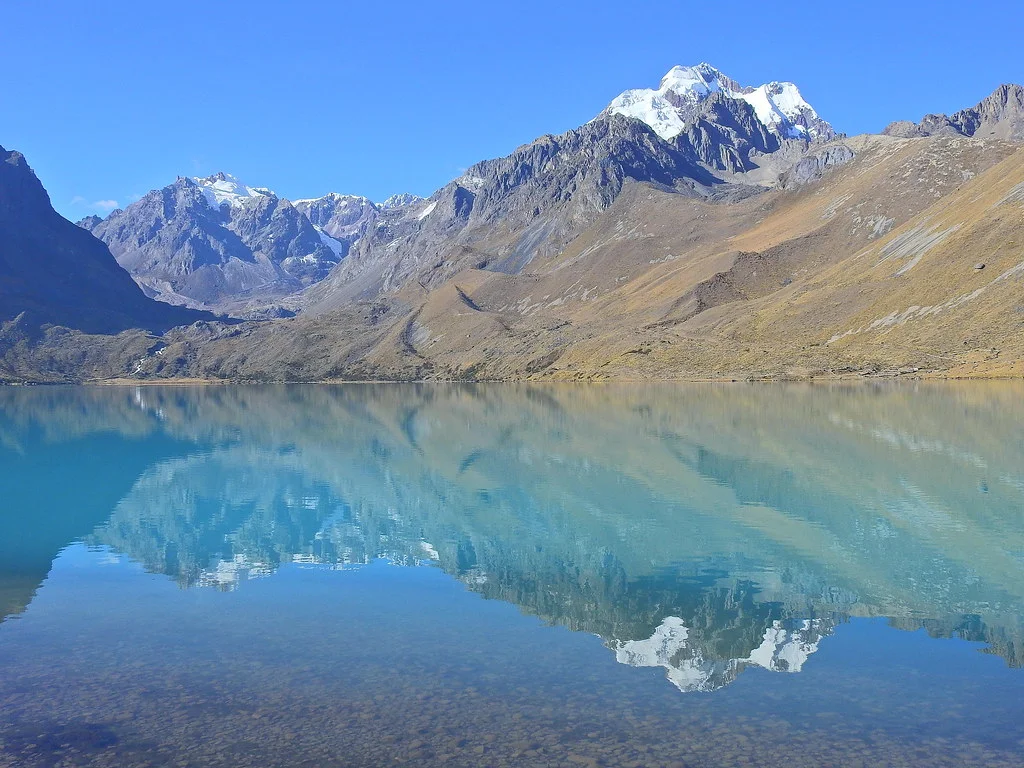
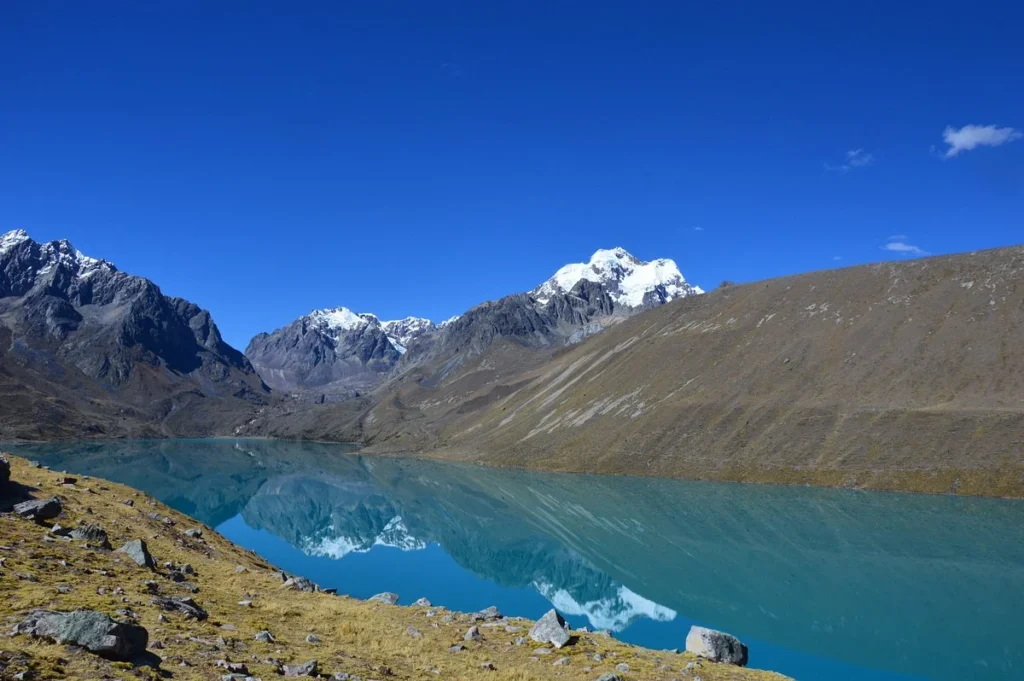
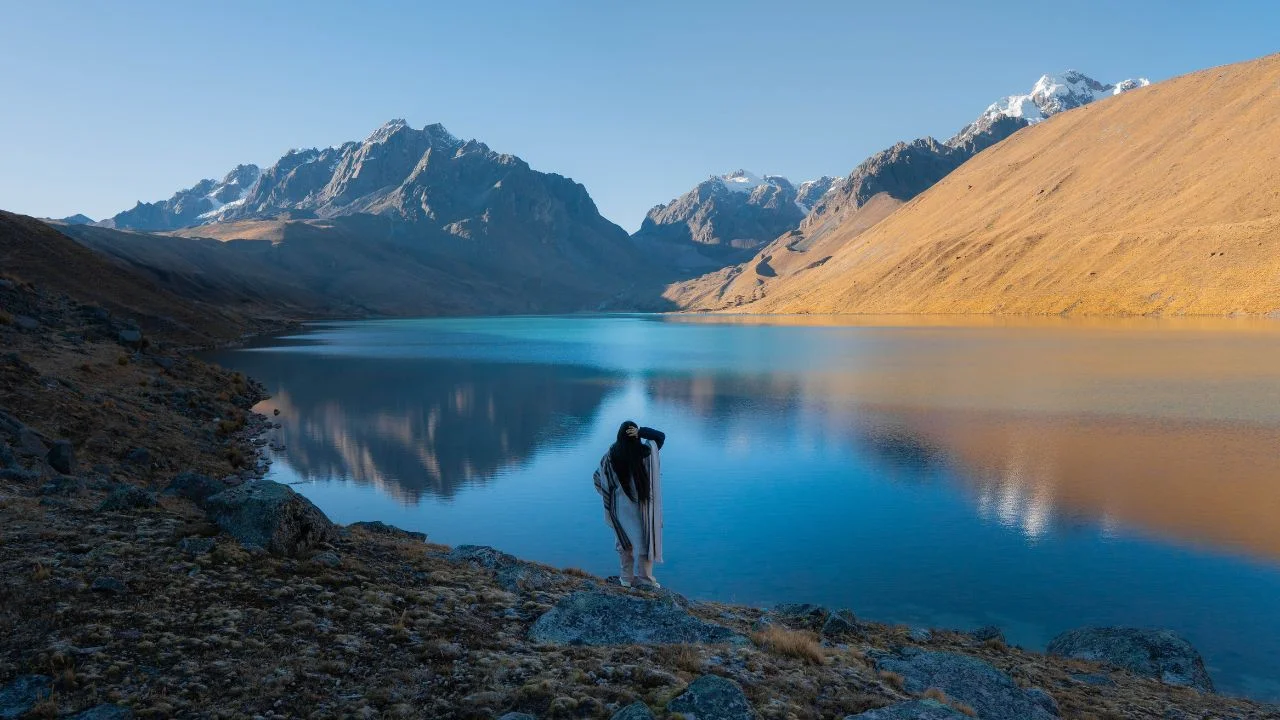
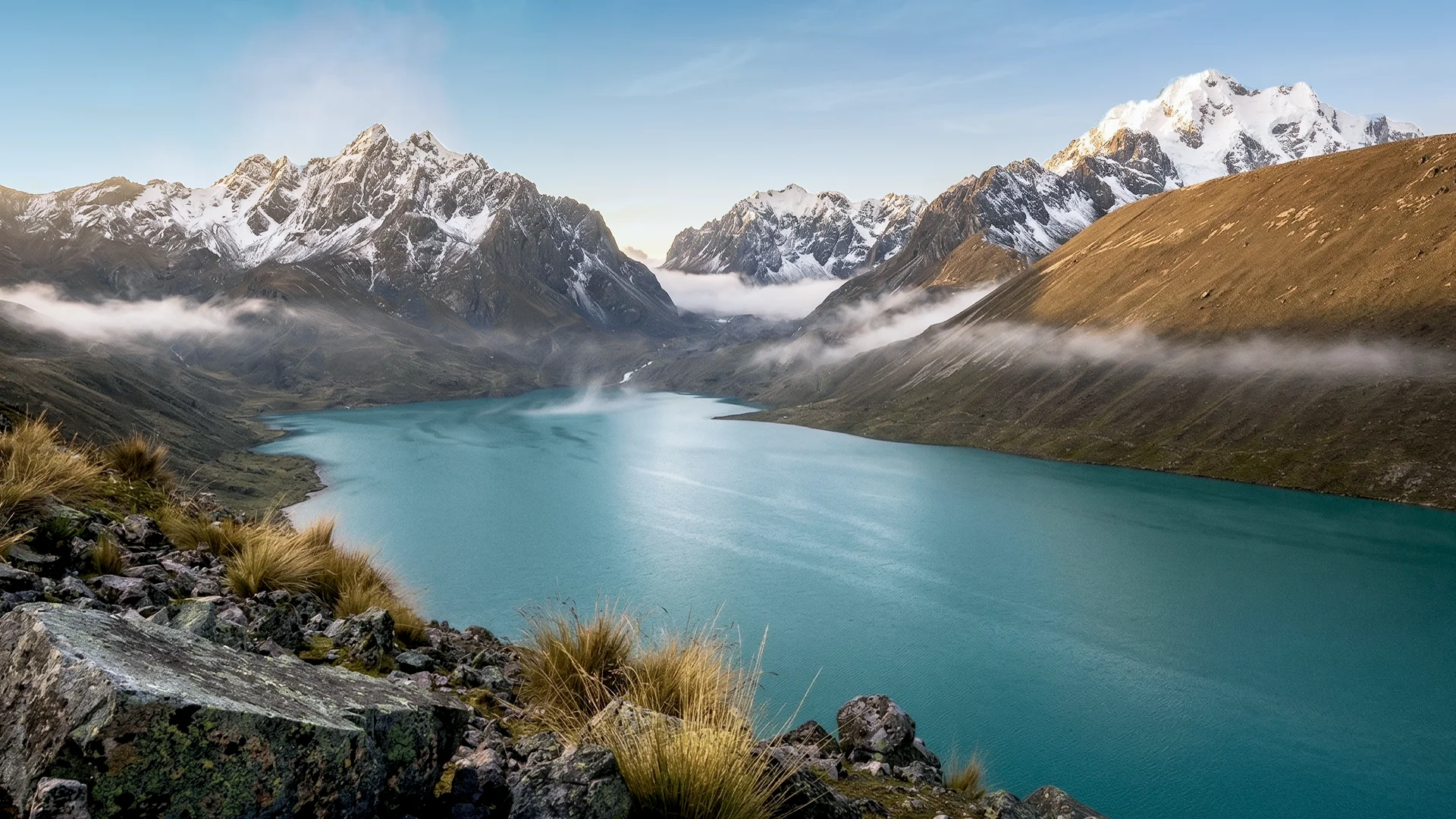
The water comes from glaciers such as Kayangate and Ausangate. The turquoise color is caused by the minerals found in the ground mixed with the glacier water. Bacteria and algae also help create the beautiful color of this lake.
Is the hike very difficult?
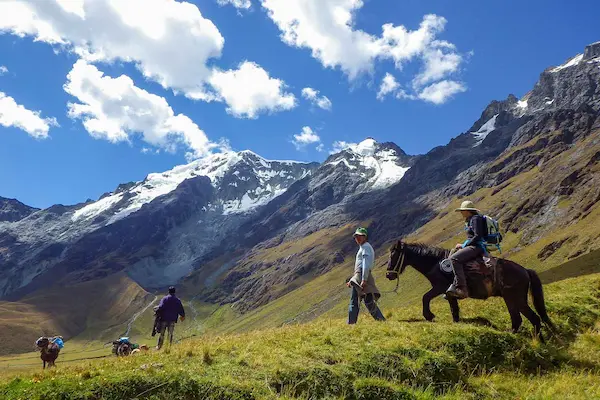
This one-day trek is not difficult compared to other hikes. The trail to Singrenacocha has a moderate difficulty because it has gentle slopes and easy terrain. We could say that the hardest part of this hike is the altitude, as the lake is located at almost 4,600 meters above sea level.
It is recommended to do this hike after you have acclimatized in Cusco. On average, the hike takes between 1 hour and 45 minutes to visit the viewpoint and the surrounding area.
When is the best time to visit Singrenacocha Lake?
In the Andes, the weather is very unpredictable because it changes constantly. However, there are two well-defined seasons: the dry season, from May to September, with clear skies and little or no rain, and the rainy season, from October to April, with light rain, green landscapes, and fewer visitors.
For this reason, we believe that the best time to visit Singrenacocha Lake depends on your preferences. Whether you enjoy hiking with a little rain or prefer clear blue skies, the choice is yours!
What is a tour to Singrenacocha Lake like?
The tour to Singrenacocha Lake starts very early with hotel pickup in Cusco and a drive of about 3.5 to 4 hours to the community of Yanacancha, where breakfast is usually enjoyed before starting the hike.
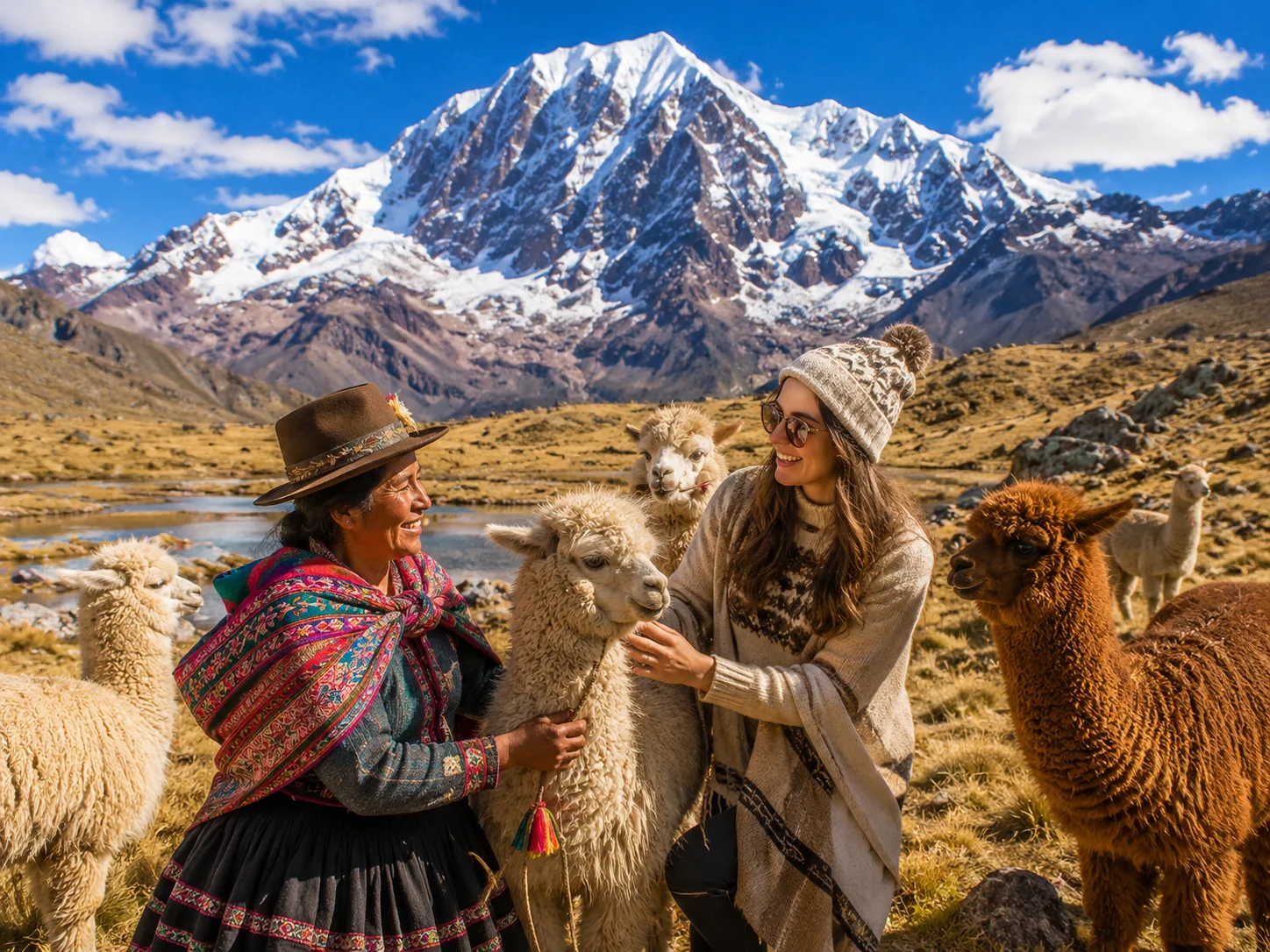
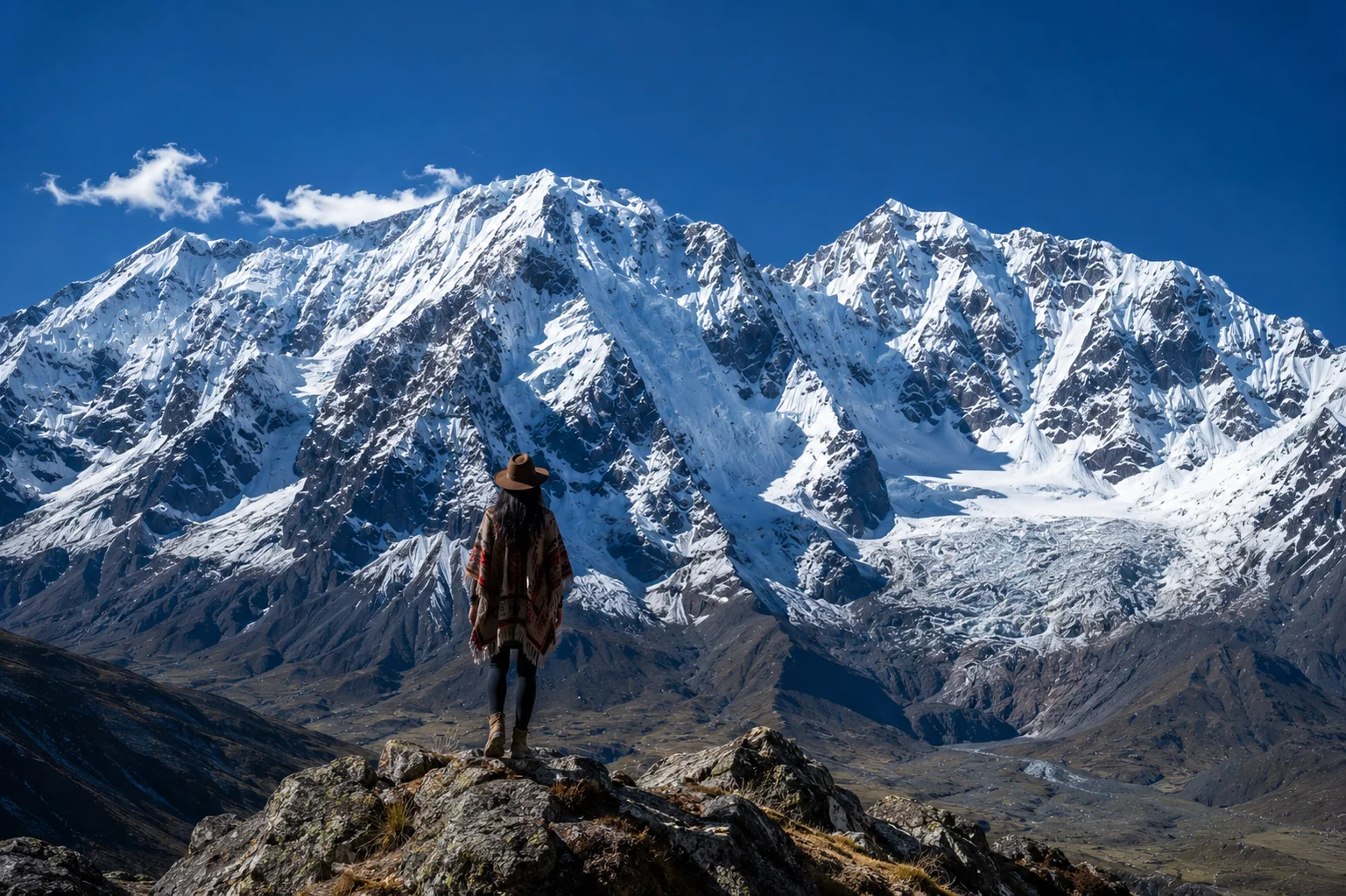
The hike is short, between 30 and 50 minutes, with an easy to moderate difficulty mainly because of the altitude. Once at the lake, visitors can admire its turquoise waters surrounded by the snowy peaks of the Vilcanota mountain range, see alpacas and llamas, take photos, and enjoy the peaceful atmosphere, as very few tourists visit this place.
Afterwards, you hike back to the vehicle, have lunch in a nearby community, and finally return to Cusco, arriving at around 6:00 to 7:00 p.m. It is an excellent choice for travelers looking for spectacular scenery, a short hike, and a place far from the crowds.
What should I bring to Singrenacocha Lake?
- A lightweight, waterproof day pack
- Sturdy hiking boots
- Warm clothes and hiking pants, not jeans
- Layers of clothes for changing temperatures
- Camera with fully charged batteries
- Sun protection: sunscreen, sun hat, sunglasses
- Thermal clothes, wool socks, gloves, scarf, wool hat
- Insect repellent
- Waterproof clothing or a rain poncho
- Reusable water bottles
- Personal first aid kit
- Extra money for souvenirs, drinks, and tips
- Your favorite snacks
- Hand sanitizer
- Toilet paper
- Copy of your passport and student ID card if applicable
What else can I see on the route?
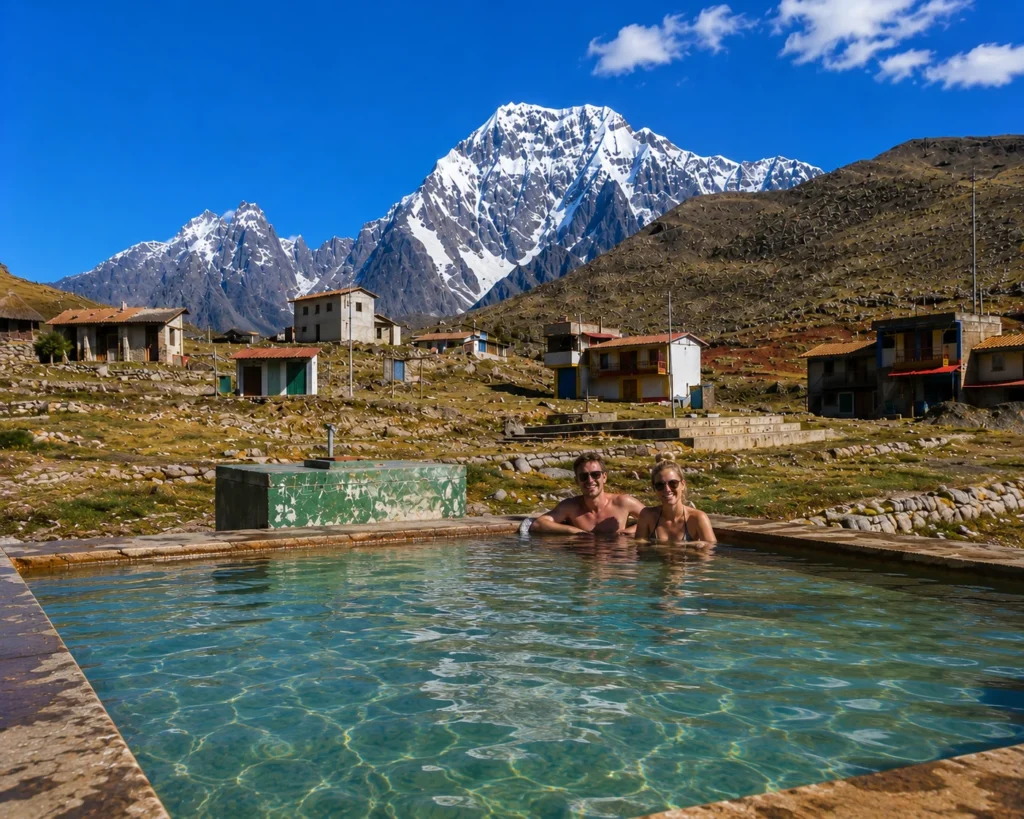
On the way to Singrenacocha Lake, besides enjoying nature, different ecosystems, and beautiful landscapes, you can also visit the Pacchanta hot springs. In this magical place, you can relax in the natural hot springs after the hike.
You will also be able to see local artisans in the area and the local community carrying out their daily activities.