



Essential route logistics, altitude safety tips, and expert planning notes for your journey to Vinicunca.
Overview
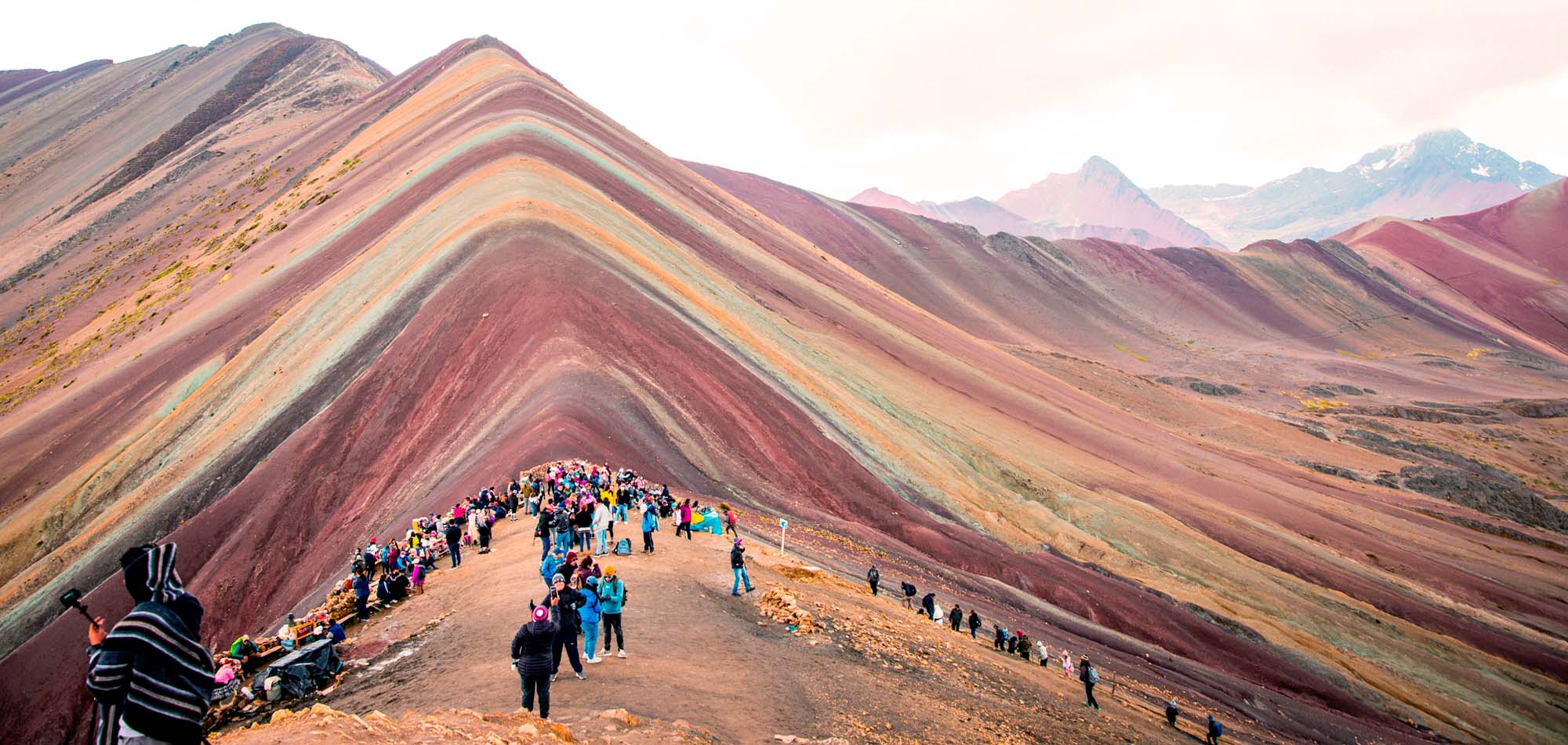
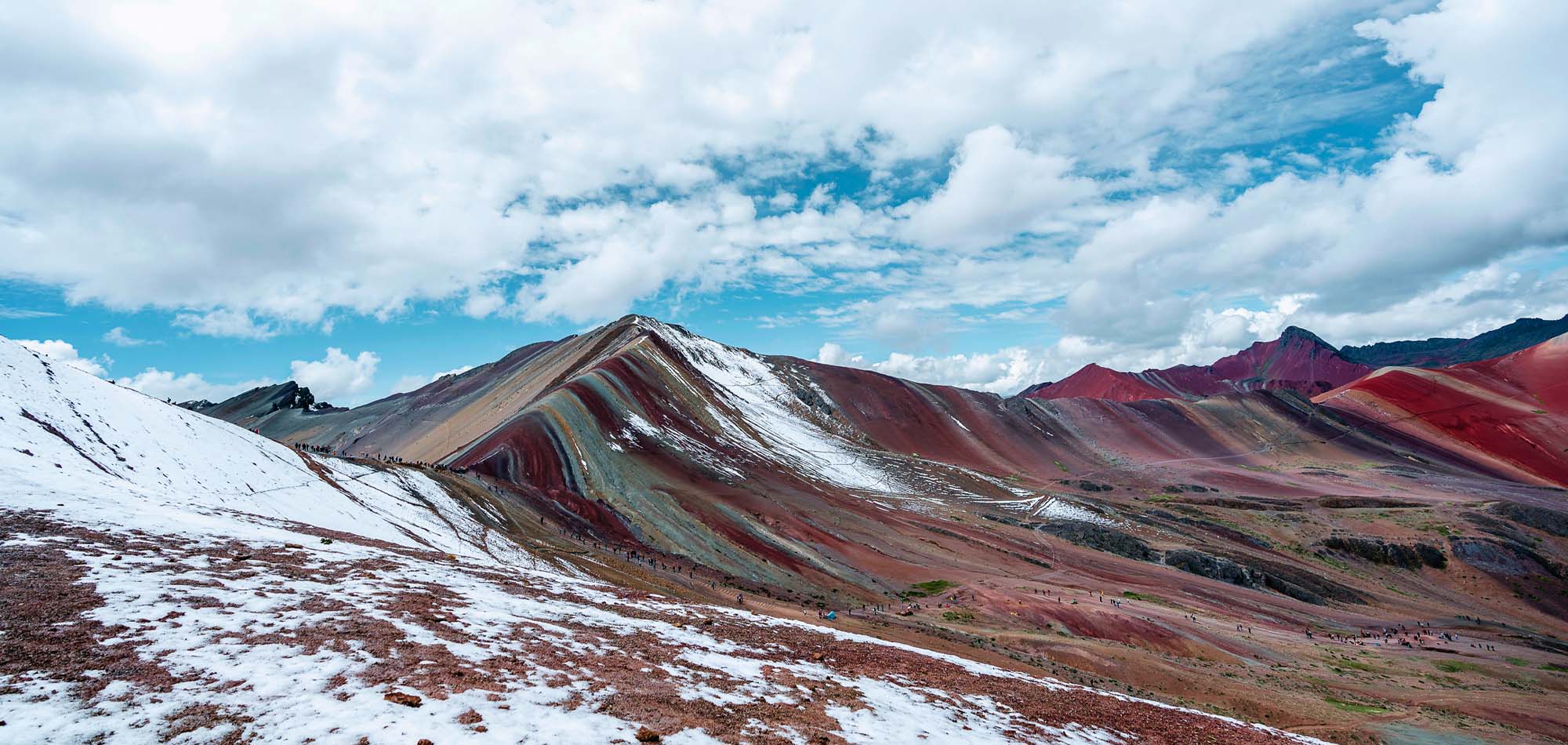
Vinicunca, widely known as Rainbow Mountain, is one of Peru’s most striking geological features. Rising to an elevation of 5,036 meters (16,522 feet), this high-altitude landscape is famous for its vibrant stripes of turquoise, lavender, gold, and terracotta. These distinct colors were formed over millions of years by sedimentary mineral layers exposed by weathering and environmental conditions. Nestled in the Vilcanota mountain range, the site offers sweeping views of Mount Ausangate, one of the most sacred snow-capped peaks in the region.
The mountain gained global attention around 2015 when shifting weather patterns melted the snow cover to reveal the mineral strata beneath. Since its first guided commercial tours in early 2016, Vinicunca has quickly become the second most-visited destination in Peru after Machu Picchu. National Geographic even named it among its top places to visit worldwide. The journey to the summit passes through remote Andean valleys where local herders still maintain traditional lifestyles, pasture herds of alpacas, and speak Quechua, the ancestral language of the Incas.
Along the route, trekkers can spot native wildlife, including soaring Andean condors and cara cara falcons. The surrounding sandstone topography makes this one of the most unique wilderness hikes in South America.
Best Itinerary for the Rainbow Mountain trek
Cusco – Cusipata – Phulawasipata – Rainbow Mt – Phulawasipata– Cusco
The Journey to the Trailhead
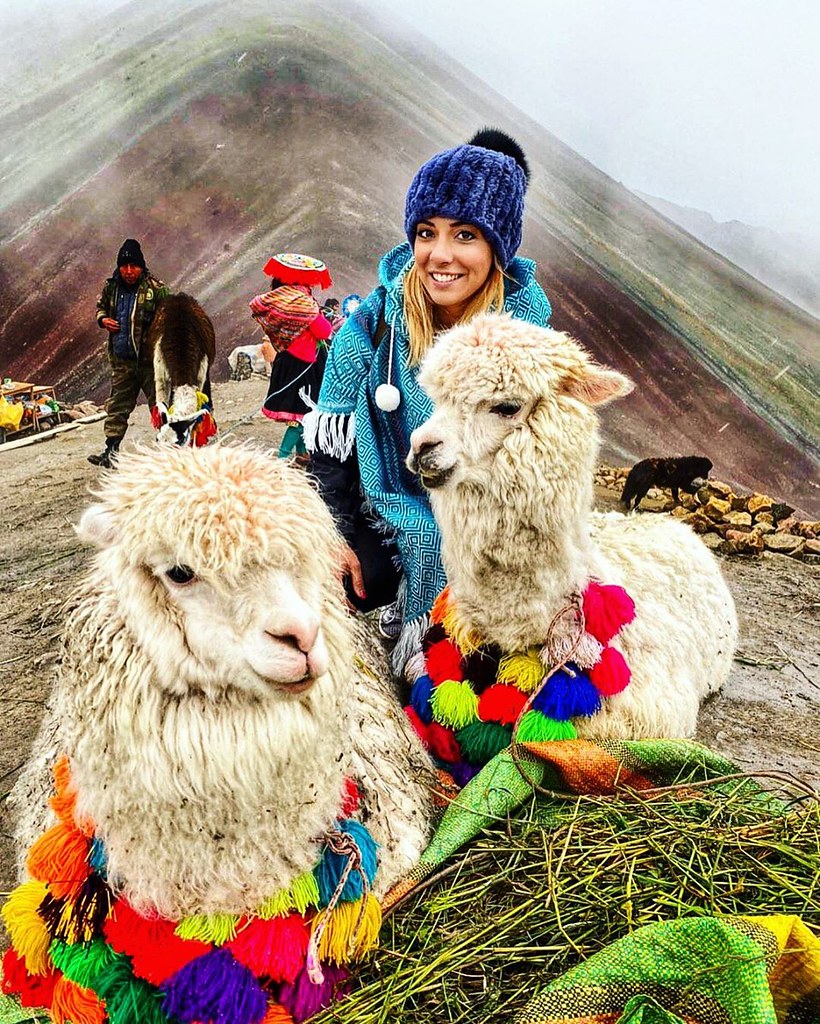
The morning begins with a prompt 4:00 AM hotel pickup, an early departure carefully timed to reach the mountain well ahead of the peak midday crowds. The journey out of Cusco is a beautiful experience in itself, featuring a scenic three-hour drive through the historic South Valley. As the city leaves the horizon, the landscape unfolds into a panorama of ancient agricultural terraces, deep river valleys, and rugged Andean passes.
The final stretch of the drive traces a pristine mountain stream leading straight to the trailhead at Phulawasipata. Before stepping onto the path, a hot, freshly prepared breakfast is served in the crisp morning air, right alongside fields of grazing alpacas and llamas. The trek sets off directly from this high alpine valley, offering immediate, uninterrupted views of the sacred, snow-capped Mount Ausangate. The trail gently winds past quiet hamlets where local residents still wear vibrant, traditionally woven clothing, providing an authentic glimpse into enduring Andean culture.
On the Trail
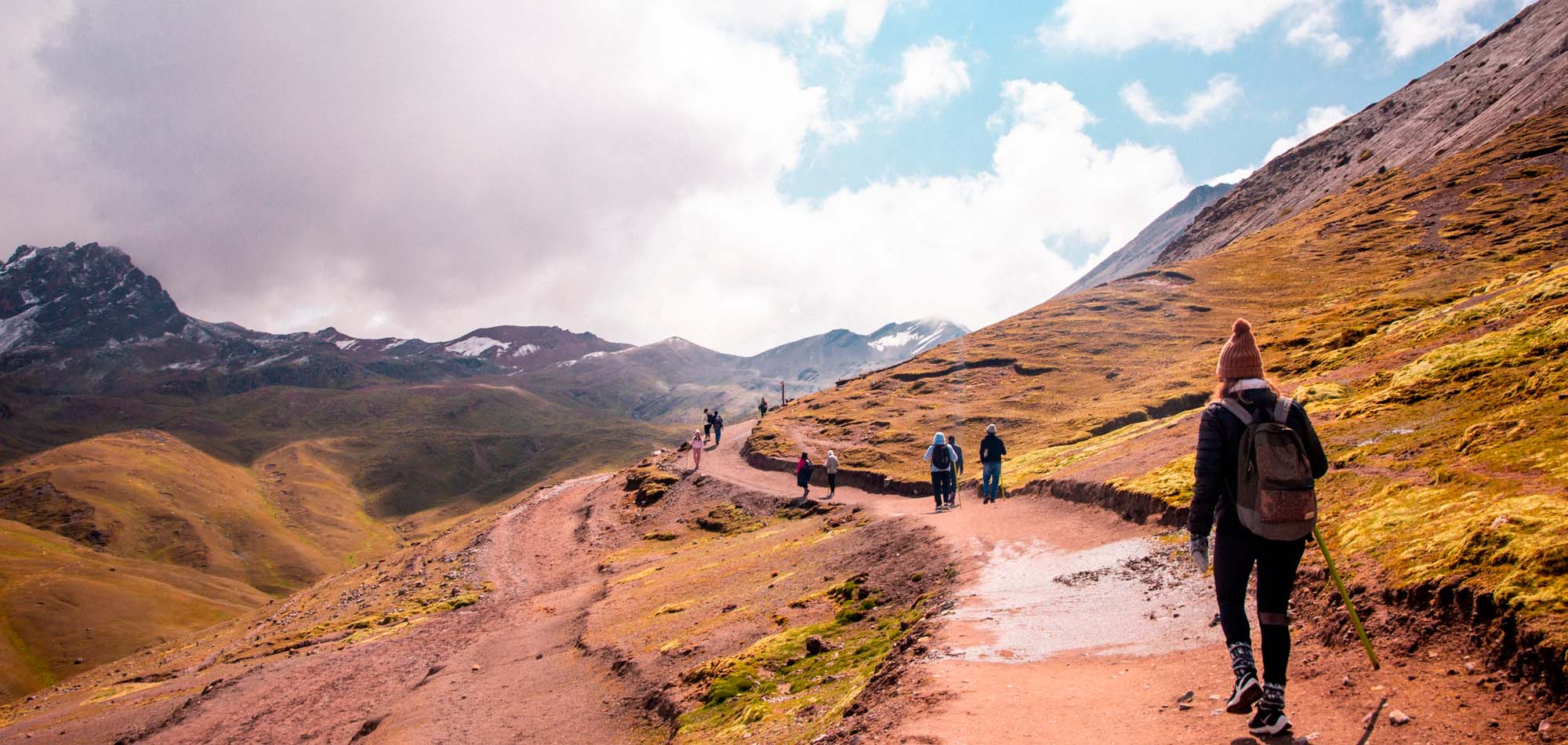
The trek to the summit takes approximately 1.5 hours of gradual uphill walking. While the distance itself is relatively short, the thin alpine air requires a slow, steady pace. Even hikers who feel fully acclimatized to Cusco’s altitude will find themselves moving deliberately. Once you arrive at the main viewpoint, you will have roughly 30 minutes to explore the ridgeline, take photos, and enjoy the scenery.
The Return Journey
The return hike down to the transport hub at Phulawasipata takes about an hour. From there, your tour vehicle will head back on the three-hour drive to Cusco, dropping you off at your hotel between 5:00 PM and 6:00 PM.
What to Pack for the Trek
Weather Protection
Mountain weather is unpredictable and can shift from bright sunshine to freezing winds within minutes. Ensure you pack:
- High-SPF sunscreen and UV-blocking sunglasses
- A reliable waterproof or windproof jacket
- A warm beanie and a lightweight sun hat
- Sturdy hiking boots worn with thick wool socks (plus a spare pair in your pack)
Altitude Management
- Hydration: Sip water constantly throughout the day.
- Local Remedies: Drink hot coca tea at breakfast and carry a small pouch of coca leaves to chew during the ascent.
- Medication: Keep ibuprofen or tailored altitude medication on hand to manage minor headaches, and consult your doctor before traveling.
- Preparation: Avoid heavy meals, alcohol, and smoking for at least 24 hours before the hike.
Essential Gear & Cash
- A lightweight daypack containing water, energy snacks, and your own roll of toilet paper.
- Peruvian Soles in cash. Some operators do not include local community entry fees for Rainbow Mountain or the Red Valley in their base price.
Best time to visit Rainbow Mountain Trek?
The optimal window for trekking Vinicunca is during the Andean dry season, which runs from April to August. During these months, clear skies and sunny days are common, providing the best visibility for the mountain’s colors. The peak tourist season falls between May and July. Traveling during the shoulder months (such as April or September) can be a great way to enjoy favorable weather with fewer crowds on the trail.
Essential Safety Tips
- Acclimatization: Spend at least two full days in Cusco or the Sacred Valley before attempting this hike. Because the trail reaches elevations well above Cusco, your body needs time to adjust.
- Pacing: Maintain a slow, steady rhythm. Focus on deep, rhythmic breathing. The final stretch to the ridge is short but steep, requiring extra effort at high altitude. Take your time; it is not a race.
- Choosing a Safe Operator: Ensure your tour operator provides experienced, multi-lingual guides who carry a professional medical kit and a functional emergency oxygen tank. High altitude affects everyone differently, and having immediate access to oxygen is a vital safety requirement.
- Guide Communication: A knowledgeable local guide makes a substantial difference. Because the native communities along the route speak Quechua as their primary language, your guide will also act as your cultural translator if you wish to converse with the locals.
Trail Facilities & Restrooms
The most reliable, clean restroom facilities are located right at the Phulawasipata trailhead. These flush toilets are regularly maintained by local staff and cost one Peruvian Sol to use. Once you are out on the trail, basic portable toilets are available every few kilometers. Because these receive heavy traffic throughout the day, they are best used only when necessary. Handwashing stations with soap are generally available at these points. It is highly recommended to use the trailhead facilities before embarking on the three-hour drive back to Cusco.
Hike Difficulty & Distance
The trail covers roughly 4.4 kilometers (2.5 miles) each way. While the distance is modest, the high elevation classifies this hike as moderate to difficult. The key to a successful summit is pacing yourself right from the start.
The path remains mostly gradual until you reach the final approach to the ridge. This final section is short but quite steep. As long as you have properly acclimatized in Cusco, maintain steady breathing, and travel with a professional guide who understands altitude safety, you can expect to reach the summit successfully.
Who Can Do This Hike?
This trek accommodates a wide variety of fitness levels, from families with older children to mature travelers. The total trekking time is roughly three hours round-trip, depending on your pace. If you choose to add the Red Valley detour, expect to add an extra 45 minutes to an hour of walking time to your day.
Horse Rentals
If you prefer not to hike the entire distance, local horse rentals are available at the start of the trail and near the midway point. The cost typically ranges from 80 to 100 Soles. It is highly recommended to let your guide assist with the arrangements to ensure fair pricing. Please note that horses are not permitted on the final, steep ridge section for safety reasons; you will need to walk the final stretch to reach the viewpoint.
Expected Tour Pricing (Current 2026 rates)
- Private 4×4 Excursion | $150 – $250 | Flexible departure times (like a 3:00 AM start to beat everyone else), private driver, and dedicated expert guide.
- Standard Bus Pool | $25 – $45 | Large 30+ seat bus transport, basic guide. Entry fees (45 Soles) and meals are often paid out-of-pocket.
- Premium Small Group | $50 – $80 | Maximum 8–10 guests in a sprinter van. Includes breakfast/lunch buffets and entry tickets sorted in advance.
Frequently Asked Questions
Is emergency oxygen provided on the tour?
Reputable operators always carry emergency oxygen tanks. Due to the rapid altitude gain, having access to oxygen ensures a much safer and more comfortable environment for hikers experiencing acute altitude symptoms.
Is the Rainbow Mountain trek safe?
Yes, the trek is highly safe when undertaken with an experienced, licensed local agency. Hikers should focus on proper acclimatization beforehand and listen closely to their guide’s advice on the trail.
Is there an age limit for visitors?
There is no official age restriction. However, given the high altitude and physical demands, participants should be in good health. The trek is generally not recommended for children under eight years old unless they are well-accustomed to mountain hiking.
What kind of meals are served?
Food options vary significantly by operator. Budget tours often stop at basic roadside restaurants along the highway. Premium operators travel with a dedicated trekking chef who prepares fresh, hot meals directly at the trailhead camp, complete with warming drinks and multiple courses.
Quick Tips for an Optimal Trekking Experience
- Prepare Early: Incorporate cardiovascular exercise into your routine weeks before your trip, and allocate your first few days in Peru to resting at altitude.
- Layer Your Clothing: Wear highly breathable base layers and pack an insulated jacket along with waterproof gear so you can adjust to rapid temperature changes.
- Stay Hydrated: Drink plenty of fluids, and limit your consumption of caffeine and alcohol before heading into high elevations.
- Beat the Crowds: Opt for operators that leave Cusco exceptionally early, or consider visiting during the shoulder seasons to enjoy a quieter landscape.
- Practice Leave No Trace: Stay strictly on designated trails to safeguard the fragile alpine soil and high-altitude vegetation. Always carry out any trash you generate.
- Support Local Businesses: Bring small denominations of local currency to buy handmade textiles, snacks, or services directly from the indigenous community members along the path.
Rainbow Mountain Alternatives
While Vinicunca is the classic postcard view, it isn’t the only option in Cusco. If you want to avoid intense physical strain or heavy crowds, these two alternatives are highly popular.
Comparison
- Vinicunca (Classic): 5,036 meters elevation | 2-hour steep hike | High crowds | Iconic single multi-colored ridge.
- Palccoyo (Easy): 4,900 meters elevation | 45-minute flat walk | Very low crowds | Three distinct colorful ridges + stone forest.
- Pallay Punchu (Adventure): 4,790 meters elevation | 1.5-hour moderate hike | Minimal crowds | Jagged, razor-sharp peaks + lake views.
Palccoyo: The Low-Impact Alternative
Palccoyo is the smart choice if you are worried about altitude exhaustion. Instead of one steep trail, it features a gentle, mostly flat walk.
Within 45 minutes of easy walking, you get views of three separate rainbow-striped mountains running parallel to each other. It also features a natural labyrinth of jagged geological rock formations known as the Stone Forest. It is perfect for families, seniors, or anyone early in their acclimatization window.
Pallay Punchu: The Sharp-Toothed Newcomer
Located farther south near Sicuani, Pallay Punchu is Cusco’s newest geological attraction.
The landscape looks completely different from Vinicunca. The ridges are sharp, vertical, and look like jagged saw teeth. Local communities call it the woven poncho because the vertical stripes mirror traditional Andean textiles. The summit offers a massive bonus: a sweeping, panoramic view of the deep blue Langui-Layo Lagoon directly below.
The Science Behind the Colors
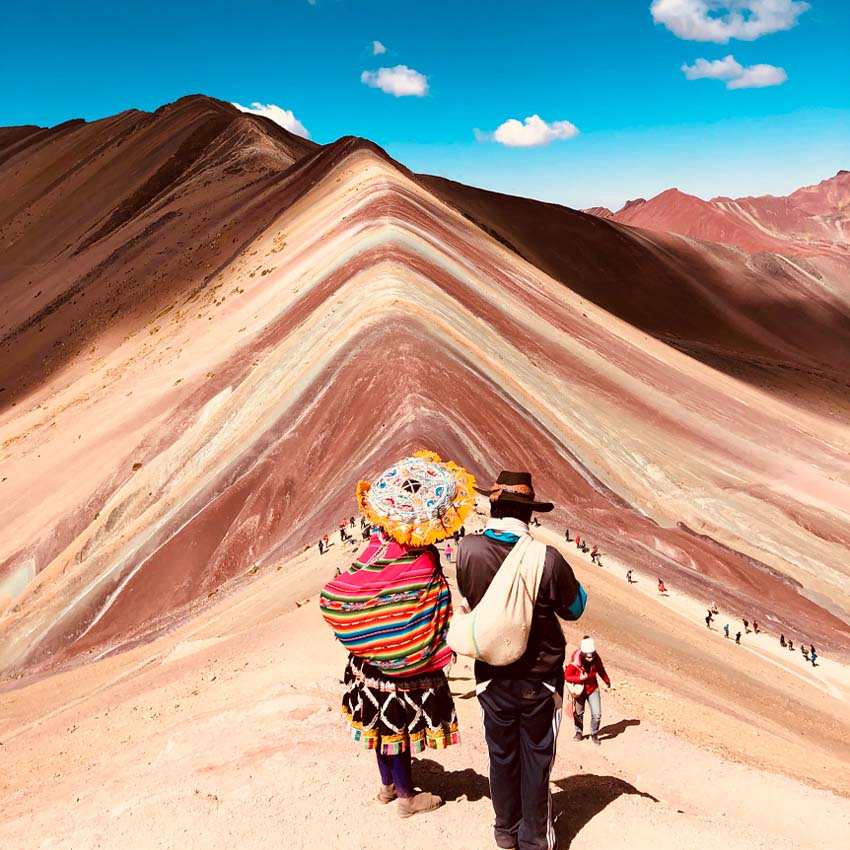
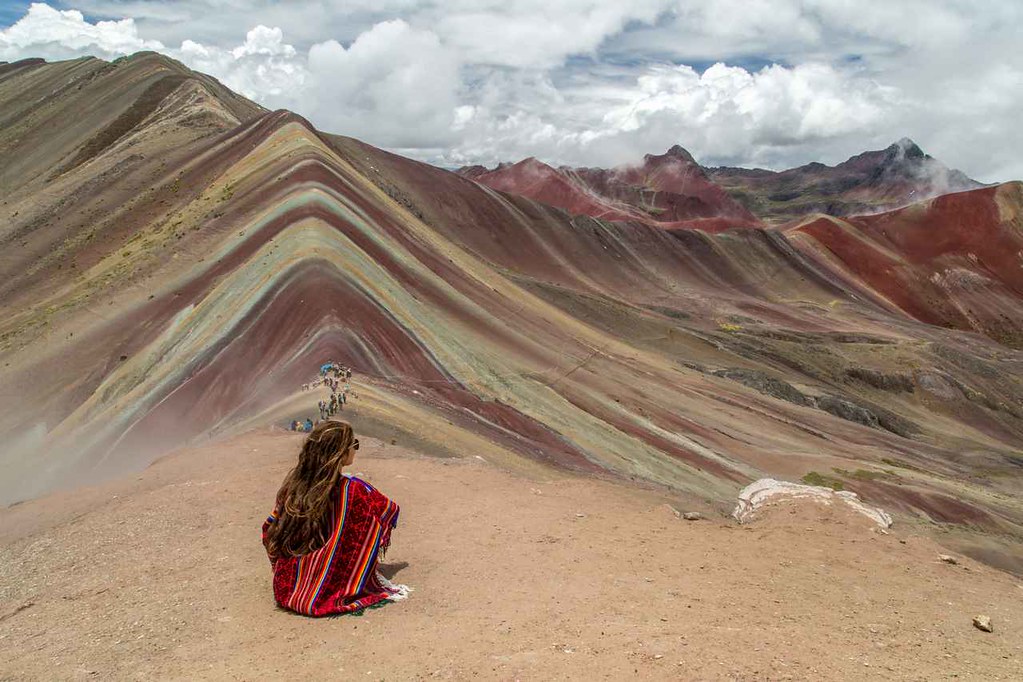
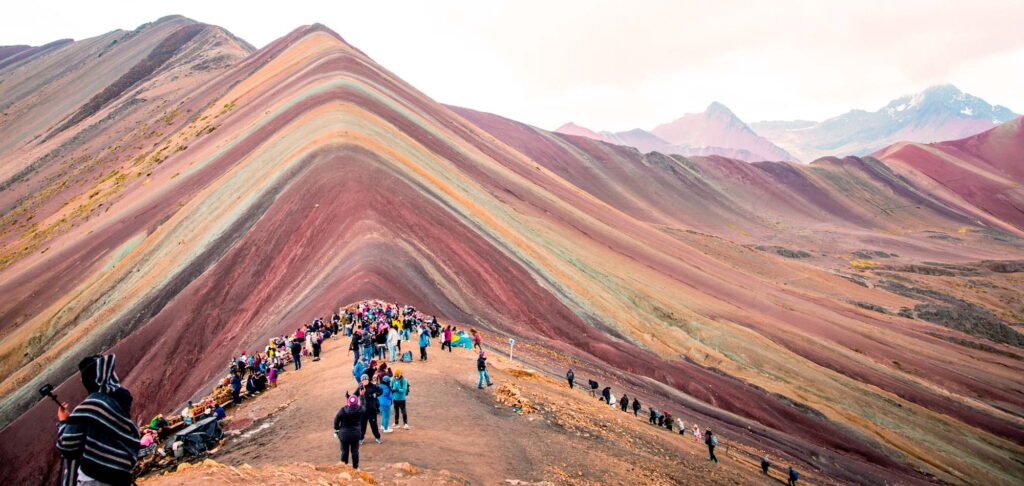
Vinicunca was hidden under a thick sheet of glacial ice until global temperature shifts caused the snow to melt around 2015. The vibrant stripes you see today are a masterclass in planetary geology, formed by mineral layers deposited over 24 million years ago.
On mobile screens, you can quickly scan this breakdown of the mineral compounds responsible for each color:
- Pink & Fuchsia: Formed by ancient red clay crusts mixed with marine sandstones containing quartz (SiO₂).
- Vibrant White: Composed of pure quartz sandstone and highly concentrated limestone (CaCO³).
- Turquoise & Green: Caused by clays rich in ferro-magnesian minerals and localized copper chlorites.
- Terracotta & Brick Red: Created by iron-rich clays undergoing modern subaerial oxidation.
- Golden Yellow: Formed by calcareous sandstones rich in natural sulfur minerals and limonite.
Over millions of years, tectonic activity pushed these flat, underground layers upward, tilting them into the dramatic vertical bands you see today.
The New ATV (Quad Bike) Option
For travelers who want the views without the intense, lung-burning physical exertion of walking at high altitudes, local communities now offer an alternative: ATV (Quad Bike) rentals.
The ATVs operate on a dedicated dirt path running completely parallel to the walking trail. This keeps the walking path quiet for hikers while letting motorized travelers bypass the hardest physical stretches of the valley. Rent them directly from local herders at the Phulawasipata trailhead.
Quick Logistics
- The Cost: Expect to pay between 200 to 300 Peruvian Soles ($55 to $80 USD) round-trip for a single-rider ATV.
- The Booking: You can rent them directly from local herders at the Phulawasipata trailhead, or book a full day-trip package out of Cusco for around $80 to $100 USD.
- The Catch: Due to strict environmental protections, ATVs are barred from driving up the final ridge. The vehicles park at a base station, and you must still complete a short, steep 10-to-15-minute walk on foot to reach the main viewpoint.
User Warning: The trail is unpaved and gravelly. Because your reaction times are slightly slower at high elevations, always ensure your operator provides a properly fitted helmet and a guide to lead the vehicle convoy.
Trail Upgrade Option 2: The Red Valley Hiking Detour
Instead of taking an ATV or walking straight back down the dusty main trail the way you came, you can choose to hike back via the adjacent Red Valley.
Most professional operators offer this optional loop for an extra community entry fee of 30 Soles. It adds roughly 45 minutes of walking time to your return journey, but it is highly recommended. The path takes you through an iron-rich crimson landscape contrasted against bright patches of high-altitude ichu grass, eventually looping you right back to the primary Phulawasipata parking lot.