



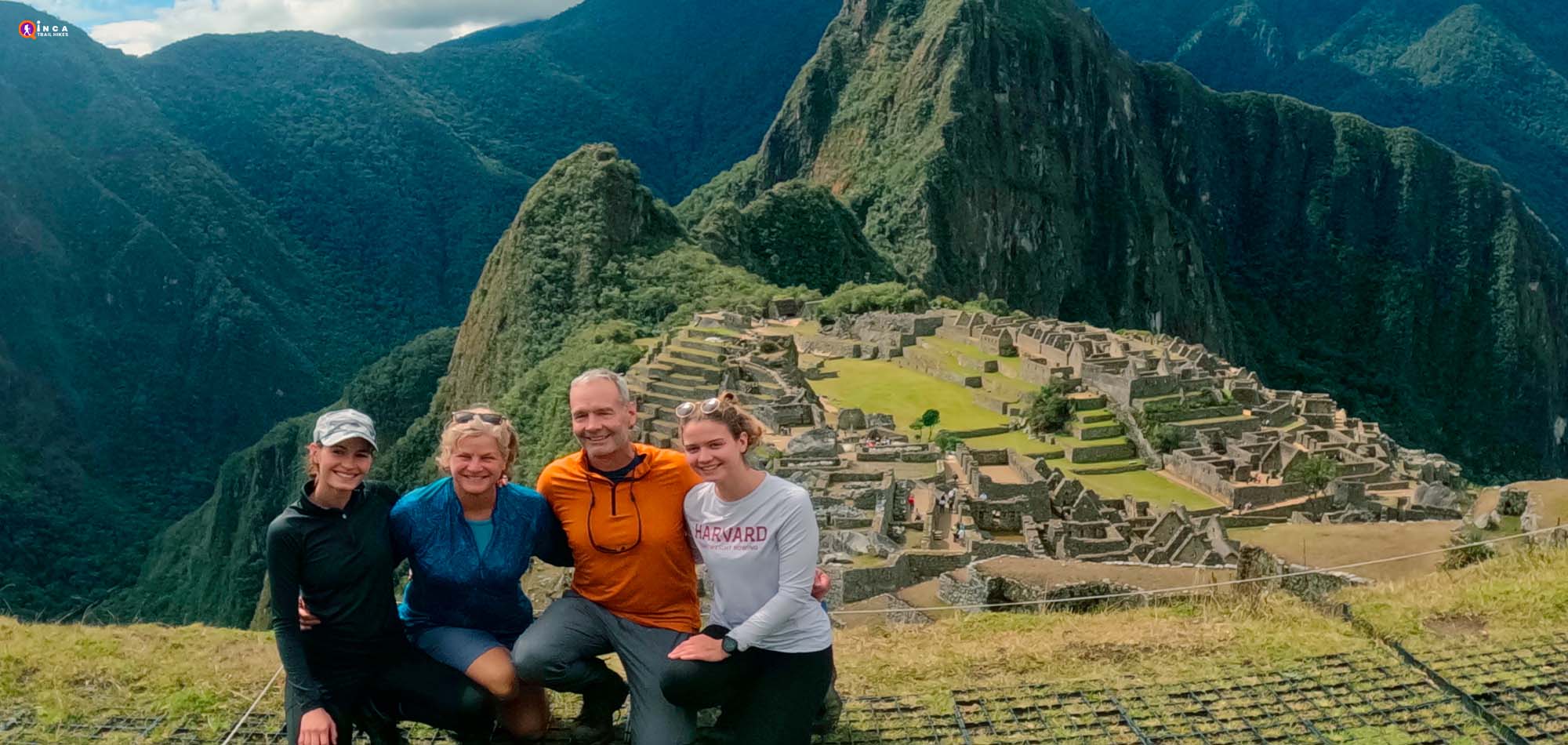
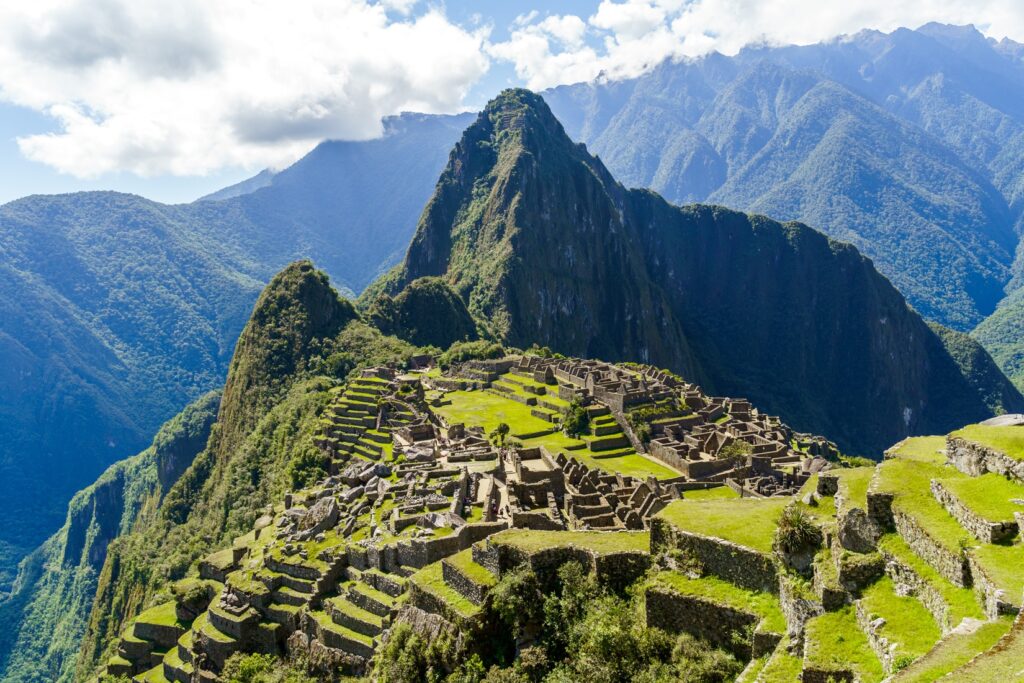
Machu Picchu is a must see on any trip to Peru and was named one of the New 7 Wonders of the World in 2007. Because more than 1.5 million people visit each year, the Peruvian government updates the management plan annually to protect the site. Rules, schedules, and circuit routes change often. This 2027 guide gives you current, practical information so you can plan with confidence.
To reach Machu Picchu you must first reach Cusco. From Lima, flights take about 1 hour 20 minutes. Buses take 21 to 30 hours depending on the route and road conditions. Buses cost less, but promotional airfares are often similar in price, so compare both options.
Flying is the fastest and safest option. If you have extra time, the overland route lets you see coastal towns and pre-Inca sites such as Caral-Supe, the oldest civilization in the Americas, dating back 5,000 years.
Pro Tip!
We’ve done the research! Read our best rated tour operators guide to find the most reliable info and find the perfect guide for your trip!
Where is Machu Picchu Located?
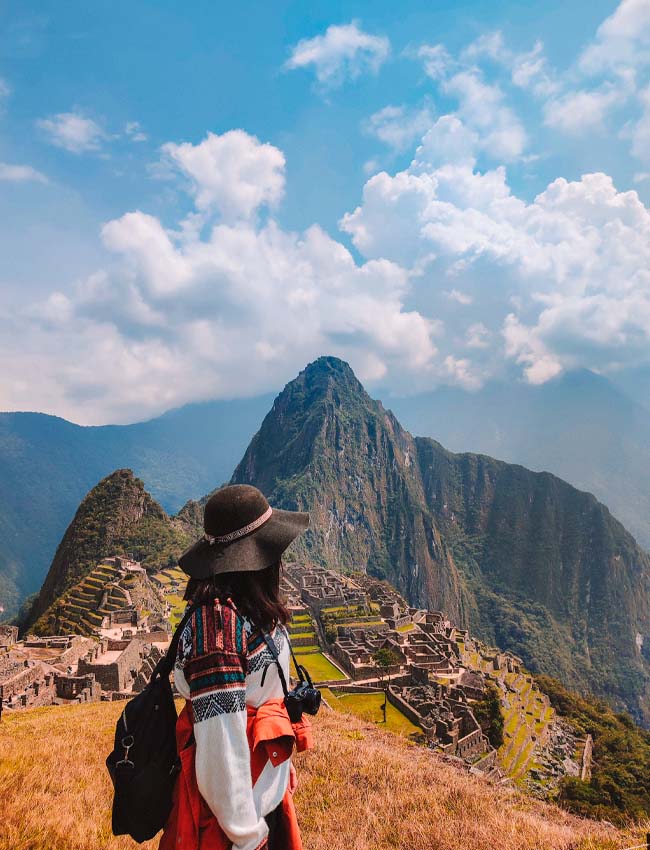
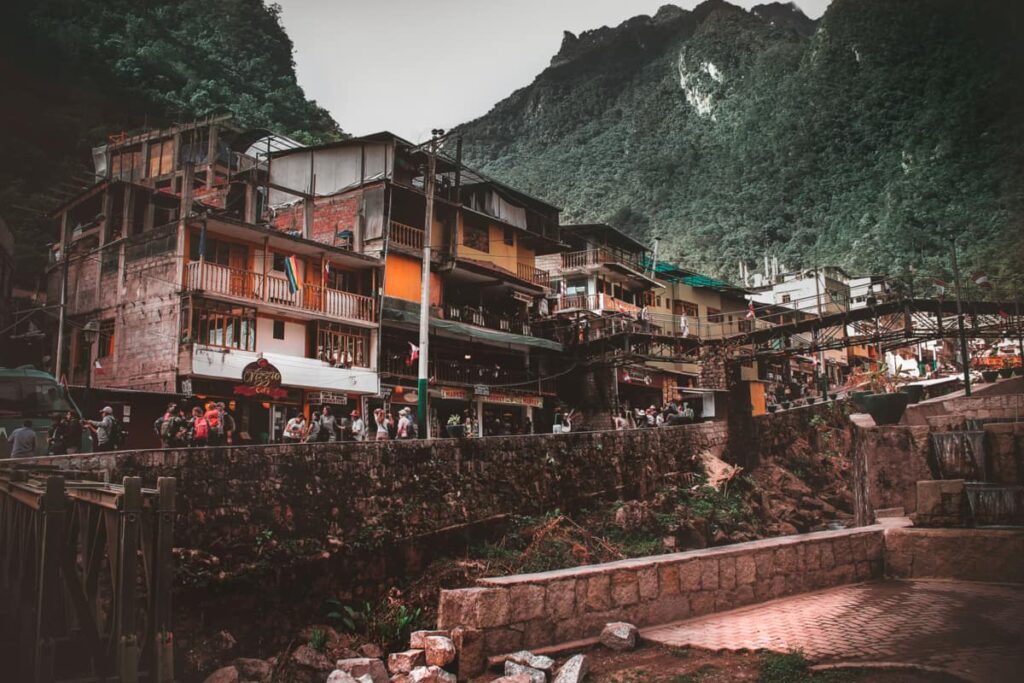
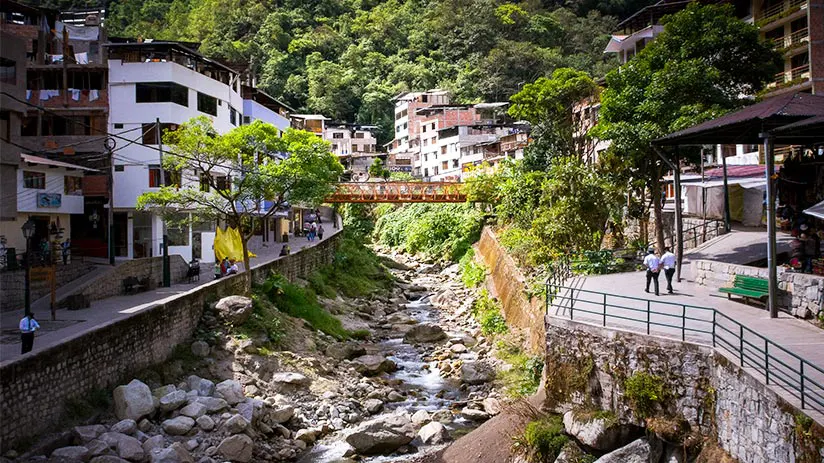
Machu Picchu sits in the Andean cloud forest above the town of Aguas Calientes, in the Cusco region. From Cusco you travel to Aguas Calientes by train or by trek. From Aguas Calientes you reach the citadel by shuttle bus or on foot.
Cusco to Aguas Calientes
There are 3 ways to get to Aguas Calientes
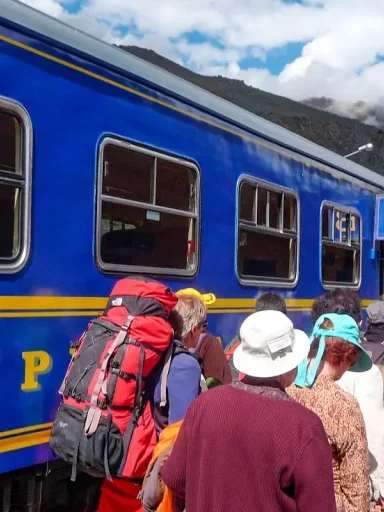
- Train: The most common and reliable option, 90 minutes from Ollantaytambo.
- Trekking: The most rewarding approach. You can reach Aguas Calientes via the Classic Inca Trail, Salkantay, or Lares routes.
- Bus: There is also the option of taking a bus to Aguas Calientes this is the budget option however, and is not necessarily recommended. Due to long drive times and hazardous road conditions in the rainy season.
Aguas Calientes to Machu Picchu
There are two ways to get to Machu Picchu from Aguas Calientes
- Walk: If you want to get the exercise this option is for you. Keep in mind it’s a 1.5 to 2 hour walk up steep stone steps.
- Bus: A popular option, however relatively expensive for a bus costing $12 there and $12 back. 25 minutes, about USD 12 each way in 2026. Some visitors take the bus up and walk down.
Walking up to Machu Picchu can be difficult and unpleasant. You will have to cross the road multiple times climb up many stairs all the while being covered in road dust.
Most tour operators will provide and organize all the transportation on the way to Machu Picchu whether it’s by train or by trail.
Circuits
Choosing your circuit is the most important decision you will make for Machu Picchu, and it is the part most visitors get wrong. We have guided thousands of travelers through the gate, and we have watched people arrive with the wrong ticket too many times.
Since 2024, Machu Picchu no longer sells a general entrance. You must choose a timed circuit, and your circuit decides what you will actually see. Think of it as three different stories:
- Circuit 1 (Panoramic): For the postcard view from the high terraces.
- Circuit 2 (Classic): The complete single-day experience through the main urban core.
- Circuit 3 (Royalty): Lower temples, the interior of the Temple of the Sun, and the option for Huayna Picchu.
Crucial 2027 Update: For travelers in a hurry, you can now purchase separate tickets to combine Circuit 1 and Circuit 3 on the exact same day, giving you both the upper postcard views and the lower interior temples without staying overnight.
For a complete, deep-dive breakdown of all 10 routes, maps, and timing strategies, read our Circuit Guide for Machu Picchu.
Tours We Recommend and Book Every Week
These are the routes our team in Cusco books most often. We work only with licensed local operators who, together, have safely guided more than 250,000 travelers to Machu Picchu. We choose them because their guides are certified, their times match the trains, and they honor the circuit tickets we select for you.
Best for one day:
- Machu Picchu by Train – Full Day: with 69 Explorer. Early train, guided circuit, return same night.
Best for two days:
- Short Inca Trail 2-Day / 1-Night: with Orange Nation Peru. Hike from Km 104 through Wiñay Wayna, enter through the Sun Gate, overnight in Aguas Calientes, full Machu Picchu tour next morning.
- Sacred Valley and Machu Picchu 3-Day: with SAM Travel Peru. Pisac and Ollantaytambo on day one, train to Aguas Calientes, Machu Picchu for Sunset and Sunrise.
- Salkantay Trek to Machu Picchu 3 Days: with Orange Nation Peru. Glacier views,Sky Domes at 2,950 m with private bathroom, hot shower, and sauna recovery before reaching Machu Picchu.
Classic treks – 4 days:
- Classic Inca Trail 4-Day: with Inca Trail Hikes. The original trail, campsites, Dead Woman’s Pass, Sun Gate arrival.
- Sacred Valley & Short Inca Trail to Machu Picchu-3 days: with Orange Nation. Sacred Valley and the ancient Maras Salt Mines with a scenic train ride and a one-day trek along the Short Inca Trail directly into Machu Picchu.
- Salkantay Trek 4-Day with SAM Travel Peru: with Sky Domes. This high-altitude four-day trek features a challenging route past Humantay Lake and the Salkantay Pass, offering hikers a rugged alpine journey paired with overnight stays Sky Domes with private bathrooms.
- Lares Trek 4-Day: with 69 Explorer. Remote villages, weaving communities, hot springs, fewer crowds. Andean mountain passes and traditional community visits with a relaxing hot springs soak and a guided tour of Machu Picchu.
Longer adventures – 5 days:
- Salkantay 5-Day to Machu Picchu: with Sam Travel Peru. Extra acclimatization day at Humantay, slower pace, more time for photos.
- Salkantay Trek + the Inca Trail to Machu Picchu 6 Days with Sky Dome Camps. Rugged alpine scenery and glass-dome camping of the Salkantay Trek with the historic ruins of the Classic Inca Trail, culminating in an exclusive arrival at Machu Picchu through the Sun Gate.
Treks to Machu Picchu
The Classic Inca Trail
This is the original pilgrimage route, and it is still the most requested. You walk on Inca stone steps, camp at archaeological sites, and enter Machu Picchu through the Sun Gate at sunrise.
- Book 6 months ahead for May to September, 3 to 4 months ahead for other months.
- Difficult, with high altitude. Highest point is Dead Woman’s Pass at 4,215 meters.
- Closed every February for maintenance.
- Price range $700 to $1,000 including permits, porters, food, and guide.
- Permits limited to 500 people per day total. That inc. trekkers, guides, cooks, and porters, so around 200 tourist spots are available.
Inka Jungle Trek
Our most fun alternative. You bike down from Abra Malaga, raft on the Urubamba, zip line in Santa Teresa, and hike into Aguas Calientes.
- Moderate difficulty, great for active travelers.
Open all year, it does not use the classic trail permits. - Price range $350 to $750.
- The 4-day version includes the Short Inca Trail section on the last day.
- Rarely sells out, you can book 2 to 3 weeks ahead.
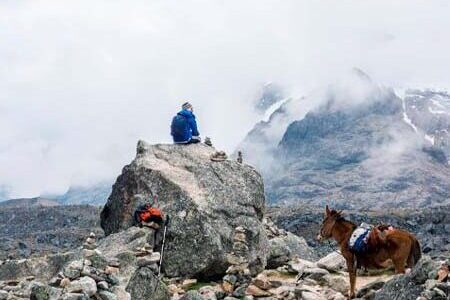
Salkantay Trek
This is the ultimate high-altitude wilderness trek, taking you past dramatic glacial peaks and tropical cloud forests before reaching Aguas Calientes.
- Difficult, higher and longer than the Inca Trail
4-day is fast paced, 5-day gives better acclimatization. - Price range $480 to $850.
- Book 4 to 6 weeks ahead in high season.
- Salkantay with Sky Domes: same route but you sleep in glass-roof domes at Soraypampa and Chaullay. Our guests love this for photography.
Lares Trek
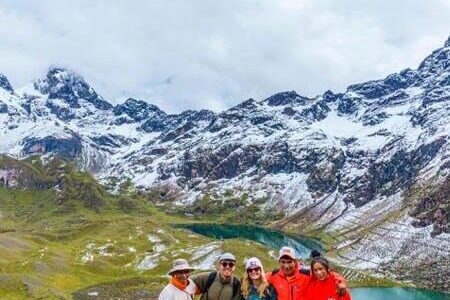
This is the cultural trek. You walk through Quechua villages that have changed little in hundreds of years, with free roaming llamas and alpacas, alpine lakes, and a stop at natural hot springs.
- Moderate difficulty, lower maximum altitude than Salkantay.
- Price range $550 to $900.
- Departs regularly, good availability.
- Ideal for acclimatization before Machu Picchu.
Hikes Inside Machu Picchu
If you still have energy after the citadel, the mountains are where the magic happens. We climb them every week with our groups. You now have four choices inside the sanctuary: Huayna Picchu, Machu Picchu Mountain, Huchuy Picchu, and the Great Cavern.
Huayna Picchu Mountain
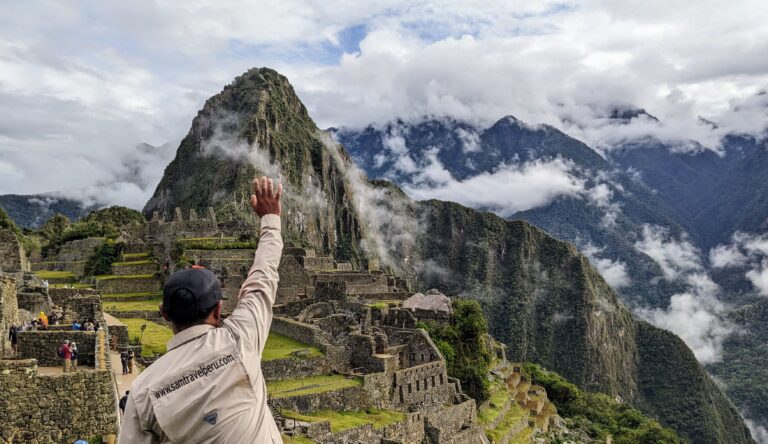
The steep peak behind Machu Picchu in every photo. Summit is 2,693 meters. The climb is short and exposed, with the famous Stairs of Death. Round trip is 1.5 to 2.5 hours. You can add the Temple of the Moon on the way down. Capacity is 350 per day for 2027, split into morning entries. This sells out first.
Machu Picchu Mountain
The big mountain opposite Huayna Picchu. Summit is 3,082 meters, the highest point in the sanctuary. The trail is wider and less crowded. Round trip is 2.5 to 3.5 hours. Best for panoramic photos. Capacity is about 400 per day.
Important: book your mountain ticket when you book Machu Picchu. You cannot add it at the gate.
Machu Picchu By Train (Optional Hike)
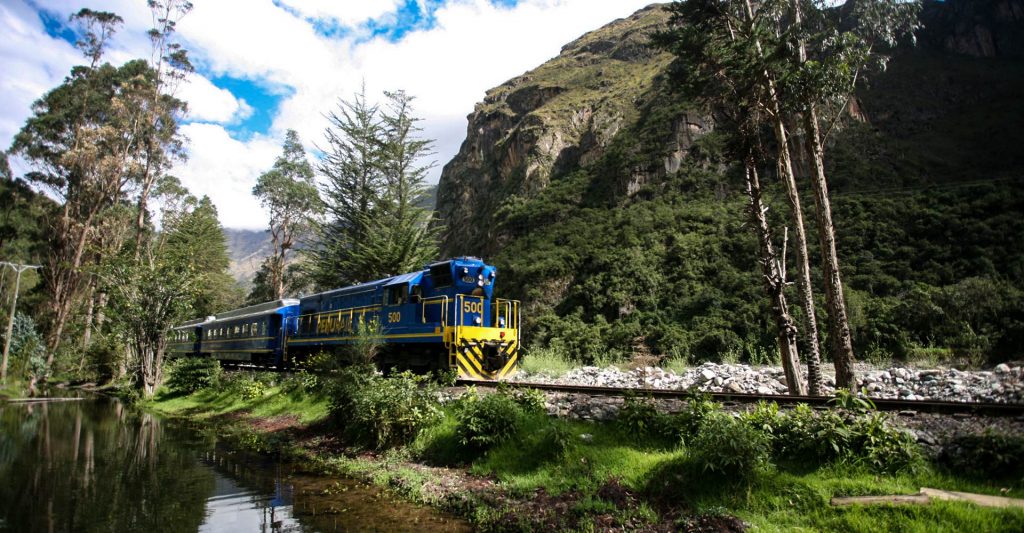
2-Day Inca Trail Train and Hike
- Hike through the last third of the Inca Trail hike (12 km in total)
- Visit the most important parts of the Inca Trail
- Walk on the same stone steps as the Inca
- Journey through lush andean valleys, high mountain passes, and mystic cloud forests
- Pass through the famous Sun Gate (Inti Punku)
- Visit Machu Picchu twice in one day, the morning of the first day and in the afternoon of the 2nd day of the hike.
1-Day Tour by Train Only
- Great views of the Sacred Andean Valley
- Tour of the Sacred Valley with English speaking guide
- Pass by Andean villages, Incan ruins, and picturesque landscapes
- Price range is from $300-$600 depending on the train
- Enjoy The Wonder that is the Incan Citadel of Machu Picchu!
Machu Picchu Things to Know
A few things we tell every group. Machu Picchu means old mountain in Quechua, Huayna Picchu means young mountain. You can get the commemorative passport stamp at the exit gate, our guides will show you. The Inca built with ashlar masonry, no mortar, the stones fit so tightly you cannot slide paper between them. The Intihuatana stone and the Water Mirrors were likely used to track the sun and stars. To protect the Inca Trail, Peru limits the entire trail to 500 people per day, including you, your guide, your cook, and every porter.
Machu Picchu Packing
We check this every morning before we leave the hotel. Bring your original passport, your Machu Picchu ticket on your phone or printed (your passport number on the ticket MUST match the physical passport they show at the gate). If a client renews their passport between booking the tour and arriving in Peru, they will be denied entry unless they bring both the old and new physical passports. This is the single biggest administrative headache operators face. Cash in soles for the bus and toilet, sturdy hiking shoes, a reusable water bottle because single-use plastic is banned, sun hat, sunscreen, insect repellent, a light rain jacket, and a small snack.
Prohibited Items
Rangers check bags at the entrance. Do not bring backpacks larger than 40 by 35 by 20 centimeters. Trekking poles are allowed only with rubber tips. Tripods, selfie sticks, drones, large umbrellas, and professional video gear need a permit. No single-use plastic bottles or bags.
Machu Picchu Safety Tips
The road to Hidroeléctrica can be slow in rainy season, avoid night buses if possible. Always use a licensed operator, they must carry two permits, one from the municipality and one from the tourism board. Watch your belongings in Aguas Calientes and on trains.
Machu Picchu Frequently Asked Questions
How high is Machu Picchu?
2,430 meters. That is lower than Cusco at 3,400 meters, so most visitors breathe easier once they arrive.
How to get Machu Picchu Tickets?
Book through the official Ministry of Culture website or through a certified operator. For May to September, book 3 to 4 months ahead. For other months, book at least 6 weeks ahead.
The strict 60-minute entry window
If a traveler books a 9:00 AM slot, the rangers will only let them enter between 9:00 AM and 10:00 AM. If they miss that window because their train or bus was late, the ticket is void.
What is the best time to visit Machu Picchu?
Dry season is May to September for clear skies. Shoulder season April, October, and early November gives good weather with fewer people. Rainy season is November to March, the terraces are green and prices are lower. The Inca Trail is closed every February, Machu Picchu stays open.
When was Machu Picchu discovered?
Technically, Machu Picchu was never truly “lost,” as local Andean families had always known of its existence.
The first person to modernly rediscover the citadel was Agustín Lizárraga, a Peruvian farmer and explorer who reached the ruins in 1902 and left his signature on the walls of the Temple of the Three Windows.
In 1911, American explorer Hiram Bingham arrived at the site and became its official “scientific discoverer” by introducing it to the global public. However, Bingham himself acknowledged the truth in his private records. Upon finding the inscription, he wrote in his journal: “Agustín Lizárraga is discoverer of Machu Picchu and lives at San Miguel Bridge just before passing.”
Machu Picchu Rules 2027
Protecting the site for future generations
Machu Picchu is fragile. Please stay on the marked stone paths at all times. Do not climb on walls, sit on terraces, or lean against Inca stonework. Respect all ropes and restricted areas. These limits protect both you and the site.
No single-use plastics
Disposable plastic bottles, bags, and food wrappers are banned inside the sanctuary. Bring a refillable water bottle. You can fill it at your hotel before you go up.
Photography
Take all the photos you want, but do it with care for others. Tripods, selfie sticks, drones, and large camera supports are not allowed without a special permit because they block narrow paths. Handheld cameras and phones are fine.
Keep noise low
Machu Picchu was a ceremonial center. Many local families still consider it sacred. Please speak quietly, especially in temples and near the Intihuatana. No speakers, whistles, or shouting.
Pack it in, pack it out
Carry out everything you carry in. Do not leave trash, do not pick up stones, and do not carve or mark anything. Use the waste bins at the entrance and exit only. The rule is simple: take only pictures, leave only footprints.
Dress with respect
You will be walking, climbing steps, and visiting spiritual places. Wear comfortable walking clothes, and dress modestly for temple areas. Shoulders and knees covered is appreciated by local staff and communities. Hats and rain jackets are recommended year round.
Following these simple rules helps us keep Machu Picchu safe, clean, and welcoming for the next generation of visitors.
Dress Suggestions and Cultural Respect:
It’s recommended and highly appreciated if you dress modestly, especially if you plan to enter any of the temples or spiritual sites. Remember this is a sacred area for many people who still live in the region so please treat the site with the utmost respect.