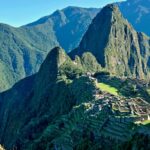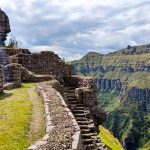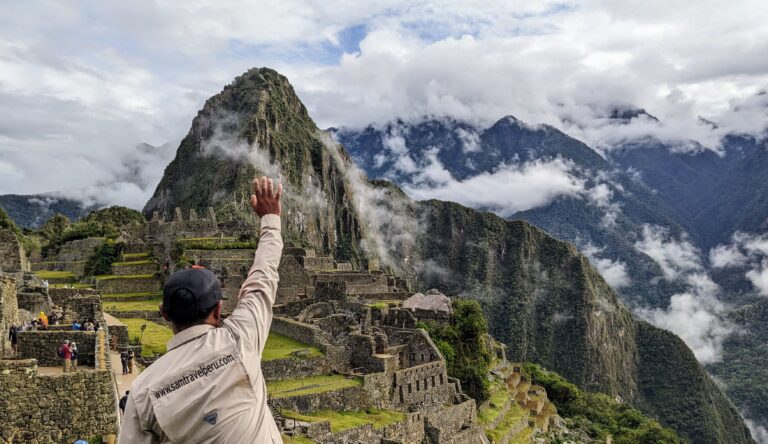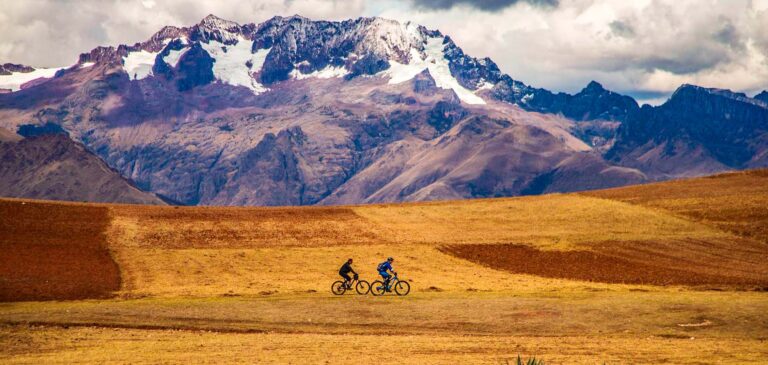




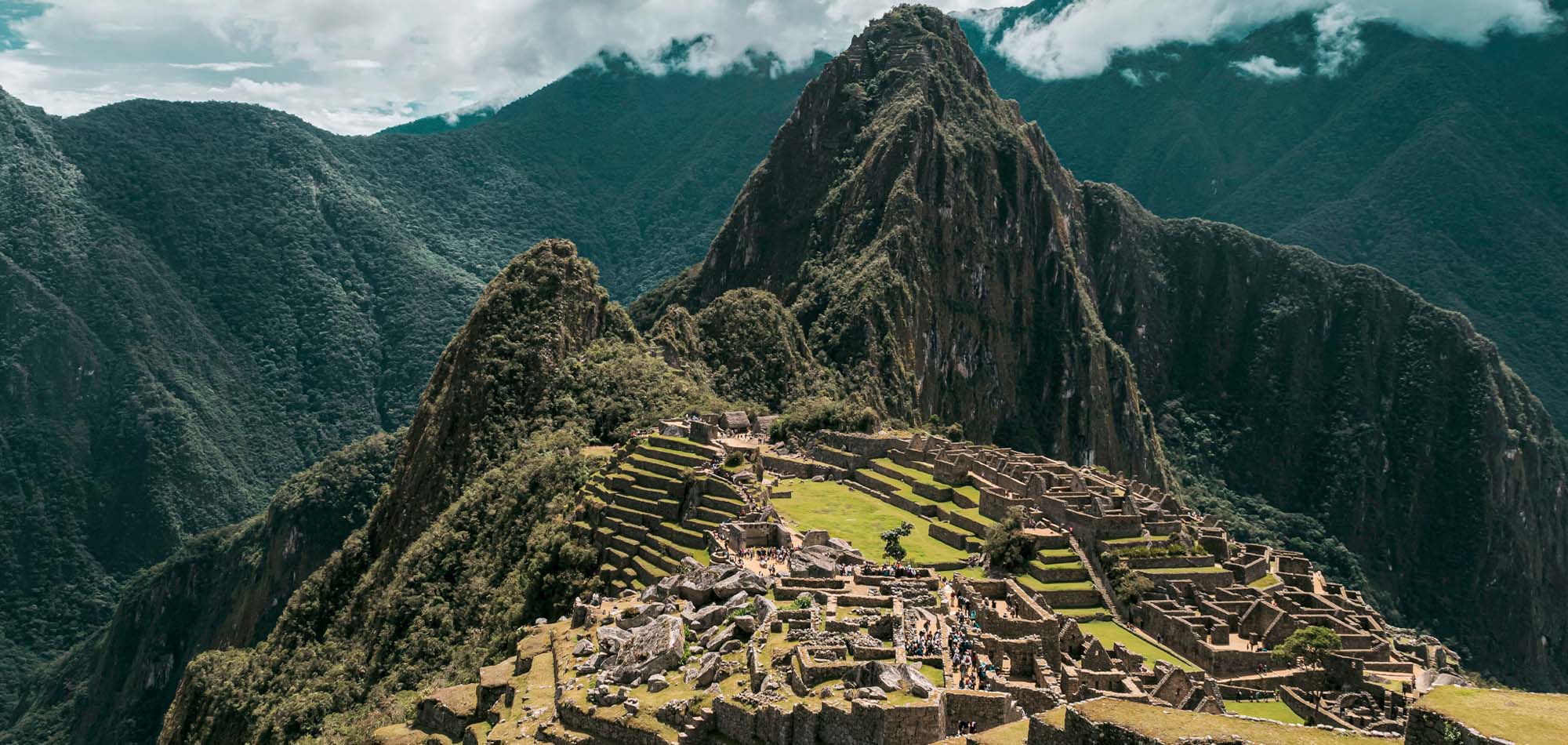
Machu Picchu still stops people in their tracks. It is Peru’s most visited site for good reason. The citadel was never truly lost, local families always knew it was there, but it was brought to the world’s attention in 1911. Because rules, circuits, and ticket limits change often, here is what we tell our guests in Cusco right now, updated for 2025 to 2027.
1. Buy your Tickets in Advance
Book your Machu Picchu tickets as soon as you know your dates. For the dry season, May to September, we reserve 3 to 4 months ahead for the classic Circuit 2. In the rainy season, November to March, 4 to 6 weeks is usually enough. If you want Huayna Picchu, book 3 to 4 months ahead in dry season. You must choose your circuit when you buy, you cannot change it at the gate, so pick the route that matches the photos and pace you want.
2. Hiking the Famous Mountains
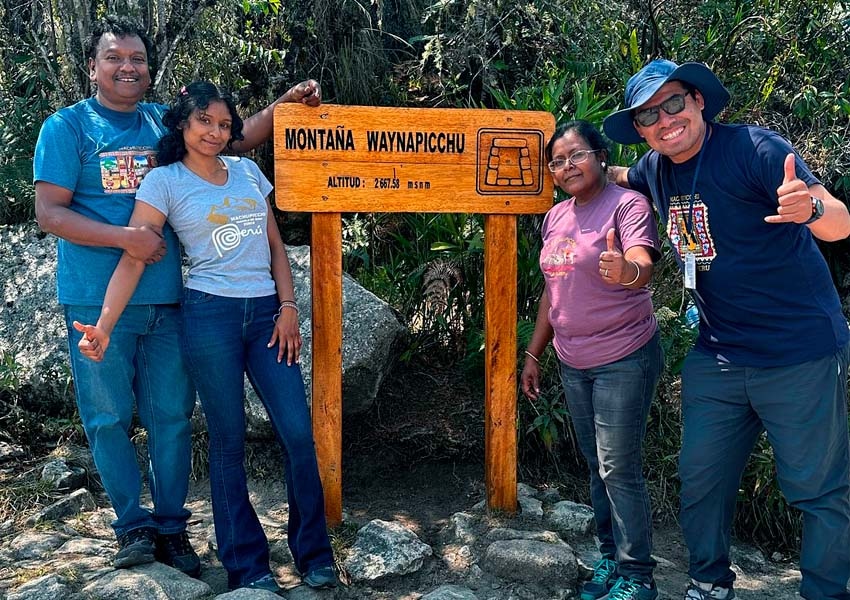
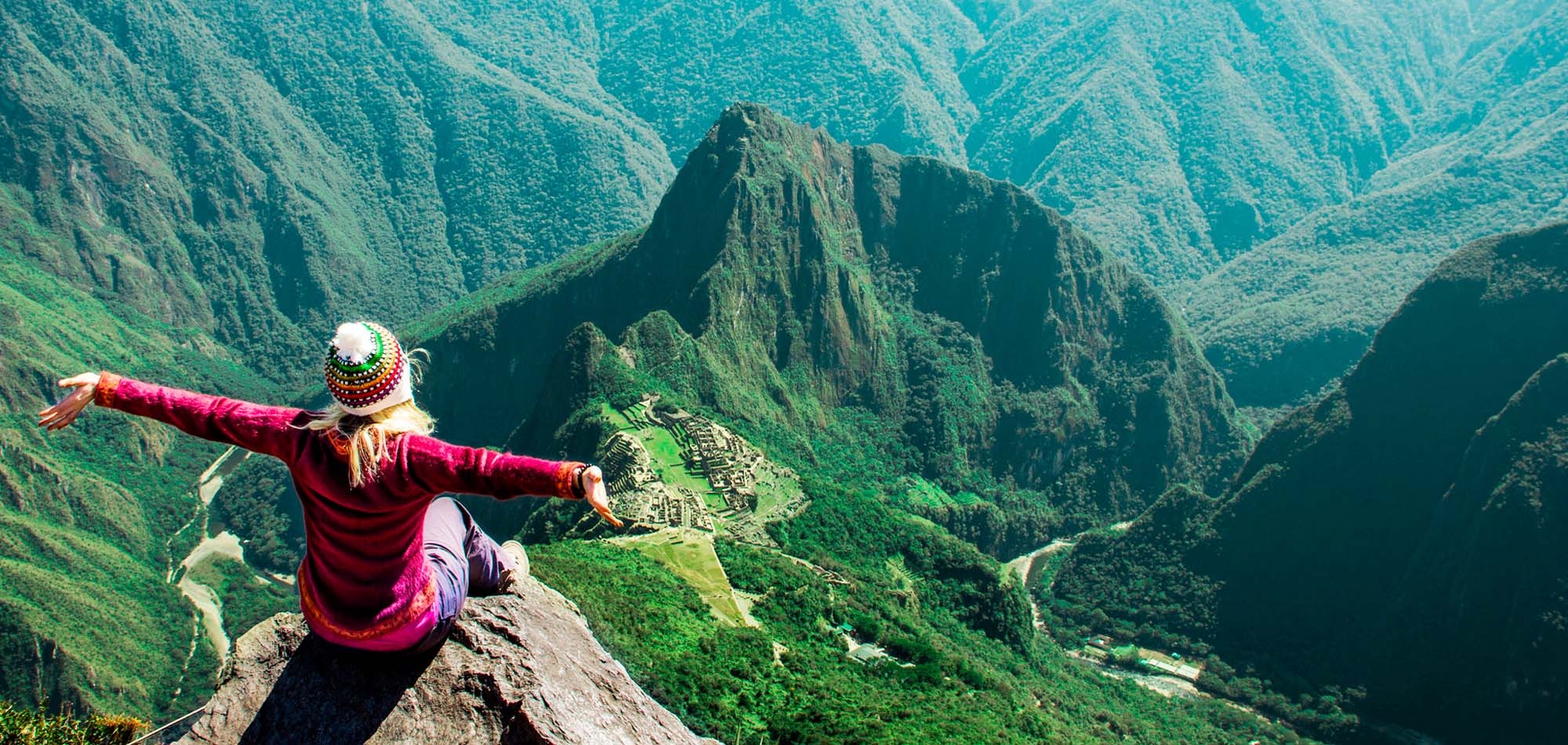
Huayna Picchu, Machu Picchu Mountain, and Huchuy Picchu all require a separate combined ticket, not the basic entry. Each ticket gives you a fixed entry window for the mountain, and rangers are strict, if you are late you lose the hike. Huayna Picchu sells out first, book it 90 to 120 days ahead in high season. Machu Picchu Mountain usually needs 6 to 8 weeks. Huchuy Picchu is the easiest to get, often available 2 to 3 weeks out.
Option 1: Huayna Picchu Mountain
A shorter hike when compared to Machu Picchu Mountain, it’s the most crowded hike by far. The hike is around two hours in total, there are steep sections that require the assistance of ropes and rails. Additionally, there is a narrow tunnel at the end where adventurers need to crawl on their hands and knees! This hike is not for people with an extreme fear of heights.
Option 2: Machu Picchu Mountain
This is the tallest summit in the sanctuary at 3,082 meters. The trail is longer, about 2.5 to 3.5 hours round trip, with wide switchbacks and fewer crowds. You get the best panoramic photos from here. It is still steep, so take it slow if stairs are hard for you.
Option 3: Huchuy Picchu Mountain
The shortest climb, about 30 to 45 minutes up. It sits just beside Huayna Picchu and gives you a different angle over the citadel without the exposure. Perfect for families or if you want a mountain photo without a big effort.
3. Moderate Altitude
Machu Picchu sits at 2,430 meters, much lower than Cusco at 3,400 meters. Most people feel better once they arrive. The summits are higher, Machu Picchu Mountain is 3,082 meters and Huayna Picchu is 2,693 meters. Spend two nights in the Sacred Valley or Cusco first, walk slowly, drink water, and avoid heavy meals and alcohol the first day. Coca tea helps many visitors. If you have heart or lung conditions, talk to your doctor before you travel.
4. No bathrooms inside Machu Picchu
Use the toilets at the entrance before you go in. There are no facilities inside the citadel and you cannot re-enter once you leave.
5. Passport Stamp
Bring your original passport, it is required for entry. After your visit, you can get the souvenir Machu Picchu stamp at the small desk near the exit. Ask a ranger if you do not see it.
6. Guides
A licensed guide is required for your first visit to Machu Picchu. You can join a group or book private. Guides are checked at the gate. You will find guides offering services at the entrance, but quality varies. We recommend booking a certified, bilingual guide in advance through a reputable operator so you get the history, not just the walk..
7. Biting Insects
The small sand flies are active, especially in the humid months. Wear light long sleeves and pants, and use repellent on ankles and wrists. Repellent with picaridin or DEET works best for most people.
9. What to bring
Sun hat and sunscreen, the sun is strong at altitude. Good walking shoes with grip, the stone steps get slick. A light rain jacket, even in dry season the cloud forest can surprise you. Insect repellent. A small daypack no larger than 40 x 35 x 20 cm. Larger bags must be left in lockers at the entrance. For the Inca Trail, carry a 20 to 30 liter daypack for water, layers, and snacks.
10.No single-use plastic
Bring a refillable water bottle. Disposable plastic bottles are not allowed inside. Take all trash with you, including snack wrappers. The rule is simple, pack it in, pack it out.
11. The bus from Aguas Calientes
You can hike up, it is steep and takes 60 to 90 minutes with many steps. Most visitors take the bus up, about 25 minutes, and walk down if they want to save. As of 2025, the fare is about $12 USD each way for foreigners. Buy your ticket the afternoon before with your passport to avoid the morning queue.
12. Re-entry
Once you exit, you cannot go back in with the same ticket. Plan your bathroom, water, and snacks before you enter.
Pro Tips!
Bring water, there are no fountains inside. Eat a good breakfast in Aguas Calientes, snacks are fine inside but picnics are not. Trains allow one carry-on up to 5 kg plus a small personal item, leave big luggage at your Cusco hotel, most hotels store it free. In Aguas Calientes, check the menu and ask if service is included before you order, some tourist restaurants add a fee that is not printed.
Key places inside
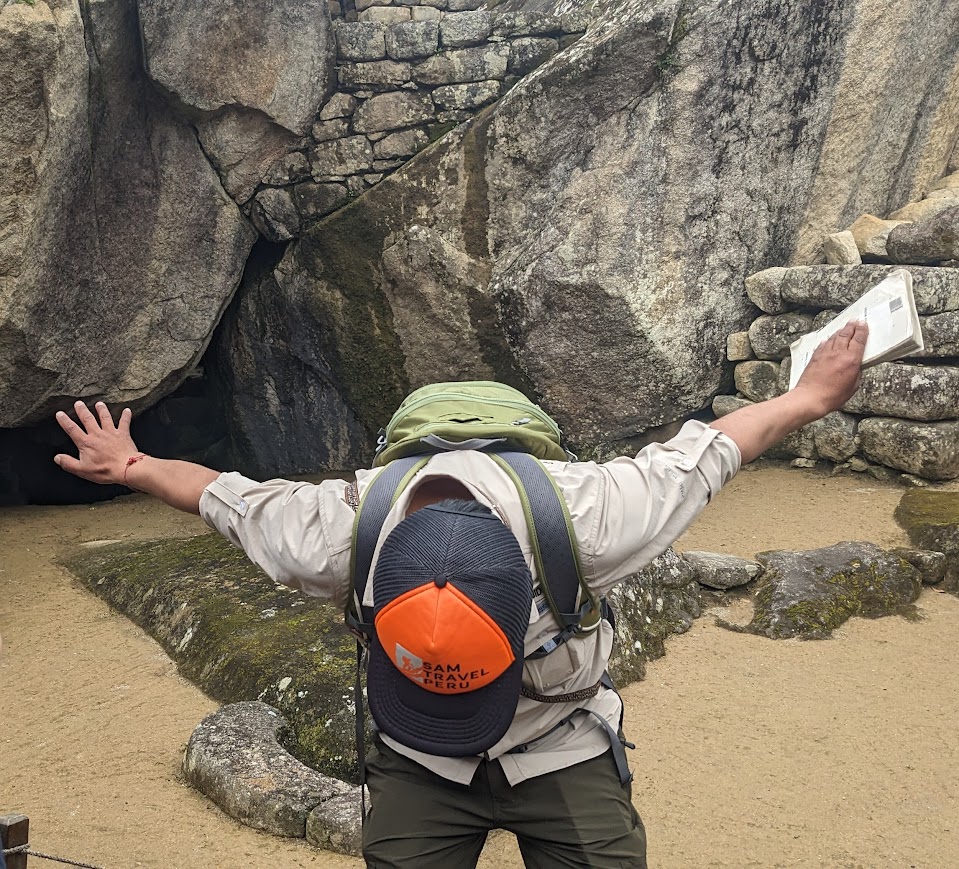
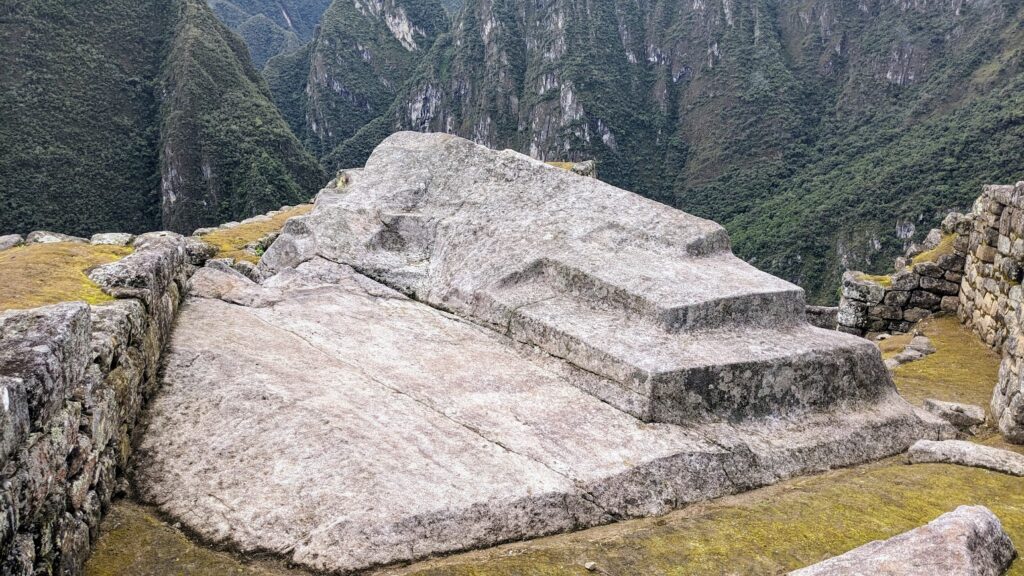
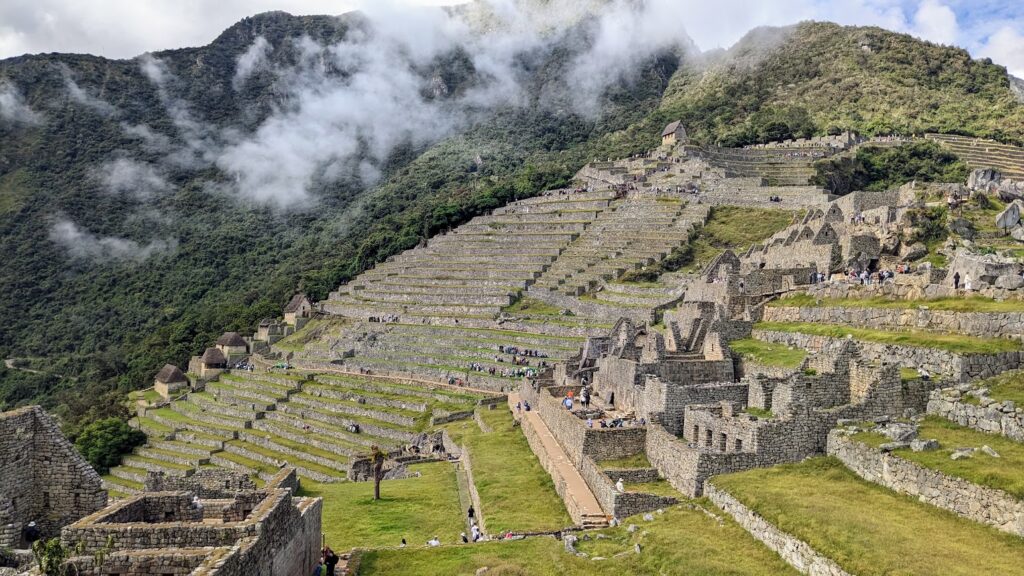
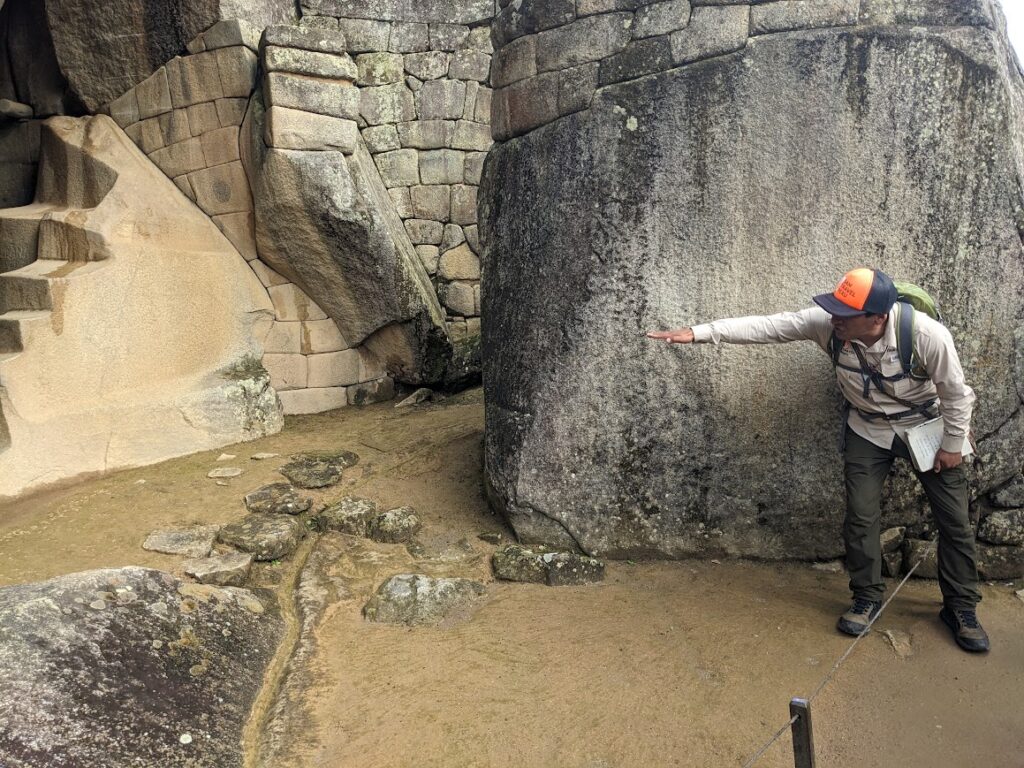
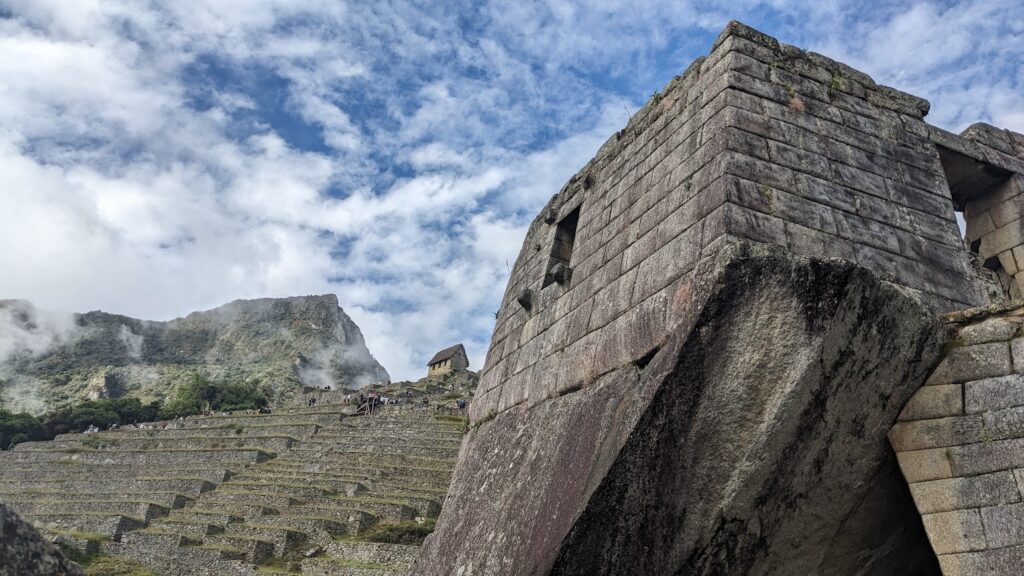
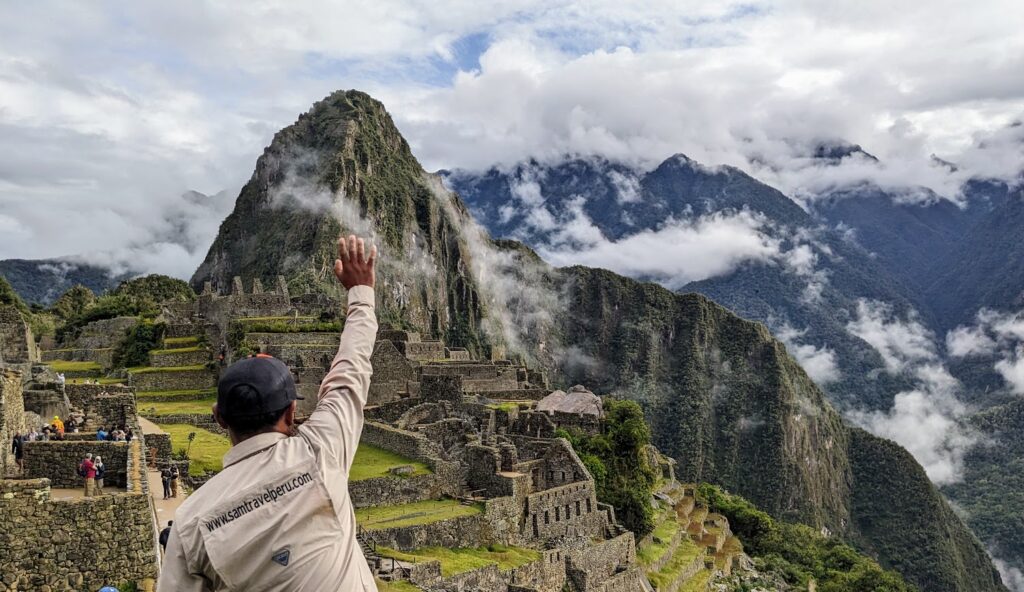
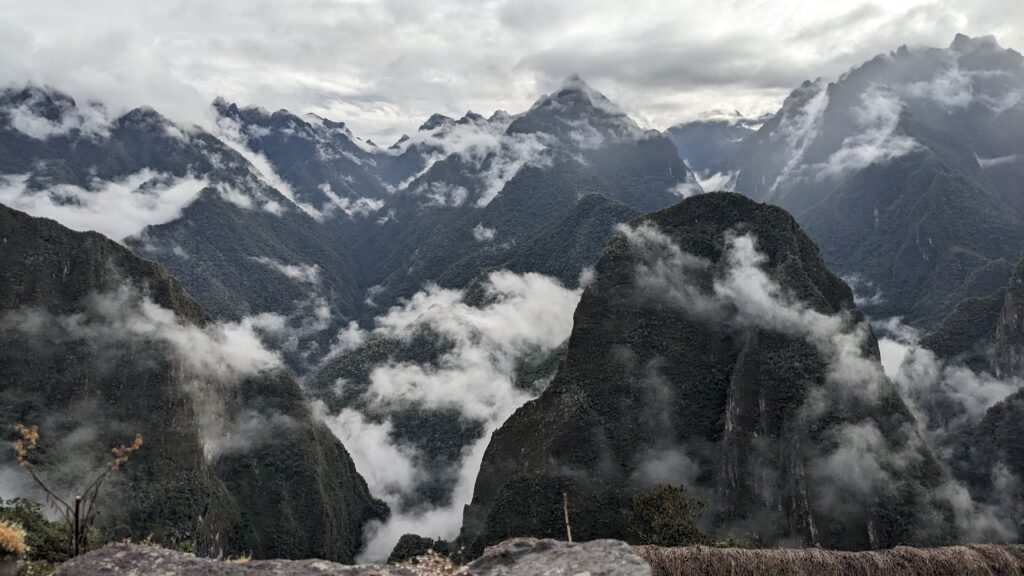
The whole site is special, but do not miss these: the Guardhouse for the classic photo, the Temple of the Three Windows, the Intihuatana stone, the Temple of the Sun, the Water Mirrors, the Temple of the Condor, and the Sacred Rock. Access times can vary by circuit, your guide will time the route to include the highlights on your ticket.
Dealing with altitude
Soroche is real. Arrive in Cusco or the Sacred Valley at least one to two days before Machu Picchu. Walk slowly, hydrate, avoid alcohol the first day, and eat light. Coca tea is traditional and helps many visitors. If you have concerns, talk to your doctor about acetazolamide before you travel.