



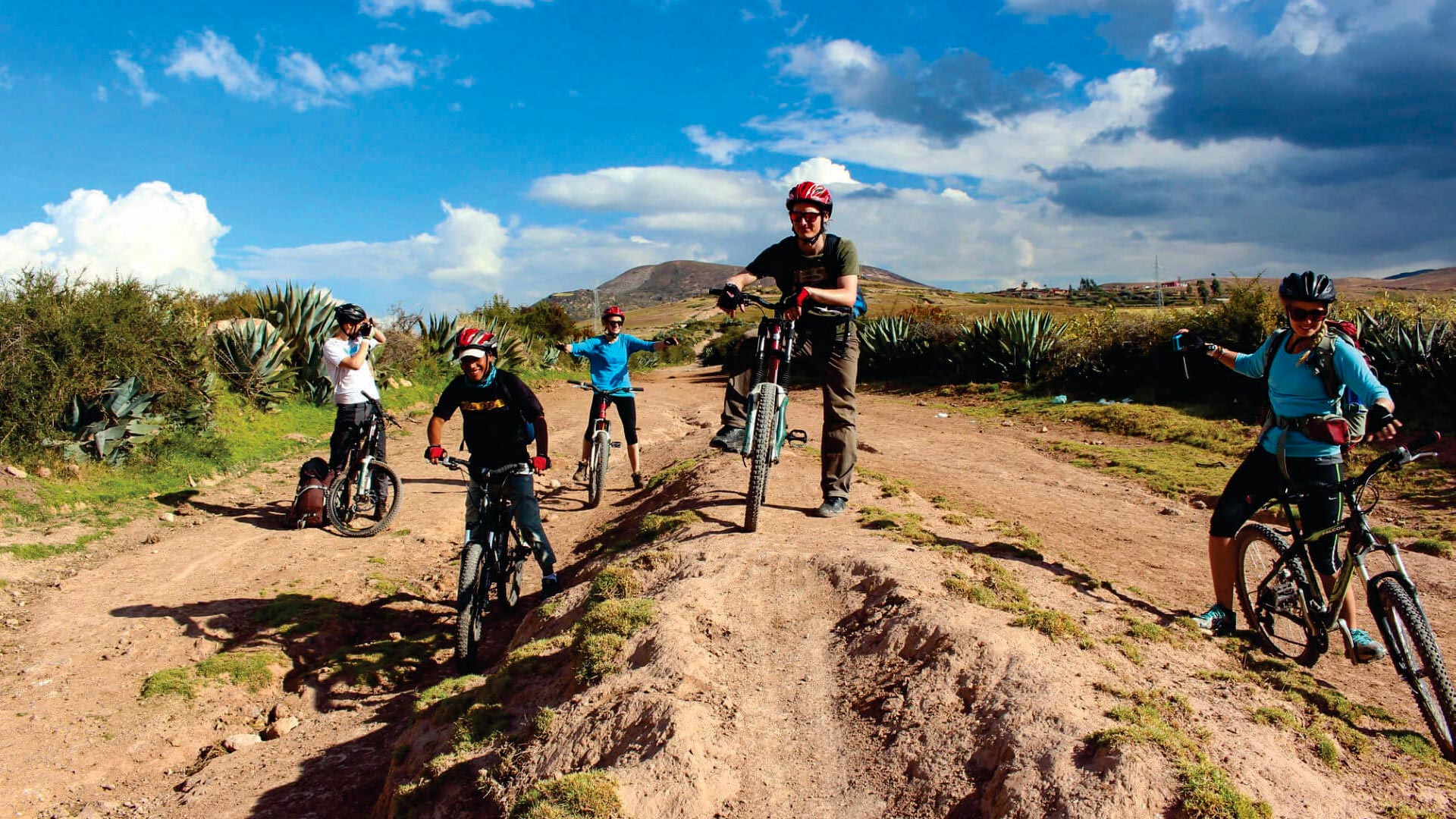
For most travelers, Cusco is the gateway to the Sacred Valley and Machu Picchu. However, the city itself functions as a living museum of Incan and Colonial history. To get the most out of your stay, and to allow your body to acclimatize to the 3,399-meter (11,152-foot) altitude, it’s best to structure your first 48 hours around the historic center’s core sites and activities.
1. The Historic Core & Iconic Street Sights
Walk the Plaza de Armas
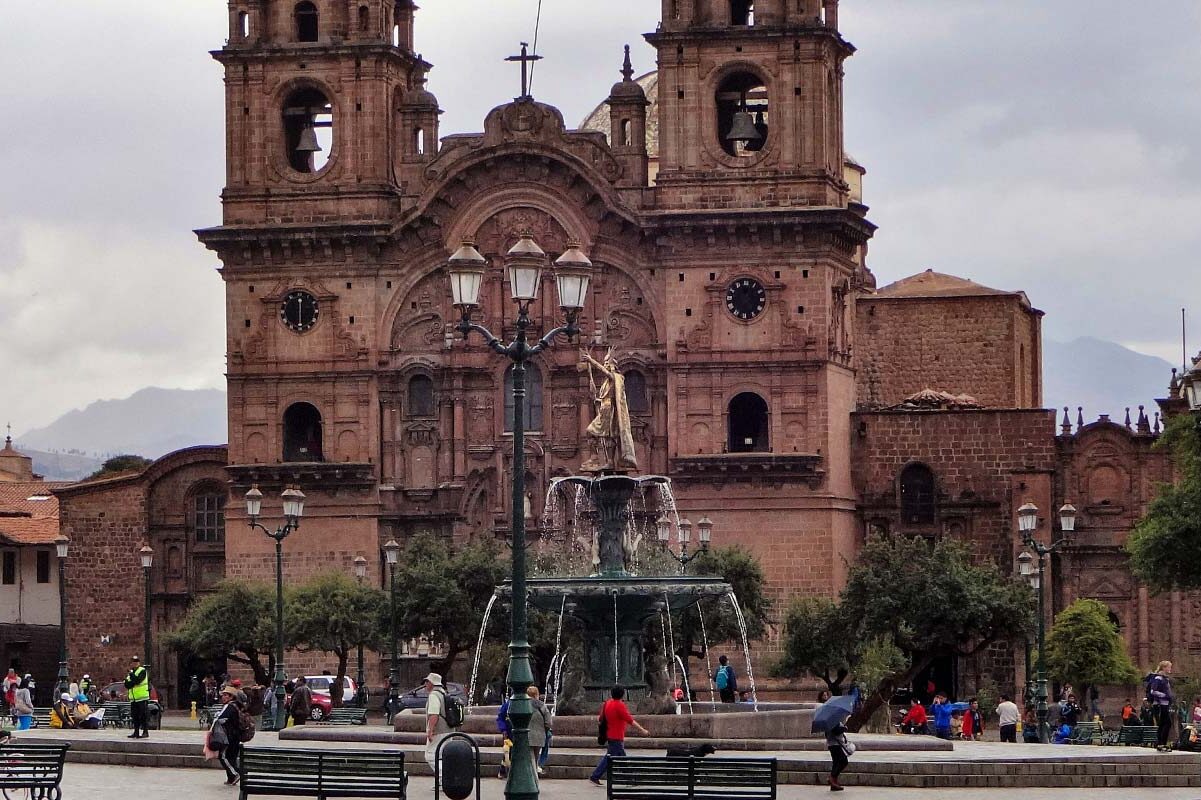
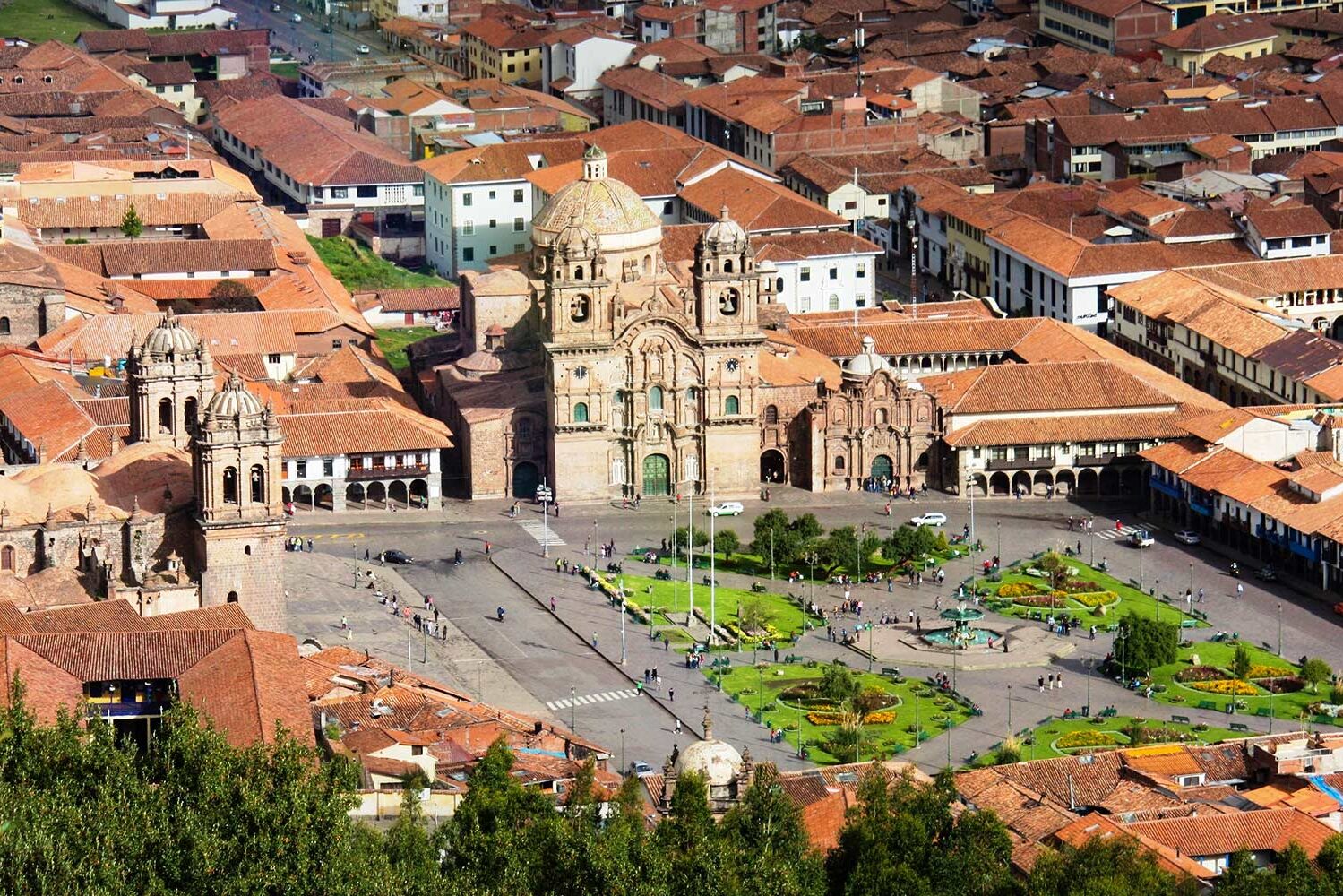
The modern Plaza de Armas remains the social and geographic center of Cusco. Originally known as Auccaypata in Incan times, it was the site of significant administrative and religious ceremonies.
- Cusco Cathedral: Built over the foundations of the Kiswarkancha (the palace of the Inca Viracocha), the cathedral is a prime example of Gothic-Renaissance architecture.
- Logistics: The plaza is an excellent starting point for any walking tour, but step into the adjacent side streets to purchase items or tours to avoid the higher prices of the immediate square.
Photograph the Twelve-Angled Stone
Located on the narrow pedestrian alleyway of Calle Hatunrumiyoc, this stone is a masterclass in ancient engineering. It is fitted into a wall of the former Palace of Inca Roca with such precision that no mortar was required.
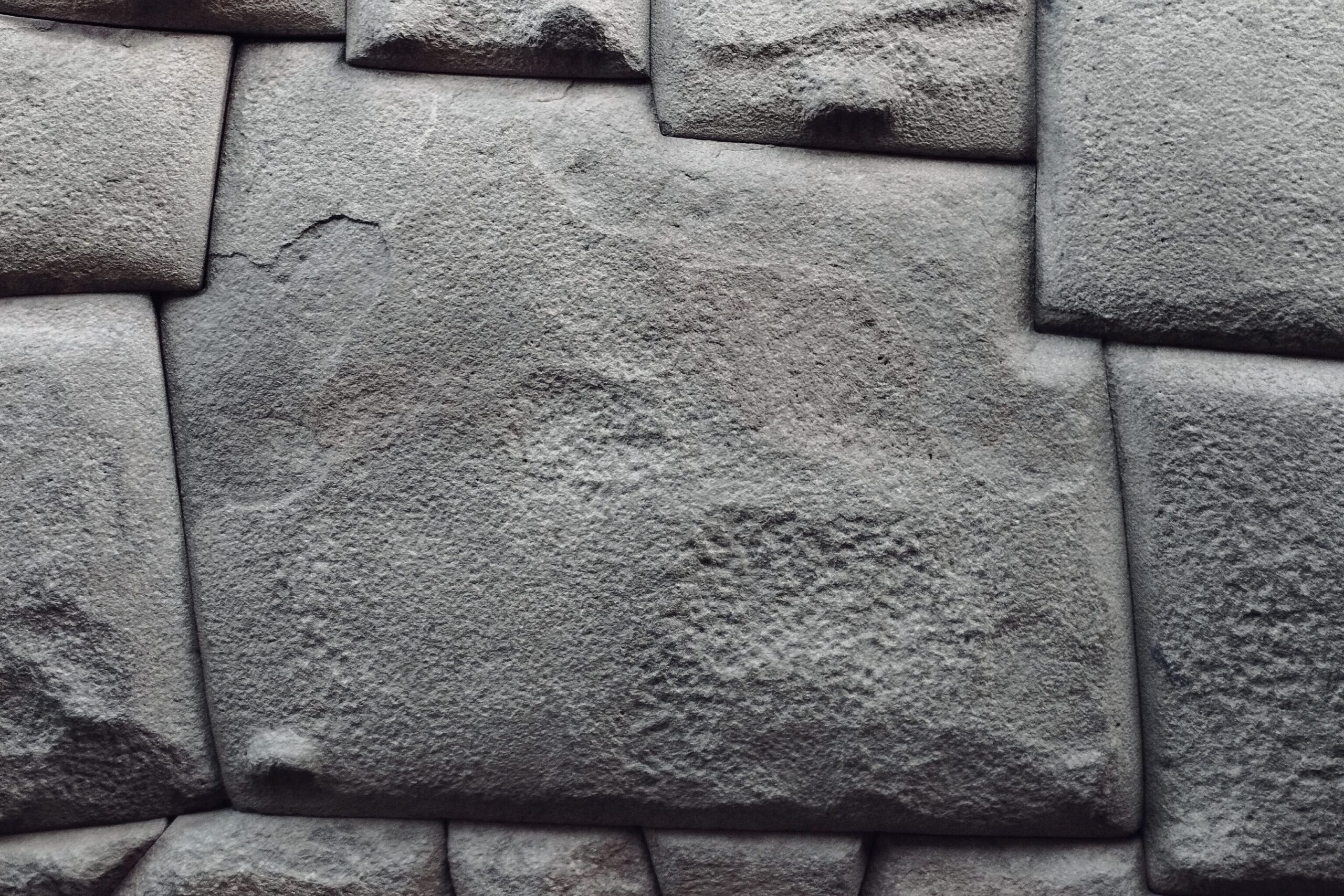
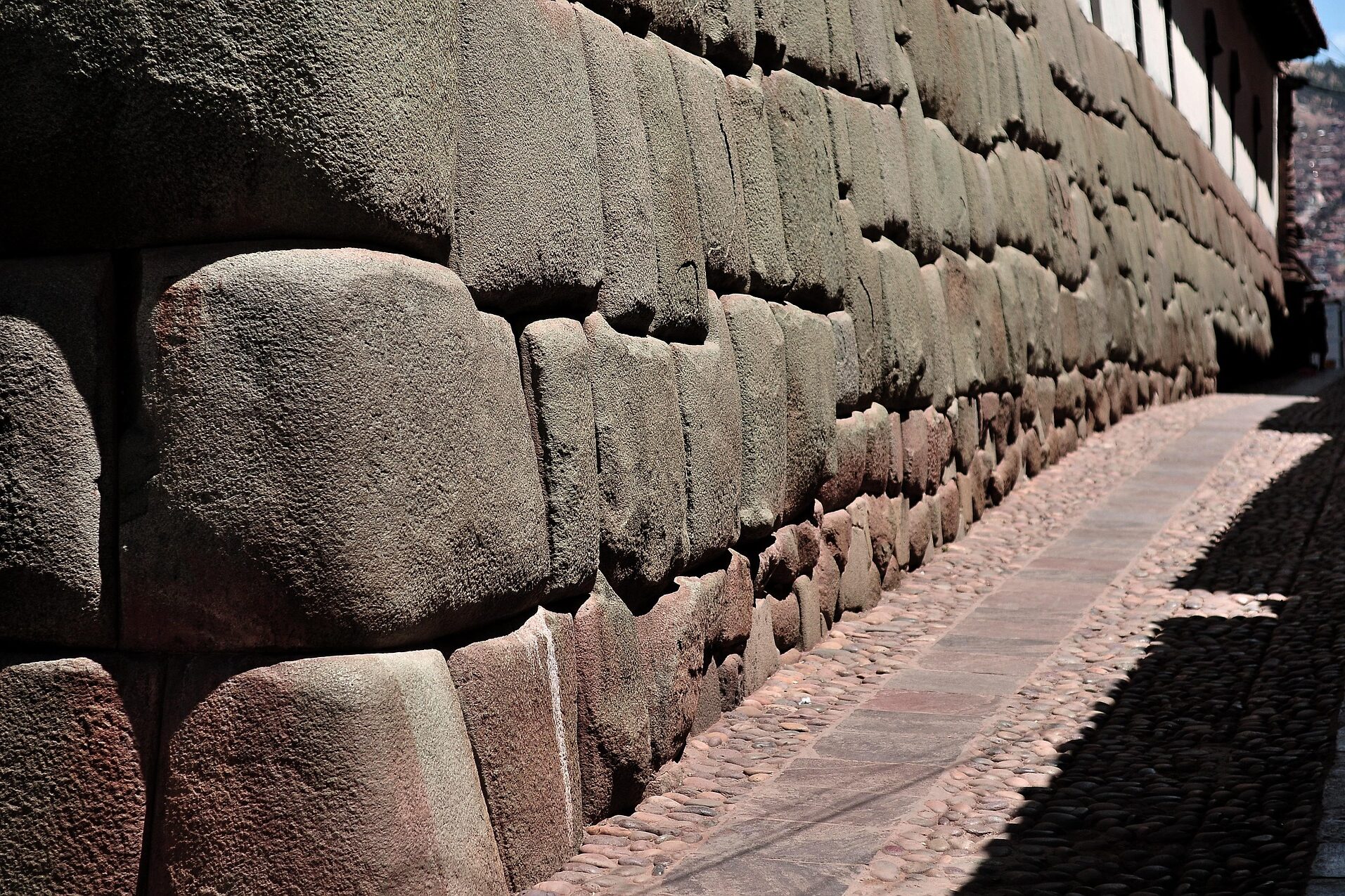
- Photography Etiquette: You will easily spot it by the small crowd gathered around the wall. While capturing photos is encouraged, touching the stone is strictly prohibited to prevent the degradation of the ancient rock from skin oils.
Pet a Friendly Alpaca
While walking through the historic center, particularly around Hatunrumiyoc or the Plaza de Armas, you will frequently meet local women dressed in traditional, colorful Andean clothing leading highly groomed alpacas.
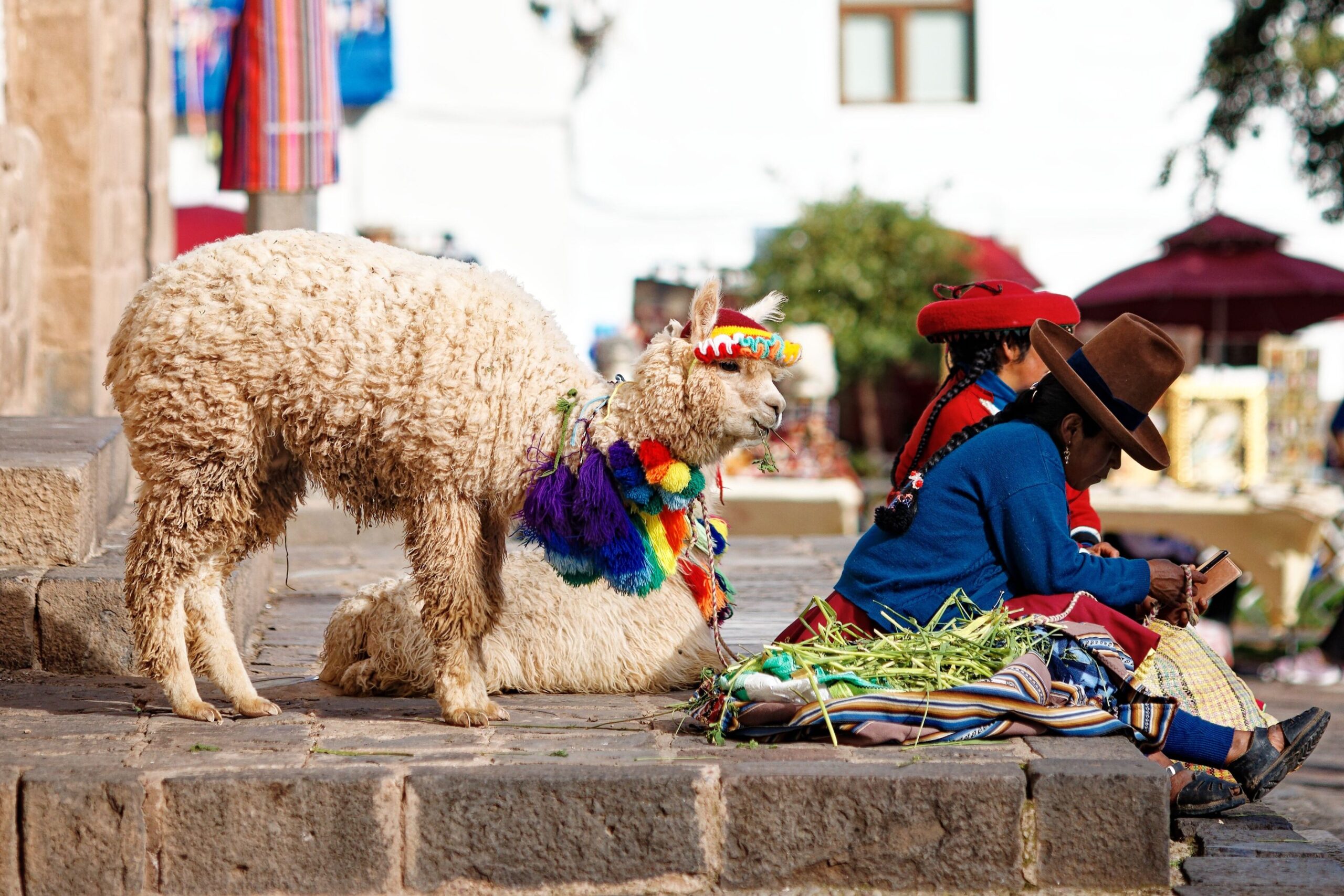
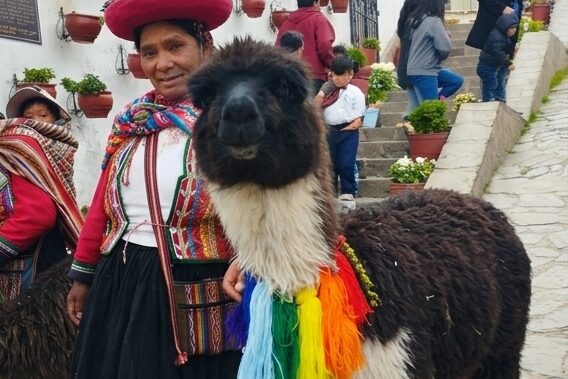
- Practical Tip: These animals are accustomed to human interaction and are safe to pet. It is standard practice to pay a tip of 5 to 10 Soles (~$2–$3 USD) for a photo. Agree on the tip before taking the photo to ensure a transparent interaction.
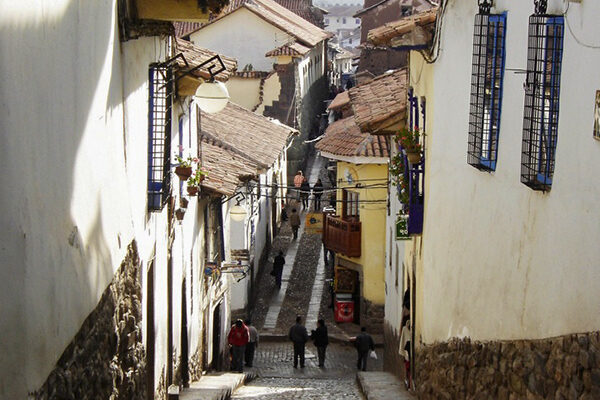
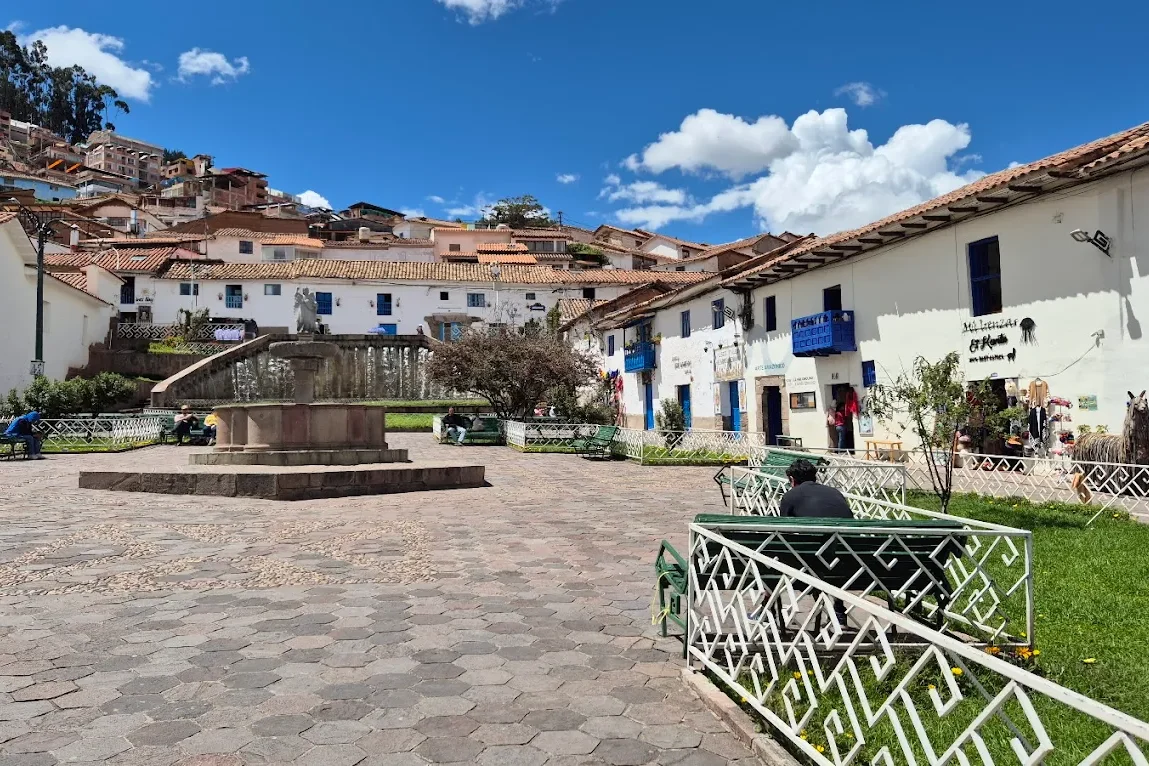
Explore San Blas
The artisan quarter of San Blas sits on a steep hillside just a few blocks northeast of the main square. It features narrow cobblestone lanes, whitewashed colonial walls, and small independent workshops. Take the climb slowly during your first two days to avoid overexertion.
2. Ancient Sights & Panoramic Bus Tours
Sacsayhuamán & Qoricancha
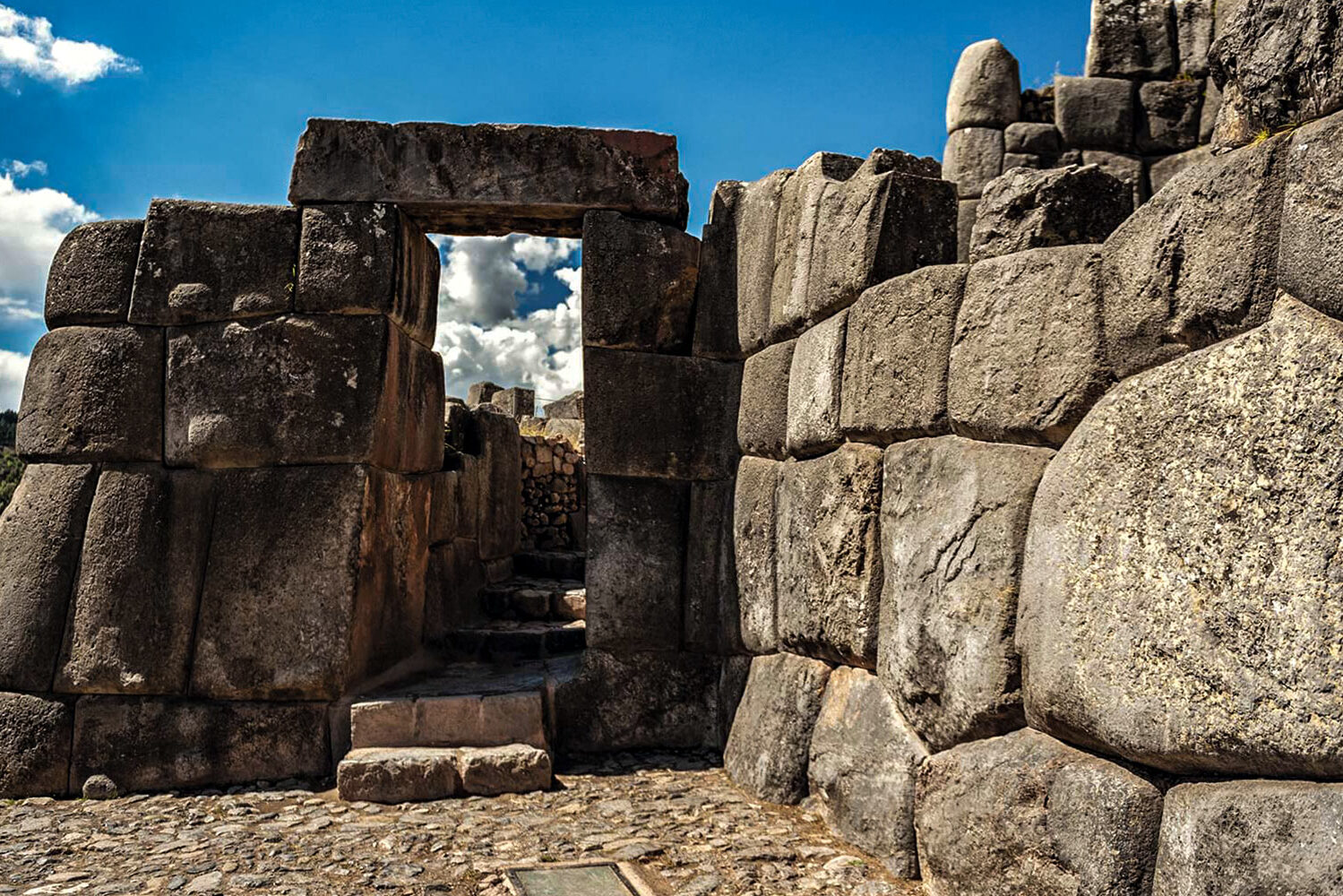
- Sacsayhuamán: Located on the heights overlooking the city, this massive citadel features megalithic stones interlocking with precision. Entry requires the Boleto Turístico (Tourist Ticket).
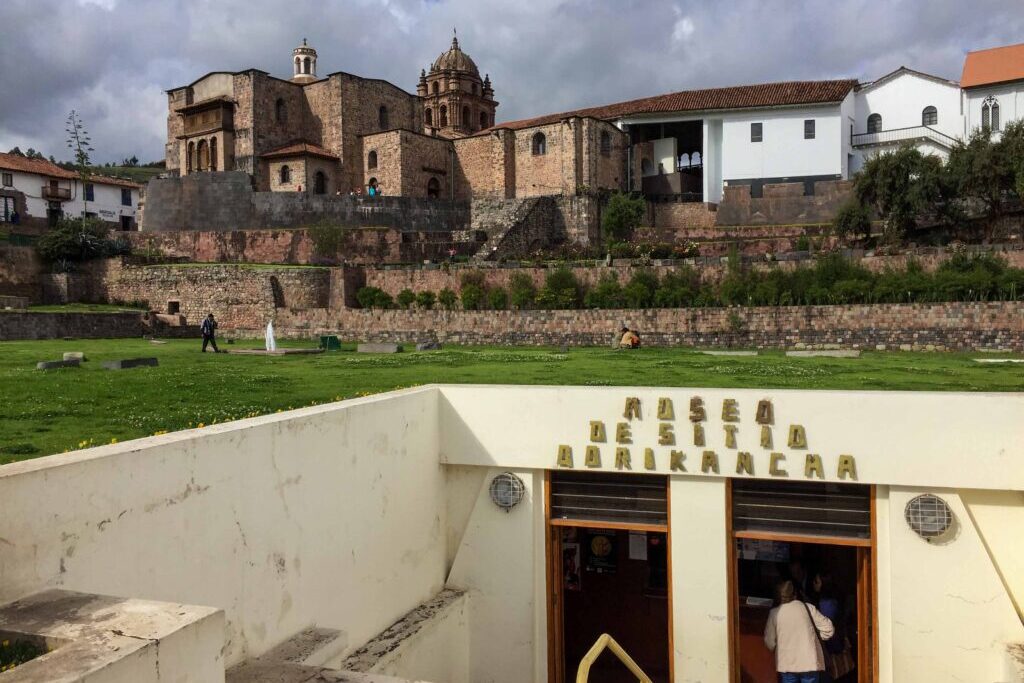
- Qoricancha (The Temple of the Sun): Located down Avenida El Sol, this was the most crucial temple of the Inca Empire. The Spanish built the Convent of Santo Domingo directly on top of its polished stone foundations. Entry requires a separate ticket (approx. 15 Soles).
Take a Panoramic Bus Tour
If you want a comprehensive layout of the city without the physical strain of steep uphill walking, an open-deck panoramic bus tour is a highly practical option.
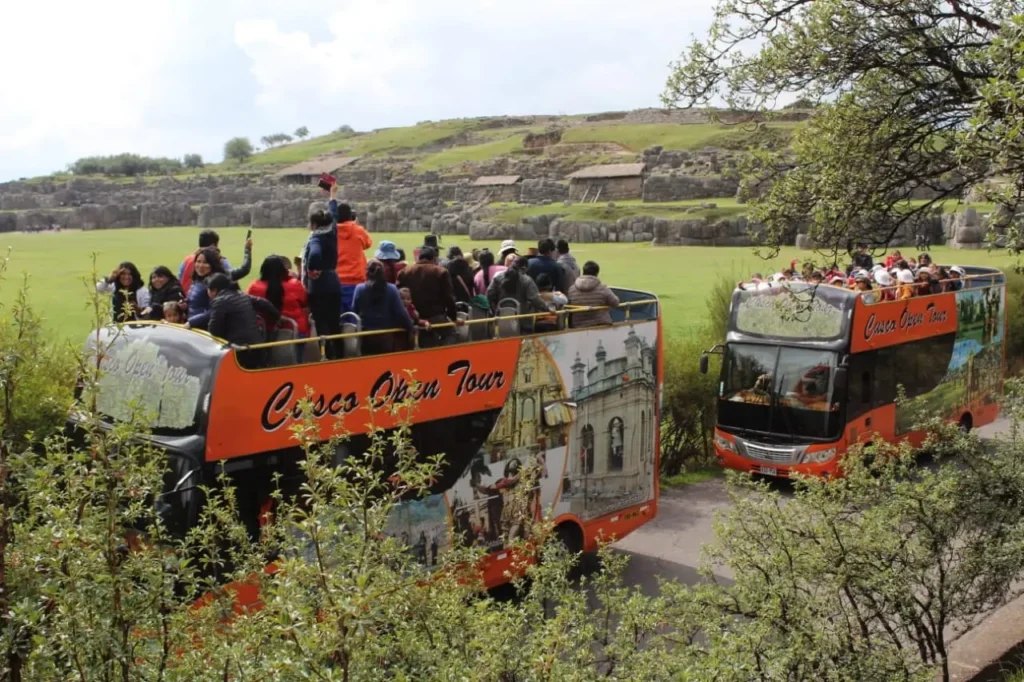
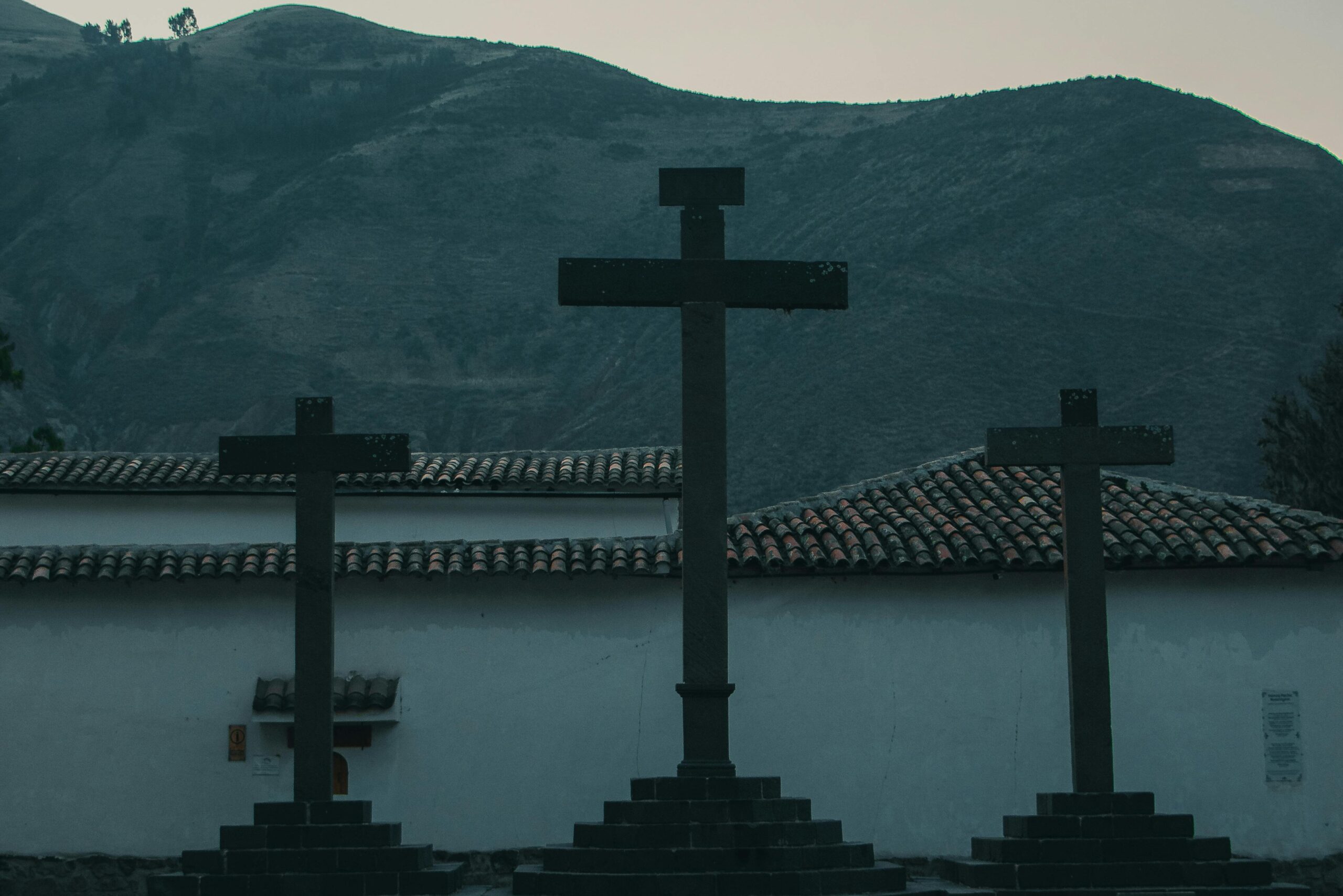
- The Route: These double-decker buses depart regularly near the main square and navigate through the historic center before heading to the outskirts. They stop at major viewpoints like Cristo Blanco (the 26-foot white Christ statue) and pass by the entrances of Sacsayhuamán and Qenqo.
- What’s Included: Tours generally include an onboard guide who provides historical context often missed when exploring independently. It is an excellent, low-impact activity for your arrival day.
3. Markets & Authentic Culinary Experiences
Navigate San Pedro Market
The Mercado Central de San Pedro is the city’s primary hub for daily local commerce. It is an ideal spot to witness traditional trade and see the agricultural diversity of the region.
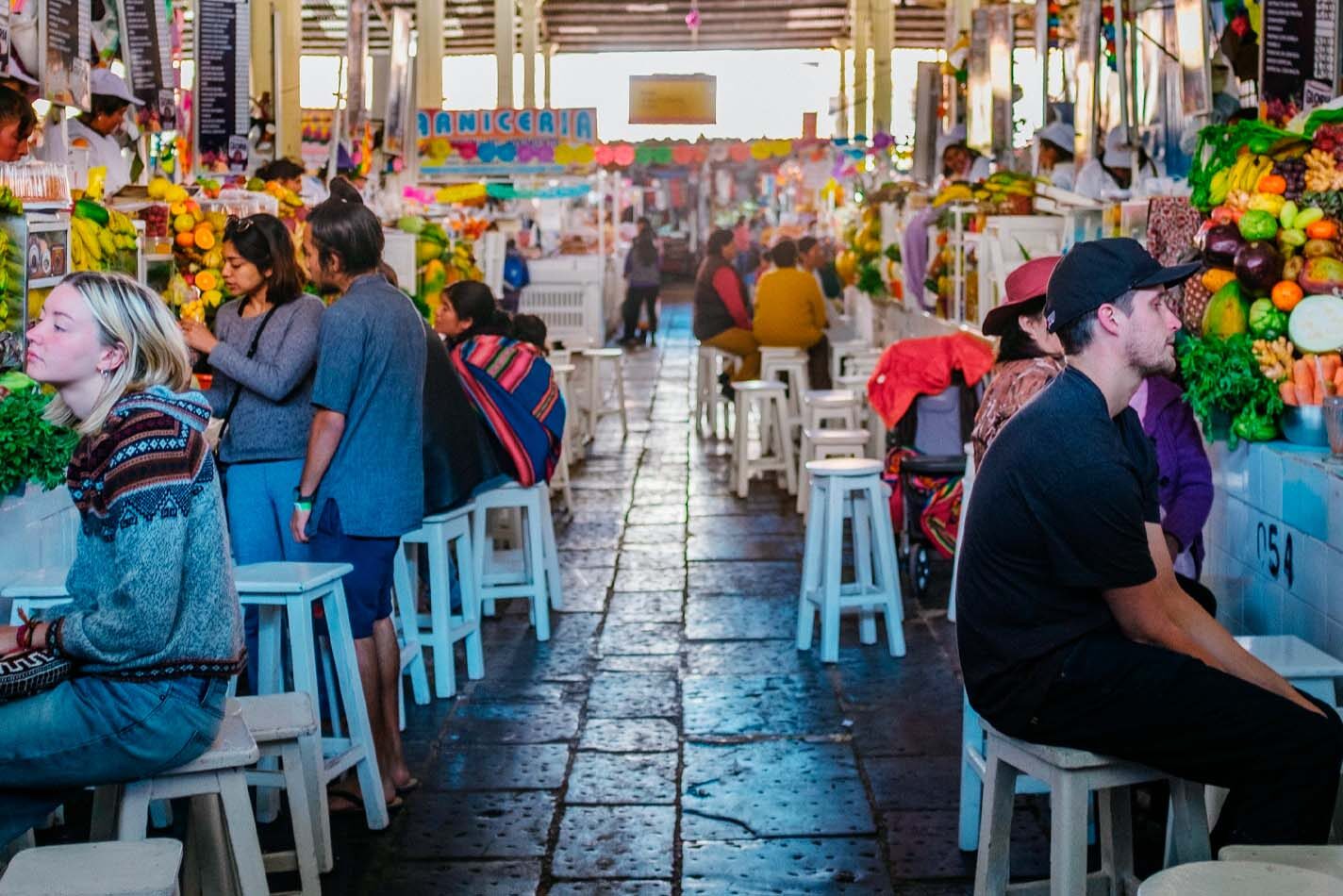
- What to see: Look for dedicated rows of native Andean potatoes, purple corn, traditional textiles, and fresh juice stalls.
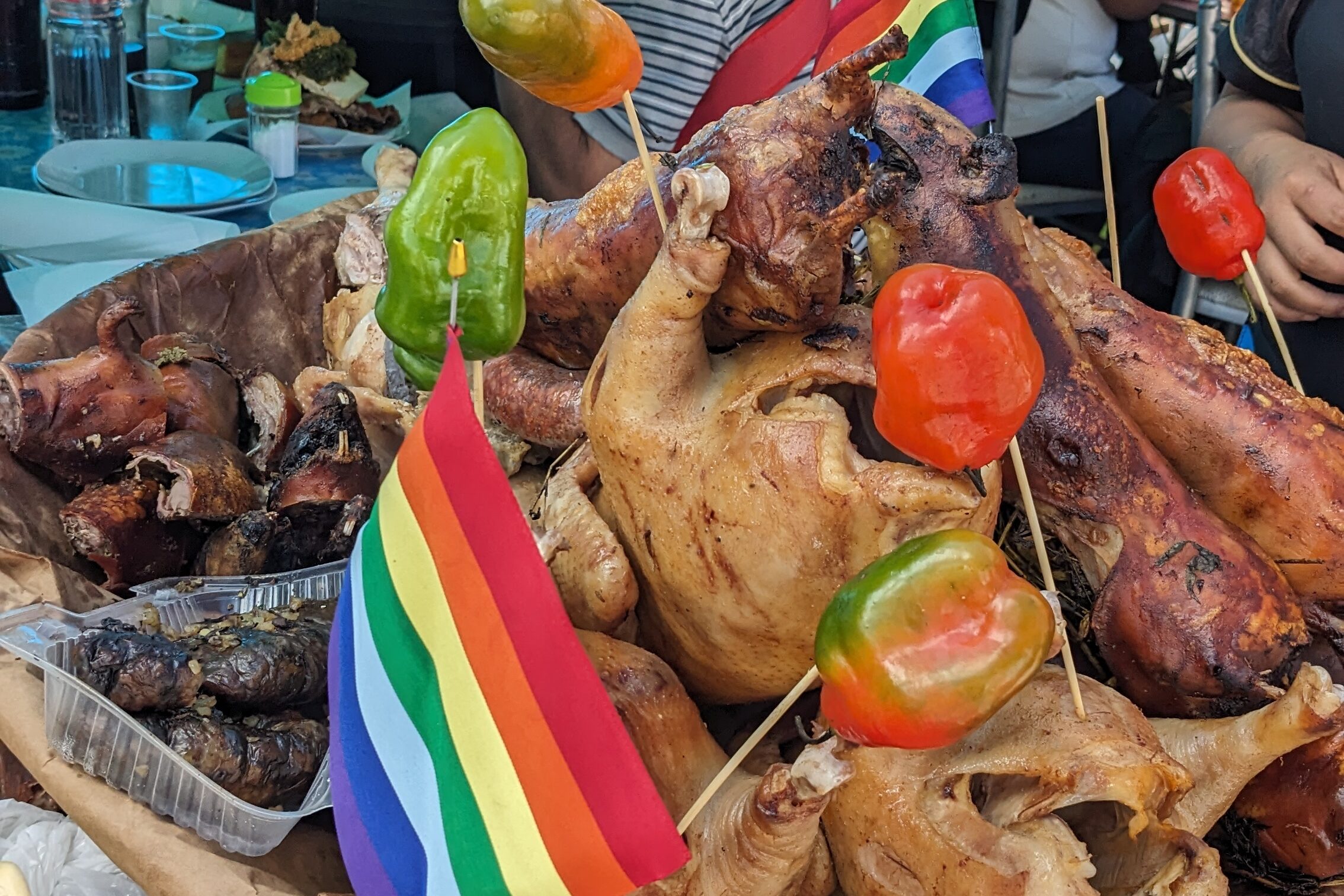
Where to Try Cuy (Guinea Pig)
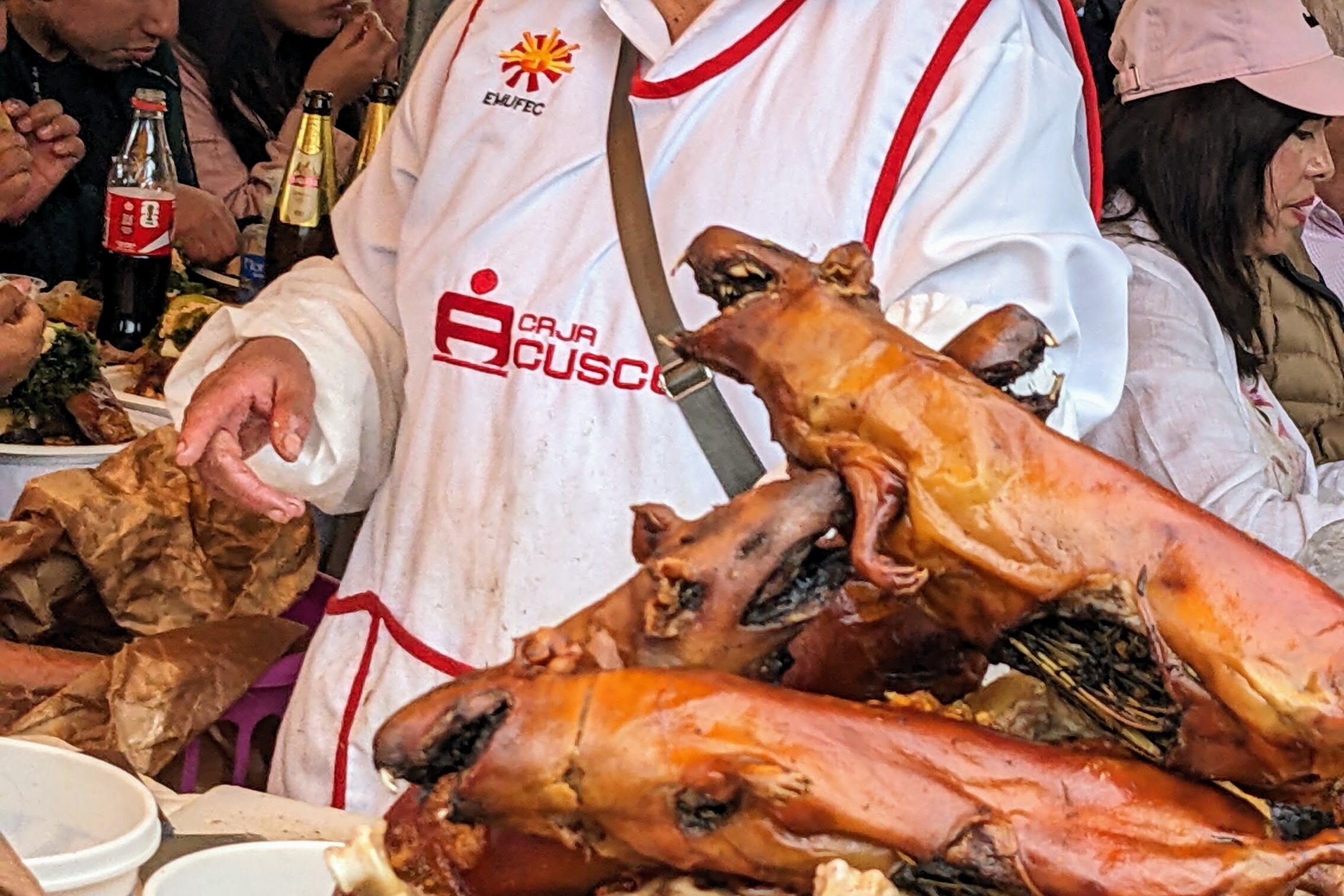
Cuy is a traditional Andean staple. For travelers trying it for the first time, we recommend DEVA Cocina Andina. They specialize in authentic traditional dishes prepared in a clean, professional restaurant setting at a fair price.
Specialty Coffee Guide
Peru produces world-class organic coffee in the high jungle valleys just beyond the Andes. Here are the top spots in the historic center to find an exceptional brew.
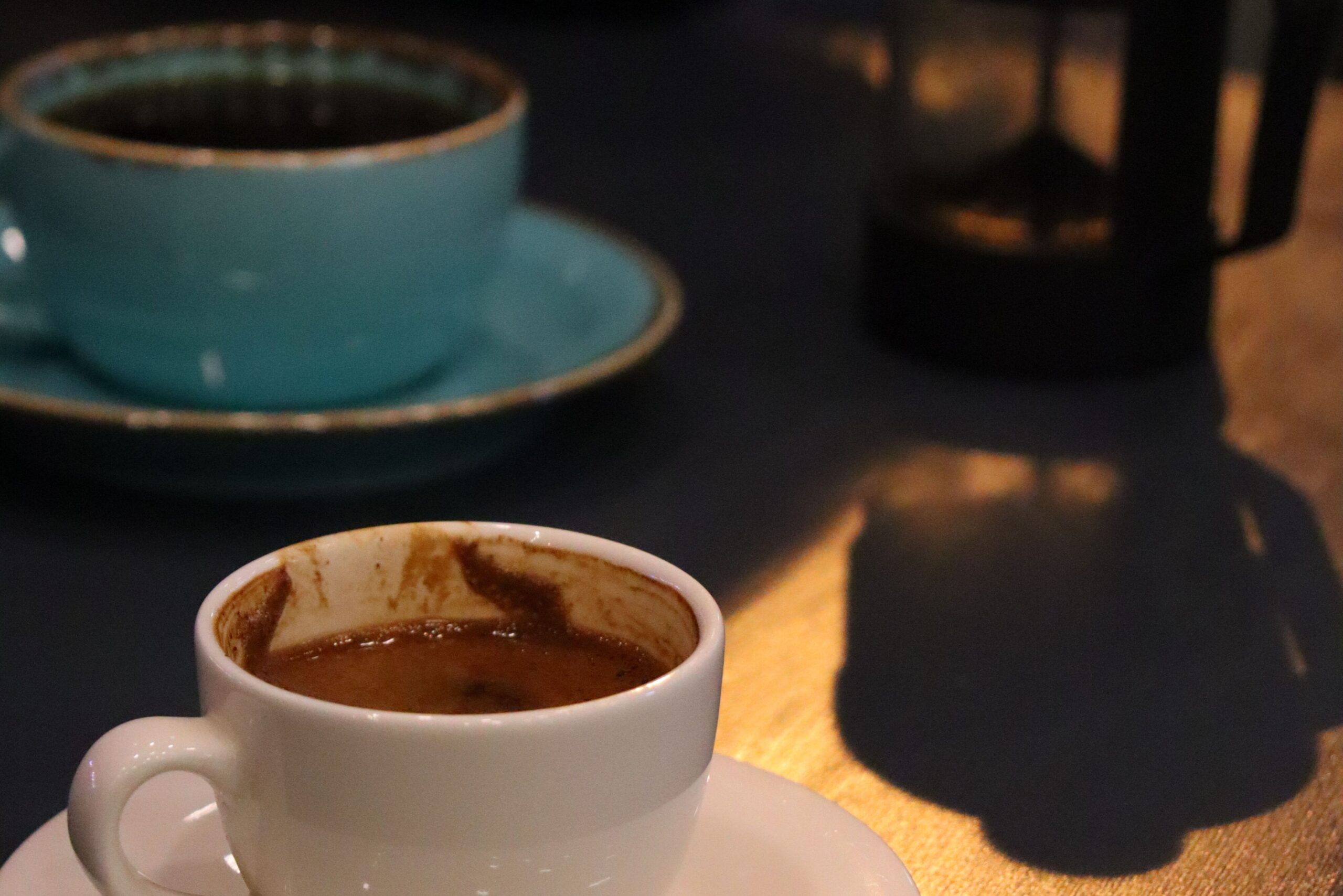
Organika Bakery & Coffee
- Best For: Freshly baked artisanal goods paired with smooth, organic house blends.
- Location: Plaza Regocijo 209
JC’s Cafe
- Best For: Hearty, traveler-friendly breakfasts and robust, high-extraction espresso options.
- Location: Calle Meloc 488
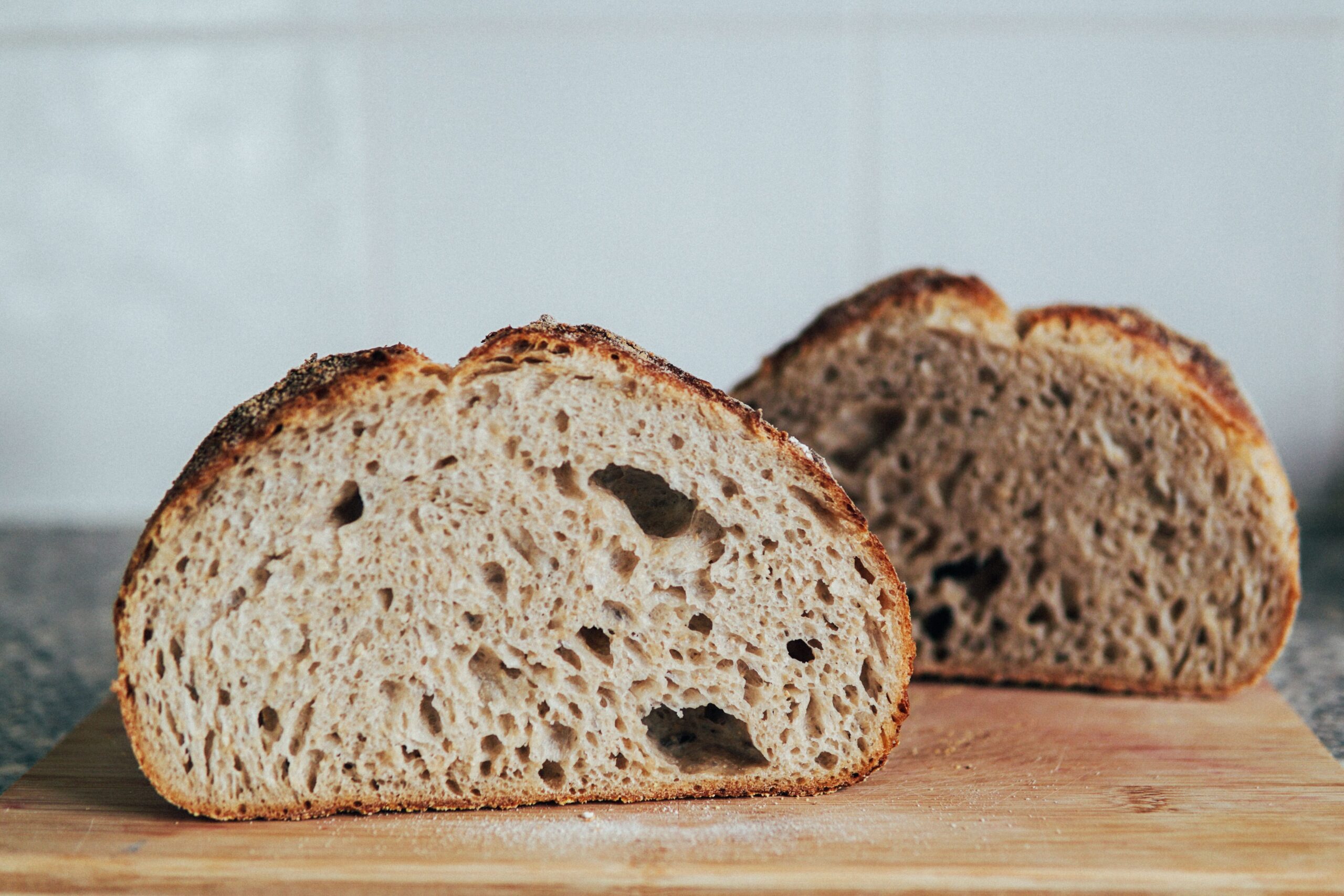
Pantastico
- Best For: Exceptional sourdough bread and a quiet, hidden courtyard setting away from the street noise.
- Location: Calle Tandapata 1024 (San Blas)
4. Evening Culture, Sports & Entertainment
Visit Planetarium Cusco
The Incas were advanced astronomers who used observations of the night sky to dictate agricultural cycles and align the architecture of their streets.
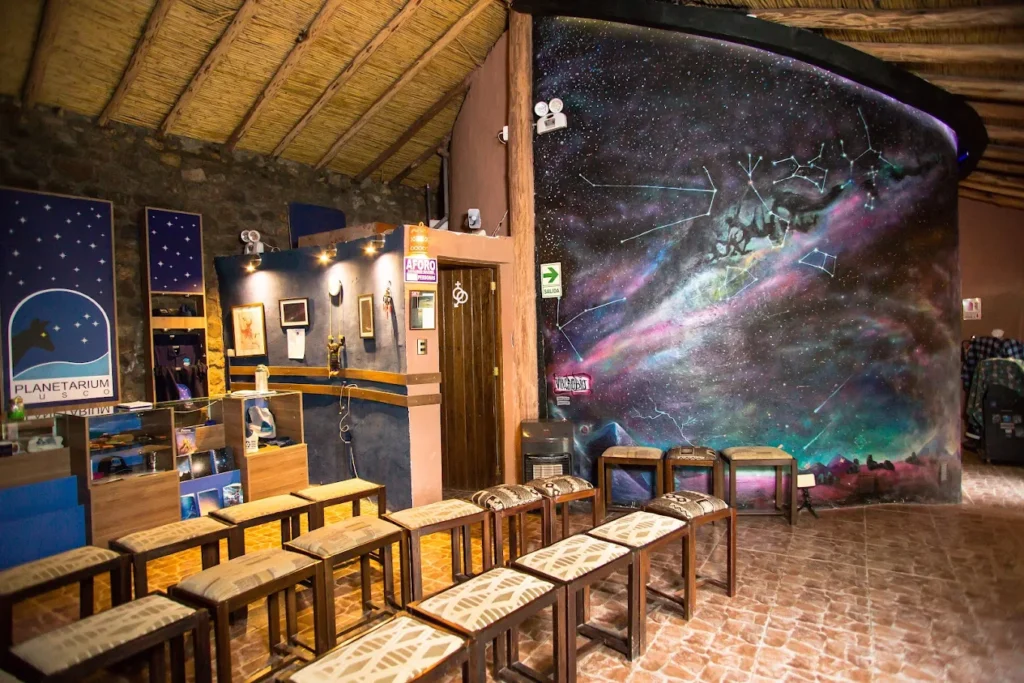
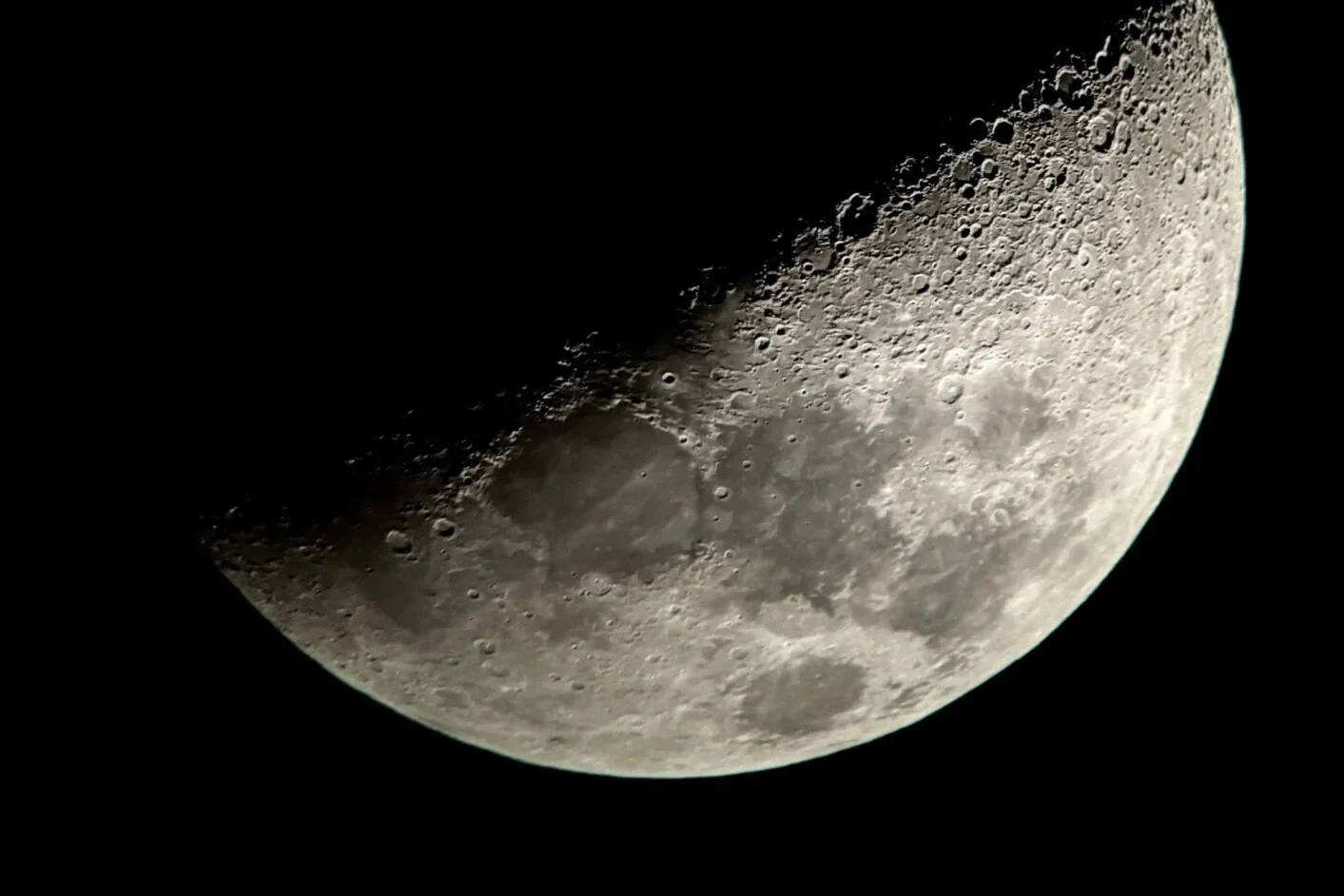
- The Experience: Located in a quiet eco-reserve near Sacsayhuamán, the planetarium offers evening sessions combining historical talks on Incan constellations with the opportunity to view the southern sky through deep-space telescopes.
- Logistics: Because group sizes are strictly limited to maintain quality, advanced reservations are mandatory.
Watch a Local Football (Soccer) Match
For an authentic slice of modern culture, check the weekly schedule at the Estadio Garcilaso de la Vega, located just outside the historical center.
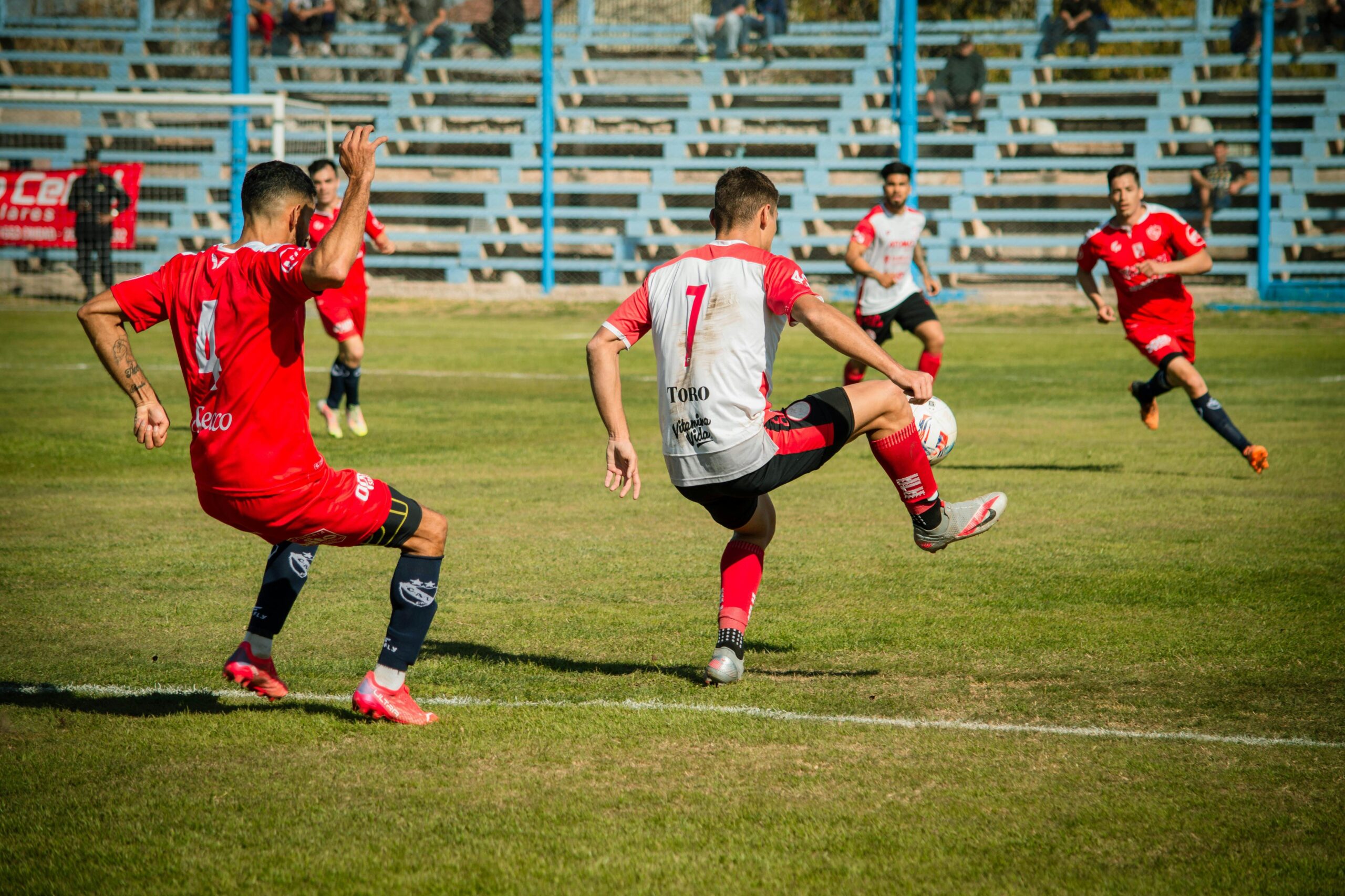

- The atmosphere: Watching local top-tier clubs like Cienciano or Cusco FC play in front of an energetic home crowd is an unforgettable experience. The stadiums sit at high altitude, making games fast-paced and distinct.
- Logistics: Matches typically happen on weekend afternoons or evenings. Tickets generally cost around 30 Soles (~$8 USD) and can easily be purchased at the stadium box office on game day.
Go to the Cinema
If you need a low-key evening to relax and escape the elements, going to the movies is a comfortable local experience.
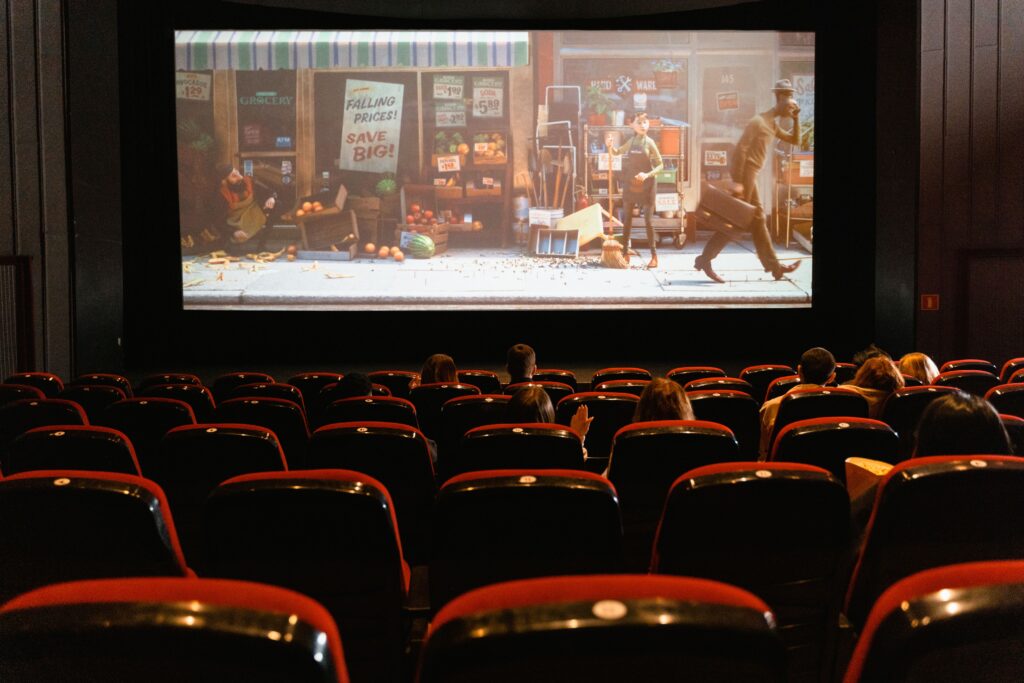
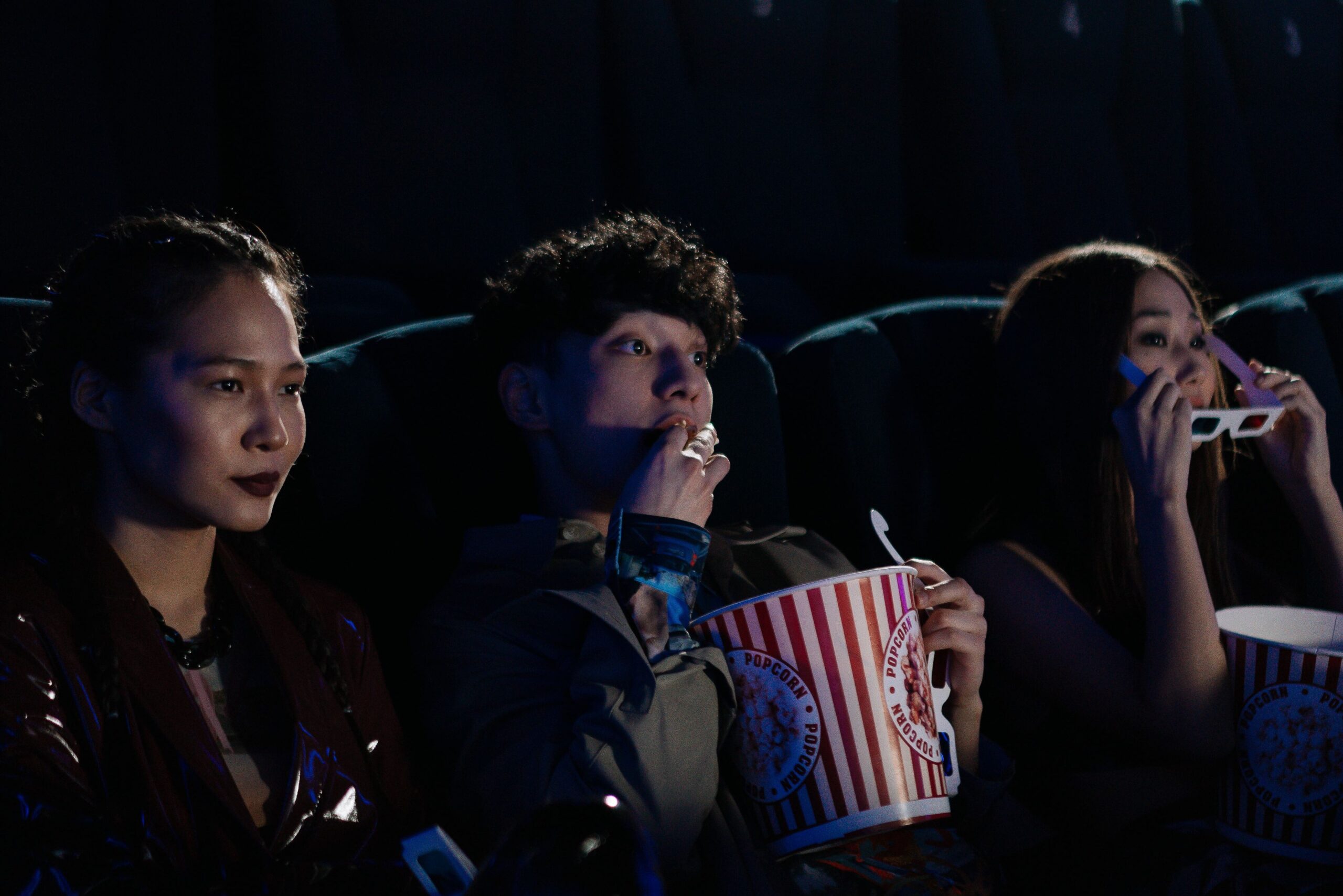
- CinePlanet (Real Plaza): Located inside the city’s largest modern shopping mall (a short taxi ride from the center). It features premium seating and modern facilities. You can also access familiar dining brands like Chili’s or Starbucks here.
- Cinerama: Located much closer to the Plaza de Armas on Calle Belén. While smaller than CinePlanet, it offers a quick, accessible option for a rainy evening.
- Note: Check the listings carefully; movies marked “SUB” are in their original language (usually English) with Spanish subtitles, while “DOB” indicates a Spanish dub.
5. Critical Planning Notes
The Tourist Ticket (BTG)
The Boleto Turístico (BTG) is essential for entry to major sites like Sacsayhuamán and Qenqo.
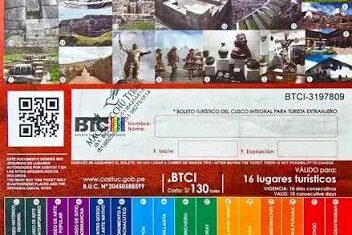
- Cost: A “Partial” ticket covers Cusco-only sites for approximately $25 USD.
- Tip: You can buy this at the entrance of the first site you visit or at the COSITUC office on Avenida El Sol.
Health & Altitude Management
Cusco sits at 3,399m (11,152ft). Rest and hydration are mandatory for your first 24 hours.
- The Rule: Avoid heavy meals and physical overexertion until your body has adjusted.
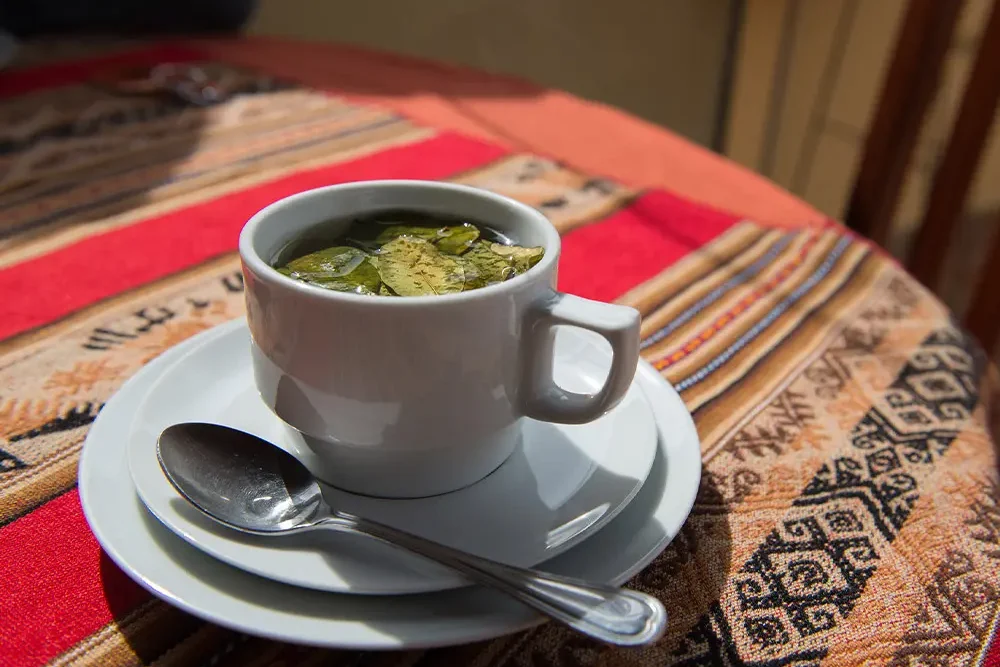
- Tip: Try Mate de Coca (coca tea) upon arrival, it’s a local staple for easing altitude symptoms.
Payment & Cash Logistics
While established restaurants and shops accept credit cards, Cusco is still very much a cash-driven city.

- The Rule: You will need Peruvian Soles for markets, taxis, alpaca photo tips, and entry fees for smaller sites like Qoricancha.
- Tip: Use ATMs inside bank branches rather than standalone street machines for better security and rates.
Train Service Upgrades
If your itinerary includes a rail segment to Aguas Calientes, check your service level.
- Standard: The Expedition service is efficient and comfortable.
- Upgrade: The Vistadome is an optional upgrade featuring panoramic overhead windows and snacks, ideal for photographing the changing landscape as you head toward the cloud forest.
Essential Daypack Checklist
- Layered Clothing: High-altitude temperatures drop fast as soon as the sun goes down. Keep a jacket or fleece handy for late-afternoon transitions.
- Original Passport: Required for entering major archaeological sites.
- Sun Protection: Due to the thin atmosphere, the UV index here is exceptionally high. Bring a hat, sunglasses, and high-SPF sunblock.