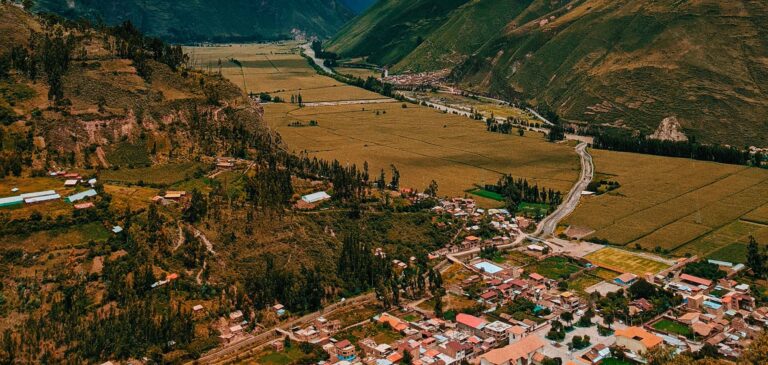




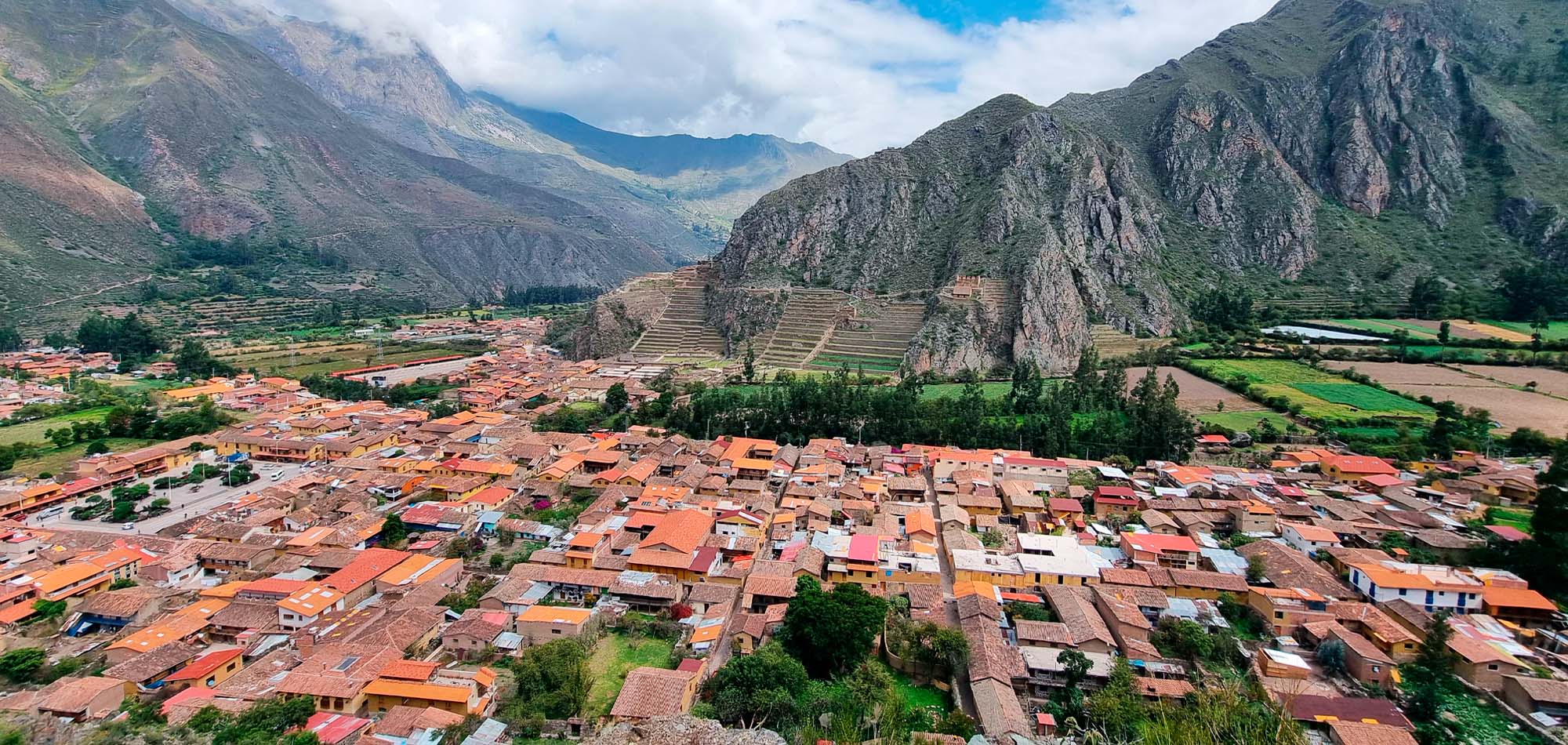
Welcome to the Living Inca Town. Located in the heart of the Sacred Valley of the Incas, Ollantaytambo (or simply Ollanta to locals) sits roughly 60km from Cusco and just 32km from Aguas Calientes (Machu Picchu Pueblo).
While thousands of travelers pass through every single day exclusively to catch the train to Machu Picchu, treating this town as a mere transit point is a massive travel mistake. Ollantaytambo is an architectural masterpiece, wrapped in a rich military history, boasting winding cobblestone streets, vibrant cafes, roaring mountain views, and some of the best preservation of original Incan urban design in the world.
Here is everything you need to know to experience it like an insider.
A Quick Look at Ollantaytambo’s Epic History
Long before the Incas arrived, this strategic valley belonged to an older Aymara-speaking community. By the mid-15th century, the legendary Inca Emperor Pachacutec conquered the area, transforming it into his personal royal estate, a religious center, and a defensive stronghold. He introduced the Quechua language, which remains proudly and widely spoken by the locals here today.
Ollantaytambo holds a legendary title in Peruvian history: it is the site of the most significant Inca victory against the Spanish conquistadors. In 1537, Manco Inca retreated here after his failed siege of Cusco. When Hernando Pizarro led a cavalry attack on the fortress, the Incas showered them with arrows and rocks from the high terraces and brilliantly flooded the plains below using pre-constructed channels. The horses got bogged down in the mud, and the Spanish were forced into a chaotic retreat.
Though the Incas eventually retreated deeper into the jungle at Vilcabamba due to overwhelming colonial reinforcements, the soaring stones of Ollantaytambo stand as a permanent monument to their resistance.
Want to dive deeper? Step off the main plaza and check out the CATCCO Museum (Andean Center for Technology and Culture of the Communities of Ollantaytambo) for a modern, fascinating look at local culture and history.
Location & How to Get Around
Sitting comfortably at 2,792 meters (9,160 feet) above sea level, Ollantaytambo features a milder climate and lower altitude than Cusco, making it the perfect place to acclimatize before attempting any high-altitude mountain trekking.
| From | To | Mode | Travel Time | Notes |
| Cusco | Ollantaytambo | Colectivo (Shared Van) / Taxi / Tour Bus | 1.5 – 2 Hours | Colectivos depart constantly from Pavitos Street in Cusco. Cheap and fast. |
| Ollantaytambo | Machu Picchu | Train (Inca Rail / Peru Rail) | 1 Hour 40 Mins | Rail lines run flawlessly year-round through both dry and wet seasons. |
| Ollantaytambo | Kilometer 82 | Private Van / Colectivo | 30 Minutes | The official trailhead checkpoint for the classic 4-Day Inca Trail. |
Things to do in Ollantaytambo
1.- Visit the Ollantaytambo ruins and terraces
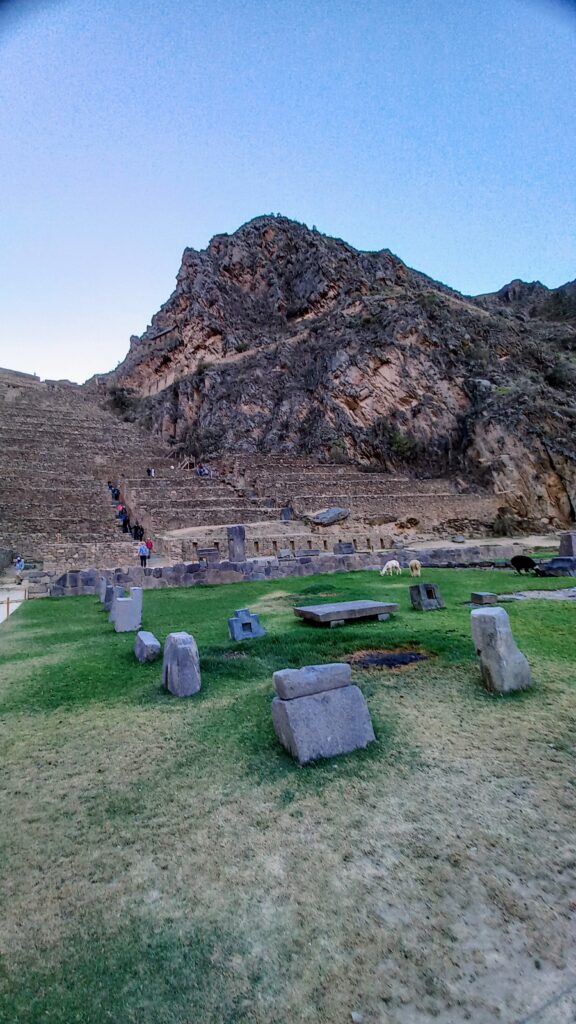
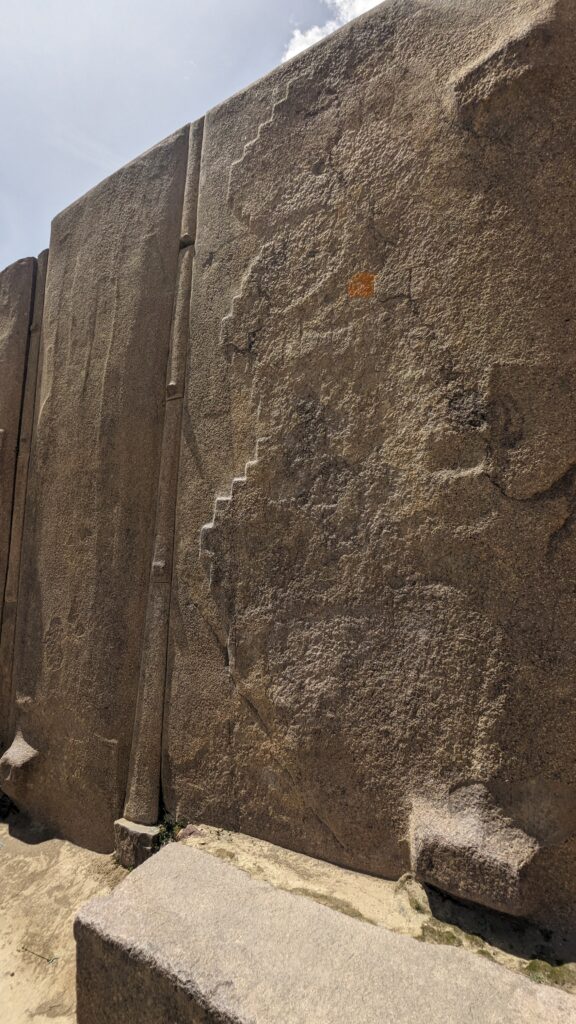
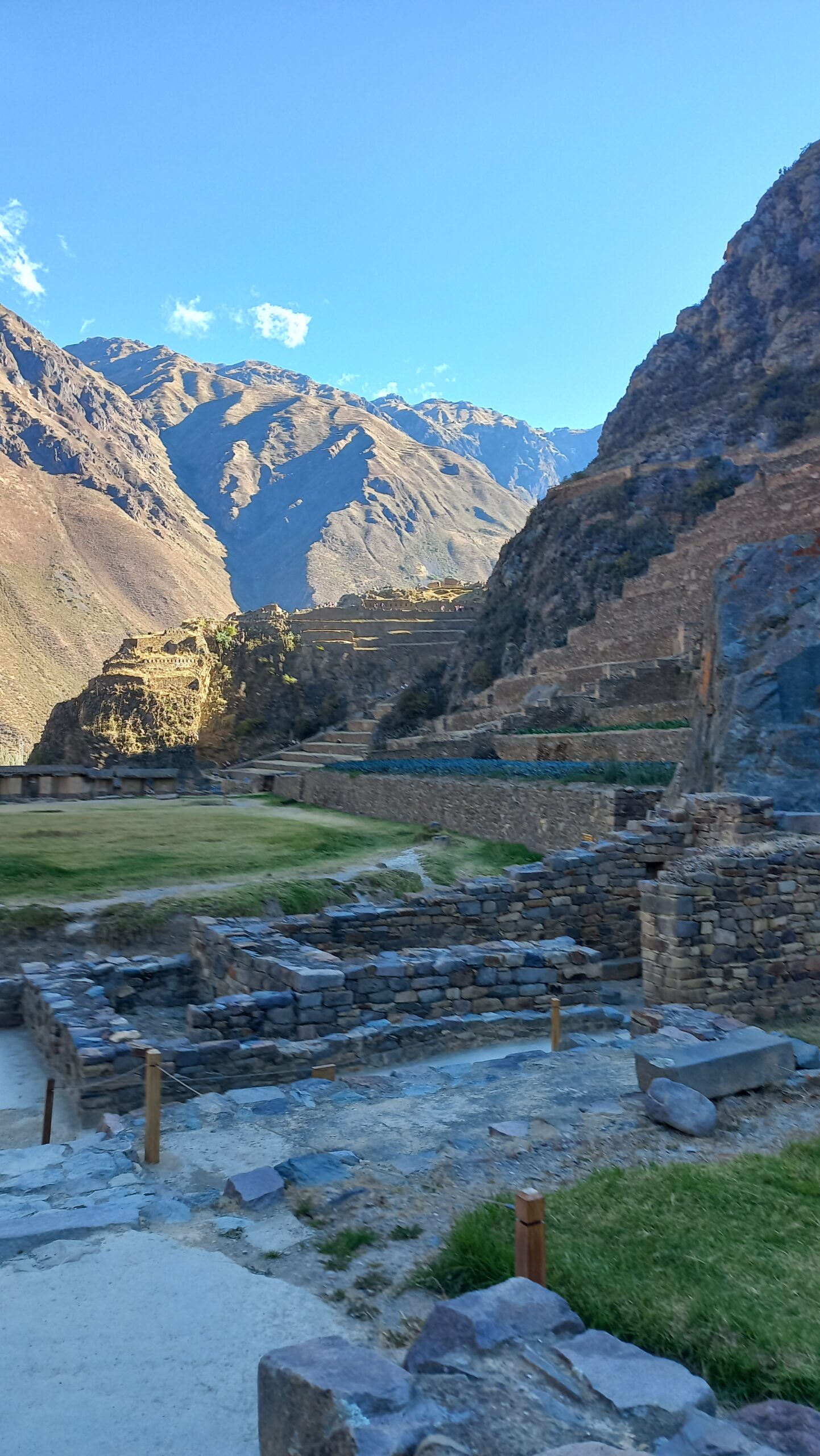
Snaking up the hillsides, these magnificent ruins define and dominate Ollantaytambo from nearly every angle. To truly enjoy their scale, it is highly recommended to plan your visit for the early morning or late afternoon; this allows you to explore in peace before the large tourist excursion buses arrive. Sitting at an altitude of 2,792 meters, the climb up the monumental stone steps can easily leave you a bit out of breath, so remember to take your time. Please note that entry to the archaeological site is exclusively available via the Cusco Boleto Turístico (Tourist Ticket), a multi-site pass covering the best ruins in the Sacred Valley. Single-entry tickets are not sold at the gate, so it is best to check out the three available ticket packages and purchase yours in advance. Plan to spend about 1 to 2 hours exploring the massive terraces and sun temples at your own pace
2.- Explore the old town streets
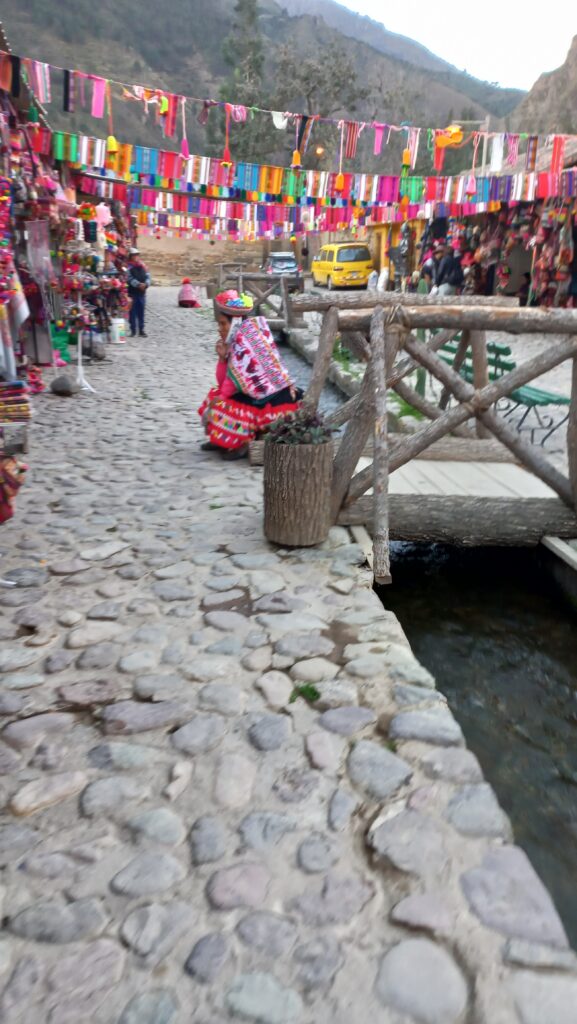
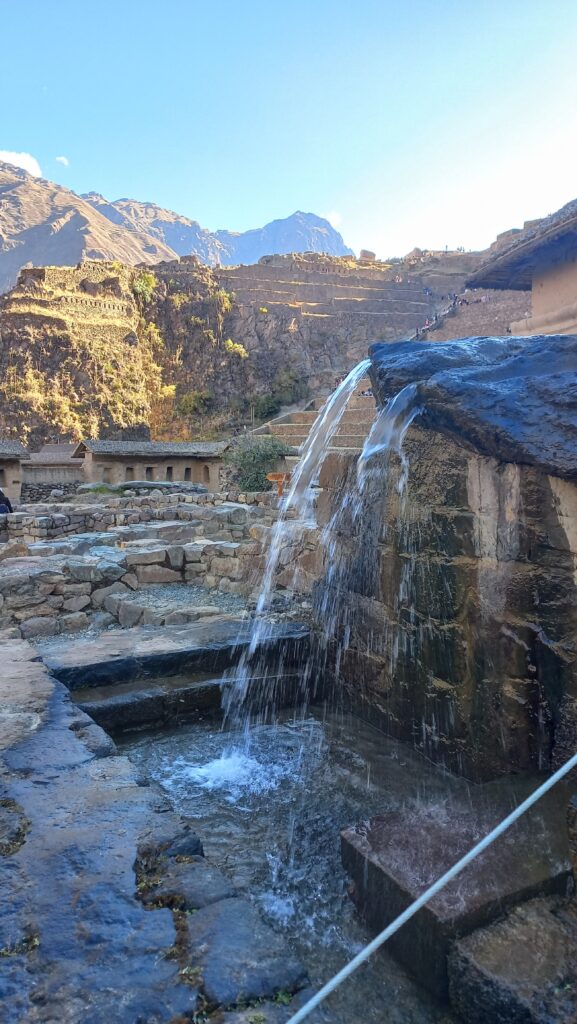
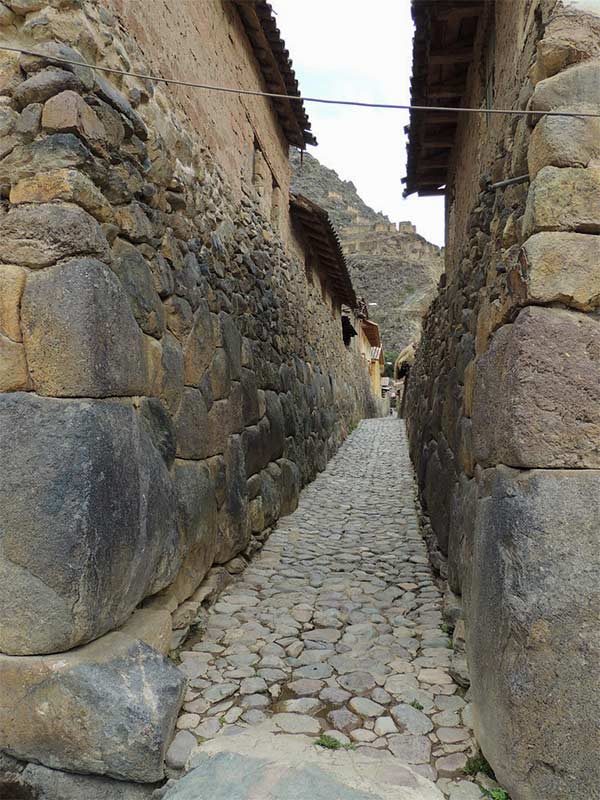
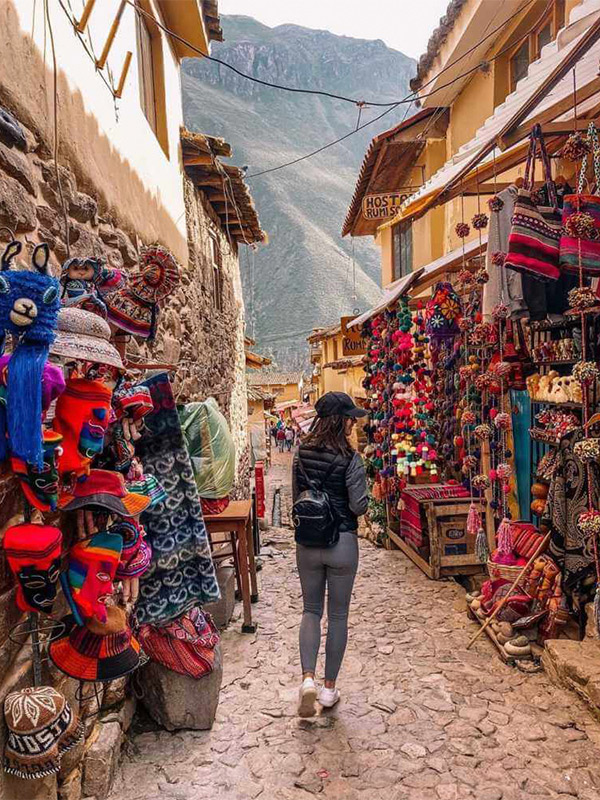
You will notice the soothing sound of rushing water all around Ollantaytambo. This is thanks to the town’s remarkably well-preserved Incan open-drainage system, which channels fresh mountain water right through the center of its beautiful cobblestone streets, keep an eye out where you step to avoid getting wet feet! Wandering through these narrow back alleys feels exactly like stepping back in time. Because the historic core is incredibly compact, you never have to worry about getting lost; simply look up at the towering Inca fortress above you to instantly get your bearings.
3.- Browse the souvenir market
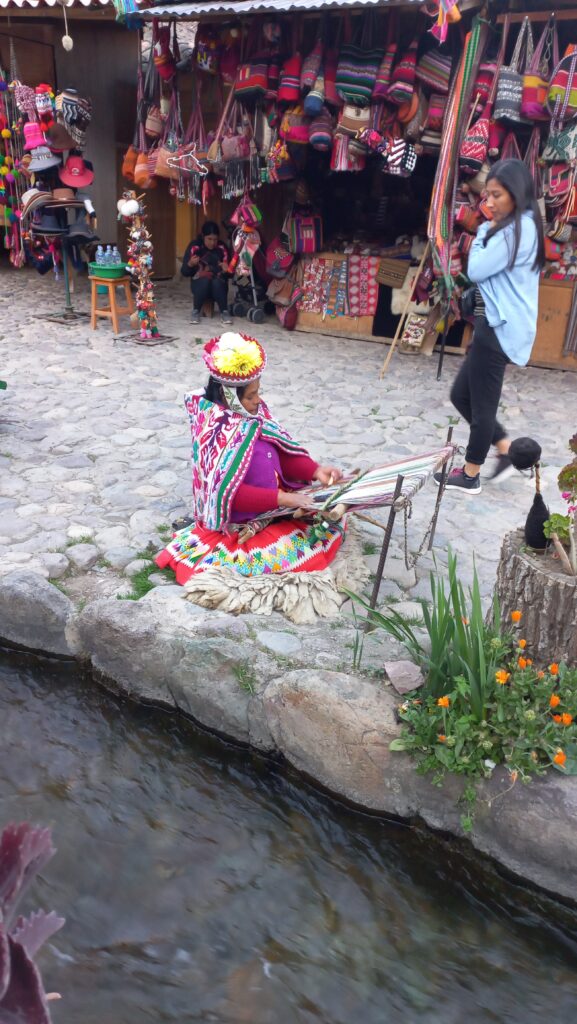
Spend some time exploring the wonderfully colorful outdoor artisan market located right at the base of the ruins. While you will find the classic mementos typical of Peruvian travel spots, it is a fantastic place to hunt for unique handmade gems and vibrant textiles. Friendly haggling is very much part of the local experience, but remember to aim for a price that is fair and respectful to the hard work of the local artisans.
- TIP: Don’t miss the cute little side street branching right off the main tourist market, which hosts small, independent shops selling beautiful, alternative items.
4.- Stop by the local market
For a taste of genuine daily life, head just off the central plaza to the traditional local market. Watching residents shop for fresh produce and go about their morning routine offers an authentic glimpse into the town’s thriving local culture. This is also the absolute best place to stock up on affordable, fresh snacks like dried fruits and nuts before setting off on the Inca Trail.
5.- Enjoy the view from the deposits of Pinkuylluna
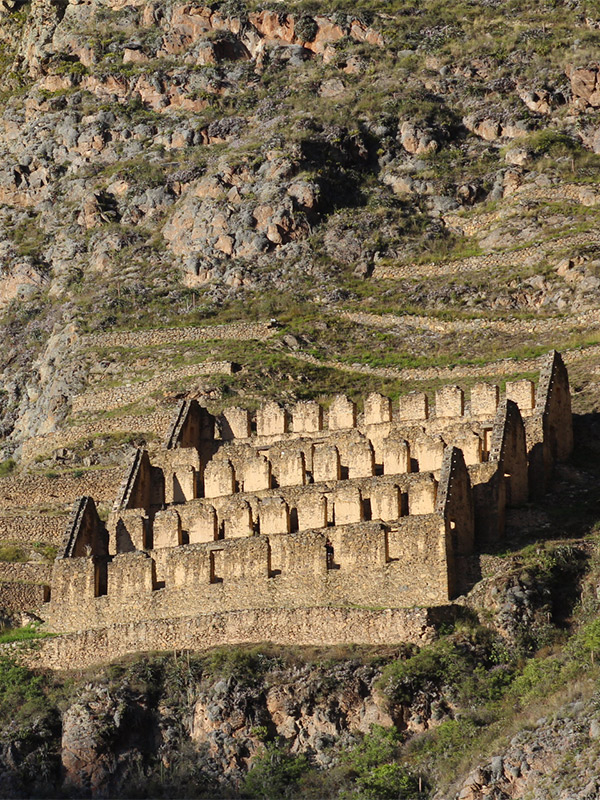
If you are looking for a short, rewarding hike with panoramic views over the valley, make your way to Pinkuylluna. These ancient Incan storehouses cling precariously to the mountainside opposite the main fortress. Because they sit off the standard tourist track, they offer a peaceful escape from the crowds and serve as excellent preparation for the steep steps of the Inca Trail.
To find the trailhead, simply walk down Lare Street until you spot the stairs and a directional sign on your right; the starting point is also clearly pinned on Google Maps under ‘Pinkuylluna’. The steep climb takes about 30 to 45 minutes, and you will want to watch your footing carefully on the way back down.
6.- Secret corners in the Sacred Valley
Ollantaytambo’s laid-back, small-town atmosphere makes it an attractive alternative for travelers looking to discover the Sacred Valley at a much slower pace. If you want to get completely off the beaten path, arrange a trek up to the spectacular Perolniyoq Waterfalls near the quiet village of Socma, where the trails remain peaceful and beautifully free of crowds. Back in Ollantaytambo, make sure to stroll the charming streets in the evening; once the day-trippers depart, the town settles into a magical, tranquil mountain peace.
7. Quarry of Cachicata Inca
The Cachicata Quarry is a fascinating pre-Inca and Incan archaeological site set high on the mountainside across the valley. Famed for its monumental stonework, this is the very source where the massive blocks were shaped to construct Ollantaytambo’s finest temples.
Embarking on this full-day journey from town gives you incredible insight into traditional Andean engineering, showing you exactly how stonemasons cut and transported giant rocks using ancient methods. It is an extraordinary trek and fantastic physical conditioning for the classic Inca Trail. The route begins right from town, crossing an authentic Inca bridge over the roaring Urubamba River, and follows the steep stone-sliding paths where massive blocks were brought down the mountain slopes.
8. Peruvian Sky Lodge Hanging Hotel
For travelers seeking a true once-in-a-lifetime adrenaline rush, the Skylodge Adventure Suites offer an unparalleled experience. Suspended precariously 400 meters above the valley floor, this eco-friendly hanging retreat rewards brave visitors with breathtaking, panoramic mountain views.
The hotel consists of three completely translucent aerospace-aluminum and polycarbonate capsules attached securely to the cliff face by heavy steel cables. Each pod comes equipped with comfortable beds and a private eco-bathroom. To reach your bedroom in the sky, you will need to scale a thrilling 400-meter via ferrata climbing path or zip-line across the canyon faces.
9. Inca ruins Ñaupa Iglesia
Tucked away in the valley lies Ñaupa Iglesia, an ancient, mystical temple dating back to the height of the Inca Empire between the 15th and 16th centuries. This highly unique archaeological site is revered for its profound spiritual significance and its remarkably precise stone altars carved directly into a dark cave side.
While the site is accessible from town, it remains a hidden gem. It is best visited alongside a knowledgeable local guide or agency who can assist with transportation and share the deep history and spiritual mysteries of this sacred space.
10. Salt Mines of Maras
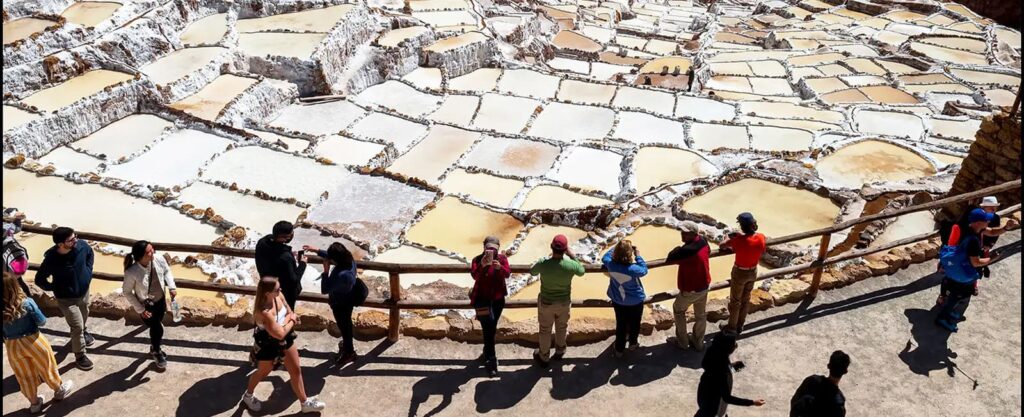
Located just a short journey from Ollantaytambo, the stunning Salt Mines of Maras have been actively harvested since long before the arrival of the Incas. The site is a visual marvel, composed of over 6,000 terraced evaporation pans fed by a highly concentrated, warm underground saltwater spring.
Each individual pool is owned and manually worked by a local family using traditional methods unchanged for centuries. Taking a guided day tour to Maras allows you to learn about the cultural heritage of the area while taking in spectacular clifftop views. Be sure to bring your camera, as the geometric landscape is a photographer’s dream.
Treks and Tours from Ollantaytambo
1. Sacred Valley Tour with Moray & Salt Mines (1 Day)
- Overview: A comprehensive full-day exploration combining the classic highlights of the Sacred Valley with the region’s most fascinating historical engineering marvels.
- Key Sites: Pisac Ruins & Market, Urubamba (Lunch), Moray Agricultural Terraces, Maras Salt Mines, and the Ollantaytambo Fortress.
- Ideal For: Travelers looking to maximize their time and experience both the cultural and archaeological highlights of the valley in a single day.
2. Sacred Valley & Machu Picchu Tour (2 Days / 1 Night)
- Overview: The ultimate classic combination that links the beautiful landscapes and ruins of the Sacred Valley directly with the iconic Inca citadel of Machu Picchu.
- Key Sites: Pisac Ruins, Maras Salt Mines, Moray Terraces, Ollantaytambo, Aguas Calientes (overnight), and a fully guided morning tour of Machu Picchu.
- Ideal For: Travelers wanting a seamless, unhurried journey to Machu Picchu that captures the very best of the Sacred Valley along the way.
3. Sacred Valley + ATV Tour (1 Day)
- Overview: An action-packed, multi-activity day that swaps the traditional tour bus for quad bikes across the high plains, ending with a guided exploration of the valley’s premier living Inca town.
- Key Sites: Cross-country ATV riding to the Maras Salt Mines and Moray Terraces, followed by private transport to Urubamba (Lunch) and the Ollantaytambo Fortress.
- Ideal For: Adventure seekers and families wanting a hands-on, high-energy way to experience the scenery and history of the valley.
4. Cusco, Sacred Valley & Machu Picchu Tour (3 Days / 2 Nights)
- Overview: A beautifully paced, stress-free itinerary covering the essential historic loop from the colonial streets of Cusco through the entire Sacred Valley, culminating at Machu Picchu.
- Key Sites: Cusco City Tour (Sacsayhuamán, Qorikancha), Pisac, Moray, Maras Salt Mines, Ollantaytambo, and a complete guided tour of Machu Picchu.
- Ideal For: First-time visitors looking for a well-rounded introduction to the region’s main archaeological wonders without a packed schedule.
Where to stay in Ollantaytambo?
Ollantaytambo offers a fantastic selection of locally run hostels, hotels, and boutique guesthouses catering to every travel preference and budget. Independent travelers turning up without a reservation can easily find affordable accommodations, though booking well in advance is highly recommended during the May-September peak travel season.
For a seamless and memorable experience, we highly recommend choosing an accommodation that can coordinate both your stay and your mountain excursions through an integrated trekking service:
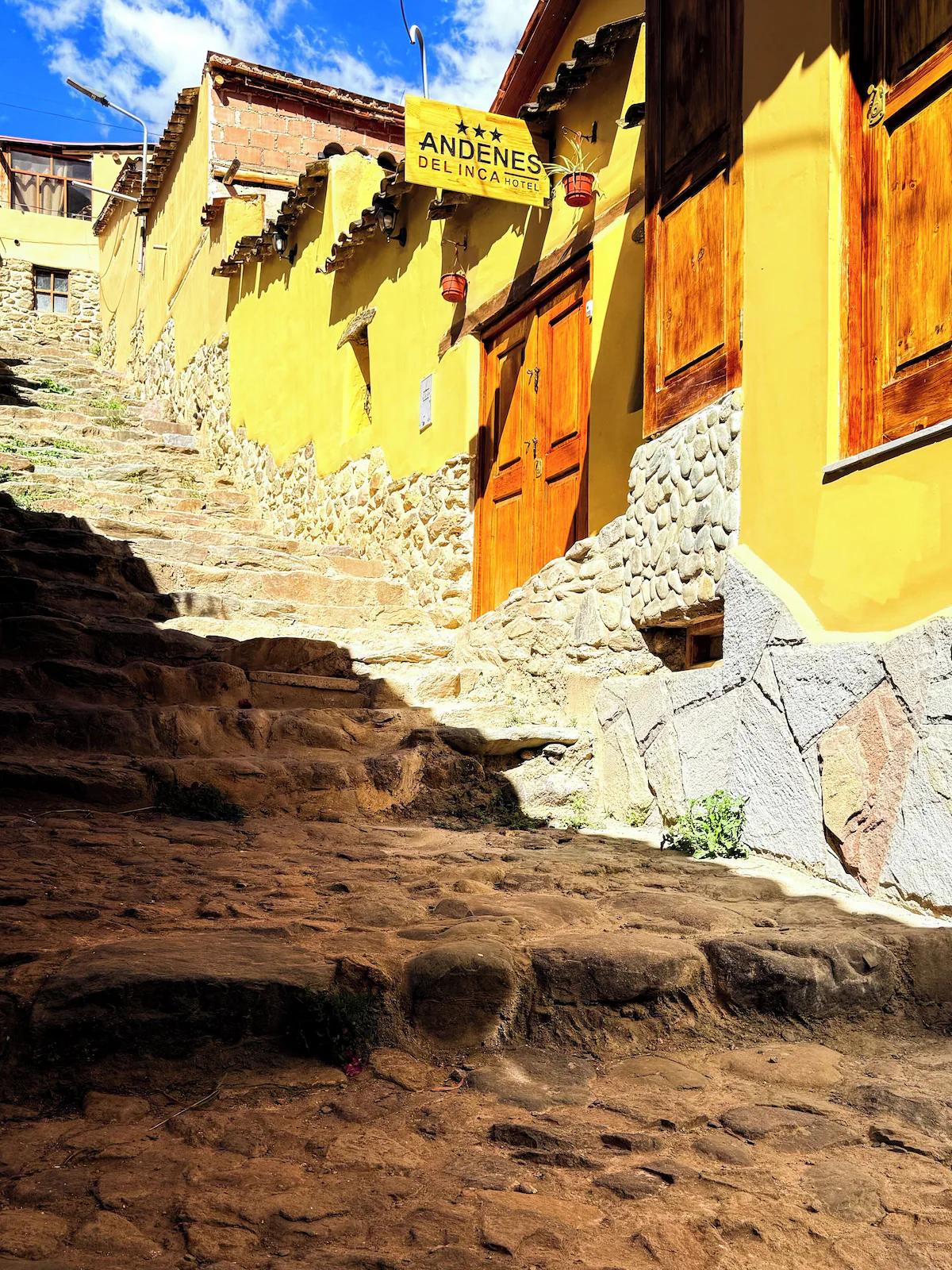
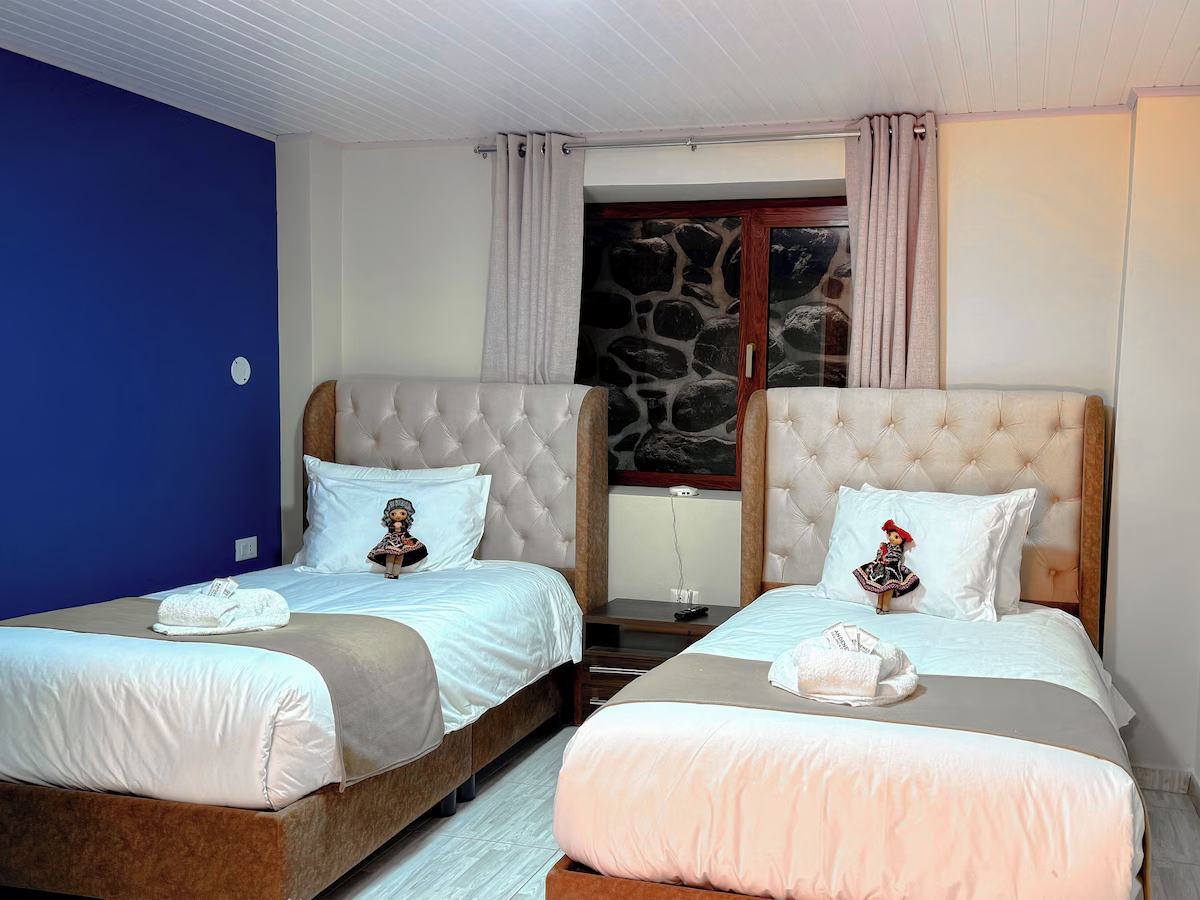
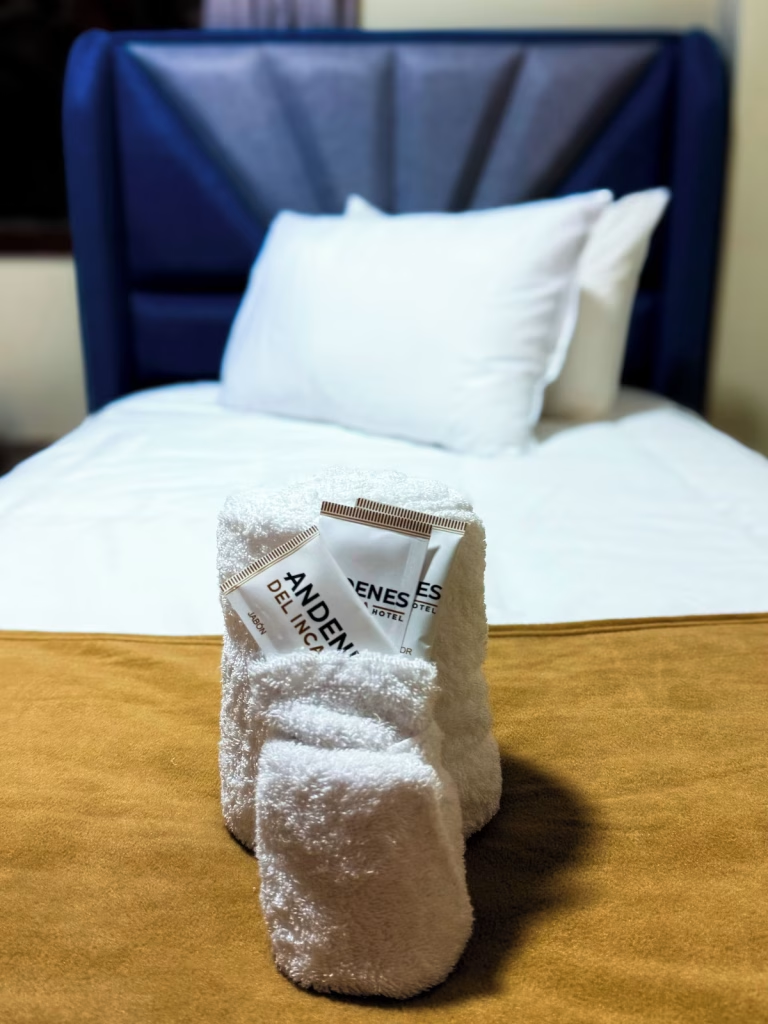
Andenes del Inca: This charming hotel in Ollantaytambo beautifully combines modern comfort, warm hospitality, and authentic local experiences. Located just steps from the vibrant Plaza de Armas, it serves as the perfect launchpad to explore the wonders of the Sacred Valley and immerse yourself in local culture.
🌐 Visit the official website of Hotel Andenes del Inca.
More information about the train from Ollantaytambo to Machu Picchu?
The town of Aguas Calientes (Machu Picchu Pueblo) serves as the primary gateway to the ruins, located just a 25-minute shuttle ride or a scenic walk from the main entrance. Rather than taking a long journey directly from Cusco, we highly recommend traveling by train from Ollantaytambo, which sits just 32 kilometers away. Ollantaytambo is also the mandatory transit hub for accessing the official trailheads for the Inca Trail, which is why so many independent travelers and tour groups spend the night here.
Take the train
Both Peru Rail and Inca Rail operate frequent, reliable daily departures from the Ollantaytambo station directly to Aguas Calientes. This world-famous rail journey cuts through spectacular mountain scenery.
It is highly recommended to purchase your train tickets online months in advance to secure the best departure times and pricing. While you can buy tickets last-minute at the ticket windows in Ollantaytambo, availability is extremely limited during the high season, and often only the most expensive luxury services remain.
- Where is the train station? The station is located easily at the end of Avenida Ferrocarril. Simply turn left just before the small pedestrian bridge leading to the artisan market and ruins. It is a gentle, 10-minute downhill walk from the main plaza, so be sure to give yourself plenty of time before boarding.
- How much are the tickets? Fares vary based on the rail company, your departure time, and the class of service chosen (such as the panoramic Vistadome trains). One-way tickets generally start around $56 but can cost significantly more for luxury packages.
- What are the schedules? The train journey from Ollantaytambo to Aguas Calientes takes between 1 hour 20 minutes and 1 hour 40 minutes, traveling at a relaxed pace to allow passengers to safely enjoy the dramatic canyon views.
Click the following link to view our complete comparison guide: Inca Rail vs. Peru Rail: Which Train is Best?
Walk the Inca Trail or any Alternative Trek
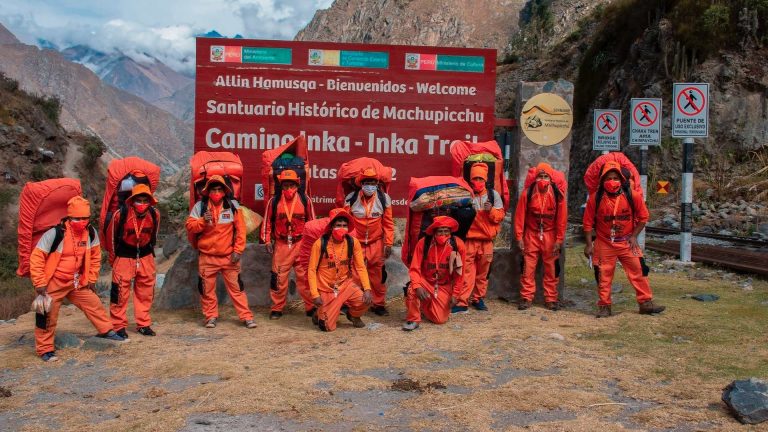
The official start point for the classic 4-Day Inca Trail is located along the railway lines at Kilometer 82, roughly a 30-minute drive outside of Ollantaytambo. Please note that it is impossible to step onto the Inca Trail independently; you must travel with a licensed tour operator, and permits must be secured months in advance. Most authorized trekking packages will automatically handle your private ground transportation from Cusco directly through Ollantaytambo.
Best Restaurants
- Chuncho: Celebrated for its authentic culinary roots, Chuncho hosts an incredible farm-to-table dining experience, including a traditional Pachamanca lunch on their organic farm. This ancient Andean cooking ritual uses fire-heated volcanic stones buried underground to slow-cook spiced meats and native tubers as a celebration of Pachamama (Mother Earth).
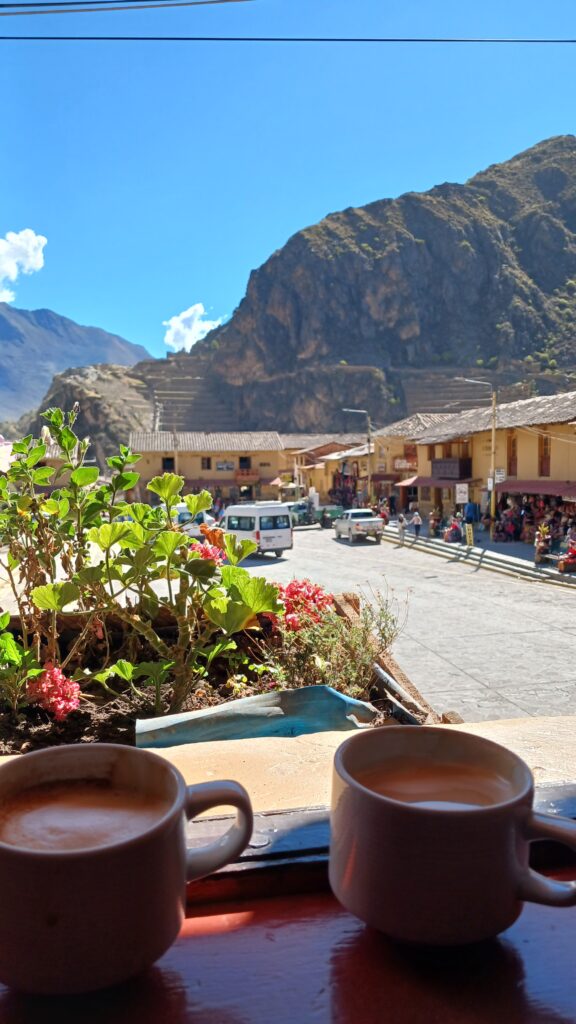
- Heart Cafe: Featuring a prime location right on the square, this welcoming cafe is an excellent spot to enjoy rich local coffee, healthy breakfasts, and wholesome, English-style comfort foods.
- Don Dante Restaurante: A fantastic choice if you are in the mood for international flavors, serving up a diverse and delicious menu of freshly prepared Mexican and Italian specialties.
- Amanto – Comida Sagrada: Specializing in upscale, contemporary Peruvian gastronomy, this restaurant is the perfect place to try a perfectly seared alpaca steak or sample refined variations of classic Andean dishes.
- Blue Magic: If you are looking for a casual, no-frills spot to unwind, this cool and highly affordable local dive bar serves up great burgers, crispy fries, and cold drinks in a laid-back setting.
Tour Services

Tour Services
Veronica View Tours
Operating as a premier, professional trekking agency under the Veronica View Hotel umbrella, Veronica View Tours is located right in the heart of Ollantaytambo. They are widely recognized for delivering high-quality, authentic outdoor adventures with a strict focus on small-group travel—averaging just 6 to 8 hikers per group, and never exceeding 10.
Their local guides possess unparalleled, lifelong knowledge of the Sacred Valley and decades of combined mountain trekking experience. If you are searching for a highly specialized, reliable tour operator to organize your day trips, multi-day mountain wilderness treks, or your complete journey to Machu Picchu, look no further than the team at Veronica View.
The Machu Picchu Train Luggage Restriction (Crucial)
This is the single biggest logistical surprise that trips up travelers in Ollantaytambo. Both Peru Rail and Inca Rail enforce a strict 5kg / 11lbs baggage limit per passenger on the trains to Aguas Calientes.
- What to tell readers: Explain that they cannot bring their massive rolling suitcases on the train. They need to pack a small daypack for Machu Picchu and leave their main luggage behind.
- The solution: Note that almost every hotel in Cusco and Ollantaytambo (like Andenes del Inca) will store your main luggage for free while you go to Machu Picchu.
Cash and ATMs in Ollantaytambo
Ollantaytambo has notoriously temperamental ATMs. They frequently run out of cash during peak season, and smaller local spots (like the San Pedro market, street stalls, and smaller mototaxis) do not accept cards.
- The Tip: Advise travelers to withdraw plenty of Peruvian Soles while they are in Cusco, rather than relying solely on the machines in Ollantaytambo.
Best Time to Visit & Weather Brief
Travelers always want to know what to expect weather-wise, especially since it impacts hiking conditions for trails like Pinkuylluna or Cachicata.
- Dry Season (May – October): Clear blue skies, sunny days, freezing nights. Perfect for trekking.
- Rainy Season (November – April): Lush green landscapes, fewer crowds, but afternoon downpours. January and February see the heaviest rain.
Quick Altitude & Safety Reminder
While Ollantaytambo sits lower than Cusco ($2,792\text{m}$ vs $3,400\text{m}$), it is still high enough to cause mild altitude sickness (soroche) for travelers who just landed in Peru.
- The Tip: Remind them to drink plenty of water, sip on muña or coca tea, avoid heavy meals on their first night, and take those steep stone steps to the fortress slowly.
Ollantaytambo FAQs
Is Ollantaytambo worth a stop?
Absolutely. Beyond being the primary train hub for Machu Picchu, it is the only remaining town that perfectly preserves the original residential street grid designed by the Incas.
How many days should you spend in Ollantaytambo?
While you can see the main ruins in half a day, spending 1 to 2 nights allows you to experience the local markets, hike the free trails like Pinkuylluna, and enjoy the tranquil mountain atmosphere after the tour buses leave.
Can you walk from Ollantaytambo to Machu Picchu?
No, you cannot walk directly along the tracks or roads. To get there on foot, you must book an authorized trek like the classic 4-Day Inca Trail or the alternative Cachicata Quarry Trail. Otherwise, you must take the train.
How do you get from Cusco to Ollantaytambo?
The most popular and budget-friendly way is to take a colectivo (shared minivan) from Pavitos Street in Cusco; it costs around 15 to 20 Soles and takes about 1.5 to 2 hours. Alternatively, you can book a private taxi (typically 130 to 180 Soles) or take a scenic train from Cusco’s San Pedro or Poroy stations directly to Ollantaytambo.
Do you need a ticket to enter the Ollantaytambo ruins?
Yes, you cannot buy a standalone ticket at the gate. To enter the main archaeological site, you need the Cusco Tourist Ticket (Boleto Turístico). You can purchase a partial ticket (Circuit 3) which covers the Sacred Valley ruins for two days, or the full 10-day ticket if you plan to visit multiple sites around Cusco and Pisac.
Is the altitude in Ollantaytambo lower than Cusco?
Yes, significantly. Ollantaytambo sits at an elevation of 2,792 meters (9,160 feet), while Cusco is at 3,400 meters (11,152 feet). Because it is lower, many travelers choose to head straight to Ollantaytambo or the Sacred Valley immediately after landing in Cusco to acclimatize more comfortably and prevent altitude sickness.