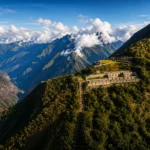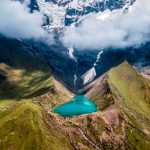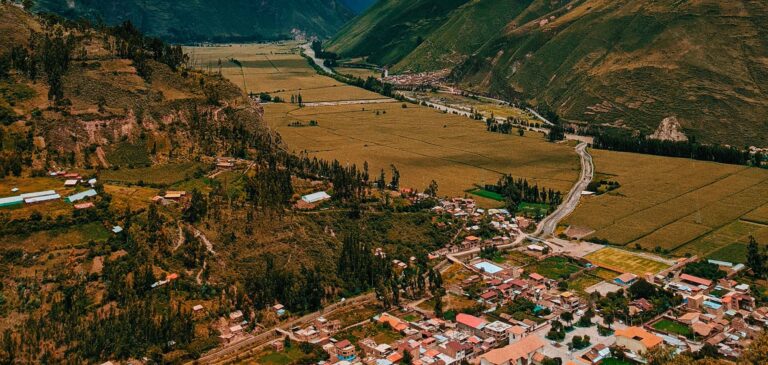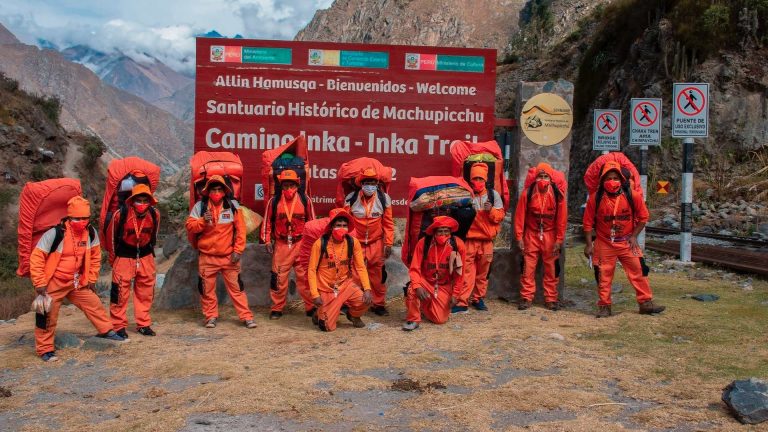




The Classic 4 Day Inca Trail is the historic footpath that links the Sacred Valley to Machu Picchu through the Machu Picchu Historical Sanctuary. Over 42 kilometers you follow original Inca paving, pass seven major archaeological sites and cross three high passes before arriving at the citadel through Inti Punku. Due to its protected status, access is strictly controlled and all entry must be with a licensed operator.
Planning and Best Season
The trail is open from March to January and closed every February for restoration. May to September is the dry season with clear skies and cold nights in camp. April and October offer fewer visitors and green valleys with a higher chance of light rain.
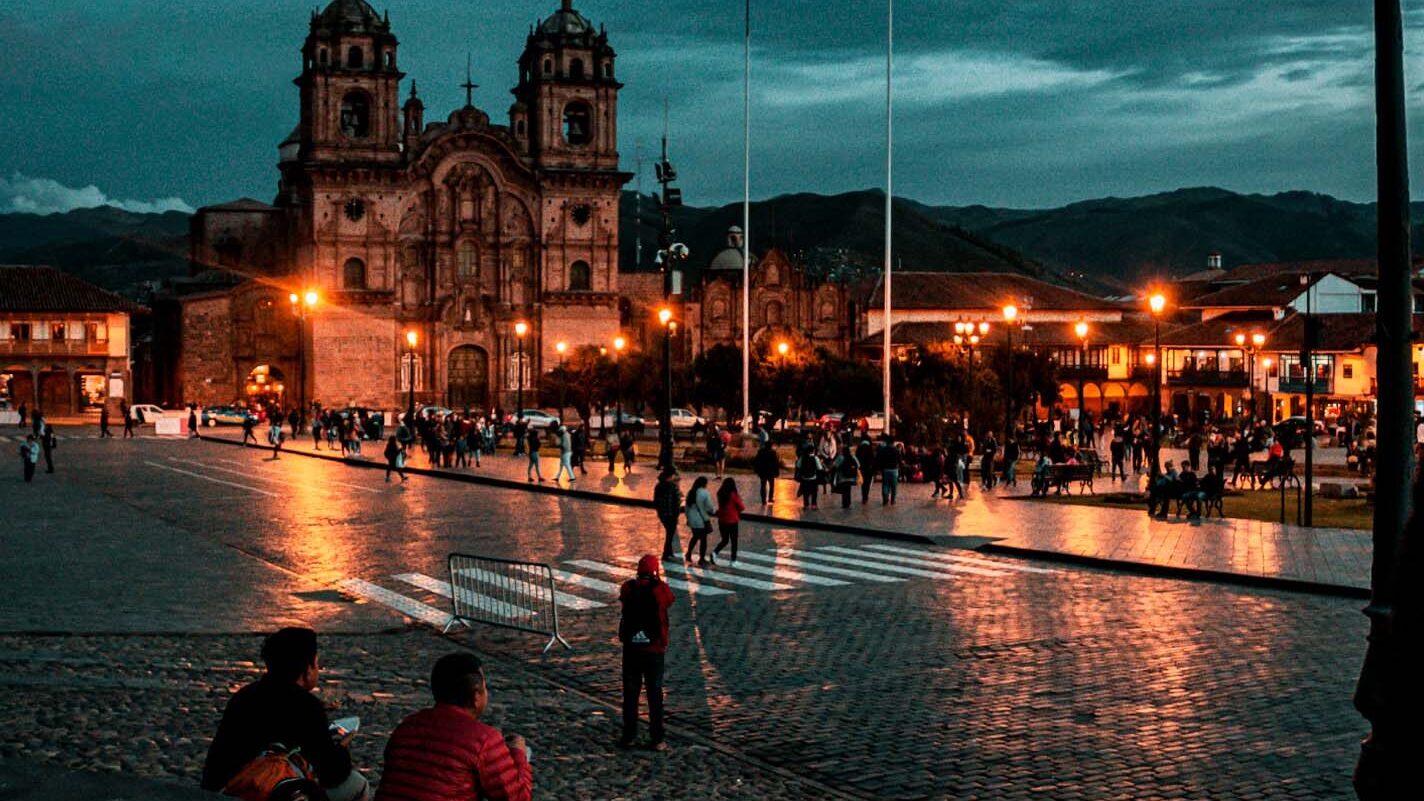
We recommend arriving in Cusco at least two full days before your trek. At 3,400 meters, this time allows your body to adjust before you begin hiking at altitude.
Permits and Entry Requirements
The Ministry of Culture limits the Classic Trail to 500 people per day. This figure includes hikers, guides, porters and cooks, which leaves approximately 200 places for visitors.
How the system works:
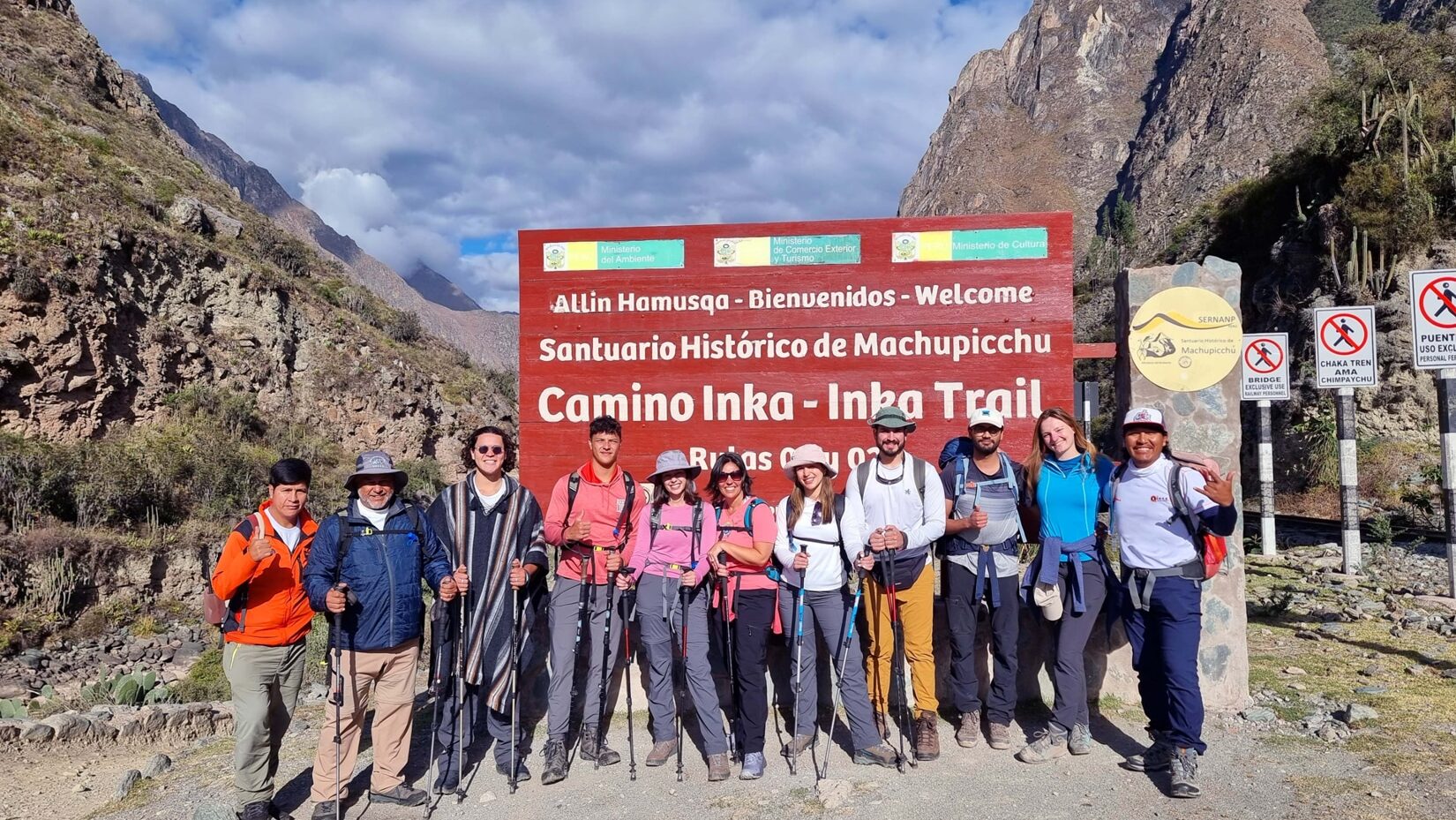
Permits are released once a year in October for the following year. High season dates are reserved months in advance. Permits are issued to a specific passport number and name and are personal, non transferable and non refundable. Only licensed tour operators with an active Sanctuary license can secure them. Independent entry is not permitted under Sanctuary regulations.
To confirm your place we require your full legal name, date of birth, nationality and passport number at booking. You must carry the same passport to the KM 82 checkpoint.
Licensed Operator Support and Legal Access
Entry to the Classic 4 Day Inca Trail is regulated by the Peruvian Ministry of Culture. By law, all hikers must enter the Machu Picchu Historical Sanctuary with a licensed tour operator holding a valid Sanctuary license. Independent access is not permitted.
Your operator is responsible for securing and managing all mandatory documentation. This includes your Inca Trail permit, your Machu Picchu citadel entry which on this route is for Circuit 1A and 3A, your campsite reservations, and your round trip rail tickets, bus tickets and transport between Cusco and Kilometer 82.
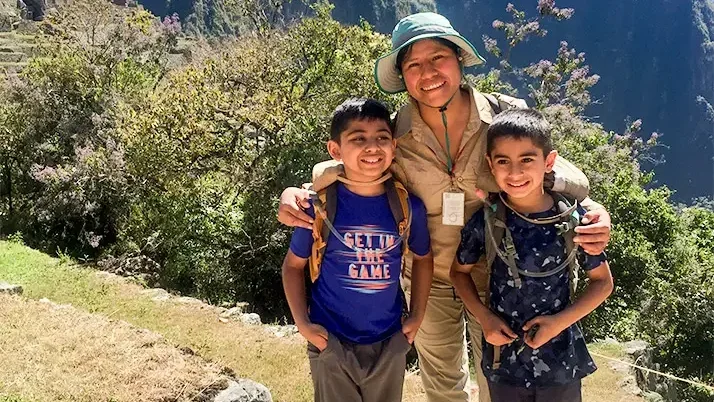
On the trail, you are supported by a full mountain team. A certified lead guide manages navigation, safety and daily briefings. A professional cooking and camp team prepares meals and maintains the camps. A porter crew operating under regulated load limits carries all communal equipment, including tents, kitchen gear and food supplies. You hike with a light daypack only.
For safety, guides carry first aid equipment, supplemental oxygen and satellite or radio communication and are trained in established evacuation protocols.
Preparation and Altitude
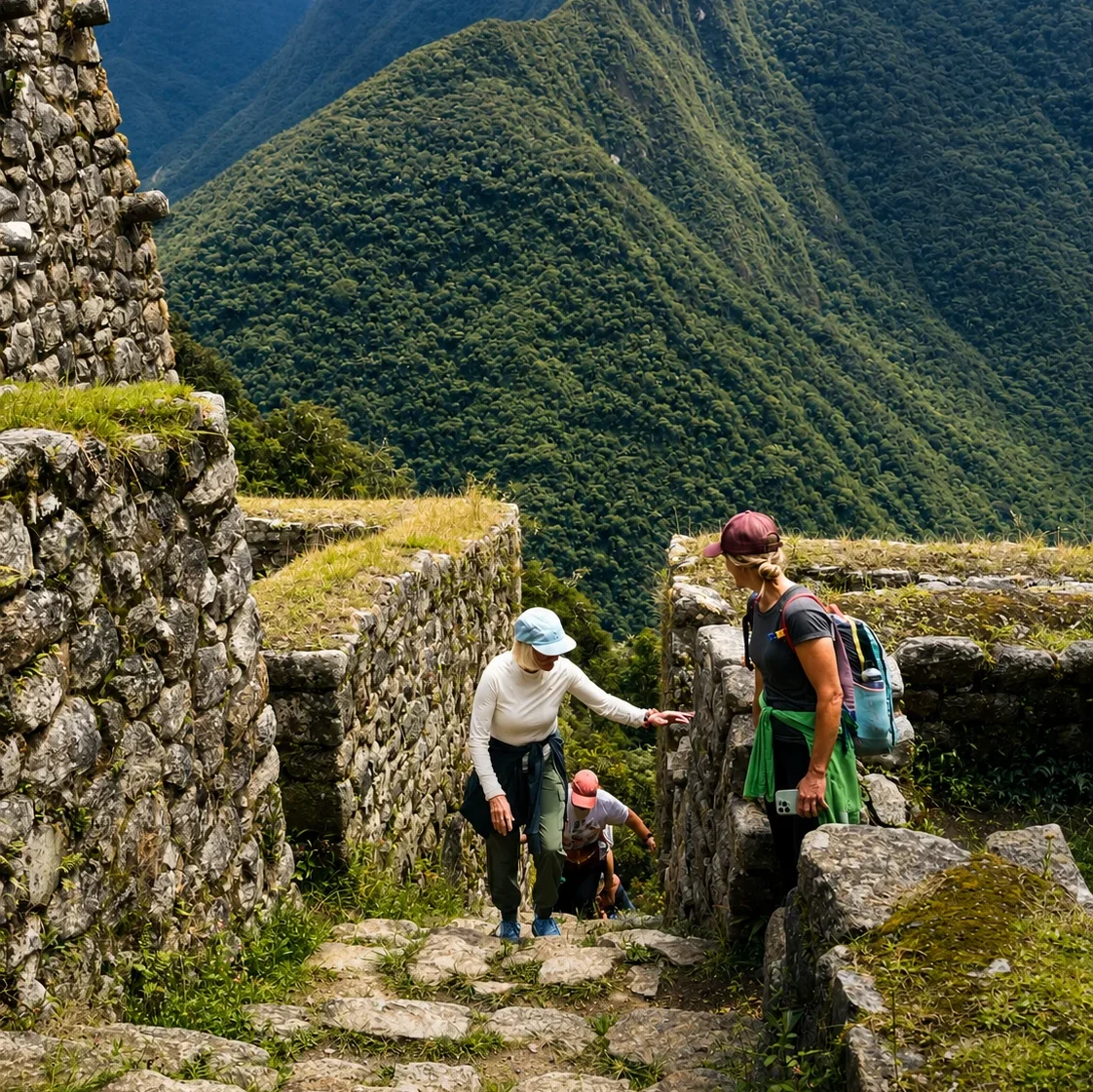
The trail is rated moderate to challenging. The difficulty comes from sustained ascent and descent on original stone steps at altitude, not technical climbing.
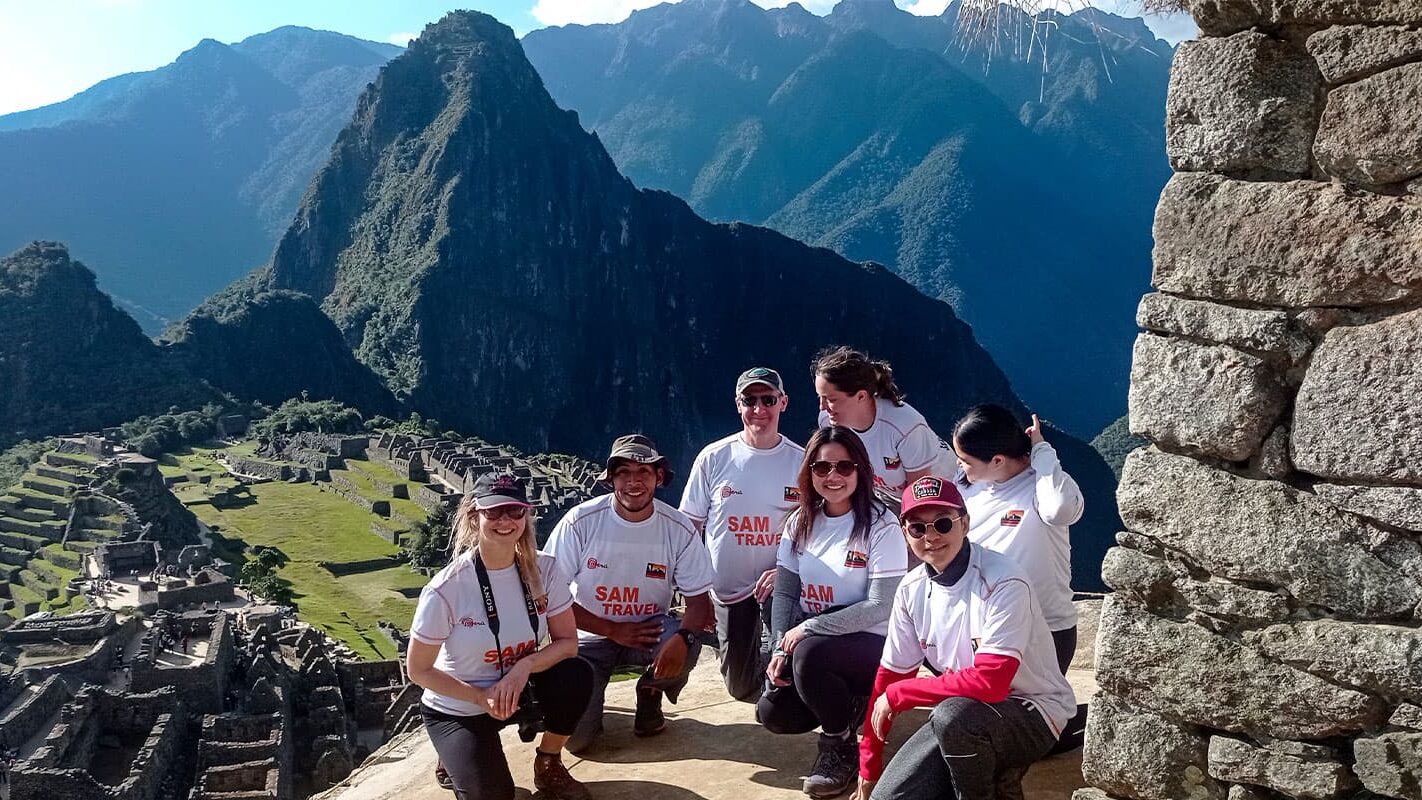
Prepare with regular hill walks and stair training for eight to twelve weeks. Include three to four hikes of 10 to 13 kilometers carrying a 6 to 8 kilogram daypack. Arrive in Cusco early, maintain consistent hydration, avoid alcohol for the first 48 hours and keep a steady pace during the trek. If you have a history of altitude illness, consult your physician in advance.
Travel insurance that covers trekking to 4,500 meters and emergency evacuation is recommended.
Packing
Your porter duffel has a strict 6 kilogram limit including sleeping bag and sleeping pad.
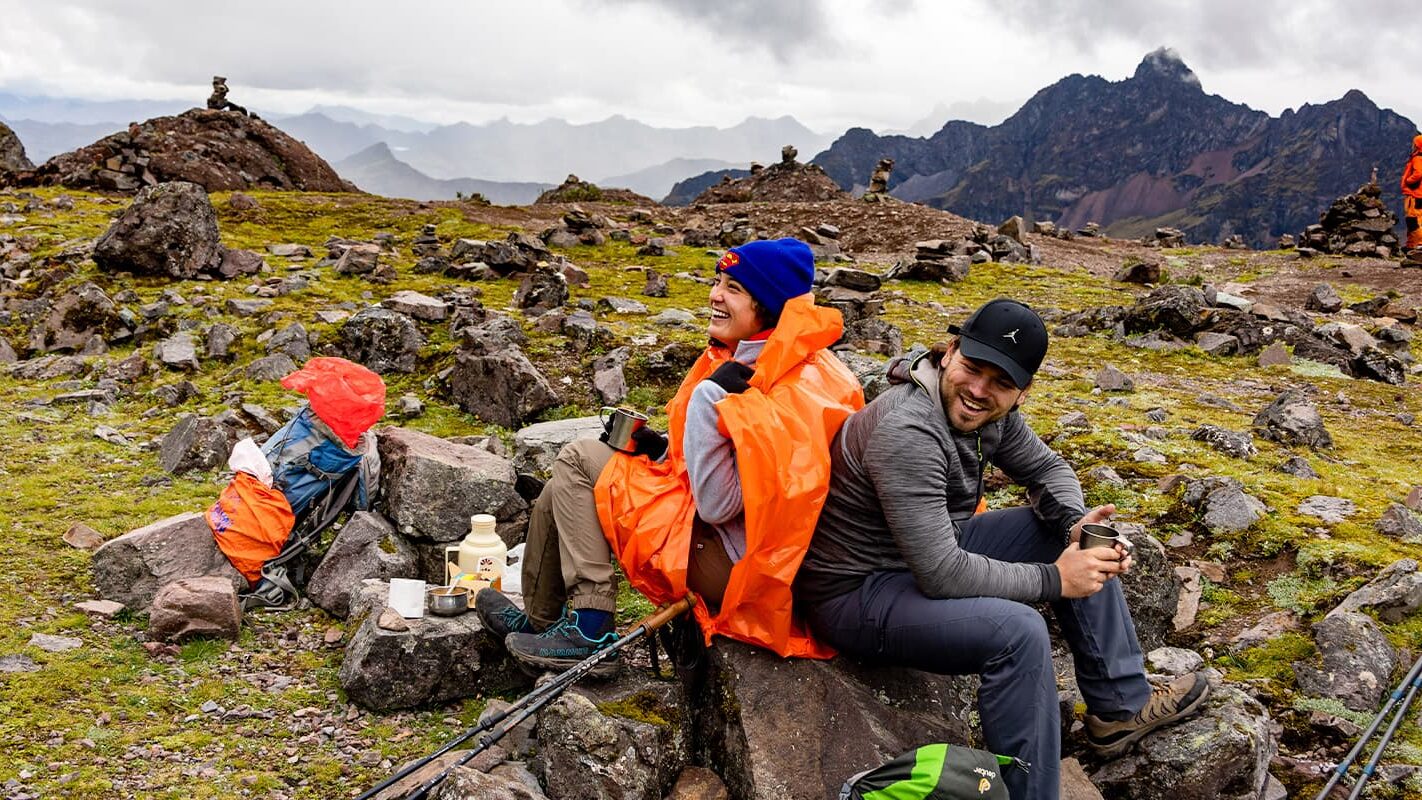
Carry in your daypack: Passport, cash in Peruvian Soles, water capacity of 2 to 3 liters, waterproof jacket and pants, warm layers including fleece and insulated jacket, sun hat, beanie, gloves, sunglasses and sunscreen, headlamp, trekking poles with rubber tip protectors, personal medication and basic blister care.
Packed in your duffel: Four season sleeping bag rated to minus 10 degrees Celsius for dry season, broken in waterproof boots, three moisture wicking shirts, thermal base layers, comfortable camp clothing and sandals, quick dry towel and biodegradable toiletries, portable battery pack.
Drones, single use plastics and trekking poles without rubber tips are prohibited in the Sanctuary.
Itinerary
Day 1: Cusco to Ayapata via Kilometer 82
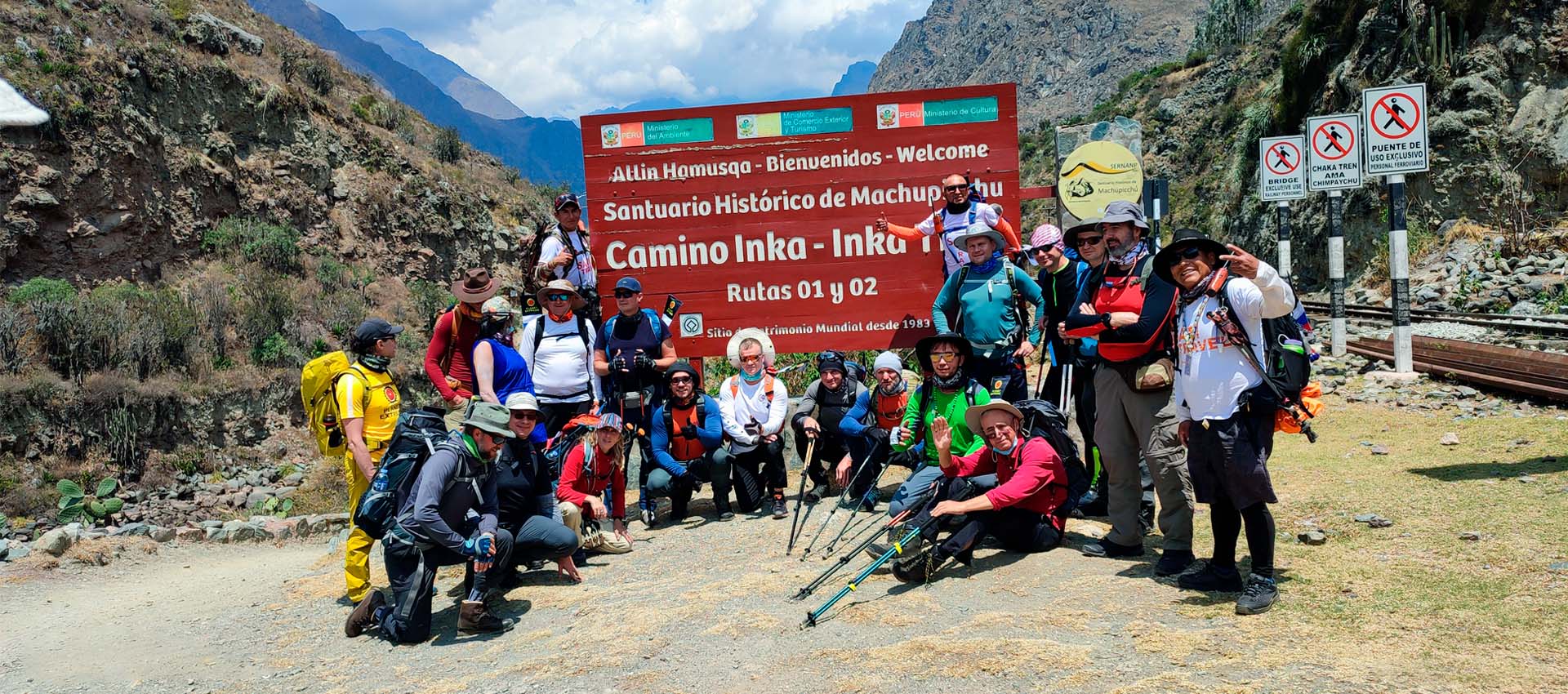
You depart Cusco early by private transport to Piskacucho at Kilometer 82, the official trailhead at 2,720 meters. After passport control, you cross the Vilcanota River and begin on relatively level terrain. The path leads to the small fortress of Huillca Raccay and the extensive agricultural complex of Llactapata, with views of the Urubamba range and Veronica peak on clear days. Following lunch near Hatunchaca, you continue a steady climb into the Wayllabamba valley. Your first camp is set at Ayapata above the village, at approximately 3,300 meters. Tents are already pitched on arrival and afternoon tea is served.
Distance 12 km. Hiking time 6 hours. Camp altitude 3,300 m. Difficulty easy to moderate.
Day 2: Ayapata to Pacaymayo over Warmiwanusca
Your most demanding day. After an early breakfast you ascend directly through high Andean woodland and open puna to Warmiwanusca, known as Dead Womans Pass, at 4,215 meters. This is the highest point of the trek. The ascent is steep and sustained, with opportunities to see hummingbirds and Polylepis forest. After time at the pass for photographs and rest, you descend sharply to the Pacaymayo valley. You camp at 3,550 meters, with cold overnight temperatures.
Distance 11 km. Hiking time 7 to 9 hours. Difficulty challenging.
Day 3: Pacaymayo to Winay Wayna via Phuyupatamarca
This is the most varied day for archaeology and ecology. You climb to Runkurakay Pass at 3,950 meters, then to the third pass above Phuyupatamarca, the Village Above the Clouds at 3,680 meters. The site itself is a well preserved ritual and residential complex with ceremonial water channels. From here you descend almost 2,000 stone steps through dense cloud forest to Intipata, a wide agricultural center on the mountainside, then continue to Winay Wayna. The terraces of Winay Wayna, meaning Forever Young in Quechua, sit just above your final camp at 2,680 meters. This camp is warmer and more humid as you approach the upper jungle.
Distance 10 km. Hiking time 5 to 6 hours. Difficulty moderate.
Day 4: Winay Wayna to Machu Picchu and Return to Cusco
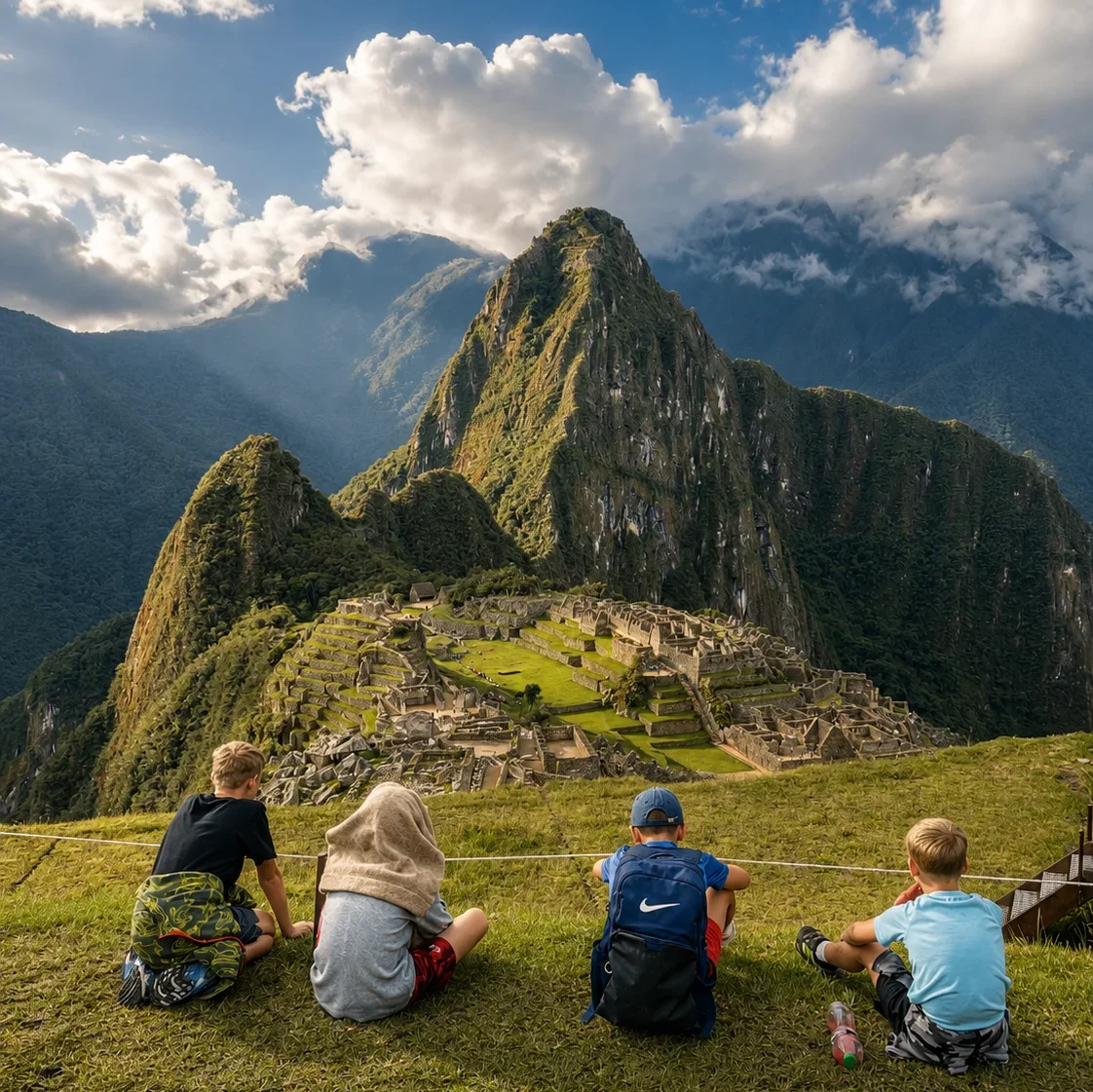
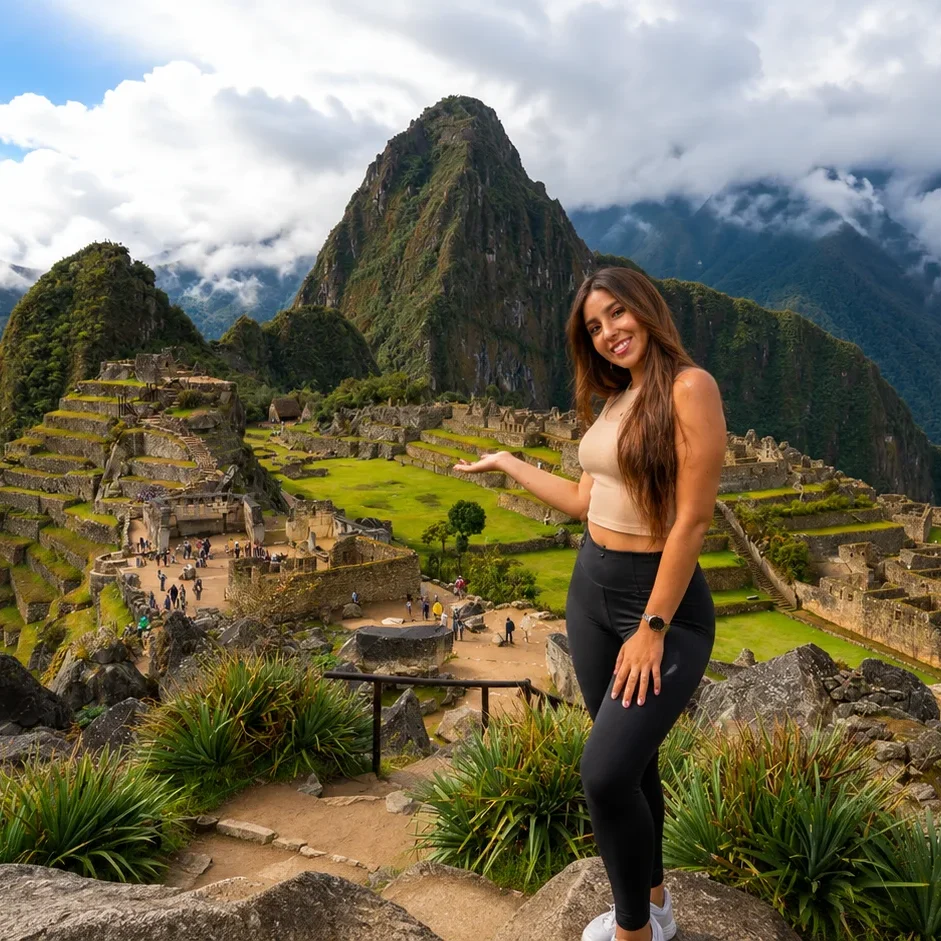
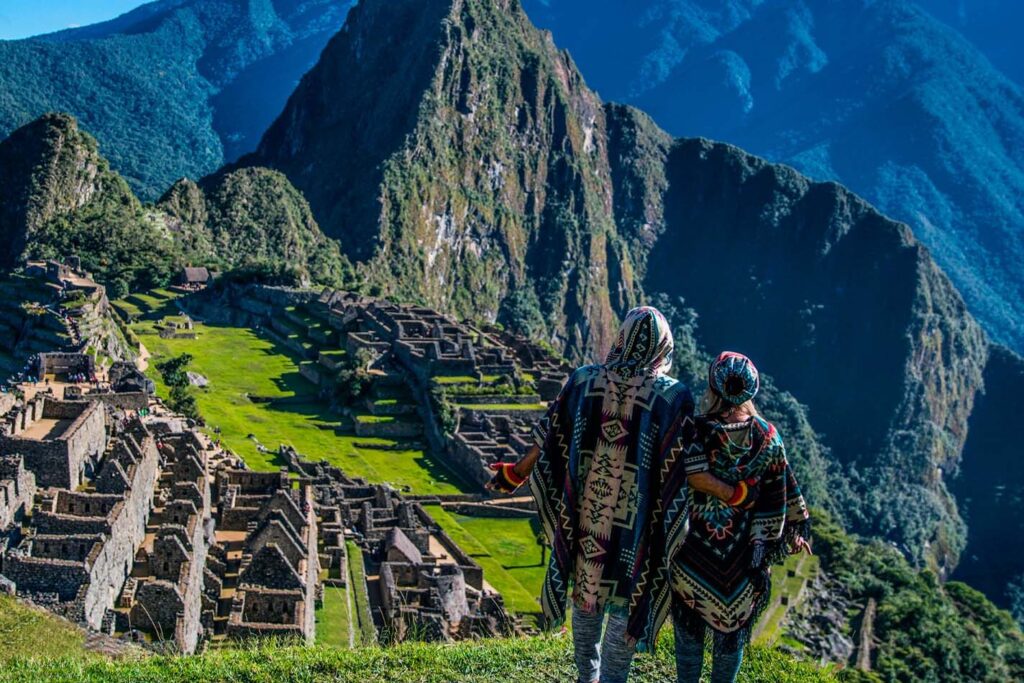
Wake up at 3:30 for breakfast before joining the checkpoint queue for the 5:30 opening. The trail to Inti Punku is a gentle contour followed by a final staircase. Arriving at the Sun Gate at approximately 6:00, you have your first full view of Machu Picchu citadel at 2,400 meters. You descend to the upper terraces near the House of the Guardians for the classic photograph, then proceed to the main control point to store large packs and trekking poles.
A two hour guided visit covers the agricultural, residential and religious sectors of the citadel. After the tour you have time to explore independently. The ascent of Huayna Picchu or Machu Picchu Mountain requires a separate timed ticket and must be booked in advance.
You take the bus to Aguas Calientes for lunch on your own account, then board the Expedition train to Ollantaytambo following the Urubamba River. Private transport returns you to Cusco by early evening.
Distance 6 km. Hiking time 2 to 3 hours plus citadel tour. Difficulty easy.
Important note: Entry to Machu Picchu on the 4 Day Trail is for Circuit 1 and 3. If you wish to complete Circuit 2, an additional entrance ticket is required at 55 USD, subject to availability. Train upgrades to Vistadome and early departures are available on request at time of booking.
History of the Classic Inca Trail
The Classic Inca Trail is not a single isolated path. It is the most famous surviving section of the Qhapaq Nan, the Royal Road network that formed the backbone of the Inca Empire.

Origins in the Qhapaq Nan
The Qhapaq Nan was an extensive network of trails that connected the four districts, called suyos, of the empire of Tahuantinsuyo. Built during the short period between 1438 and 1533 when Tahuantinsuyo was the dominant empire in pre-Columbian America, the network linked Cusco with the coast, the high Andes and the north and south of the empire.
The system as a whole once stretched over 24,000 miles across the empire and in its fullest extent is described as over 30,000 kilometers, connecting long distance communities for administration, trade and military movement.
Construction under Pachacutec
The section that leads to Machu Picchu was ordered to be built by Pachacutec as part of the connection between the sacred city and Cusco. The route functioned as a pilgrimage, with settlements and ceremonial sites such as Llactapata, Runkurakay and Winay Wayna built along the way.
Archaeological research places the main construction of Machu Picchu around 1450, beginning under Pachacutec Inca Yupanqui who ruled from 1438 to 1471 and continuing under Tupac Inca Yupanqui from 1472 to 1493. A 2021 study of radiocarbon measurements concluded that Machu Picchu was occupied from around 1420 to 1530.
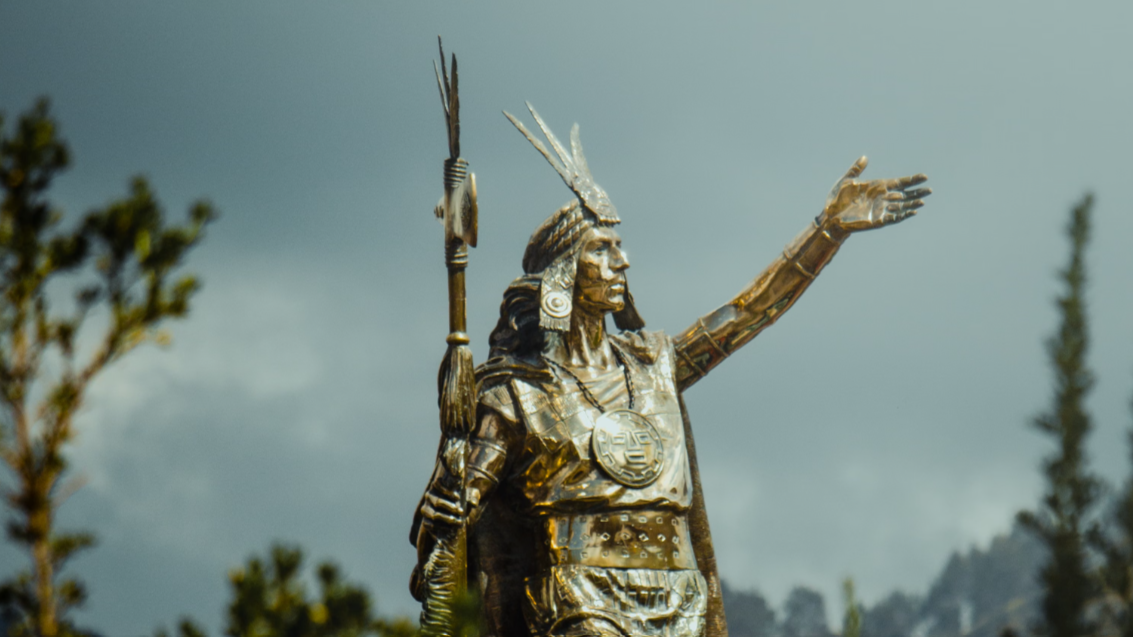
While the Incas formalized and paved the trail with stone steps cut into bedrock and retaining walls, construction dates back to pre Inca times and was substantially improved during the reign of Pachacutec between 1400 and 1471.
Abandonment and Rediscovery
Following the Spanish arrival in 1532 and the fall of the empire, Machu Picchu and its approach trails were abandoned and gradually reclaimed by forest. The local population never lost knowledge of the sites.
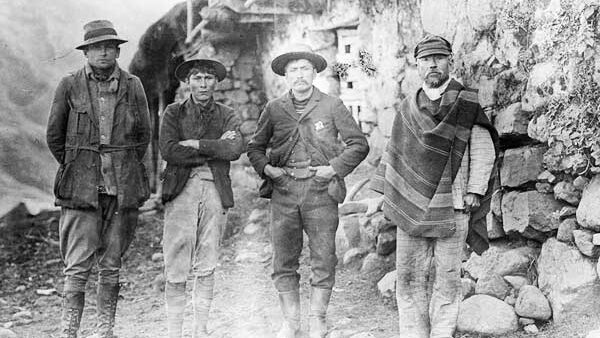
The trail returned to wider attention in 1911 when Hiram Bingham arrived at Machu Picchu. During the colonial era many sections had fallen into disrepair. It was not until 1970 that archaeologist Victor Angles precisely mapped the Inca Trail route and documented its connection to Machu Picchu through systematic expedition.
Ready to Experience the Inca Trail
Permits for the Classic 4 Day Inca Trail are limited to 200 visitors per day and high season dates sell out months in advance. If you have a preferred travel date, we recommend confirming your place while availability remains.
What Is Included
All permits and entries: Inca Trail permit, Machu Picchu citadel entry for Circuit 1A and 3A, and all campsite reservations.
Transport: Private transport from Cusco to Kilometer 82, bus from Machu Picchu to Aguas Calientes, Expedition train to Ollantaytambo and return transfer to Cusco.
Mountain team: Certified lead guide, professional cook and full camp crew with regulated porter support.
Camping equipment: Four season tents, sleeping pad, dining tent, kitchen equipment and all meals on the trail as listed in the itinerary.
Safety equipment: First aid kit, supplemental oxygen and satellite or radio communication.
What You Need to Provide
Today the trail is protected as part of the Machu Picchu Historical Sanctuary and as part of the Qhapaq Nan World Heritage designation. Its stone paving, tunnels, stairways and high passes remain as they were engineered more than five centuries ago.
Full legal name as shown on your passport, date of birth, nationality, passport number and expiry date, and preferred departure date. If your passport is due for renewal, you may book with your current number and travel with both passports.
1. Check availability: Tell us your preferred dates and group size.
2. Confirm your permit: We secure your Inca Trail permit against your passport details.
3. Secure with deposit: Your place is confirmed upon receipt of deposit. Balance is due 60 days before departure.
Our team will then send your detailed pre departure pack, packing checklist and acclimatization guide.
Reserve Your Place
To check live availability for your dates, contact our reservations team or complete the booking request form. We reply within 24 hours with permit status and next steps.