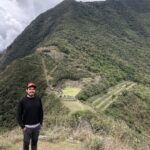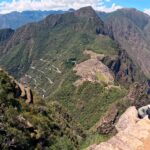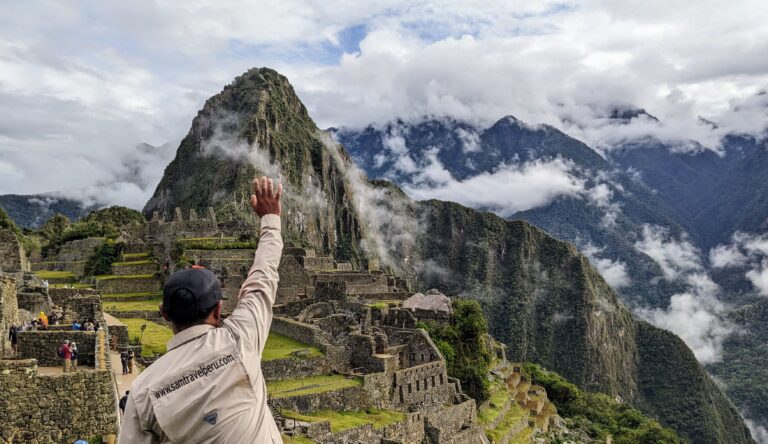




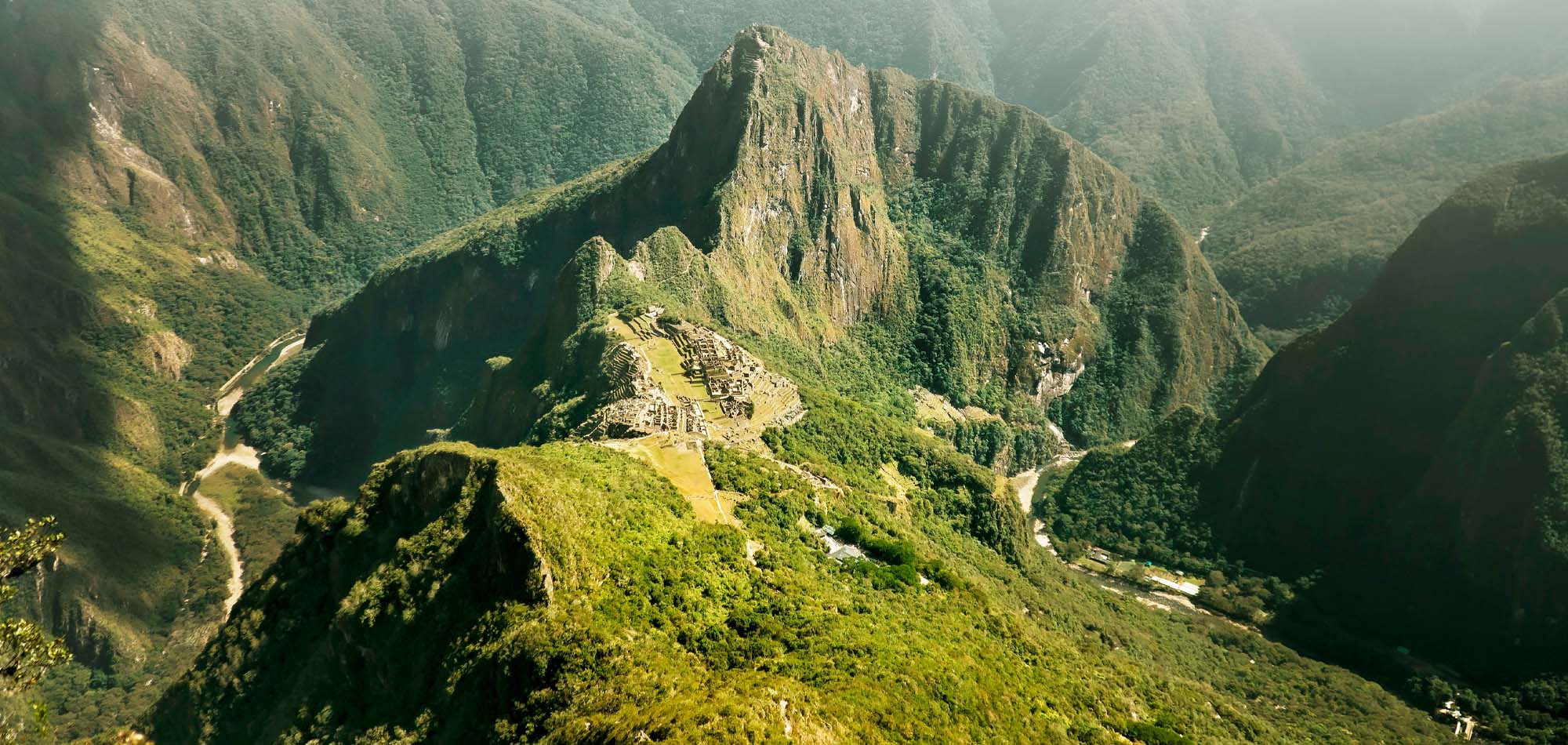
The legendary Machu Picchu Mountain is a great hike to do while visiting Machu Picchu. The mountain rises about 652 m (2,139 ft) above the Inca citadel, reaching a total elevation of 3,082 m. This hike is generally done without a guide, but you can hire a private guide for an additional fee. It offers the highest viewpoint over Machu Picchu, where many famous photos are taken.
Duration and Distance
Like any hike, the time it takes to summit depends on the hiker. The high altitude, combined with the steep stone steps, makes this a moderate to challenging hike. As always, the number of breaks and photos you take will extend your time. On average, it takes about 1 hour 45 minutes to reach the summit. The trail is made up of stone steps and is relatively short, about 1.2 miles (2 km) each way.
It’s recommended to acclimatize for a few days before attempting any hikes. The time it takes to acclimatize and the effects of elevation vary by individual and are not determined solely by physical fitness.
Location and Circuits
The walk begins once you enter Machu Picchu. The mountain trailhead is located southwest of the Machu Picchu citadel near the iconic Guard House (where the classic Machu Picchu photos are taken). After passing the Guard House, continue on the main trail to the Sun Gate until you come to a sign for ‘Montaña Machu Picchu (Machu Picchu Mountain).’ The trail continues to the right where you will see the start of the stone steps. It takes approximately 30 minutes to walk from the entrance to the trailhead.
If you wish to hike Machu Picchu Mountain you will need to purchase a Circuit 1-A entrance ticket. This doesn’t include the main citadel ruins. You will need a separate ticket (usually Circuit 2) if you also want to tour the citadel.
Prices
Machu Picchu Mountain tickets cost about $75 USD for foreign visitors through most agencies (official price is 200 soles, roughly $55 USD).
What is the best time of the day to hike?
The weather is often foggy at 6am, with sun usually breaking through around 8-9am, which is why the early Circuit 1-A slots work well.
If you want to hike Machu Picchu Mountain and tour the citadel in the same day, you will need two separate tickets.
See our [Machu Picchu Circuits Explained] page for how to combine tickets in one day.
2025–2026 UPDATE: Machu Picchu Mountain now uses Circuit 1-A. Entry is limited to two morning slots (typically 6–7am and 7–8am) and is restricted to visitors aged 18 and over. The ticket includes the upper panoramic terraces but does not include the main citadel.
Plan for two separate tickets if you want both in one day. Always check the official site before booking, as times can shift by season.
Tours to Machu Picchu Mountain
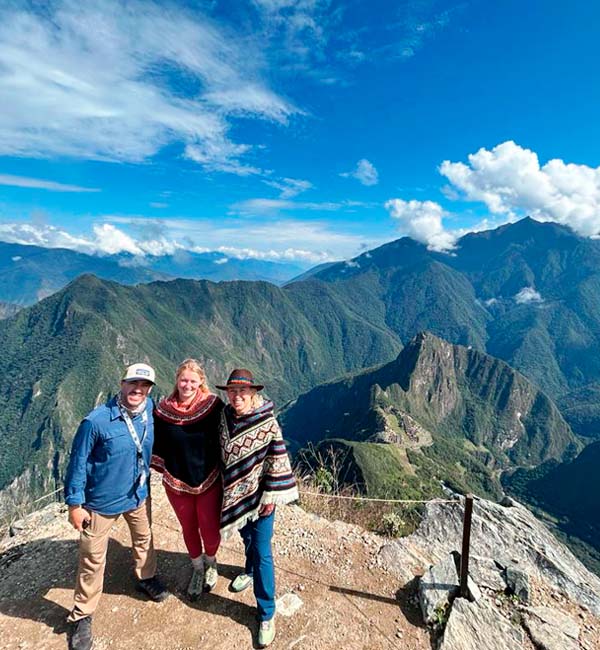
Guided tours of the mountain are not usually included. However, you can ask your guide to accompany you up the mountain at an extra cost. Otherwise, your guided tour only includes the Machu Picchu citadel.
Weather at Machu Picchu and When to Visit
Machu Picchu has a subtropical mountain climate in the Andean cloud forest with two distinct seasons, the rainy season and the dry season. The average daily temperature in Machu Picchu is about 68°F (20°C). The rainy season runs from November to April. In the early rainy season (November and December), vegetation is not yet at its greenest. Rainfall and fog increase from January to March, when visitor numbers are lowest. In February, the Inca Trail is closed. Due to heavy rain, trails can be slick. During the wet season, tours and accommodation are often more affordable, making it the most economical time to visit., the dry season from May to October.
Rainy Season
In the beginning of the rainy season, November and December, the vegetation is not as lush and green as other months. However, there is rainfall this time of year, in the following months the rain and fog really start to pick up, making January to March the time with the least number of visitors. Due to the immense rainfall, the trail is slick and too dangerous. During the wet season, tours and accommodation are often more affordable, making it the most economical time to visit.
Dry Season
The dry season, from May to October, has the best weather and the most visitors. Although the weather is better you should always be prepared with rain gear, as showers can appear at any time in the cloud forest. The sun is generally stronger during these months, so sunscreen is a must. You’ll also be at high altitude where the atmosphere is thinner, and therefore the sun is much stronger than at sea level. Additionally, the lines for buses, trains, and Machu Picchu are long this time of year, so be prepared to wait.
For these reasons, weigh your priorities. Do you prefer fewer crowds with a chance of fog, or busier trails with a better chance of clear skies? Each season has pros and cons, so choose the time that fits you best.
Read our guide: When is the best time to visit Machu Picchu
Is Machu Picchu Mountain Dangerous?
Depending on the time of year, the trail can be slick. Please be aware the trail is steep. We highly recommend footwear with good tread and trekking poles if necessary.
Tips
1. Trail Etiquette
- Stay Mountain Side: When passing narrow paths or drop-offs, always walk on the inside (mountain side) of the trail.
- Yield to fellow hikers: Step toward the mountain side, never the cliff side, to let the others pass safely.
2. Pacing & Footwork
- Slow and Steady: Keep your steps short, slow, and deliberate on the ascents to keep your heart rate stable. It’s an endurance test, not a race.
- Watch the Steps: Inca stone steps are uneven and steep. Watch your footing, and rely heavily on your trekking poles to absorb the impact on descents.
3. Altitude & Health
- Acclimatize First: Spend at least 48 to 72 hours resting at high altitude (Cusco or Sacred Valley) before starting the trek.
- Hydrate: Drink 1 to 2 liters of water. Use electrolytes or traditional coca tea to help with circulation.
- Speak Up Early: Tell your guides immediately if you feel a persistent headache, nausea, or dizziness. They carry oxygen and are fully medical-trained.
4. Rules & Protection
- Don’t Touch the Ruins: It is strictly forbidden to climb, sit on, or lean against any ancient stone walls or archaeological sites.
- Leave No Trace: Pack out all waste, including organic food scraps. Single-use plastic bottles and personal drones are completely banned in the park.
Packing List
Gear & Footwear
- Trekking Footwear: Broken-in, waterproof hiking boots with excellent ankle support and deep traction grip.
- Trekking Poles: Highly recommended for stability on steep, uneven stone staircases and high-altitude descents.
Weather Protection & Apparel
- Layered Outerwear: High-quality waterproof and windproof rain gear (jacket and trousers). Weather conditions at high altitudes are highly unpredictable and change rapidly.
- Sun Protection: Broad-spectrum SPF sunscreen, UV-blocking sunglasses, and a wide-brimmed hat.
- Insect Repellent: A high-concentration repellent (DEET or Picaridin), essential for lower-valley and subtropical trail sections year-round.
Electronics & Sustenance
- Hydration: A reusable, heavy-duty water bottle or hydration bladder (minimum 2-liter capacity).
- Nutrition: High-energy snacks (such as nuts, dried fruit, or energy bars) to sustain performance between designated meal stops.
- Photography: Camera or smartphone, protected by a waterproof dry bag or sleeve, along with spare batteries (cold temperatures drain battery life faster).
Why Machu Picchu Mountain is Worth the Climb
From the summit, the highest point in the whole sanctuary at 3,082 m, you get a full 360° panorama of the citadel, the Urubamba River, and the Andes, with far fewer crowds than Huayna Picchu. Because only 300 tickets are released each day, we recommend booking your Circuit 1-A permit at least 3–4 weeks ahead.
Machu Picchu Mountain is one of the most popular hikes at Machu Picchu, and for good reason. The views from the top are breathtaking, and the sense of accomplishment after completing the hike is unbeatable.
It’s the only trail where you can stand 652 meters directly above the ruins and watch the morning cloud lift off the citadel, perfect for those classic, people-free photos. The trail is wider and less exposed than Huayna Picchu, so you have time to stop, breathe, and enjoy it. Spaces are limited to adults 18+ and sell out quickly in dry season.